"Ajay Kumar Gulia is the lead editor at gknow.in. With a deep background in competitive exam coaching, he has helped thousands of students stay updated with daily current affairs. He meticulously vets every MCQ to ensure it meets the standards of UPSC and SSC boards."
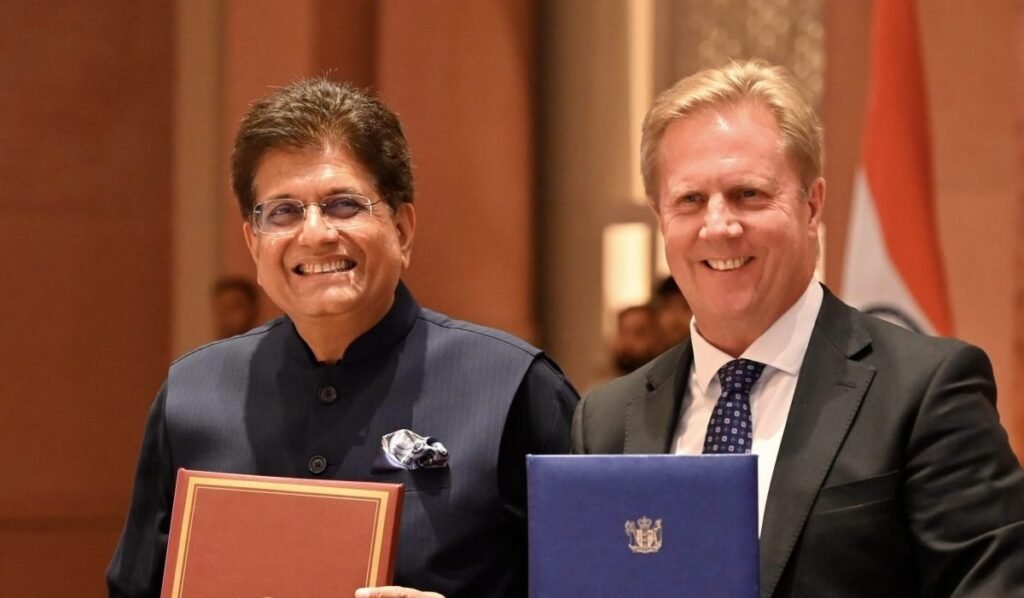
On 27 April 2026, India and New Zealand signed a landmark Free Trade Agreement (FTA) in New Delhi, granting 100% duty-free access to Indian exports in the New Zealand market. The agreement also includes a $20 billion investment commitment from New Zealand over 15 years and is expected to double bilateral trade within a decade.
The FTA covers 8,284 Indian export products such as textiles, leather, automobiles, and ceramics, while New Zealand will receive tariff elimination on 95% of its exports to India, including dairy and wine. It also provides a mobility pathway with 5,000 annual visas for professionals.
Strategically, the deal strengthens India’s Indo-Pacific trade presence and helps New Zealand diversify its markets. However, concerns remain over agricultural competition, especially in the dairy sector, and the agreement requires final ratification before implementation.
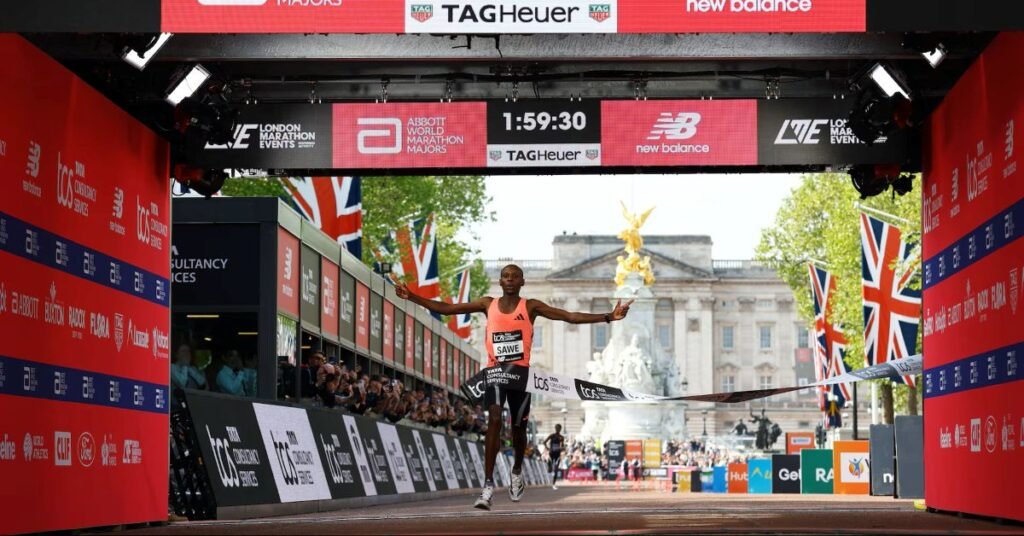
Kenya’s Sabastian Sawe created history on 26 April 2026 at the London Marathon by becoming the first athlete to officially run a marathon under two hours, finishing in 1:59:30 and breaking Kelvin Kiptum’s 2023 record (2:00:35). The race distance of a marathon is 42.195 km, a standard set during the 1908 London Olympics.
The marathon traces its origin to ancient Greece, inspired by the legend of a messenger Pheidippides, who ran from Marathon to Athens to announce victory in a battle.
Sawe’s achievement, along with Tigst Assefa’s women-only world record, marks a historic milestone in athletics, proving that the sub-2 hour barrier is achievable in official competition and making it highly important for current affairs.
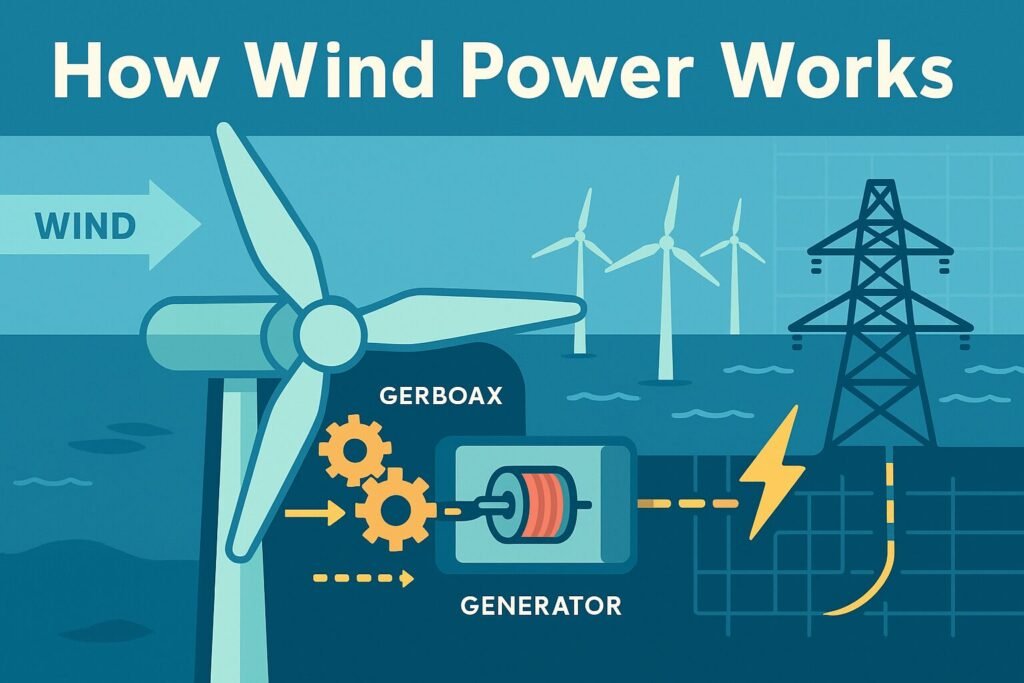
India achieved a record wind power addition of 6.05 GW in FY 2025–26, surpassing its previous peak and marking a 46% increase over the previous year. This pushed the country’s total installed wind capacity beyond 56 GW, showing strong growth in the renewable energy sector.
The expansion has been driven by supportive government policies, improved infrastructure, competitive bidding, and better project execution, especially in key states like Gujarat, Karnataka, and Maharashtra. Initiatives such as hybrid wind-solar projects, green energy open access, tax benefits, and transmission charge waivers have further accelerated development.
India’s wind energy sector, which began in the early 1990s, has now become a major global player. This rapid growth will significantly contribute to India’s goal of achieving 500 GW of non-fossil fuel energy capacity by 2030, supporting a cleaner and more sustainable energy future.
On 25 April 2026, the Reserve Bank of India (RBI) cancelled the banking licence of Paytm Payments Bank Limited, directing it to cease all banking operations with immediate effect. This action follows earlier regulatory measures, including the March 2022 order restricting onboarding of new customers and further 2024 restrictions on deposits, credits, and top-ups in accounts.
The RBI clarified that the bank has sufficient liquidity to repay all deposit liabilities, ensuring that customers’ funds remain secure during the winding-up process.
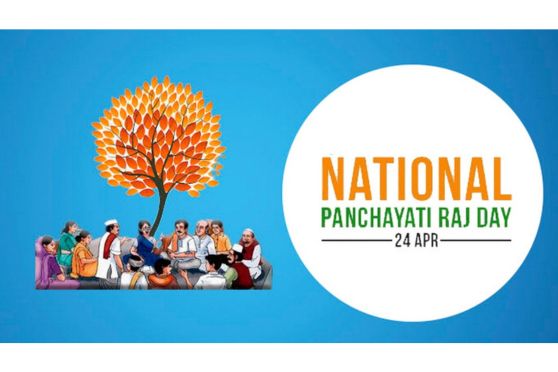
National Panchayati Raj Day is observed every year on 24 April to mark the implementation of the 73rd Constitutional Amendment Act, 1992, which came into force on 24 April 1993, granting constitutional status to Panchayati Raj Institutions (PRIs).
The theme for 2026, “Sashakt Panchayat, Sarvangeen Vikas”, emphasizes the role of empowered local governance in achieving holistic rural development and contributing to Sustainable Development Goals (SDGs) and the vision of Viksit Bharat 2047.
The amendment established a three-tier system—Gram Panchayat, Panchayat Samiti, and Zila Parishad, with provisions for reservation (including 33% for women), 5-year tenure, and creation of State Election and Finance Commissions to ensure democratic functioning and financial decentralization.
India’s Online Gaming Rules, 2026 will come into effect on 1 May 2026, establishing a unified regulatory framework under the Promotion and Regulation of Online Gaming Act, 2025. The rules introduce the Online Gaming Authority of India (OGAI) to regulate, classify, and monitor online games, aiming to protect users from financial and psychological risks while promoting India as a global gaming hub.
The framework classifies games into Online Money Games (OMG), Online Social Games (OSG), and E-sports, with mandatory registration for high-risk or high-value gaming platforms. It also introduces key user safety measures such as age restrictions, parental controls, time limits, and fair-play monitoring, along with oversight of financial transactions to prevent misuse.
The move comes amid rapid growth in India’s gaming sector and concerns over addiction, fraud, and inconsistent state regulations. The new rules aim to balance industry growth with consumer protection, strengthening India’s position in the global gaming ecosystem.
In the first phase of Assembly elections on 23 April 2026, West Bengal recorded a historic voter turnout of 92.72%, the highest since Independence, while Tamil Nadu witnessed a strong turnout of 85.14%. Polling was held in 152 constituencies in West Bengal, whereas all 234 seats in Tamil Nadu voted in a single phase.
Gyanesh Kumar described the turnout in West Bengal as a record achievement, highlighting high public participation. Meanwhile, Narendra Modi termed the turnout an “overwhelming mandate for change”.
The second phase of polling for the remaining 142 seats in West Bengal will be held on 29 April 2026, while vote counting for states including Kerala, Assam, West Bengal, Tamil Nadu, and Puducherry is scheduled for 4 May 2026.
John Ternus is set to become the next Chief Executive Officer (CEO) of Apple, succeeding Tim Cook, with the transition effective from 1 September 2026.
Ternus currently serves as Senior Vice President of Hardware Engineering at Apple and is a longtime company insider, having joined Apple in 2001. He has played a key role in the development of major products such as the iPhone, iPad, Mac, and Apple Watch, and has been instrumental in Apple’s hardware innovation and Apple Silicon transition.
The leadership transition is part of a planned succession strategy, unanimously approved by Apple’s Board. Tim Cook, who has led Apple since 2011, will move into the role of Executive Chairman, continuing to guide the company at a strategic level.
Ternus is expected to lead Apple during a crucial phase marked by growing competition in artificial intelligence (AI), evolving global markets, and the need for continued innovation in hardware and services.
World Earth Day is observed every year on April 22 to raise awareness about environmental protection and sustainability. It is a global event supported by governments, organizations, and individuals to promote actions that protect the planet Earth.
The theme for World Earth Day 2026 focuses on strengthening efforts toward climate action, environmental conservation, and sustainable living. The day highlights urgent global challenges such as climate change, pollution, deforestation, and biodiversity loss, encouraging collective responsibility.
World Creativity and Innovation Day is observed every year on April 21, promoting the importance of creative thinking and innovation in solving global challenges. Recognized by the United Nations (UN) in 2017, the day highlights creativity not only in arts but also in science, technology, business, and education.
The 2026 theme focuses on using creativity and innovation for sustainable development, addressing issues like climate change, poverty, and inequality. It encourages individuals, organizations, and governments to adopt innovative solutions for economic growth, social progress, and environmental sustainability.
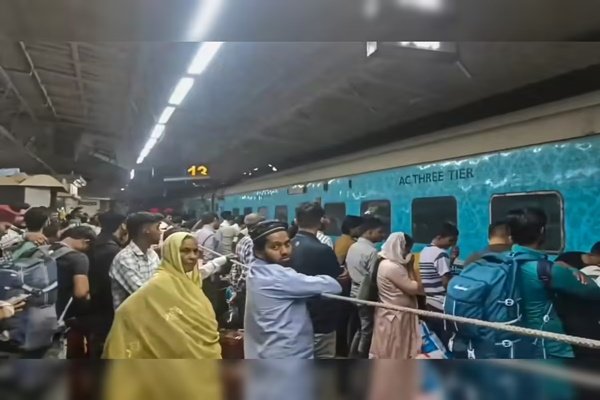
On 20 April 2026, Indian Railways announced that Persons with Disabilities (PwDs) holding a valid UDID (Unique Disability ID) card can now travel in unreserved coaches reserved for Divyangjan in Mail and Express trains. PwDs with a valid UDID or concession eligibility will be treated as bona fide passengers and allowed in designated compartments such as SLRD and LSLRD coaches, provided they have valid travel authority. Strict action under the Railway Act, 1989 will be taken against unauthorized passengers to ensure facilities reaches genuine beneficiaries. All Zonal Railways have been instructed to ensure proper implementation.
The Divyangjan Card (EPICS) enables PwDs to avail travel concessions and can be obtained through official portals based on a valid disability certificate.
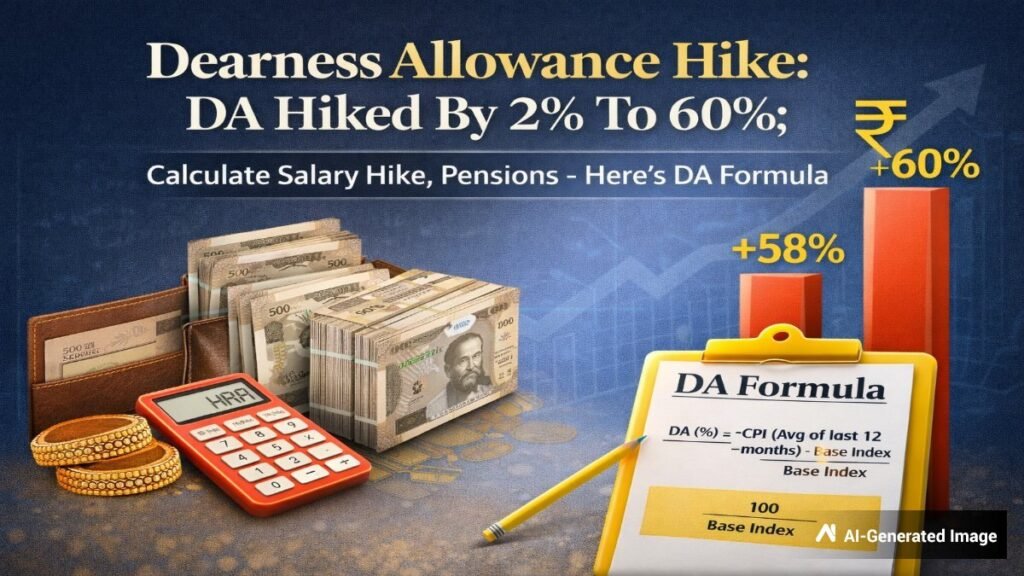
The Union Cabinet, chaired by Narendra Modi, approved a 2% increase in Dearness Allowance (DA) for Central government employees and Dearness Relief (DR) for pensioners, effective from 1 January 2026. With this revision, DA/DR has been increased from 58% to 60% of Basic Pay/Pension to offset inflation.
The decision will benefit around 50.46 lakh employees and 68.27 lakh pensioners, with an estimated financial burden of ₹6,791.24 crore annually. The hike is based on the 7th Central Pay Commission formula, which periodically revises allowances in line with inflation trends.
India now has a total of 44 UNESCO World Heritage Sites (as of 2026), comprising 36 cultural, 7 natural, and 1 mixed site. This includes recent additions such as the Maratha Military Landscapes and Moidams of Assam.
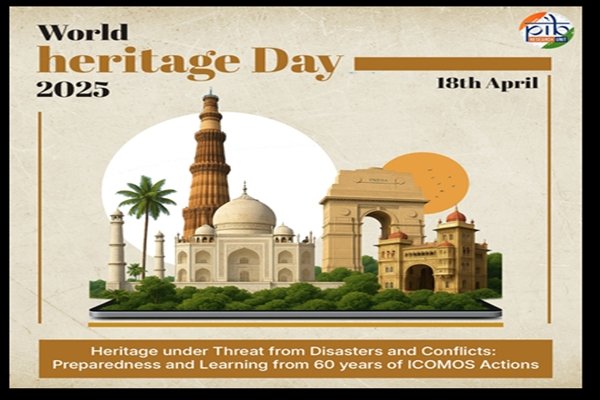
World Heritage Day is observed every year on April 18, and in 2026 the theme is “Emergency Response for Living Heritage in Contexts of Conflicts and Disasters”. It emphasizes the urgent need to safeguard monuments, traditions, and ecosystems threatened by wars, natural calamities, and neglect.
List of Indian World Heritage Sites (2026)
🏛 Cultural Sites (36)
Agra Fort (Uttar Pradesh)
Ajanta Caves (Maharashtra)
Ellora Caves (Maharashtra)
Taj Mahal (Uttar Pradesh)
Sun Temple, Konark (Odisha)
Group of Monuments at Mahabalipuram (Tamil Nadu)
Kaziranga Moidams (Assam – new addition)
Maratha Military Landscapes (Maharashtra – new addition)
Churches and Convents of Goa (Goa)
Fatehpur Sikri (Uttar Pradesh)
Group of Monuments at Hampi (Karnataka)
Khajuraho Group of Monuments (Madhya Pradesh)
Elephanta Caves (Maharashtra)
Great Living Chola Temples (Tamil Nadu)
Group of Monuments at Pattadakal (Karnataka)
Buddhist Monuments at Sanchi (Madhya Pradesh)
Humayun’s Tomb, Delhi
Qutub Minar and Monuments, Delhi
Mountain Railways of India (Darjeeling, Nilgiri, Kalka–Shimla)
Mahabodhi Temple Complex at Bodh Gaya (Bihar)
Rock Shelters of Bhimbetka (Madhya Pradesh)
Champaner-Pavagadh Archaeological Park (Gujarat)
Red Fort Complex, Delhi
Jantar Mantar, Jaipur (Rajasthan)
Western Ghats Cultural Landscapes (Kerala, Karnataka, Tamil Nadu, Maharashtra)
Hill Forts of Rajasthan (Chittorgarh, Kumbhalgarh, Ranthambore, Amber, Jaisalmer, Gagron)
Rani-ki-Vav (Queen’s Stepwell, Gujarat)
Archaeological Site of Nalanda Mahavihara (Bihar)
Khangchendzonga National Park (Mixed site, Sikkim)
Historic City of Ahmedabad (Gujarat)
Victorian Gothic & Art Deco Ensembles of Mumbai (Maharashtra)
Jaipur City (Rajasthan)
Dholavira: Harappan City (Gujarat)
Ramappa Temple (Telangana)
Santiniketan (West Bengal)
Sacred Ensembles of Hoysalas (Karnataka)
🌿 Natural Sites (7)
Kaziranga National Park (Assam)
Manas Wildlife Sanctuary (Assam)
Sundarbans National Park (West Bengal)
Nanda Devi and Valley of Flowers National Parks (Uttarakhand)
Western Ghats (Kerala, Karnataka, Tamil Nadu, Maharashtra)
Great Himalayan National Park (Himachal Pradesh)
Khangchendzonga National Park (Sikkim – also mixed)
🌀 Mixed Site (1)
Khangchendzonga National Park (Sikkim) – recognized for both cultural and natural significance.
The Constitution (131st Amendment) Bill, 2026, which sought to expand Lok Sabha seats and implement 33% women’s reservation, failed in the Lok Sabha on April 17, 2026, as it did not secure the required two-thirds majority—298 MPs voted in favor while 230 opposed, falling short of the 352 votes needed.
Key Facts About the Bill
Bill Name: Constitution (131st Amendment) Bill, 2026
Objective:
Operationalize the Nari Shakti Vandan Adhiniyam, 2023 (106th Amendment Act).
Reserve 33% of seats for women in Lok Sabha and State Assemblies.
Expand Lok Sabha seats from 543 to up to 850 after delimitation.
Voting Outcome:
For: 298 MPs
Against: 230 MPs
Required: 352 votes (two-thirds majority of 528 present and voting)
Result: Bill defeated in Lok Sabha.
Why Did the Bill Fail?
Two-thirds majority hurdle: Constitutional amendments require a supermajority, which the government could not secure.
Opposition unity: Major opposition parties opposed linking women’s reservation to delimitation and seat expansion, arguing it delayed immediate implementation.
Political timing: Critics claimed the government rushed the bill during a special session without adequate consensus-building.
Regional concerns: Some states feared losing representation after delimitation, making them reluctant to support the bill.
Political Significance
First major legislative defeat for the Modi government in 12 years.
Women’s reservation remains unimplemented despite being passed in principle in 2023.
Future uncertainty: Without this amendment, the reservation may not apply in the 2029 elections, unless a fresh bill is introduced and passed.
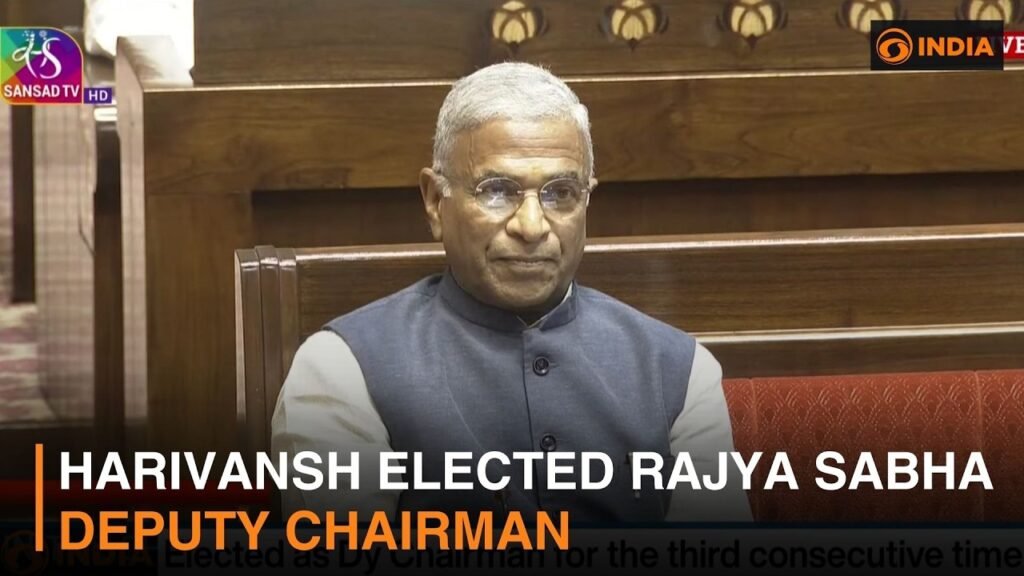
Harivansh was elected unopposed as Deputy Chairman of the Rajya Sabha for the third consecutive term on 18 April 2026. The motion was moved by JP Nadda, reflecting consensus across political parties.
Harivansh is the first nominated member to hold this post.
His unanimous election reflects cooperation and democratic values in Parliament.
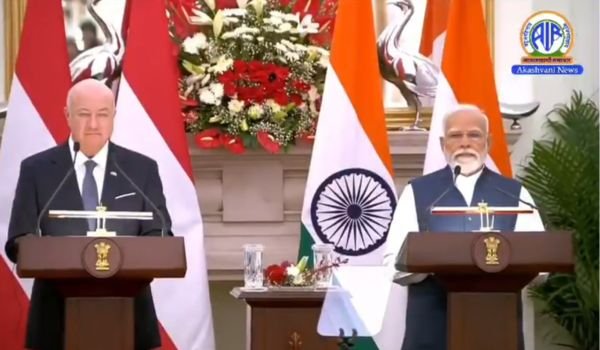
Austrian Chancellor Christian Stocker’s first official visit to India (April 14–17, 2026) marked a major step in Indo-Austrian relations, with key discussions with Narendra Modi on trade, technology, renewable energy, and education.
Important outcomes included an Audiovisual Co-production Agreement, a Fast Track Mechanism for businesses, and enhanced cooperation in AI, green hydrogen, and digital infrastructure. The visit also boosted business ties, cultural exchange, and India’s access to EU markets, positioning Austria as a strategic partner in Europe.
India’s special Parliament session (April 16–18, 2026) focuses on two major reforms: Women’s Reservation and Delimitation, aimed at reshaping the country’s electoral system.
🔑 Key Highlights:
Introduction of the Constitution (131st Amendment) Bill, 2026 to implement 33% reservation for women in Lok Sabha and state assemblies.
Delimitation Bill, 2026 to redraw constituency boundaries before the 2029 elections.
Amendment to laws governing Union Territories for alignment with the new system.
🟣 Women’s Reservation:
Ensures 33% सीट आरक्षण (reservation) for women in legislatures.
Will be implemented from the 2029 Lok Sabha elections.
Aims to improve women’s political participation and representation.
Debate exists over the delay in implementation due to linkage with delimitation.
🟢 Delimitation:
Refers to redrawing constituencies based on updated population data.
Ensures fair and balanced representation across states.
May change seat distribution, affecting political power balance.
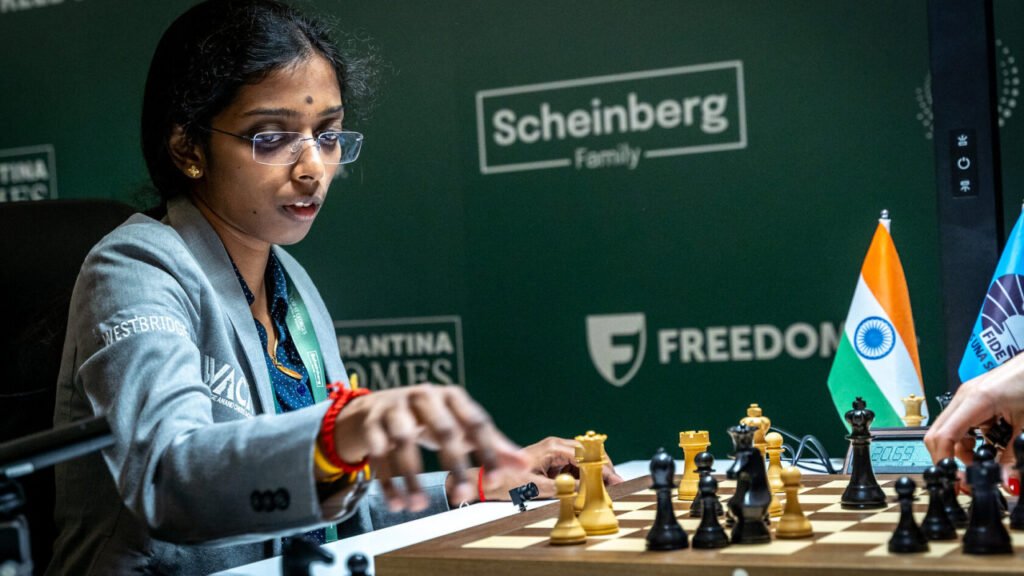
R. Vaishali won the FIDE Women’s Candidates Tournament 2026 held in Cyprus on 15 April 2026. She defeated Kateryna Lagno in the final round, finishing with 8.5/14 points. Vaishali’s victory earns her the right to challenge reigning world champion Ju Wenjun later this year.
Javokhir Sindarov won the Open Candidates Tournament with 9.5 points. He finished two points ahead of Anish Giri. Sindarov will challenge current world champion D Gukesh for the title.
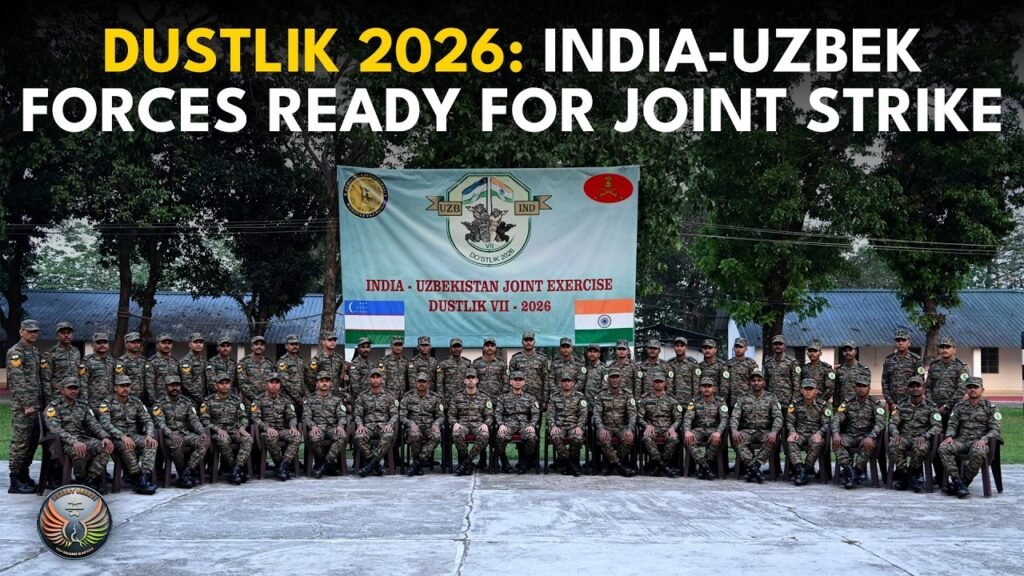
The 7th edition of the India–Uzbekistan joint military exercise “Dustlik” began on 15 April 2026 at Gurumsaray Field Training Area, Namangan in Uzbekistan. The exercise will continue until 25 April 2026.
🔑 Objective:
To enhance operational synergy between the Indian Army and the Uzbekistan Army.
Focus on joint special operations, especially targeting the neutralisation of unlawful armed groups.
🤝 Significance:
Strengthens defence cooperation, mutual trust, and camaraderie between India and Uzbekistan.
Reflects a shared commitment to global peace and security.
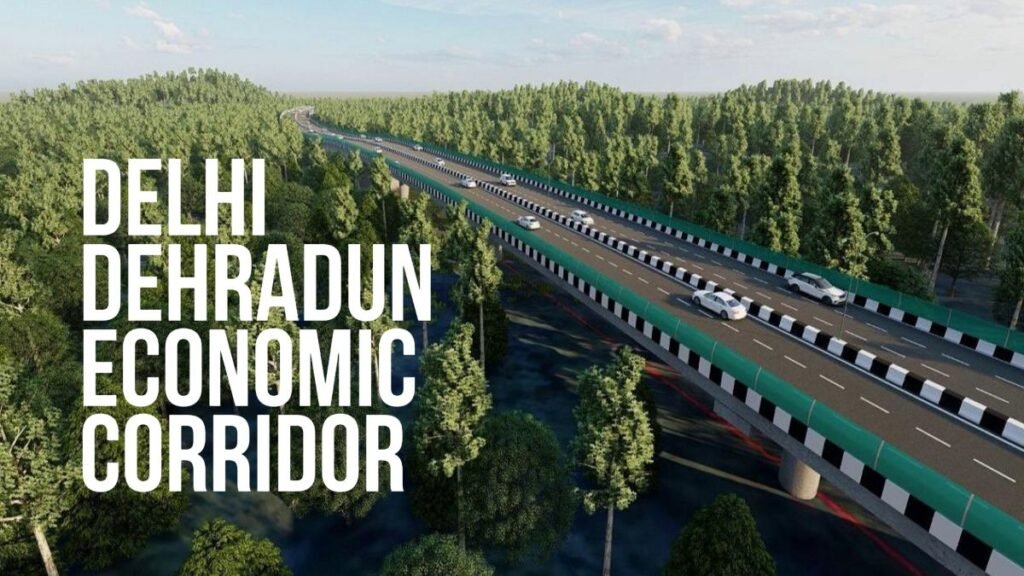
The Delhi–Dehradun Economic Corridor was inaugurated on 14 April 2026 by Narendra Modi. Built at a cost of ₹11,868 crore, the expressway reduces travel time between Delhi and Dehradun from 6 hours to just 2.5 hours.
🔑 Key Features:
Length: ~212–213 km
Type: Six-lane, access-controlled expressway
Wildlife Corridor: Elevated sections to protect biodiversity near forest areas
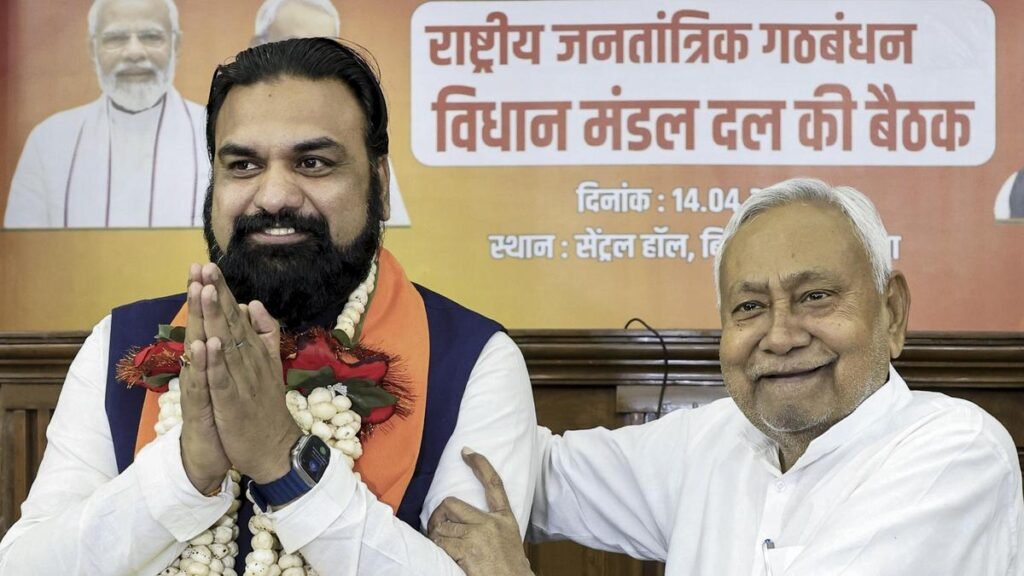
Samrat Choudhary was sworn in as the Chief Minister of Bihar on 15 April 2026 at Lok Bhavan, Patna. He became the first BJP leader to hold the top post in Bihar.
Earlier, Nitish Kumar resigned as CM after being elected to the Rajya Sabha.
Samrat Choudhary was unanimously elected leader of the NDA legislature party.
Samrat Choudhary is an MLA from Tarapur.
Bharatiya Janata Party (BJP) is the largest party in the 243-member Bihar Assembly with 89 MLAs.
Stay updated with the latest current affairs and test your knowledge with this Daily updated Top 10 Current Affairs MCQs Quiz. Current affairs play a crucial role in almost every competitive examination such as SSC, Banking, Railway, Defence, Police, and State Level Exams. Regular practice of current affairs questions helps candidates improve accuracy and stay prepared for exam-oriented questions.
This practice quiz contains 10 important current affairs multiple-choice questions collected from recent national and international events. The questions are designed based on the pattern frequently asked in competitive examinations.
Attempt -Top 10 Current Affairs MCQs Quiz
Test Overview - CURRENT AFFAIRS QUESTION
Duration5 Min
Questions10
Marks+1
NegativeNo
Key Instructions
Each question has 4 options and only 1 correct answer.
Use Save & Next to move smoothly through the test.
Mark for Review if you want to revisit a question later.
Bilingual support is available where configured.
Start when you are readyYour timer begins after you click start.
✔ Based on latest national and international events
✔ Practice Mode for self-assessment
✔ Timer included (5 minutes) to simulate exam pressure
✔ Helpful for SSC, Bank, Railway, UPSC, UPSSSC, Police and other exams
Practicing short quizzes like this regularly will help you improve speed, accuracy, and retention of current events. Attempt the quiz below and check how well you are prepared.
Why Practice Current Affairs MCQs?
Current affairs questions are widely asked in competitive exams under the General Awareness / General Knowledge section. These questions usually cover topics such as:
Government schemes and policies
Awards and honours
Important national and international events
Sports news
Appointments and resignations
Science and technology updates
Regular practice of MCQs ensures that you can quickly recall important facts during the exam.
Tips to Score Better in Current Affairs Section
Read daily current affairs from reliable sources.
Practice MCQ quizzes regularly to strengthen memory.
Revise monthly current affairs compilations.
Focus on important government schemes, reports, and international organizations.
Attempt quizzes under time limits to improve speed.
More Current Affairs Practice
If you want to improve your preparation further, try more quizzes available on GKNow (gknow.in). Regular practice of current affairs MCQs will significantly boost your score in the General Awareness section of competitive exams.
Start the quiz above and test your current affairs knowledge now! 🚀
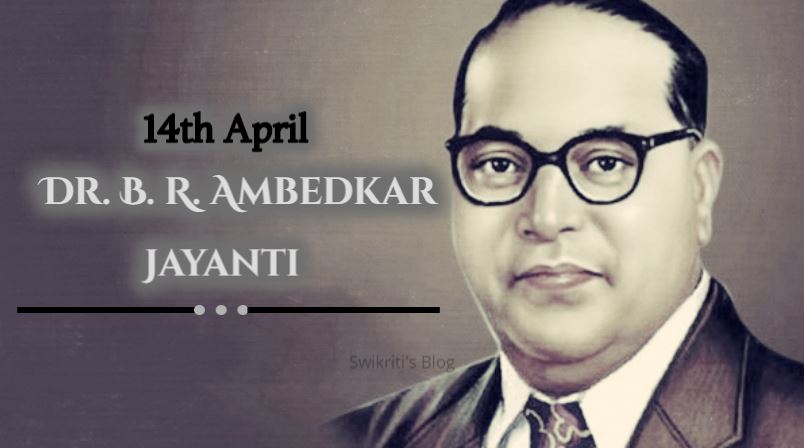
The 136th birth anniversary of B. R. Ambedkar was observed across India on April 14, 2026, honoring his immense contribution to social justice, equality, and nation-building.
📌 Key Highlights
Popularly known as the “Father of the Indian Constitution”, Ambedkar played a pivotal role in drafting the Constitution of India.
Celebrated annually as Ambedkar Jayanti, the day is marked by tributes, cultural programs, and awareness campaigns.
Leaders and citizens across the country paid homage at places like Deekshabhoomi and Chaitya Bhoomi.
🌟 Significance
Ambedkar championed the rights of Dalits, women, and marginalized communities, advocating equality and social reform.
His ideas on democracy, liberty, and fraternity continue to shape India’s governance and society.
The day promotes awareness about constitutional values and social justice.
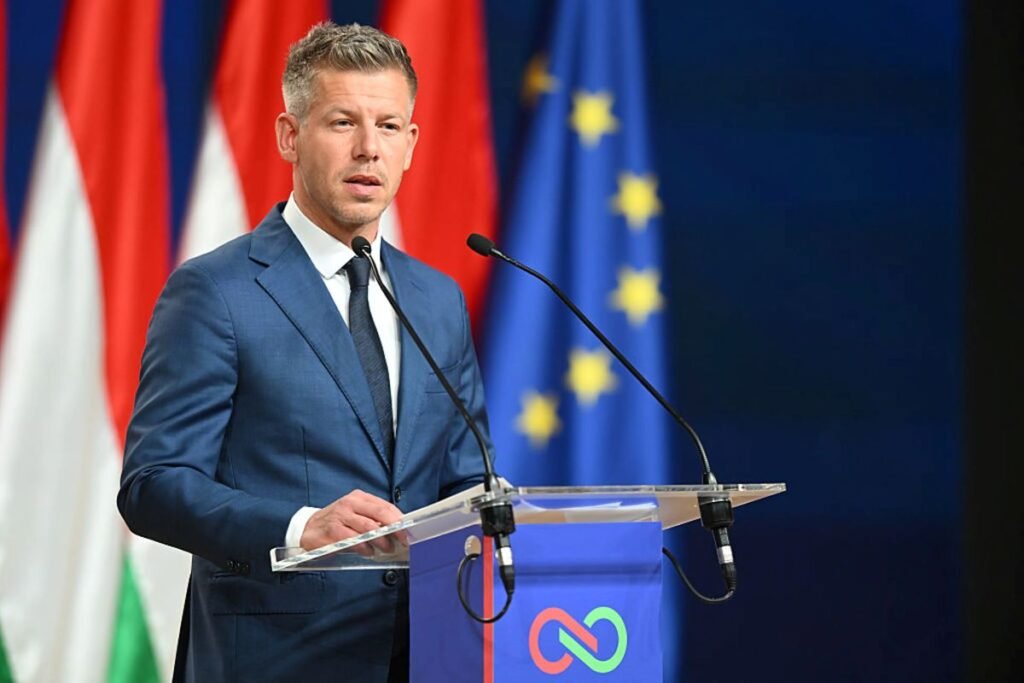
The Hungary Parliamentary Election 2026 marked a historic political shift as opposition leader Péter Magyar and his Tisza Party won a decisive victory, ending Viktor Orbán’s 16-year rule.
🔑 Key Points
The Tisza Party secured a supermajority with about 53% votes and 138 out of 199 seats.
Orbán’s Fidesz party dropped to 55 seats with around 38% vote share.
Voter turnout reached ~78%, one of the highest in Hungary’s history.
📌 Significance
Marks the first major power transition in over 15 years in Hungary.
Gives Péter Magyar strong legislative control to implement reforms.
Signals a likely shift toward closer European Union relations, contrasting Orbán’s earlier stance.
The US–Iran conflict remains unresolved despite a temporary ceasefire mediated by Pakistan in April 2026. Talks held in Islamabad ended without any agreement, increasing the risk of renewed hostilities after the truce expires on April 22.
🔑 Key Points
A two-week ceasefire began on April 8, 2026, but failed to produce a long-term peace deal.
Negotiations between the US (led by JD Vance) and Iran lasted 21 hours but ended in deadlock.
Major disagreements included ceasefire duration, Iran’s regional role, Strait of Hormuz access, and verification mechanisms.
⚠️ Significance
This was the first direct US–Iran dialogue since the Iranian Revolution, making it historically important.
The fragile truce raises concerns about renewed conflict and instability in West Asia, potentially impacting global oil supply and trade.
Pakistan’s role as mediator highlights its growing diplomatic importance, though success remains uncertain.
📌 Conclusion
While the ceasefire offers short-term relief, the failure of talks means the situation remains tense, with the possibility of conflict escalating again if diplomacy does not succeed.
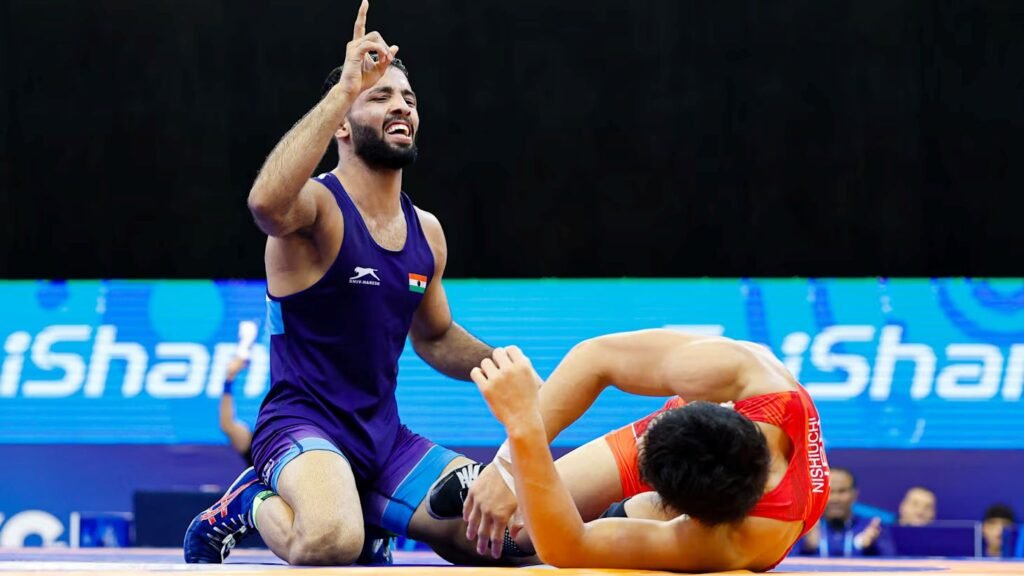
India delivered an impressive performance at the Asian Wrestling Championships 2026 in Bishkek, finishing second overall with 17 medals (2 gold, 6 silver, 9 bronze) behind Iran.
🏅 Key Points
Freestyle wrestling led the success, contributing both gold medals and the highest medal count.
Sujeet (65kg) and Abhimanyou won India’s two gold medals.
Aman Sehrawat and Mukul Dahiya were notable silver medalists.
Women’s wrestling secured 5 medals, showing steady improvement despite no gold.
Greco-Roman added 5 medals but still lags behind top nations.
India achieved a record expansion in solar energy in FY 2025–26, adding around 45 GW of solar capacity and crossing 150 GW cumulative solar capacity, marking its strongest renewable energy growth ever.
🌞 Key Highlights
Annual addition: ~44.6 GW (highest ever)
Total solar capacity: 150.26 GW
Total renewable energy (excluding large hydro): 223 GW
Solar contributed nearly 80% of total non-fossil capacity additions
🚀 Growth Drivers
Strong government policies and incentives (PLI schemes)
Growth in rooftop solar under schemes like PM Surya Ghar Yojana
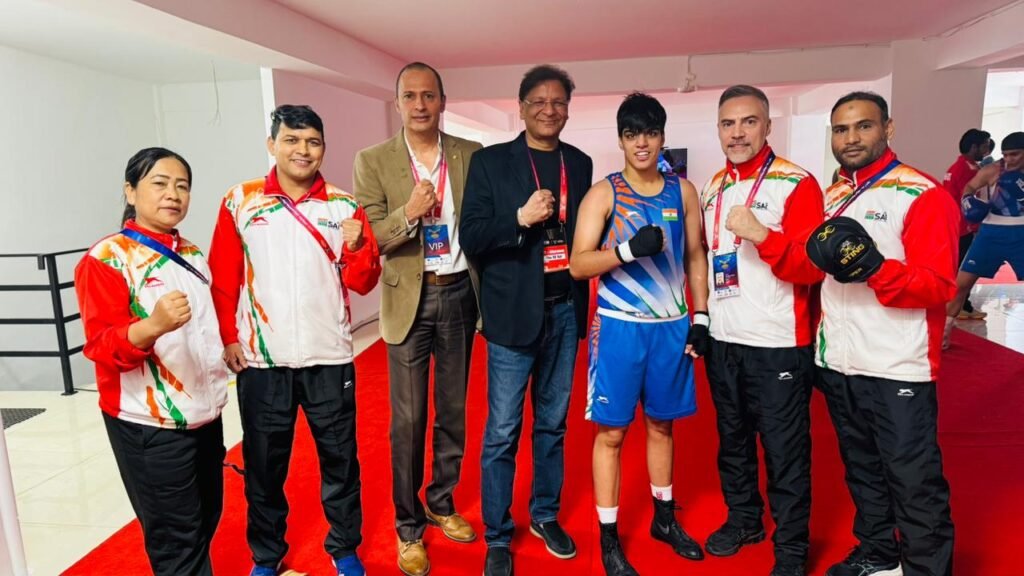
India delivered its best-ever performance at the Asian Boxing Championships 2026 held in Ulaanbaatar, winning a total of 16 medals—5 gold, 3 silver, and 8 bronze.
🏆 Key Highlights
Overall Rank: 2nd (behind Kazakhstan in gold count)
Total Medals: Highest among all participating nations
Historic Achievement: Best-ever medal haul for India at the event
🌟 Notable Performances
Vishvanath Suresh (50kg): Won gold, becoming the only Indian male gold medalist and ending a 5-year drought.
Sachin Siwach (60kg): Won silver after a close final bout.
Women’s Team: Dominated with 10 medals (4 gold, 2 silver, 4 bronze), forming the backbone of India’s success.
On April 9, 2026, Assembly elections in Assam, Kerala, and Puducherry concluded peacefully with record voter turnout, as reported by the Election Commission of India (ECI).
Record Turnout:
Assam: 85.38% (highest ever)
Puducherry: 89.83% (highest ever)
Kerala: 78.03% (strong participation)
Scale of Elections:
Covered 296 Assembly constituencies
Over 5.31 crore voters participated
More than 63,000 polling stations set up
Around 2.5 lakh polling personnel deployed
🗳️ Smooth & Transparent Polling
Voting conducted peacefully with minimal incidents.
100% polling stations monitored via live webcasting (first time).
Supervised by Chief Election Commissioner Gyanesh Kumar.
Mock polls conducted with participation of polling agents.