Author name: Ajay Gulia

"Ajay Kumar Gulia is the lead editor at gknow.in. With a deep background in competitive exam coaching, he has helped thousands of students stay updated with daily current affairs. He meticulously vets every MCQ to ensure it meets the standards of UPSC and SSC boards."

Japan Secures Spot in 2026 FIFA World Cup!

On March 20, 2025, Japan became the first non-host nation to qualify for the 2026 FIFA World Cup after a 2-0 victory over Bahrain. Goals by Daichi Kamada and Takefusa Kubo sealed the win, marking Japan’s eighth consecutive World Cup appearance since 1998.

With this win, Japan has claimed one of the two automatic qualification spots from Group C in the Asian qualifiers, with three matches still remaining. The expanded 48-team format will see the Asian Football Confederation (AFC) sending at least eight teams to the tournament, co-hosted by Canada, Mexico, and the United States.

Other Teams to Watch

  • Australia is in a strong position in Group C.
  • Iran leads Group A, followed by Uzbekistan and the UAE.
  • South Korea tops Group B, with Iraq and Jordan trailing.

🚀 The qualification process continues until June 2025, leading to a fourth round and an inter-confederation play-off offering one more Asian nation a final shot at qualifying.

Parsi New Year, Navroz 2025 : Celebrated on March 20

The Parsi New Year, also known as Navroz or Nowruz, is observed on March 20, coinciding with the spring equinox, a time when day and night are of equal length. This ancient festival has its roots in Zoroastrianism, one of the world’s oldest monotheistic religions, founded by Prophet Zoroaster in ancient Persia (modern-day Iran).

History and Significance

Navroz, meaning “new day” in Persian, has been celebrated for over 3,000 years. It marks the beginning of the Persian calendar and symbolizes the triumph of good over evil, as well as the renewal of nature. The festival is named Jamshedi Navroz in honor of King Jamshed, who is credited with introducing the Parsi calendar.

The Parsi community in India, which migrated from Persia during the Islamic invasion in the 7th century, has preserved this tradition with great fervor. Navroz is recognized by UNESCO as an Intangible Cultural Heritage of Humanity, highlighting its cultural and historical importance.

ISTAF Sepak Takraw 2025 World Cup in Patna: March 20–25

Chief Minister of Bihar, Nitish Kumar inaugurated ISTAF “Sepak Takraw 2025” World Cup in Patna on March 20, 2025. The tournament, organized by the International Sepak Takraw Federation (ISTAF), is taking place at the Pataliputra Sports Complex Indoor Stadium in Kankarbagh. This six-day event, running from March 20 to March 25, 2025, has brought together teams from 20 countries, including India, Thailand, Singapore, and others.

Highlights of the Event

  • 150 Matches: The tournament features a total of 150 matches across various categories, including quad, regular, doubles, and mixed doubles.
  • India’s Performance: The Indian women’s team has already made a strong start, defeating China and Iran in the quad matches.
  • Global Participation: Countries like Thailand, Indonesia, Japan, and Brazil are showcasing their talent in this unique sport.

About Sepak Takraw

Sepak Takraw, often referred to as “kick volleyball,” is a dynamic sport with roots in Southeast Asia. Players use their feet, head, knees, and chest to hit a rattan or synthetic ball over a net. The game has gained international recognition, especially after being included in the Asian Games.

Char Dham Yatra 2025: The Sacred Journey Begins on April 30

The Char Dham Yatra is a revered pilgrimage in India, encompassing visits to four sacred shrines in Uttarakhand: Yamunotri, Gangotri, Kedarnath, and Badrinath. These sites are nestled in the Himalayas and hold immense spiritual significance in Hinduism. The journey is believed to cleanse the soul and pave the way for salvation. The Yatra traditionally begins at Yamunotri, followed by Gangotri, Kedarnath, and concludes at Badrinath.

Registration for Char Dham Yatra

To participate in the Yatra, registration is mandatory. Here’s how you can register:

Online Registration:

  • Visit the official website: registrationandtouristcare.uk.gov.in.
  • Create an account and provide your personal details, including a valid ID proof (Aadhaar, Passport, etc.).
  • Select your preferred dates and complete the process by downloading your e-pass.

Offline Registration:

  • Visit designated counters in cities like Haridwar, Rishikesh, or Dehradun.
  • Provide your documents and receive a QR code or registration letter.

The Yatra begins with the opening of the Gangotri and Yamunotri Dhams on April 30, followed by Kedarnath on May 2 and Badrinath on May 4.

Chemistry GK MCQs for Competitive Exams

Chemistry GK MCQs for Competitive Exams for free online practice. Collection of Important previous year questions for preparation of upcoming SSC,RRB examinations.

Chemistry GK MCQs

Question 1: Which of the following dietary components provides the maximum energy per gram to humans?

A) Carbohydrates
B) Fats
C) Fibers
D) Proteins

Answer
Answer: B) Fats]
Explanation: Fats are the primary source of energy in our diet. 1 gram of fat provides 9.5 kilocalories of energy, which is the highest among food components.

Question 2: Which of the following is a noble gas?

A) Ozone
B) Nitrogen
C) Hydrogen
D) Helium

Answer
Answer: D) Helium]
Explanation: A noble gas is one that typically does not participate in chemical reactions and is always available in a free state.

Question 3: Which of the following elements belongs to the d-block of the modern periodic table?

A) Na
B) Fe
C) Ca
D) Mg

Answer
Answer: B) Fe]
Explanation: From the electronic configurations of elements, it is evident that Fe belongs to the d-block because its outermost electron occupies the d-orbital.

Question 4: According to the modern periodic table, which element has the atomic number 30?

A) Co
B) Ni
C) Zn
D) Fe

Answer
Answer: C) Zn]
Explanation: Zinc is a chemical element with the symbol Zn and atomic number 30.

Question 5: Which iron ore contains the highest amount of iron?

A) Magnetite
B) Hematite
C) Limonite
D) Siderite

Answer
Answer: A) Magnetite]
Explanation: Magnetite contains the highest iron content, followed by other ores in the listed order.

Question 6: Who was awarded the Nobel Prize for the discovery of the neutron?

A) Chadwick
B) Rutherford
C) Niels Bohr
D) Roentgen

Answer
Answer: A) Chadwick]
Explanation: Sir James Chadwick, a British physicist, was awarded the Nobel Prize in Physics in 1935 for his discovery of the neutron in 1932.

Question 7: What is the chemical name of Plaster of Paris?

A) Calcium hypochlorite
B) Calcium carbonate
C) Calcium oxide
D) Calcium sulfate hemihydrate

Answer
Answer: D) Calcium sulfate hemihydrate]
Explanation: Plaster of Paris is used for setting broken bones, making sculptures and toys, and producing chalk, among other uses.

Question 8: What is the chemical formula of washing soda?

A) Na2SO4
B) Ca(OH)2
C) Na2CO3 . 10H2O
D) NaHCO3

Answer
Answer: C) Na2CO3 . 10H2O]
Explanation: Sodium carbonate is an inorganic compound with the chemical formula Na2CO3. It is commonly known as washing soda or soda ash and is used for laundry due to its alkaline nature.

Question 9: In a water molecule, what is the ratio of the masses of hydrogen and oxygen?

A) 1:4
B) 1:8
C) 1:16
D) 1:2

Answer
Answer: B) 1:8]
Explanation: The atomic mass of hydrogen is 1 u, and the atomic mass of oxygen is 16 u. Since a water molecule contains 2 hydrogen atoms and 1 oxygen atom, their mass ratio is 2:16 or 1:8.

Question 10: α particles are doubly charged ions of ____________.

A) Beryllium
B) Hydrogen
C) Helium
D) Lithium

Answer
Answer: C) Helium]
Explanation: α particles consist of two protons and two neutrons. They are doubly charged helium ions.

Question 11: What is the atomic number of Copper?

A) 29
B) 26
C) 30
D) 32

Answer
Answer: A) 29
Explanation: The atomic number of Copper is 29.

Question 12: What is the most common isotope of Oxygen?

A) O-16
B) O-17
C) O-18
D) O-19

Answer
Answer: A) O-16
Explanation: The most common isotope of Oxygen is O-16, which is found in nature in the highest abundance.

Question 13: What is the chemical name of NH₃ (Ammonia)?

A) Nitrogen Trihydride
B) Hydrogen Nitride
C) Nitrogen Hydride
D) Hydrogen Trinitride

Answer
Answer: C) Nitrogen Hydride
Explanation: NH₃ is known as Nitrogen Hydride, commonly referred to as Ammonia.

Question 14: What is the chemical symbol for Mercury?

A) Hg
B) Pb
C) Au
D) Ag

Answer
Answer: A) Hg
Explanation: The chemical symbol for Mercury is Hg.

Question 15: Which acid is a harmful enzyme?

A) Hydrochloric Acid
B) Sulfuric Acid
C) Nitric Acid
D) Hydrofluoric Acid

Answer
Answer: A) Hydrochloric Acid
Explanation: Hydrochloric Acid (HCl) is essential for digestion in the human stomach, but at high concentrations, it can be harmful.

Question 16: What is the approximate pH value of water?

A) 1
B) 7
C) 14
D) 9

Answer
Answer: B) 7
Explanation: The pH value of water is around 7, making it neutral.

Question 17: Which element exhibits metallic properties?

A) Hydrogen
B) Oxygen
C) Calcium
D) Sulfur

Answer
Answer: C) Calcium
Explanation: Calcium is a metal and shows properties similar to other metals.

Question 18: Which chemical is a strong acid?

A) Ethanol
B) Acetic Acid
C) Sulfuric Acid
D) Ammonia

Answer
Answer: C) Sulfuric Acid
Explanation: Sulfuric Acid (H₂SO₄) is a very strong acid.

Question 19: What is formed when carbon dioxide (CO₂) dissolves in water?

A) Carbonic Acid
B) Hydrochloric Acid
C) Sulfuric Acid
D) Nitric Acid

Answer
Answer: A) Carbonic Acid
Explanation: When carbon dioxide dissolves in water, it forms carbonic acid (H₂CO₃).

Question 20: Which element has the highest relative atomic mass?

A) Hydrogen
B) Helium
C) Lithium
D) Uranium

Answer
Answer: D) Uranium
Explanation: Uranium has the highest relative atomic mass.

Question 21: Which element remains in a gaseous state at room temperature?

A) Iron
B) Sodium
C) Nitrogen
D) Gold

Answer
Answer: C) Nitrogen
Explanation: Nitrogen remains in a gaseous state at room temperature.

Question 22: Which metal is the lightest?

A) Lithium
B) Sodium
C) Potassium
D) Magnesium

Answer
Answer: A) Lithium
Explanation: Lithium is the lightest metal.

Question 23: What is formed when hydrochloric acid and ammonia react?

A) Ammonium Chloride
B) Ammonium Hydroxide
C) Hydrogen Chloride
D) Hydrochloric Acid

Answer
Answer: A) Ammonium Chloride
Explanation: Hydrochloric acid and ammonia combine to form ammonium chloride (NH₄Cl).

Question 24: In chemistry, what does ‘pH’ stand for?

A) Measurement of acidity
B) Measurement of basicity
C) Measurement of gaseous state
D) Measurement of solid state

Answer
Answer: A) Measurement of acidity
Explanation: pH measures acidity and basicity.

Question 25: Which acid is a natural acid found in fruits?

A) Sulfuric Acid
B) Acetic Acid
C) Citric Acid
D) Hydrochloric Acid

Answer
Answer: C) Citric Acid
Explanation: Citric acid is found in fruits, especially lemons and oranges.

Question 26: Which element has only one electron in its outer shell?

A) Helium
B) Hydrogen
C) Lithium
D) Boron

Answer
Answer: B) Hydrogen
Explanation: Hydrogen has only one electron in its outer shell.

Question 27: What is the atomic number of Iron (Fe)?

A) 20
B) 26
C) 29
D) 32

Answer
Answer: B) 26
Explanation: The atomic number of Iron (Fe) is 26.

Question 28: What is the chemical symbol for Silver?

A) Ag
B) Au
C) Pb
D) Hg

Answer
Answer: A) Ag
Explanation: The chemical symbol for silver is Ag.

Question 29: Which element is commonly found as a diatomic molecule?

A) Hydrogen
B) Sodium
C) Calcium
D) Iron

Answer
Answer: A) Hydrogen
Explanation: Hydrogen is commonly found as H₂.

Question 30: Which gas is produced during the oxidation and burning of water?

A) Oxygen
B) Hydrogen
C) Nitrogen
D) Carbon Dioxide

Answer
Answer: B) Hydrogen
Explanation: Hydrogen gas is produced during the electrolysis of water.

Question 31: Which acid is predominant in acid rain?

A) Hydrochloric acid
B) Sulfuric acid
C) Citric acid
D) Acetic acid

Answer
Answer: B) Sulfuric acid
Explanation: Sulfuric acid (H₂SO₄) plays a major role in acid rain.

Question 32: Which chemical is used as a pesticide?

A) Cysteine
B) Chloroform
C) DDT
D) Aniline

Answer
Answer: C) DDT
Explanation: DDT is used as a pesticide.

Question 33: Which is the most abundant element in the atmosphere?

A) Oxygen
B) Nitrogen
C) Carbon dioxide
D) Argon

Answer
Answer: B) Nitrogen
Explanation: Nitrogen makes up 78% of the Earth’s atmosphere.

Question 34: Which element is most commonly used as a salt?

A) Sodium
B) Calcium
C) Potassium
D) Iron

Answer
Answer: A) Sodium
Explanation: Sodium is the main element used in common salts like table salt (NaCl).

Question 35: What compound is formed by the combination of oxygen and hydrogen?

A) Methane
B) Ammonia
C) Water
D) Carbon dioxide

Answer
Answer: C) Water
Explanation: Water (H₂O) is formed by the combination of oxygen and hydrogen.

Question 36: Which element is used in the production of atomic bombs?

A) Plutonium
B) Sodium
C) Boron
D) Magnesium

Answer
Answer: A) Plutonium
Explanation: Plutonium (Pu) is used in the production of atomic bombs.

Question 37: Which substance is used to clean teeth?

A) Calcium carbonate
B) Sodium chloride
C) Silica
D) Glycerine

Answer
Answer: C) Silica
Explanation: Silica is used in toothpaste for cleaning teeth.

Question 38: Which substance is called ‘white poison’ in the diet?

A) Salt
B) Sugar
C) Sodium bicarbonate
D) Calcium

Answer
Answer: B) Sugar
Explanation: Sugar is often referred to as ‘white poison’ due to its excessive consumption leading to health issues.

Question 39: Which chemical is used to preserve food?

A) Acetic acid
B) Sulfur dioxide
C) Hydrochloric acid
D) Nitric acid

Answer
Answer: B) Sulfur dioxide
Explanation: Sulfur dioxide (SO₂) is used to preserve food.

Question 40: Which substance is a good conductor of electricity?

A) Wood
B) Plastic
C) Copper
D) Rubber

Answer
Answer: C) Copper
Explanation: Copper is an excellent conductor of electricity.

Question 41: Which compound is found in oily color?

A) Carbon dioxide
B) Potassium permanganate
C) Water
D) Sodium chloride

Answer
Answer: B) Potassium permanganate
Explanation: Potassium permanganate (KMnO₄) has an oily color.

Question 42: What is the chemical symbol of Helium?

A) He
B) H
C) Hg
D) H₂

Answer
Answer: A) He
Explanation: The chemical symbol for Helium is He.

Question 43: Which chemical is used to extinguish fire?

A) Carbon dioxide
B) Hydrogen
C) Ammonia
D) Sulfur

Answer
Answer: A) Carbon dioxide
Explanation: Carbon dioxide (CO₂) is used for extinguishing fires.

Question 44: Which element plays a significant role in DNA as an important biomolecule?

A) Carbon
B) Hydrogen
C) Nitrogen
D) Oxygen

Answer
Answer: C) Nitrogen
Explanation: Nitrogen plays an essential role in the structure of DNA.

Question 45: Which element is used in radiotherapy?

A) Iodine
B) Sodium
C) Boron
D) Calcium

Answer
Answer: A) Iodine
Explanation: Iodine is used in radiotherapy.

Question 46: Which chemical is used in burning and also found in fireworks?

A) Nitrogen
B) Potassium nitrate
C) Sodium chloride
D) Hydrochloric acid

Answer
Answer: B) Potassium nitrate
Explanation: Potassium nitrate (KNO₃) is used in burning and in fireworks.

Question 47: Which color indicator is used to identify acidic properties?

A) Red
B) Blue
C) Green
D) Yellow

Answer
Answer: A) Red
Explanation: Red color indicator is used to identify acidic properties.

Question 48: Which substance dissolves in water but not in oil?

A) Salt
B) Sugar
C) Flour
D) Fat

Answer
Answer: A) Salt
Explanation: Salt (sodium chloride) dissolves in water but not in oil.

Question 49: What is the most common example of a hydrogen bond?

A) Ammonia
B) Water
C) Carbon dioxide
D) Methane

Answer
Answer: B) Water
Explanation: Water is the most common example of hydrogen bonding, where hydrogen of one water molecule bonds with the oxygen of another water molecule.

Question 50: Which element is used in batteries?

A) Lithium
B) Sodium
C) Calcium
D) Potassium

Answer
Answer: A) Lithium
Explanation: Lithium is used in batteries.

Question 51: Which element is used in making steel?

A) Carbon
B) Silicon
C) Zinc
D) Platinum

Answer
Answer: A) Carbon
Explanation: Carbon is used in making steel.

Question 52: Which element plays an important role in biological instruments?

A) Iron
B) Sodium
C) Calcium
D) Gold

Answer
Answer: C) Calcium
Explanation: Calcium plays a vital role in biological structures such as bones and teeth.

Question 53: Which metal is used in galvanization to protect iron from corrosion and rust?

A) Chromium
B) Zinc
C) Rhodium
D) Tin

Answer
Answer: B) Zinc
Explanation: Zinc is used in galvanization to protect iron from corrosion and rust.

Question 54: Bronze is an alloy of which of the following?

A) Copper and Zinc
B) Tin and Zinc
C) Copper and Tin
D) Iron and Zinc

Answer
Answer: C) Copper and Tin

Question 55: What is the bond called when electrons are shared between two elements?

A) Covalent bond
B) Hydrogen bond
C) Ionic bond
D) Dative bond

Answer
Answer: A) Covalent bond
Explanation: A covalent bond is formed when electrons are shared between the atoms of the elements.

Question 56: The isotope of which element is used in cancer treatment?

A) Cobalt
B) Nickel
C) Aluminum
D) Iron

Answer
Answer: A) Cobalt
Explanation: Cobalt isotopes are used in cancer treatment.

Question 57: A naturally occurring organic compound with the formula (C6H5)2CO is?

A) Acetophenone
B) Benzophenone
C) Propiophenone
D) Methcathinone

Answer
Answer: B) Benzophenone

Question 58: What is the atomic mass of sodium?

A) 13
B) 23
C) 40
D) 12

Answer
Answer: B) 23
Explanation: The atomic number of sodium is 11, and it has 12 neutrons, making its atomic mass 11 + 12 = 23.

Question 59: Which gas is produced when lead nitrate is heated?

A) Nitrogen dioxide
B) Lead dioxide
C) Lead oxide
D) Nitrogen oxide

Answer
Answer: A) Nitrogen dioxide
Explanation: When lead nitrate is heated, it decomposes to produce lead monoxide, nitrogen dioxide, and oxygen.

Question 60: Which chemical element from group 18 of the periodic table is produced in soil and rocks due to the natural radioactive decay of uranium?

A) Radon
B) Neon
C) Krypton
D) Oganesson

Answer
Answer: A) Radon

Biology GK MCQs for Competitive Exams

Biology – General Science MCQs for GK paper in competitive exams. Important questions from previous year exam papers for free online practice.

Biology GK MCQs

Question 1: Which of the following is commonly known as a blood thinner?

A) Coagulation inhibitor
B) Antibiotic
C) Immunosuppressant
D) Anticoagulant

Answer
Answer: D) Anticoagulant
Explanation: Anticoagulants are commonly known as blood thinners and are used to treat and prevent blood clots. Antibiotics are medications used to treat bacterial infections.

Question 2: Bile is stored in a sac called __________.

A) Gallbladder
B) Urinary bladder
C) Pancreas
D) Liver

Answer
Answer: A) Gallbladder
Explanation: Bile is produced in the liver and stored in the gallbladder in the human digestive system.

Question 3: What is the pH of human blood?

A) 7.4
B) 10
C) 6.5
D) 5.8

Answer
Answer: A) 7.4
Explanation: The pH value of human blood is 7.4, which makes it alkaline in nature.

Question 4: Which of the following plant kingdom groups is known as algae?

A) Bryophyta
B) Thallophyta
C) Angiosperm
D) Pteridophyta

Answer
Answer: B) Thallophyta
Explanation: Thallophytes are commonly known as algae. Most of them are aquatic and represent a primitive form of plant life without vascular tissues for transporting water and minerals.

Question 5: Deficiency of which vitamin causes swollen neck glands?

A) Vitamin C
B) Iodine
C) Calcium
D) Vitamin D

Answer
Answer: B) Iodine
Explanation: Swelling in the neck glands is generally associated with iodine deficiency.

Question 6: Which of the following belongs to the Platyhelminthes classification under the kingdom Animalia?

A) Tapeworm
B) Leech
C) Wuchereria
D) Sycon

Answer
Answer: A) Tapeworm
Explanation: Tapeworm is an invertebrate parasite that lives in the bodies of vertebrates, including humans. Some species can grow up to 100 feet (30 meters) long, and their bodies are ribbon-like and segmented.

Question 7: In the cytoplasm, ribosomes, mitochondria, and Golgi apparatus are examples of __________.

A) Organs
B) Cells
C) Organelles
D) Tissues

Answer
Answer: C) Organelles
Explanation: Golgi apparatus, also known as the Golgi body, is an organelle found in most eukaryotic cells.

Question 8: What is the normal body temperature of humans?

A) 98.6°C
B) 98.6°F
C) 37°F
D) 40°C

Answer
Answer: B) 98.6°F
Explanation: The normal body temperature is around 98.6°F (37°C). Fever is usually indicated by a temperature above 100.4°F (38°C).

Question 9: In which part of the plant does the process of respiration occur?

A) Roots
B) Stem
C) Leaves
D) Flowers

Answer
Answer: C) Leaves
Explanation: The leaves perform respiration by absorbing oxygen and releasing carbon dioxide.

Question 10: How many major systems are there in the human body?

A) 7
B) 10
C) 12
D) 5

Answer
Answer: C) 12
Explanation: There are 12 major systems in the human body, such as the digestive system, respiratory system, circulatory system, etc.

Question 11: What is the full form of DNA?

A) Deoxyribonucleic Acid
B) Deoxyribonucleotide Acid
C) Deoxyribonuclear Acid
D) Deoxynucleic Acid

Answer
Answer: A) Deoxyribonucleic Acid
Explanation: The full form of DNA is Deoxyribonucleic Acid, which stores genetic information.

Question 12: By which process do herbivorous plants prepare food?

A) Respiration
B) Photosynthesis
C) Maturation
D) Regeneration

Answer
Answer: B) Photosynthesis
Explanation: Herbivorous plants prepare food through photosynthesis, which uses sunlight, water, and carbon dioxide.

Question 13: Which is the largest gland in the human body?

A) Pancreas
B) Liver
C) Pituitary Gland
D) Thyroid

Answer
Answer: B) Liver
Explanation: The liver is the largest gland in the human body and performs many important functions.

Question 14: What is an enzyme?

A) A type of vitamin
B) A type of acid
C) A type of protein
D) A type of mineral

Answer
Answer: C) A type of protein
Explanation: An enzyme is a type of protein that accelerates biological chemical reactions.

Question 15: What is the function of papillae?

A) Digesting food
B) Regulating body temperature
C) Detoxifying the body
D) Solidifying blood

Answer
Answer: A) Digesting food
Explanation: Papillae in the stomach help in digesting food.

Question 16: Which cell has a cell membrane?

A) Animal cell
B) Plant cell
C) Bacterial cell
D) All cells

Answer
Answer: D) All cells
Explanation: All cells have a cell membrane that separates the cell from its external environment.

Question 17: Which organ is not part of the central nervous system?

A) Brain
B) Spinal cord
C) Nerve
D) Brain and spinal cord

Answer
Answer: C) Nerve
Explanation: Nerves are not part of the central nervous system; the brain and spinal cord are.

Question 18: Where is energy produced in a cell?

A) Nucleus
B) Mitochondria
C) Chloroplast
D) Ribosome

Answer
Answer: B) Mitochondria
Explanation: Mitochondria produce the cell’s energy, known as ATP.

Question 19: Where is cartilage found?

A) In bones
B) In the skin
C) In the blood
D) In the nails

Answer
Answer: A) In bones
Explanation: Cartilage is found in bones and helps to lubricate joints.

Question 20: Which enzyme aids in chemical digestion?

A) Pancreatic lipase
B) Lactase
C) Amylase
D) All

Answer
Answer: D) All
Explanation: Pancreatic lipase, lactase, and amylase all aid in chemical digestion.

Question 21: Which gas is primarily used in the process of photosynthesis?

A) Oxygen
B) Nitrogen
C) Carbon Dioxide
D) Hydrogen

Answer
Answer: C) Carbon Dioxide
Explanation: Carbon dioxide is primarily used in the process of photosynthesis.

Question 22: Where is a virus found?

A) Microorganisms
B) Plants
C) Animals
D) Bacteria

Answer
Answer: A) Microorganisms
Explanation: A virus is found in microorganisms, such as viruses.

Question 23: In which organ does the first digestion of food occur?

A) Stomach
B) Mouth
C) Intestine
D) Esophagus

Answer
Answer: B) Mouth
Explanation: The first digestion of food occurs in the mouth, where enzymes initiate the digestion process.

Question 24: What is the study of microorganisms called?

A) Biology
B) Microbiology
C) Physiology
D) Ecology

Answer
Answer: B) Microbiology
Explanation: The study of microorganisms is called microbiology.

Question 25: Which organ purifies the blood?

A) Liver
B) Heart
C) Kidneys
D) Lungs

Answer
Answer: C) Kidneys
Explanation: The kidneys purify the blood and remove waste products.

Question 26: Which part of the papillary helps in digestion?

A) Gastric juice
B) Hydrochloric acid
C) Pepsin
D) All of the above

Answer
Answer: D) All of the above
Explanation: Gastric juice, hydrochloric acid, and pepsin all help in digestion.

Question 27: What is not present in living cells?

A) Mitochondria
B) Chloroplast
C) Lysosomes
D) Volcans

Answer
Answer: D) Volcans
Explanation: Volcans are not found in living cells, whereas mitochondria, chloroplast, and lysosomes are present in cells.

Question 28: What condition arises due to a lack of oxygen?

A) Hypoxia
B) Hyperthermia
C) Hypoglycemia
D) Hypothermia

Answer
Answer: A) Hypoxia
Explanation: Hypoxia is a condition that arises due to a lack of oxygen, where the body’s tissues do not receive enough oxygen.

Question 29: What is the main organ for food transportation in plants?

A) Roots
B) Leaves
C) Stem
D) Flowers

Answer
Answer: C) Stem
Explanation: The stem is the main organ for food transportation in plants.

Question 30: How many major types of cells are there in human blood?

A) 2
B) 3
C) 4
D) 5

Answer
Answer: C) 4
Explanation: There are four major types of cells in human blood: red blood cells, white blood cells, platelets, and blood plasma.

Question 31: What controls cognitive functions?

A) Heart
B) Brain
C) Kidneys
D) Liver

Answer
Answer: B) Brain
Explanation: Cognitive functions, such as thinking and processing, are controlled by the brain.

Question 32: What is the function of genes?

A) Digestion of food
B) Production of energy
C) Storage of genetic information
D) Formation of blood

Answer
Answer: C) Storage of genetic information
Explanation: Genes store genetic information and transfer it to the next generation.

Question 33: What is the function of mitochondria?

A) Production of energy
B) Protein synthesis
C) Cell division
D) Cell structure

Answer
Answer: A) Production of energy
Explanation: Mitochondria produce energy in the cell.

Question 34: What type of organism are bacteria?

A) Unicellular
B) Multicellular
C) Viruses
D) Fungi

Answer
Answer: A) Unicellular
Explanation: Bacteria are unicellular organisms.

Question 35: During which stage of the nutrition process is the most energy obtained?

A) Digestion of carbohydrates
B) Digestion of proteins
C) Digestion of fats
D) All equally

Answer
Answer: C) Digestion of fats
Explanation: Digestion of fats provides the most energy.

Question 36: Which gland plays a major role in body growth?

A) Thyroid
B) Pituitary
C) Pancreas
D) Liver

Answer
Answer: B) Pituitary
Explanation: The pituitary gland plays a major role in the growth of the body.

Question 37: Deficiency of which vitamin causes rickets?

A) Vitamin A
B) Vitamin B
C) Vitamin D
D) Vitamin C

Answer
Answer: C) Vitamin D
Explanation: Vitamin D deficiency leads to rickets (bone weakness).[

Question 38: What type of antibodies are found in blood group A?

A) B antibodies
B) A antibodies
C) AB antibodies
D) O antibodies

Answer
Answer: A) B antibodies
Explanation: Blood group A has B antibodies.

Question 39: What studies the ecosystem?

A) Zoology
B) Botany
C) Ecology
D) Microbiology

Answer
Answer: C) Ecology
Explanation: The study of ecosystems is done by ecology.

Question 40: What is a neuron?

A) Blood cell
B) Nerve cell
C) Digestive cell
D) Liver cell

Answer
Answer: B) Nerve cell
Explanation: A neuron is a nerve cell and an essential part of the nervous system.

Question 41: Which organ produces hormones?

A) Heart
B) Liver
C) Thyroid
D) Kidneys

Answer
Answer: C) Thyroid
Explanation: The thyroid produces hormones that control many vital functions in the body.

Question 42: Which organ plays a major role in the process of respiration?

A) Heart
B) Lungs
C) Liver
D) Kidneys

Answer
Answer: B) Lungs
Explanation: The lungs play a major role in respiration, facilitating the exchange of oxygen.

Question 43: In the digestive system, which organ produces digestive enzymes?

A) Liver
B) Pancreas
C) Stomach
D) Intestine

Answer
Answer: B) Pancreas
Explanation: The pancreas produces digestive enzymes that aid in food digestion.

Question 44: Which organ in plant cells assists in photosynthesis?

A) Mitochondria
B) Chloroplast
C) Ribosome
D) Nucleus

Answer
Answer: B) Chloroplast
Explanation: Chloroplasts assist in photosynthesis in plant cells.

Question 45: What is the largest organ in the human body?

A) Heart
B) Liver
C) Skin
D) Kidneys

Answer
Answer: C) Skin
Explanation: The skin is the largest organ in the human body.

Question 46: A deficiency of Vitamin C leads to which disease?

A) Rickets
B) Scurvy
C) Pellagra
D) Burkitt’s

Answer
Answer: B) Scurvy
Explanation: A deficiency of Vitamin C leads to scurvy, which causes swollen and bleeding gums.

Question 47: What is the largest cell in the human body?

A) Human Egg
B) Red Blood Cell
C) Liver Cell
D) Nerve Cell

Answer
Answer: A) Human Egg
Explanation: The human egg (ovum) is the largest cell in the human body.

Question 48: What is considered the best sensory organ?

A) Eye
B) Ear
C) Skin
D) Nose

Answer
Answer: C) Skin
Explanation: The skin is considered the best sensory organ because it can sense many stimuli.

Question 49: Which nutrient is most essential for nutrition?

A) Carbohydrates
B) Protein
C) Fats
D) Vitamins

Answer
Answer: A) Carbohydrates
Explanation: Carbohydrates are the main source of energy and are thus the most essential.

Question 50: What is the name of the plant hormone that regulates growth?

A) Ethylene
B) Auxin
C) Cytokinin
D) Gibberellin

Answer
Answer: B) Auxin
Explanation: Auxin controls the growth of plants.

Question 51: Which organ regulates blood pressure?

A) Heart
B) Kidneys
C) Liver
D) Lungs

Answer
Answer: B) Kidneys
Explanation: The kidneys play an important role in regulating blood pressure.

Question 52: What is the study of the remains of organisms called?

A) Paleontology
B) Genetics
C) Ecology
D) Microbiology

Answer
Answer: A) Paleontology
Explanation: The study of the remains of organisms is called Paleontology.

Question 53: What part is included in the structure of a virus?

A) Nucleus
B) Protein coat
C) Mitochondria
D) Chloroplast

Answer
Answer: B) Protein coat
Explanation: The structure of a virus includes a protein coat that protects the genetic material.

Question 54: Which part of the plant absorbs water?

A) Leaves
B) Stem
C) Roots
D) Flowers

Answer
Answer: C) Roots
Explanation: Water is primarily absorbed by the roots of plants.

Question 55: What does Maltase digest?

A) Proteins
B) Fats
C) Carbohydrates
D) Vitamins

Answer
Answer: C) Carbohydrates
Explanation: The enzyme Maltase digests carbohydrates.

Question 56: In which part of the body does fat digestion occur?

A) Stomach
B) Intestine
C) Liver
D) Kidneys

Answer
Answer: B) Intestine
Explanation: Fat digestion primarily occurs in the intestine.

Question 57: Which organ plays a major role in drug absorption?

A) Mouth
B) Stomach
C) Intestine
D) Liver

Answer
Answer: C) Intestine
Explanation: Drug absorption primarily takes place in the intestine.

Question 58: Where are RBCs produced in the body?

A) Liver
B) Kidneys
C) Bone marrow
D) Liver

Answer
Answer: C) Bone marrow
Explanation: Red blood cells (RBCs) are produced in the bone marrow.

Question 59: What is the most important organ in the process of respiration?

A) Heart
B) Lungs
C) Liver
D) Kidneys

Answer
Answer: B) Lungs
Explanation: The lungs are the most important organs in the process of respiration.

Question 59: Who proposed the theory of natural selection?

A) Louis Pasteur
B) Charles Darwin
C) Gregor Mendel
D) Robert Hooke

Answer
Answer: B) Charles Darwin
Explanation: The theory of natural selection was proposed by Charles Darwin.

Question 60: Which organ is responsible for the production of red blood cells?

A) Bone marrow
B) Heart
C) Brain
D) Lungs

Answer
Answer: A) Bone marrow
Explanation: Red blood cells, most white blood cells, and platelets are produced in the bone marrow.

Environment GK MCQ for Competitive Exams

Environment General Knowledge (GK) MCQ Questions for Competitive Exams.
Medium: English
Important Questions from previous year exam papers.

Question 1: What is the biotic component of the environment and ecology?

A) Soil
B) Water
C) Air
D) Vegetation

Answer
Answer: (D) Vegetation
Explanation: The biotic component of the environment and ecology refers to living elements, including vegetation, animals, and microorganisms.

Question 2: What is an example of a natural ecosystem?

A) Farmland
B) Dam
C) Lake
D) Park

Answer
Answer: (C) Lake
Explanation: Natural ecosystems exist without human intervention, such as lakes, forests, and rivers.

Question 3: What are herbivores called?

A) Producers
B) Primary consumers
C) Secondary consumers
D) Tertiary consumers

Answer
Answer: (B) Primary consumers
Explanation: Herbivores that consume plants are called primary consumers.

Question 4: What is the primary source of energy in an ecosystem?

A) Geothermal energy
B) Sun
C) Greenhouse gases
D) Moon

Answer
Answer: (B) Sun
Explanation: The primary source of energy in an ecosystem is the Sun, which provides energy to plants through photosynthesis.

Question 5: Which plant species is classified as endangered in India?

A) Mango
B) Sheesham
C) Teak
D) Sandalwood

Answer
Answer: (D) Sandalwood
Explanation: Due to the high demand for sandalwood and its oil, it has been classified as an endangered plant species.

Question 6: Where is Kaziranga National Park located?

A) Uttarakhand
B) Assam
C) Arunachal Pradesh
D) Nagaland

Answer
Answer: (B) Assam
Explanation: Kaziranga National Park is located in Assam and is a UNESCO World Heritage Site, famous for its one-horned rhinoceroses.

Question 7: What is the major source of carbon dioxide emissions?

A) Fossil fuel combustion
B) Animal respiration
C) Volcanic activity
D) Marshlands

Answer
Answer: (A) Fossil fuel combustion
Explanation: The burning of fossil fuels releases carbon dioxide, which is a major contributor to air pollution and global warming.

Question 8: What is the major impact of deforestation?

A) Soil erosion
B) Weed control
C) Reduction in sunlight
D) Increase in grazing land

Answer
Answer: (A) Soil erosion
Explanation: Deforestation leads to increased soil erosion, reducing soil fertility and negatively affecting agriculture.

Question 9: What is a natural source of nitrous oxide gas?

A) Desert soils
B) Polar soils
C) Temperate soils
D) Tropical soils

Answer
Answer: (D) Tropical soils
Explanation: Tropical soils naturally emit nitrous oxide, which is a greenhouse gas.

Question 10: How do forests help control drought?

A) Forests prevent soil erosion.
B) Forests contribute to rainfall.
C) Forests contain many aquatic plants.
D) Forests act as water reservoirs.

Answer
Answer: (B) Forests contribute to rainfall.
Explanation: Forests influence local climate through evaporation and contribute to rainfall, helping to control drought.

Question 11: Which is the only carbon-neutral country in the world?

A) Sweden
B) New Zealand
C) Finland
D) Canada

Answer
Answer: (A) Sweden
Explanation: Sweden is recognized as the only carbon-neutral country due to its green energy sources and measures to reduce carbon emissions.

Question 12: The cause of global warming is:

A) Decrease in carbon dioxide
B) Increase in carbon dioxide
C) Increase in forests
D) None of these

Answer
Answer: (B) Increase in carbon dioxide
Explanation: The main cause of global warming is the rising levels of carbon dioxide and other greenhouse gases in the atmosphere.

Question 13: Which greenhouse gas is produced by ruminant animals?

A) Carbon dioxide
B) Water vapor
C) Methane (CH4)
D) Nitrous oxide

Answer
Answer: (C) Methane (CH4)
Explanation: Ruminant animals produce methane gas during their digestive process, which is a greenhouse gas.

Question 14: Which pollutant gas is emitted by vehicles?

A) Hydrocarbons
B) Carbon dioxide
C) Carbon monoxide
D) Nitrogen oxides

Answer
Answer: (C) Carbon monoxide
Explanation: Carbon monoxide is a major pollutant gas emitted by vehicles, which is harmful to health.

Question 15: Air pollution can be reduced by:

A) Sunlight
B) Trees
C) Restricting loudspeakers
D) None of these

Answer
Answer: (B) Trees
Explanation: Trees absorb carbon dioxide from the atmosphere and release oxygen, helping to reduce air pollution.

Question 16: The “Harela Festival” celebrated in Uttarakhand is related to:

A) Water conservation
B) Tree plantation
C) Ozone protection
D) None of these

Answer
Answer: (B) Tree plantation
Explanation: The “Harela Festival” is celebrated in Uttarakhand as a symbol of tree plantation and environmental conservation.

Question 17: Which country experiences the most acid rain?

A) Japan
B) China
C) Norway
D) United States of America

Answer
Answer: (C) Norway
Explanation: Norway experiences the most acid rain due to high levels of sulfur and nitrogen oxides in the atmosphere from industrial activities.

Question 18: The ozone layer absorbs harmful rays known as:

A) Gamma rays
B) Ultraviolet rays
C) X-rays
D) None of these

Answer
Answer: (B) Ultraviolet rays
Explanation: The ozone layer absorbs ultraviolet rays, which can be harmful to living organisms.

Question 19: When is Earth Day celebrated?

A) March 22
B) April 22
C) June 5
D) August 15

Answer
Answer: (B) April 22
Explanation: Earth Day is celebrated on April 22 every year to raise awareness about environmental protection.

Question 20: When was the Environmental Protection Act implemented?

A) 1972
B) 1986
C) 1992
D) 2000

Answer
Answer: (B) 1986
Explanation: The Environmental Protection Act was implemented in India in 1986 to provide laws for the protection and improvement of the environment.

Question 21: Which pollutant causes damage to the ozone layer?

A) Carbon dioxide
B) Nitrous oxide
C) Chlorofluorocarbon (CFC)
D) Sulfur dioxide

Answer
Answer: C) Chlorofluorocarbon (CFC)
Explanation: CFCs damage the ozone layer, allowing harmful ultraviolet rays from the sun to reach the Earth.

Question 22: Which gas is not considered a greenhouse gas?

A) Carbon dioxide
B) Methane
C) Oxygen
D) Nitrous oxide

Answer
Answer: C) Oxygen
Explanation: Oxygen is not a greenhouse gas because it does not trap heat in the Earth’s atmosphere.

Question 23: What is the largest source of plant life?

A) Desert
B) Ocean
C) Forest
D) Grassland

Answer
Answer: C) Forest
Explanation: Forests are the largest source of plant life on Earth and they produce a large amount of oxygen.

Question 24: What is natural vegetation?

A) Plants planted by humans
B) Naturally growing plants
C) Agricultural plants
D) Decorative plants

Answer
Answer: B) Naturally growing plants
Explanation: Natural vegetation consists of plants that grow naturally without human intervention.

Question 25: What does the Red Data Book provide information about?

A) New species of plants
B) Endangered and extinct species
C) Medicinal plants
D) Food plants

Answer
Answer:B) Endangered and extinct species
Explanation: The Red Data Book provides information about endangered and extinct species.

Question 26: Which process is not a part of the water cycle?

A) Evaporation
B) Condensation
C) Nitrification
D) Precipitation

Answer
Answer: C) Nitrification
Explanation: Nitrification is part of the nitrogen cycle, not the water cycle.

Question 27: Which instrument is not used for environmental studies?

A) Barometer
B) Seismograph
C) Hygrometer
D) Galvanometer

Answer
Answer: D) Galvanometer
Explanation: A galvanometer is used to measure electric current, which is not an environmental study tool.

Question 28: What is the most important role of biodiversity?

A) Energy production
B) Ecological balance
C) Industrial development
D) Urbanization

Answer
Answer: B) Ecological balance
Explanation: Biodiversity plays a crucial role in maintaining ecological balance.

Question 29: Which gas is most responsible for the greenhouse effect?

A) Oxygen
B) Nitrogen
C) Carbon dioxide
D) Helium

Answer
Answer: C) Carbon dioxide
Explanation: Carbon dioxide is the most prominent greenhouse gas and plays a significant role in the greenhouse effect.

Question 30: By which process does water vapor reach the atmosphere?

A) Condensation
B) Evaporation
C) Precipitation
D) Nitrification

Answer
Answer: B) Evaporation
Explanation: Water turns into vapor and reaches the atmosphere through the process of evaporation.

Question 31: Which fuel is less polluting?

A) Coal
B) Diesel
C) Natural Gas
D) Petrol

Answer
Answer: C) Natural Gas
Explanation: Natural gas is less polluting compared to coal and diesel.

Question 32: What does the term “carbon footprint” mean?

A) Carbon accumulation
B) Carbon production
C) Total greenhouse gas emissions produced by an individual or organization
D) Carbon usage

Answer
Answer: C) Total greenhouse gas emissions produced by an individual or organization
Explanation: The carbon footprint refers to the total greenhouse gas emissions produced by an individual or organization.

Question 33: Which element is most essential for life on Earth?

A) Carbon
B) Nitrogen
C) Water
D) Oxygen

Answer
Answer: C) Water
Explanation: Water is the most essential element for life on Earth as it is necessary for the survival of all living beings.

Question 34: Which process affects vegetation and drainage?

A) Erosion
B) Reforestation
C) Degradation
D) Afforestation

Answer
Answer: D) Afforestation
Explanation: Afforestation promotes the growth of vegetation and affects drainage.

Question 35: Which factor is not involved in natural disasters?

A) Earthquake
B) Flood
C) Cyclone
D) Afforestation

Answer
Answer: D) Afforestation
Explanation: Afforestation is not a natural disaster; it is an environmental conservation measure.

Question 36: Which gas is found in the highest amount in the atmosphere?

A) Oxygen
B) Nitrogen
C) Carbon Dioxide
D) Helium

Answer
Answer: B) Nitrogen
Explanation: Nitrogen is found in the highest quantity in the atmosphere, about 78%.

Question 37: Which gas is present in the smallest percentage in Earth’s atmosphere?

A) Nitrogen
B) Oxygen
C) Carbon Dioxide
D) Argon

Answer
Answer: C) Carbon Dioxide
Explanation: Carbon dioxide is present in the smallest percentage in the atmosphere, about 0.04%.

Question 38: Which environmental pollutant causes acid rain?

A) Carbon Monoxide
B) Sulfur Dioxide
C) Methane
D) Nitrogen

Answer
Answer: B) Sulfur Dioxide
Explanation: Sulfur dioxide and nitrous oxide cause acid rain, which harms the environment.

Question 39: Which process helps maintain environmental balance?

A) Urbanization
B) Industrialization
C) Reforestation
D) Afforestation

Answer
Answer: D) Afforestation
Explanation: Afforestation helps maintain environmental balance as it increases the number of forests.

Question 40: What is the main cause of climate change?

A) Solar activities
B) Natural disasters
C) Greenhouse gas emissions
D) The position of the moon

Answer
Answer: C) Greenhouse gas emissions
Explanation: The main cause of climate change is the emission of greenhouse gases, which increase Earth’s heat.

Question 41: Which process produces oxygen?

A) Respiration
B) Evaporation
C) Photosynthesis
D) Nitrification

Answer
Answer: C) Photosynthesis
Explanation: Plants produce oxygen during the process of photosynthesis.

Question 42: Which natural resource is not renewable?

A) Solar energy
B) Water energy
C) Coal
D) Wind energy

Answer
Answer: C) Coal
Explanation: Coal is a non-renewable resource because it takes millions of years to regenerate.

Question 43: Which organization works on issues related to climate change?

A) WHO
B) IMF
C) IPCC
D) UNESCO

Answer
Answer: C) IPCC
Explanation: The IPCC (Intergovernmental Panel on Climate Change) works on issues related to climate change.

Question 44: Which process is not a part of the carbon cycle?

A) Respiration
B) Weathering
C) Combustion
D) Condensation

Answer
Answer: D) Condensation
Explanation: Condensation is a part of the water cycle, while respiration, weathering, and combustion are parts of the carbon cycle.

Question 45: Which process causes water pollution?

A) Erosion
B) Excessive use of fertilizers
C) Condensation
D) Afforestation

Answer
Answer: B) Excessive use of fertilizers
Explanation: Excessive use of fertilizers pollutes water sources and causes water pollution.

Question 46: Which waste is not recyclable?

A) Plastic
B) Paper
C) Glass
D) Organic waste

Answer
Answer: D) Organic waste
Explanation: Organic waste is not recyclable, but it can be decomposed through composting.

Question 47: Which process helps in preventing global warming?

A) Combustion
B) Industrialization
C) Afforestation
D) Urbanization

Answer
Answer: C) Afforestation
Explanation: Afforestation helps prevent global warming by reducing the level of carbon dioxide.

Question 48: Which gas causes the greenhouse effect in the atmosphere?

A) Oxygen
B) Nitrogen
C) Carbon dioxide
D) Helium

Answer
Answer: C) Carbon dioxide
Explanation: Carbon dioxide is a greenhouse gas that causes the greenhouse effect in the atmosphere.

Question 49: Which is a key component of the ecosystem?

A) Water
B) Atmosphere
C) Soil
D) All of the above

Answer
Answer: D) All of the above
Explanation: Water, atmosphere, and soil are all key components of the ecosystem.

Question 50: Which process harms the environment?

A) Afforestation
B) Reforestation
C) Combustion
D) Water conservation

Answer
Answer: C) Combustion
Explanation: Combustion harms the environment by emitting harmful gases.

Question 51: What is the main cause of climate change?

A) Natural disasters
B) Emission of greenhouse gases
C) Solar activities
D) Moon’s position

Answer
Answer: B) Emission of greenhouse gases
Explanation: The emission of greenhouse gases is the primary cause of climate change.

Question 52: Which process helps in purifying the environment?

A) Urbanization
B) Industrialization
C) Reclamation
D) Afforestation

Answer
Answer: D) Afforestation
Explanation: Afforestation helps in purifying the environment by increasing the number of forests and purifying the air.

Question 53: What is the primary function of the ozone layer?

A) To heat the Earth
B) To absorb ultraviolet rays from the sun
C) To promote rainfall
D) To cool the atmosphere

Answer
Answer: B) To absorb ultraviolet rays from the sun
Explanation: The ozone layer absorbs harmful ultraviolet rays from the sun, ensuring the safety of life on Earth.

Question 54: Which gas damages the ozone layer?

A) Carbon dioxide
B) Methane
C) Nitrous oxide
D) Chlorofluorocarbons (CFCs)

Answer
Answer: D) Chlorofluorocarbons (CFCs)
Explanation: CFCs damage the ozone layer, allowing ultraviolet rays to reach Earth.

Question 55: What is the full form of CNG?

A) Compound Natural Gas
B) Compressed Natural Gas
C) Complete Natural Gas
D) Natural Gas

Answer
Answer: B) Compressed Natural Gas

Question 56: Where is the National Environmental Research Institute located?

A) Bhopal
B) Lucknow
C) Nagpur (Maharashtra)
D) Delhi

Answer
Answer: C) Nagpur (Maharashtra)

Question 57: In which category do various types of fungi fall?

A) Producers
B) Consumers
C) Decomposers
D) Abiotic

Answer
Answer: C) Decomposers

Question 58: Which country has the highest biodiversity?

A) Germany
B) India
C) China
D) South Africa

Answer
Answer: B) India

Question 59: Which disease has increased due to ozone layer depletion and ozone holes?

A) Malaria
B) AIDS
C) Cholera
D) Skin cancer

Answer
Answer: D) Skin cancer

Question 60: Sound pollution is measured in:

A) Fathom
B) Decibels
C) Tons
D) Kilograms

Answer
Answer: B) Decibels

Question 61: The specific cultivation of fruits and vegetables is called _______.

A) Agriculture
B) Horticulture
C) Sericulture
D) Fish farming

Answer
Answer: B) Horticulture

Government Approves Key Initiatives for Livestock, Dairy, and Digital Payments

On March 19, 2025, the government announced major decisions to boost growth across multiple sectors. Here’s a quick overview of the key approvals:

1️⃣ Revised Rashtriya Gokul Mission: With an additional outlay of ₹1,000 crore, this mission aims to enhance milk production and productivity, directly benefiting farmers by increasing their incomes.

2️⃣ National Program for Dairy Development: Focused on modernizing and expanding dairy infrastructure, the revised program will ensure the sector’s sustained growth and productivity.

3️⃣ Incentive Scheme for BHIM-UPI Transactions: To promote low-value digital payments, small merchants will receive a 0.15% incentive per transaction (up to ₹2,000) at no extra cost, encouraging the adoption of UPI services.

4️⃣ New Ammonia-Urea Fertilizer Plant in Assam: A Brownfield Ammonia-Urea Complex will be established at Namrup, enhancing domestic urea production. This plant will meet the rising fertilizer demand in Northeast India, Bihar, West Bengal, Eastern Uttar Pradesh, and Jharkhand.

Bill Gates in India: March 2025 Visit Highlights

Bill Gates visited India in March 2025, focusing on fostering innovation and partnerships in healthcare, agriculture, and AI. Key highlights of his visit include:

March 18, 2025: Gates met with Prime Minister Narendra Modi to discuss the “Viksit Bharat 2047” vision and India’s progress in digital public infrastructure, including Aadhaar and UPI. They explored the use of AI and technology for solving global challenges.

March 19, 2025: He engaged with Union Health Minister J.P. Nadda, reviewing collaborative efforts in maternal health, immunization, and sanitation. They also discussed renewed healthcare partnerships.

March 20, 2025: Gates met with Union Agriculture Minister Shivraj Singh Chouhan to explore advancements in climate-resilient crops, biofortification, and AI-powered farming.

India and France Conduct 23rd Edition of Naval Exercise VARUNA, March 2025

The Indian Navy and the French Navy conducted the 23rd edition of Exercise VARUNA from March 19 to 22, 2025, reinforcing their longstanding maritime partnership. Launched in 2001, this bilateral exercise has become a symbol of both nations’ commitment to regional and global maritime security.

This year’s drills featured major naval assets, including INS Vikrant and FS Charles de Gaulle, accompanied by fighter jets like MiG-29K and Rafale-M, destroyers, frigates, and an Indian Scorpene-class submarine. The exercise involved air defense drills, mock air-to-air combat, and anti-submarine warfare to enhance operational coordination.

Additional activities, such as surface warfare maneuvers, maritime patrols, and replenishment-at-sea exercises, further bolstered logistical and tactical interoperability.

VARUNA 2025 stands as a testament to the strong defense ties between India and France, promoting a shared vision of a free, open, and secure maritime environment.

World Sparrow Day: Protecting Our Feathered Friends

Every year on March 20, we celebrate World Sparrow Day to raise awareness about the alarming decline of sparrows due to urbanization, pollution, and habitat loss. Sparrows play a crucial role in maintaining the ecological balance by controlling insect populations, aiding in pollination, and dispersing seeds.

Founded in 2010 by the conservation group Nature Forever, World Sparrow Day is now recognized in over 50 countries, highlighting the urgent need for action. In India, where sparrows are lovingly known as Goraiya (Hindi), Kuruvi (Tamil), and Chirya (Urdu), their population has declined drastically.

🚨 Why Are Sparrows Disappearing?

  • Loss of Nesting Spaces: Modern infrastructure lacks the small nooks and crevices sparrows prefer.
  • Toxic Compounds: Unleaded petrol and pesticides reduce insect populations, the primary food source for sparrows.
  • Urban Expansion: Green spaces are shrinking, leaving little room for sparrows to thrive.

🌿 How Can We Help?

  • Plant native greenery to attract insects and provide food for sparrows.
  • Reduce the use of chemical pesticides.
  • Install nesting boxes in your garden or balcony.
  • Provide a small water source like a birdbath.

💡 Inspiring Conservation Efforts

  • The Koodugal Trust in Chennai has installed over 10,000 nests since 2020, significantly increasing sparrow populations.
  • In Mysuru, the Early Bird Campaign educates children through birdwatching trips and community events.
  • Delhi declared the house sparrow its state bird in 2012, symbolizing its commitment to conservation.

International Olympic Committee recommends inclusion of boxing in Los Angeles 2028 Games

The International Olympic Committee (IOC) executive board has recommended the inclusion of boxing in the Los Angeles 2028 Olympics, ending uncertainty over the sport’s Olympic future. The recommendation will be voted on at an IOC session in Greece this week, with approval expected.

In 2023, the International Boxing Association (IBA) was stripped of IOC recognition due to governance and financial issues, leading to the creation of World Boxing, which now has over 80 national federations. The IOC has stated that only athletes from federations affiliated with World Boxing by the start of the 2028 qualification events will be eligible to compete.

The IOC had previously run boxing at Tokyo 2021 and Paris 2024 after suspending the IBA in 2019. The Russian Olympic Committee (ROC) also remains banned due to its recognition of Russian-occupied Ukrainian regions. However, Russia may return to the Olympics if it complies with the Olympic Charter.

Election Commission Initiates Voter ID-Aadhaar Linking Consultations

On March 18, 2025, the Election Commission announced major steps to enhance electoral process!

Voter ID & Aadhaar Linking: 🤝 The EC will soon begin technical consultations with UIDAI to explore linking Voter IDs with Aadhaar, ensuring a more robust and accurate voter database. This will be done in accordance with Article 326, the Representation of the People Act, 1950, and Supreme Court judgments.

Duplicate Voter IDs Resolved: 🔍 Say goodbye to duplicate voter ID issues! The EC is committed to resolving these problems within the next three months.

Empowering Political Agents: 📚 Field-level political agents (booth, polling, counting, and election agents) will receive comprehensive training to better understand their vital roles.

Shorter Polling Queues: ⏳ To reduce waiting times, future polling booths will be limited to a maximum of 1,200 electors.

Trump and Putin Discuss Ukraine Ceasefire in Key Phone Call

On March 18, 2025, U.S. President Donald Trump and Russian President Vladimir Putin held a crucial phone call to address the ongoing Ukraine war. The discussion aimed to convince Moscow to agree to a 30-day ceasefire and explore pathways toward a permanent peace deal.

Key Highlights:

  • The call began at 10 a.m. ET (1400 GMT) and was described as “going well” by White House Deputy Chief of Staff Dan Scavino.
  • Ukraine has already agreed to the U.S.-proposed ceasefire, marking a potential turning point in Europe’s largest conflict since World War II.
  • Russian President Putin expressed conditional support for the truce but emphasized the need to address several key issues before halting military operations.
  • President Trump also hinted at a longer-term peace plan, which could involve territorial concessions by Kyiv and discussions over the Zaporizhzhia nuclear power plant.

Broader Implications:

  • The Kremlin highlighted a “certain understanding” between the two leaders, building on their previous phone call on February 12, 2025, and subsequent high-level contacts.
  • Kirill Dmitriev, Putin’s special envoy, praised the leadership of Trump and Putin, stating that their efforts have made the world a safer place.

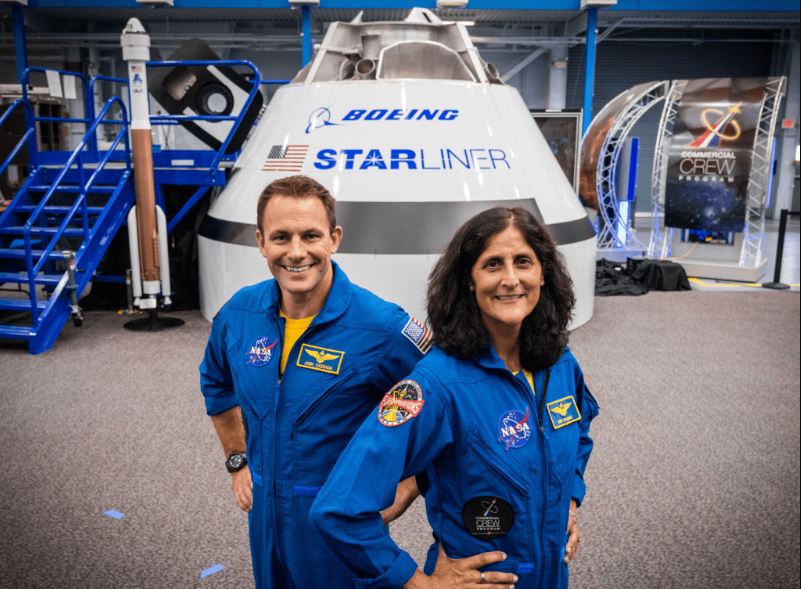
Astronauts Sunita Williams and Butch Wilmore Return to Earth

After an extended mission of 286 days in space, NASA astronauts Sunita Williams and Butch Wilmore safely returned to Earth on March 18, 2025. Their journey back marked the conclusion of an extraordinary mission aboard the International Space Station (ISS).

Key Highlights:

  • Mission Duration: Originally planned as an eight-day mission starting in June 2024, their stay was extended due to technical issues with the Boeing Starliner capsule.
  • Return Journey: The astronauts traveled aboard SpaceX’s Crew Dragon capsule, which successfully splashed down in the Gulf of Mexico off the Florida coast.
  • Achievements: During their extended mission, the duo conducted critical scientific experiments, performed equipment repairs, and participated in spacewalks. Sunita Williams set a record for the most career spacewalking time by a female astronaut, logging 62 hours over nine excursions.

Raisina Dialogue 2025: A Global Confluence of Ideas

The 10th edition of the Raisina Dialogue, India’s premier conference on geopolitics and geoeconomics, took place from March 17 to March 19, 2025, in New Delhi. Organized by the Observer Research Foundation (ORF) in collaboration with the Ministry of External Affairs, this flagship event brought together leaders, policymakers, and experts from around the world to address pressing global challenges.

Key Highlights:

  • Theme: The 2025 edition was centered around the theme “Kālachakra – People, Peace, and Planet”, emphasizing the interconnectedness of humanity, sustainability, and global harmony.
  • Inauguration: The event was inaugurated by Indian Prime Minister Narendra Modi, with New Zealand Prime Minister Christopher Luxon as the chief guest, who delivered the keynote address.
  • Participation: Over 3,500 participants from 125 countries, including ministers, former heads of state, military commanders, industry leaders, academics, and youth, engaged in vibrant discussions.
  • Thematic Pillars: The dialogue revolved around six key areas:
  1. Politics Interrupted: Shifting political dynamics and rising global challenges.
  2. Resolving the Green Trilemma: Addressing environmental sustainability.
  3. Digital Planet: Governance in the digital age.
  4. Militant Mercantilism: Trade, supply chains, and economic resilience.
  5. The Tiger’s Tale: Reimagining development strategies.
  6. Investing in Peace: Leadership and institutions driving global peace.

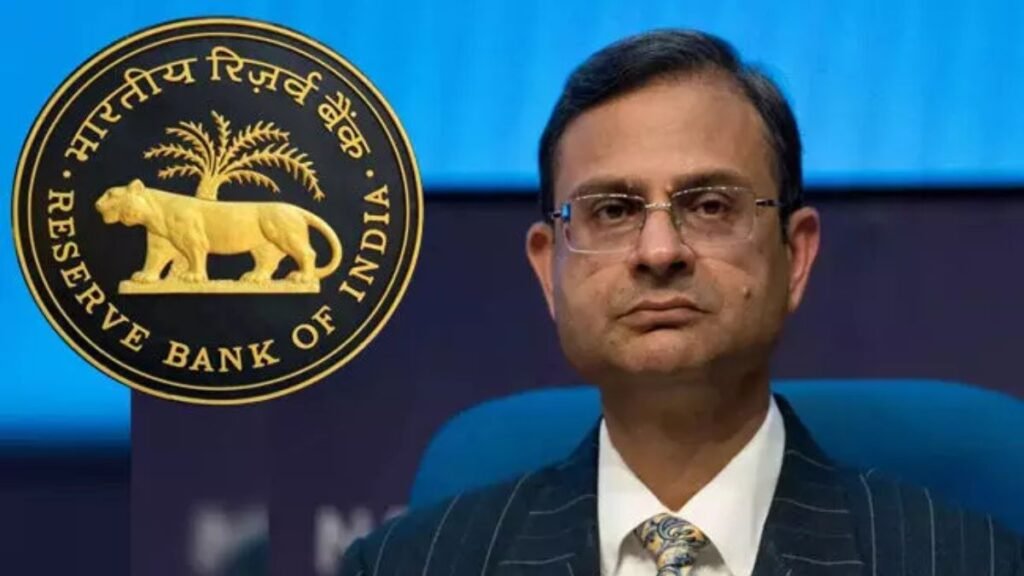
RBI Wins Prestigious Digital Transformation Award 2025

The Reserve Bank of India (RBI) has been honored with the Digital Transformation Award 2025 by Central Banking, London, in recognition of its groundbreaking digital initiatives, Sarthi and Pravaah.

Key Highlights:

  • Sarthi, launched in January 2023, revolutionized RBI’s internal workflows by digitizing document sharing, enhancing data analysis, and improving record management across its vast network.
  • Pravaah, introduced in May 2024, streamlined external regulatory applications, offering real-time tracking and analytics for over 70 regulatory processes.

These initiatives have significantly reduced paper-based submissions, increased efficiency, and modernized RBI’s operations, making it one of the most digitally advanced central banks globally. The award reflects RBI’s commitment to innovation and its vision of a future-proof financial ecosystem.

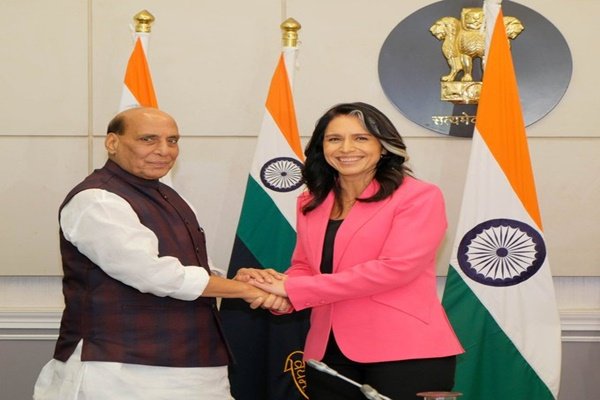
US Director of National Intelligence Tulsi Gabbard’s Visit to India

From March 16 to March 18, 2025, US Director of National Intelligence Tulsi Gabbard visited India, marking a significant step in enhancing bilateral relations between the two nations.

Key highlights of the visit:

  • March 16, 2025: Gabbard arrived in New Delhi and held discussions with National Security Advisor Ajit Doval, focusing on intelligence-sharing, cybersecurity, and counter-terrorism strategies.
  • March 17, 2025: Gabbard met with Defence Minister Rajnath Singh to explore ways to bolster defense and security ties. Later, she had a meeting with Prime Minister Narendra Modi, where they exchanged symbolic gifts—Gangajal and a Tulsi Mala—emphasizing cultural and diplomatic goodwill.
  • March 18, 2025: Gabbard participated in the Raisina Dialogue, delivering a keynote address on global security challenges and the importance of India-US collaboration.

This visit underscored:

  • Strengthening intelligence cooperation and defense relations.
  • Addressing emerging threats in cybersecurity and artificial intelligence.
  • Enhancing the India-US strategic partnership in the Indo-Pacific region.

New Zealand PM Christopher Luxon’s India Visit

From March 16 to March 20, 2025, New Zealand Prime Minister Christopher Luxon embarked on a significant five-day visit to India, marking a new chapter in the bilateral relationship between the two nations.

Key highlights of the visit:

  • March 17, 2025: PM Luxon held wide-ranging discussions with Indian Prime Minister Narendra Modi in New Delhi, focusing on trade, economic ties, and regional security. He also attended the inaugural session of the prestigious Raisina Dialogue as the chief guest.
  • March 19-20, 2025: Luxon visited Mumbai, where he engaged with business leaders and promoted trade and investment opportunities.

This visit emphasized:

  • Launching negotiations for a Free Trade Agreement (FTA).
  • Facilitating the mobility of professionals and skilled workers.
  • Strengthening collaboration in defense, education, and disaster resilience.
  • Addressing shared concerns about China’s influence in the Indo-Pacific region.

ISRO conducts flight acceptance hot test of Cryogenic Engine for LVM3 launch vehicle 

ISRO has successfully completed the flight acceptance hot test of the cryogenic engine for the LVM3-M6 mission at the ISRO Propulsion Complex, Mahendragiri, Tamil Nadu.

The LVM3 (Launch Vehicle Mark-3) is a three-stage medium-lift launch vehicle, and each mission’s cryogenic engine undergoes hot testing before flight.

ISRO stated that an innovative test method has reduced setup time and effort, enabling faster delivery of cryogenic stages.

The CE20 engine performed as expected, meeting all test objectives. It will now be integrated into the Cryogenic Upper Stage of the LVM3-M6 mission, set for the second half of 2025.

Mumbai Indians Win Their Second Women’s Premier League Title

The Mumbai Indians have won their second Women’s Premier League title! In an exciting final, they beat the Delhi Capitals by 8 runs on 16 March 2025 at the Brabourne Stadium in Mumbai.

Key highlights:

  • Harmanpreet Kaur led from the front with a scintillating 66 off 44 balls, anchoring Mumbai’s innings to a competitive 149/7.
  • Nat Sciver-Brunt showcased her all-round brilliance, contributing 30 runs and taking 3 crucial wickets.
  • Despite a valiant effort by Marizanne Kapp (40 off 26 balls), the Delhi Capitals fell short, finishing at 141/9.

Kabaddi World Cup 2025 begin on 17 March 2025 in England

The Kabaddi World Cup 2025 will begin on 17 March 2025 in England. The Indian Men’s team will start their campaign against Italy in Wolverhampton at 5:30 PM IST.

The tournament will last seven days, featuring over 60 matches in Birmingham, Coventry, Walsall, and Wolverhampton (West Midlands, UK).

  • The Men’s competition has 10 teams, divided into Group A and Group B. India is in Group B with Italy, Scotland, Wales, and China.
  • The Women’s competition has six teams, divided into Group D and Group E. India is in Group D with Wales and Poland.

This is the second edition of the World Kabaddi-hosted Kabaddi World Cup. In the 2019 inaugural edition (Malaysia), India won both the men’s and women’s titles.

This is also the first time the tournament is hosted outside Asia. Notably, this event is different from the IKF Kabaddi World Cup, which has always been held in India.

World Consumer Rights Day 2025 : 15 March

World Consumer Rights Day 2025 was observed on 15 March to highlight the importance of consumer rights and protection. The theme for 2025 is “A Just Transition to Sustainable Lifestyles.”

The Government of India has implemented several measures to protect consumer rights and ensure quick grievance redressal. The Jaago Grahak Jaago campaign raises consumer awareness, and the National Consumer Helpline collaborates with over 1,000 companies for faster complaint resolution.

To tackle unfair trade practices in e-commerce, the Consumer Protection (E-commerce) Rules, 2020 outline responsibilities and liabilities for marketplace and inventory-based e-commerce platforms, ensuring proper grievance redressal mechanisms.

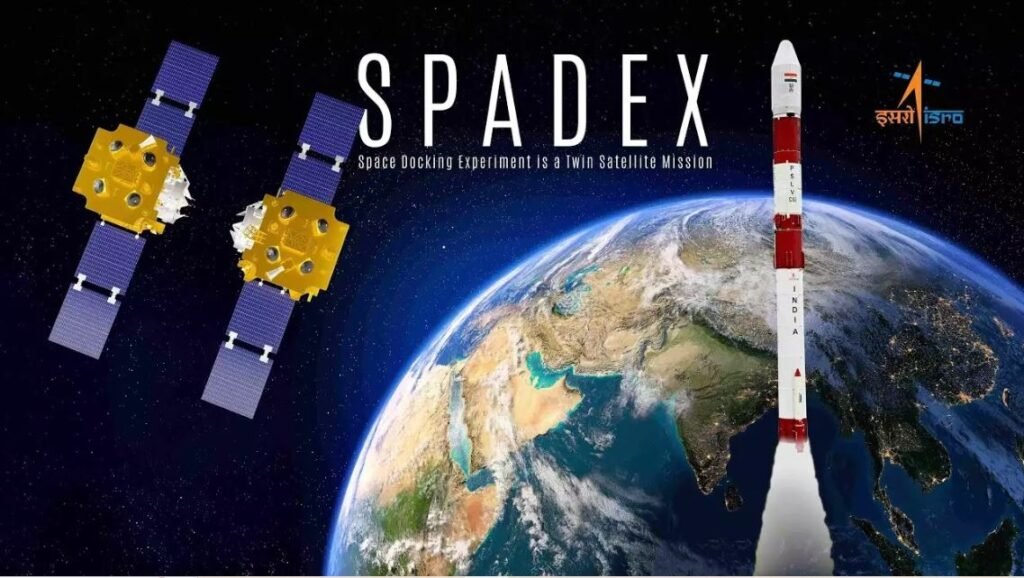
ISRO completes SpaDEx Undocking Experiment

The Indian Space Research Organisation (ISRO) successfully completes the undocking experiment under the Space Docking Experiment (SpaDEx) mission. This marks a significant milestone in developing autonomous docking and undocking technologies, essential for future space stations, deep-space missions, and satellite servicing.

Key Highlights of SpaDEx Mission:

Satellites Involved: SDX-01 (Chaser) & SDX-02 (Target)
Undocking Date: March 13, 2025
Orbit Altitude: 460 km with 45° inclination
Successful power transfer between satellites before undocking – a crucial step for long-term space operations

This accomplishment places India alongside global space leaders like the United States, Russia, and China, proving ISRO’s technical excellence in orbital docking and separation.

Future Missions Boosted by SpaDEx

Union Minister Dr. Jitendra Singh congratulated ISRO, emphasizing that this achievement will pave the way for major upcoming missions, including:
🚀 Bharatiya Antriksh Station (India’s future space station)
🌕 Chandrayaan-4 (Next lunar mission)
👨‍🚀 Gaganyaan (India’s first human spaceflight program)

Holi 2025: India Drenched in Colors, Joy, and Unity!

The festival of colors, Holi, was celebrated with immense enthusiasm across India on 14 March 2025. Streets were filled with vibrant hues, people danced to festive beats, and traditional sweets added to the joy of the occasion.

🌸 Highlights from Across India:

🔹 Uttar Pradesh: From Braj Mandal to Ayodhya Dham, Holi was celebrated with grandeur. CM Yogi Adityanath, while flagging off the Bhagwan Nrisinh Vishwa Yatra in Gorakhpur, emphasized that festivals should symbolize harmony, peace, and equality.

🔹 Unity in Diversity: People from all communities—Hindus, Muslims, and Sikhs—joined the celebrations, applying colors, dancing together, and sharing sweets, showcasing India’s cultural harmony.

🔹 Security Forces Join the Festivities: The Army, BSF, and CRPF personnel celebrated Holi even at forward locations, adding warmth and joy to the occasion.

SpaceX-NASA Crew-10 Mission Launched to bring back astronauts Sunita Williams and Butch Wilmore

SpaceX and NASA have launched the Crew-10 mission to bring back US astronauts Sunita Williams and Butch Wilmore, who have been stranded on the International Space Station (ISS) for nine months.

🔹 Launch Date: 14 March 2025
🔹 Rocket: Falcon 9
🔹 Spacecraft: Dragon
🔹 Mission: Crew-10

This mission not only aims to rescue Williams and Wilmore but also delivers four new astronauts to the ISS:
Anne McClain & Nichole Ayers (NASA)
Takuya Onishi (JAXA – Japan)
Kirill Peskov (Roscosmos – Russia)

Why Were Williams & Wilmore Stranded?

🛰️ They arrived at the ISS in June 2024 aboard Boeing’s Starliner capsule, which was meant to be a short test flight.
⚠️ However, helium leaks & thruster failures led to months of investigation, delaying their return.

NASA & Boeing’s Efforts

After extensive analysis, NASA and Boeing, along with SpaceX, devised a solution to safely return the astronauts. The Crew-10 mission is a significant step in ensuring the success of future space operations.

India Successfully Tests Astra BVRAAM from LCA AF MK1 Prototype

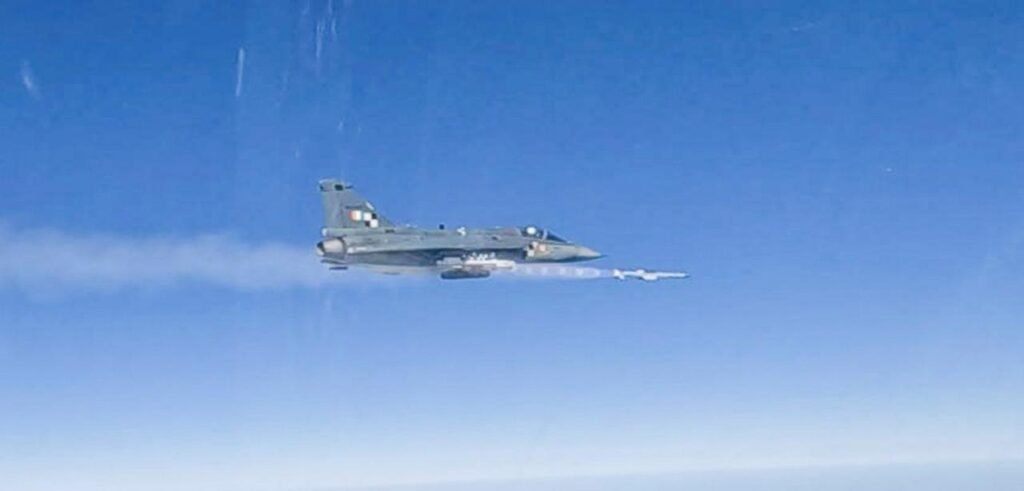
India has achieved a major milestone in its defense capabilities with the successful test launch of the Astra Beyond Visual Range Air-to-Air Missile (BVRAAM) from the Light Combat Aircraft (LCA) AF MK1 prototype on 12 March 2025. The test was conducted off the coast of Chandipur, Odisha, marking a significant step toward the advancement of India’s indigenous defense technology.

Astra Missile Test: A Remarkable Success

The Astra missile, developed by the Defence Research and Development Organisation (DRDO), successfully hit a flying target with pinpoint accuracy, demonstrating its advanced capabilities. All subsystems performed optimally, meeting the mission’s parameters and objectives.

Key Features of Astra Missile:

Beyond Visual Range (BVR): Engages targets over 100 km away.
Advanced Guidance & Navigation: Ensures high precision and effectiveness.
Enhances IAF’s Combat Readiness: Already inducted into the Indian Air Force (IAF).

A Step Toward LCA AF MK1A Induction

This successful test is a crucial step toward the induction of the LCA AF MK1A variant, reinforcing India’s commitment to strengthening its indigenous defense systems. The achievement was made possible by the dedicated efforts of ADA, DRDO, Hindustan Aeronautics Limited (HAL), CEMILAC, DG-AQA, IAF, and the test range team.

Leaders Applaud the Achievement

Defence Minister Rajnath Singh congratulated the teams involved, while Dr. Samir V. Kamat, Chairman of DRDO, praised the collaborative efforts of scientists, engineers, and technicians from multiple organizations and industries.

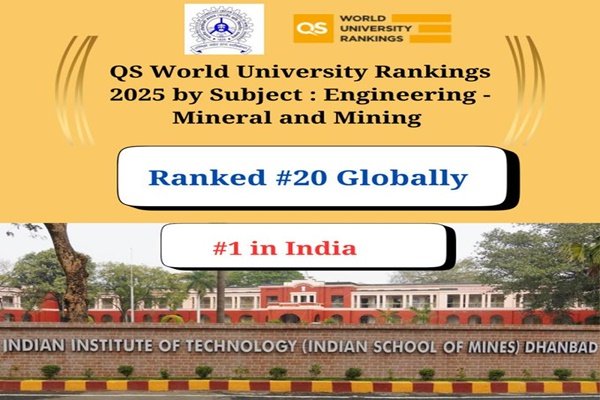
Nine Indian Universities Among World’s Top 50 in QS Subject Rankings 2025

India has made a remarkable achievement in the QS World University Rankings by Subject 2025, with nine prestigious universities securing positions among the world’s top 50 across various disciplines. According to the 15th edition of the QS rankings, announced on March 12, 2025, India celebrates 12 top 50 positions across different subjects and faculty areas.

Top Indian Universities in QS Subject Rankings 2025

Leading the way is the Indian School of Mines (ISM) Dhanbad, which ranks 20th globally in Engineering-Mineral and Mining, making it the highest-ranked subject area for India.

Other notable rankings include:

  • IIT Bombay28th position in Engineering-Mineral and Mining
  • IIT Kharagpur45th position in Engineering-Mineral and Mining
  • IIT Delhi26th position in Engineering and Technology
  • IIT Bombay28th position in Engineering and Technology
  • IIM Ahmedabad27th position in Business and Management Studies
  • IIM Bangalore40th position in Business and Management Studies
  • IIT Madras – Featured in the top 50 for Petroleum Engineering
  • Jawaharlal Nehru University (JNU) – Featured in the top 50 for Development Studies

India’s Higher Education Growth Reflected in QS Rankings

QS reports that a total of 79 Indian universities, 10 more than last year, have been featured 533 times across the 2025 QS subject rankings. This marks a 25.7% increase compared to the previous edition. India ranks 5th globally for the highest number of new entries, following China, the USA, the UK, and South Korea.

This growth highlights India’s expanding higher education ecosystem, both in terms of size and quality. With an increasing number of Indian institutions making their mark globally, the country continues to establish itself as a hub for world-class education and research.

Why These Rankings Matter?

The QS World University Rankings by Subject are highly regarded worldwide and help students, researchers, and academic institutions assess global educational excellence. India’s strong performance reflects improving academic standards, enhanced research output, and growing global recognition of its institutions.

MCQs on QS World University Rankings 2025

Q: According to the QS World University Rankings by Subject 2025, how many Indian universities are among the world’s top 50?

a) 5
b) 7
c) 9
d) 12

Answer: c) 9

Q: Which Indian institution secured the highest rank in the QS Subject Rankings 2025?

a) IIT Bombay
b) IIT Delhi
c) Indian School of Mines (ISM) Dhanbad
d) IIM Ahmedabad

Answer: c) Indian School of Mines (ISM) Dhanbad

Q: Which two IITs ranked in the top 50 for Engineering and Technology?

a) IIT Madras and IIT Delhi
b) IIT Kharagpur and IIT Roorkee
c) IIT Delhi and IIT Bombay
d) IIT Kanpur and IIT Guwahati

Answer: c) IIT Delhi and IIT Bombay

Q: Which Indian institutions ranked in the top 50 for Business and Management Studies?

a) IIM Ahmedabad and IIM Bangalore
b) IIT Delhi and IIT Bombay
c) IIM Calcutta and IIM Indore
d) IIT Madras and IIT Kanpur

Answer: a) IIM Ahmedabad and IIM Bangalore

Atul Kumar Goel assumes charge of Chief Executive (CE) of the Indian Banks’ Association (IBA)

Atul Kumar Goel assumed the role of Chief Executive (CE) of the Indian Banks’ Association (IBA) on March 11, 2025. With a distinguished career spanning over three decades in the banking sector, Goel brings a wealth of experience and expertise to his new position.

Prior to this appointment, Goel served as the Managing Director (MD) and Chief Executive Officer (CEO) of Punjab National Bank (PNB) from February 2022 to December 2024. He also held the position of Chairman of the IBA for two consecutive terms, from 2021 to 2022 and again from 2022 to 2023. His predecessor, Sunil Mehta, also had a notable tenure as MD & CEO of PNB and Chairman of the IBA.

Goel’s extensive banking experience includes key roles at Allahabad Bank (now Indian Bank), Union Bank of India, and UCO Bank. As a qualified Chartered Accountant, he has demonstrated exceptional leadership and strategic vision throughout his career.

The IBA, under Goel’s leadership, is expected to continue its mission of representing and advocating for the banking industry in India, addressing key issues, and fostering collaboration among member banks.

India’s Web3 Ecosystem Surges with 4.7 Million New Developers in 2024

India is rapidly emerging as a global leader in Web3, with a report (March 2025) predicting it will become the largest hub for Web3 developers by 2028.

The ‘India Web3 Landscape’ report by Hashed Emergent highlights that in 2024, 4.7 million Indian developers joined GitHub, accounting for 17% of all new Web3 developers globally, making India the second-largest base for crypto developers.

Key development areas include gaming, NFTs, DeFi, and RWAs. Over half of Indian Web3 developers joined in the past two years, and most are under 27 years old.

Hackathons and university partnerships in Odisha, Bhubaneswar, Chennai, and Kerala are helping introduce blockchain technology to students.

India ranks third globally in Web3 startup founders, with over 1,200 startups. Investor confidence has surged, with a 109% increase in funding in 2024, totaling $564 million.

The report highlights AI, RWAs, and staking solutions as major investment drivers, with both global and local venture capital firms heavily investing in Layer 1 and Layer 2 blockchain projects.

Scroll to Top