Author name: Ajay Gulia

"Ajay Kumar Gulia is the lead editor at gknow.in. With a deep background in competitive exam coaching, he has helped thousands of students stay updated with daily current affairs. He meticulously vets every MCQ to ensure it meets the standards of UPSC and SSC boards."

Arihant GK 2025 PDF – Free Download (English & Hindi)

Arihant GK 2025 : General Knowledge book PDF – Free Download (English & Hindi)

Are you preparing for competitive exams like UPSC, SSC, Banking, Railway, State PCS, NDA, CDS, or other government jobs? One of the most recommended books for general awareness is the Arihant General Knowledge Book 2025.

This book is trusted by lakhs of aspirants every year for its updated content, easy language, and exam-relevant topics. It covers almost every section you need for static and current GK.

If you’re searching for a free PDF version of Arihant GK Book 2025, your search ends here!


🔍 About Arihant General Knowledge Book

Published by Arihant Publications, this book has become a go-to resource for competitive exam aspirants due to its:

  • Comprehensive coverage of important topics.
  • Concise theory and factual data.
  • Regular updates as per latest exam patterns.
  • Availability in both English and Hindi mediums.

📚 Book Details

Book NameArihant General Knowledge 2025
LanguageEnglish & Hindi
FormatPDF
Useful forSSC, UPSC, Bank, Railways, Defence, etc.
PublisherArihant Experts
Edition2025 and 2020
Pages160 and 303

📖 Contents / Syllabus Covered

The Arihant GK 2025 book includes the following sections:

  1. Indian History
  2. Geography (India & World)
  3. Indian Polity & Constitution
  4. Indian Economy
  5. General Science (Physics, Chemistry, Biology)
  6. Environment & Ecology
  7. Computer Knowledge
  8. General Knowledge (Miscellaneous facts, important dates, books, awards)
  9. Current Affairs (up to date till 2025)

These sections are tailored to match the latest trends of government examinations.


🌟 Key Features

  • 🧠 Clear and concise theory for quick understanding
  • 📊 Updated data and facts relevant to 2025 exams
  • 📝 Practice questions after every topic
  • 🌐 Available in both English and Hindi
  • 🔍 Ideal for quick revision and long-term preparation

📥 Download Arihant General Knowledge 2025 PDF

Get your free copy of the book in your preferred language below:

Download Arihant GK 2025 – English Edition (PDF)
Download Arihant GK 2025 – Hindi Edition (PDF)

⚠️ Disclaimer: This PDF is provided only for educational purposes. We highly encourage students to purchase the official copy to support the publisher.


🎯 Who Should Use This Book?

This book is perfect for aspirants of:

  • UPSC Civil Services (Prelims & Mains)
  • SSC CGL, CHSL, MTS, GD
  • Bank PO, Clerk (IBPS, SBI, RBI)
  • Railways (RRB NTPC, Group D)
  • NDA, CDS, CAPF
  • State PCS & other competitive exams

📌 Final Words

The Arihant General Knowledge Book 2025 is a must-have resource to strengthen your general awareness section. Whether you’re just starting your preparation or revising key topics, this book serves as a reliable companion.


India’s First Onboard ATM Installed on Panchvati Express

Indian Railways has introduced the first-ever onboard ATM on the Panchvati Express running between Manmad and CSMT, Mumbai, as part of a pilot project. The ATM, installed in an air-conditioned chair car coach, was created by converting a mini pantry space with secure fittings and safety measures.

The initiative, led by Railway Minister Ashwini Vaishnaw, aims to enhance passenger convenience and explore new sources of non-fare revenue. If successful, similar ATMs may be introduced on other long-distance and high-traffic trains.

India-Uzbekistan Joint Military Exercise DUSTLIK-6 Begins in Pune

The 6th edition of India-Uzbekistan Joint Military Exercise DUSTLIK-6 began on 16 April 2025 at the Foreign Training Node, Aundh, Pune, Maharashtra. The Indian contingent, represented by a JAT Regiment battalion and the Indian Air Force, is participating alongside personnel from the Uzbekistan Army.

This annual bilateral exercise, held alternately in India and Uzbekistan, aims to strengthen defence cooperation and share best practices in Joint Sub-Conventional Operations. The exercise will continue until 28 April 2025.

Justice B.R. Gavai to Become the 52nd Chief Justice of India

Justice B.R. Gavai recommended as the next Chief Justice of India (CJI) by current CJI Sanjiv Khanna, who retires on May 13, 2025. Justice Gavai, the second-most senior Supreme Court judge, will be sworn in as the 52nd CJI on May 14, 2025.

Born in Amravati, Maharashtra, on November 24, 1960, Justice Gavai began his legal career in 1985 and joined the Supreme Court on May 24, 2019. He played key roles in landmark cases, including those on Article 370 abrogation, electoral bonds, and demonetisation.

He will be the second Dalit Chief Justice of India, after Justice K.G. Balakrishnan. His tenure will end on November 23, 2025. Known for his work in constitutional, administrative, and environmental law, Justice Gavai’s appointment reflects deep judicial experience and dedication to justice.

Record High Cargo Traffic on National Waterways in FY 2024-25

India’s National Waterways achieved a record cargo traffic of 145.5 million tonnes in the Financial Year 2024-25. The Ministry of Ports, Shipping and Waterways highlighted a compound annual growth rate of 20.86% in cargo traffic during the last fiscal year. Additionally, traffic movement in FY 2025 showed a 9.34% year-on-year growth compared to FY 2024. Five major commodities—coal, iron ore, iron ore fines, sand, and fly ash—accounted for over 68% of the total cargo transported on National Waterways.

List of Important Waterways in India:

  1. National Waterway 1 (NW-1): Ganga-Bhagirathi-Hooghly River System (1620 km) – Uttar Pradesh, Bihar, Jharkhand, West Bengal.
  2. National Waterway 2 (NW-2): Brahmaputra River (891 km) – Assam.
  3. National Waterway 3 (NW-3): West Coast Canal (205 km) – Kerala.
  4. National Waterway 4 (NW-4): Kakinada Canal and Godavari-Krishna River System (1095 km) – Andhra Pradesh, Tamil Nadu, Puducherry.
  5. National Waterway 5 (NW-5): Brahmani-Mahanadi Delta Rivers (623 km) – Odisha, West Bengal.

India’s Haj Quota Rises to 1.75 Lakh in 2025, Over 1.22 Lakh Pilgrims Under Main Quota

India’s Haj quota has increased from 1.36 lakh in 2014 to 1.75 lakh in 2025, according to the Ministry of Minority Affairs. In a post on 15 April 2025, the Ministry stated that it is coordinating arrangements for over 1.22 lakh pilgrims this year through the Haj Committee of India under the main quota.

All preparations, including flights, transport, Mina camps, accommodation, and services, have been completed following Saudi Arabian guidelines. The remaining quota has been allocated to private tour operators, and in accordance with new Saudi regulations, over 800 operators have been merged into 26 Combined Haj Group Operators and assigned quotas in advance.

IMD Predicts Above Normal Monsoon for 2025

The India Meteorological Department (IMD) has forecast that the Southwest Monsoon (June–September) 2025 will bring above normal rainfall across most parts of India. However, below normal rainfall is expected in some areas of the North-East, North-West, and South Peninsular India.

IMD Director General Dr. Mrutyunjay Mohapatra stated that El Niño-neutral conditions are likely to prevail during the season. He also noted that northern hemisphere and Eurasian snow cover from January to March 2025 was below normal. Additionally, Dr. M Ravichandran, Secretary of the Ministry of Earth Sciences, warned that heatwave conditions in May and June 2025 are expected to occur twice as frequently as last year.

Magnus Carlsen Wins Freestyle Chess Grand Slam 2025 in Paris

World number one Magnus Carlsen of Norway won the Freestyle Chess Grand Slam 2025 in Paris by defeating American GM Hikaru Nakamura 1.5-0.5, earning $200,000. Nakamura secured second place with $140,000. Fabiano Caruana beat Vincent Keymer for third place, winning $100,000 and a spot in the Las Vegas Grand Slam.

Indian GM Arjun Erigaisi claimed fifth place with a 1.5-0.5 win over France’s Maxime Vachier-Lagrave, earning $50,000. Arjun will next compete at the Grenke Freestyle Open starting April 17.

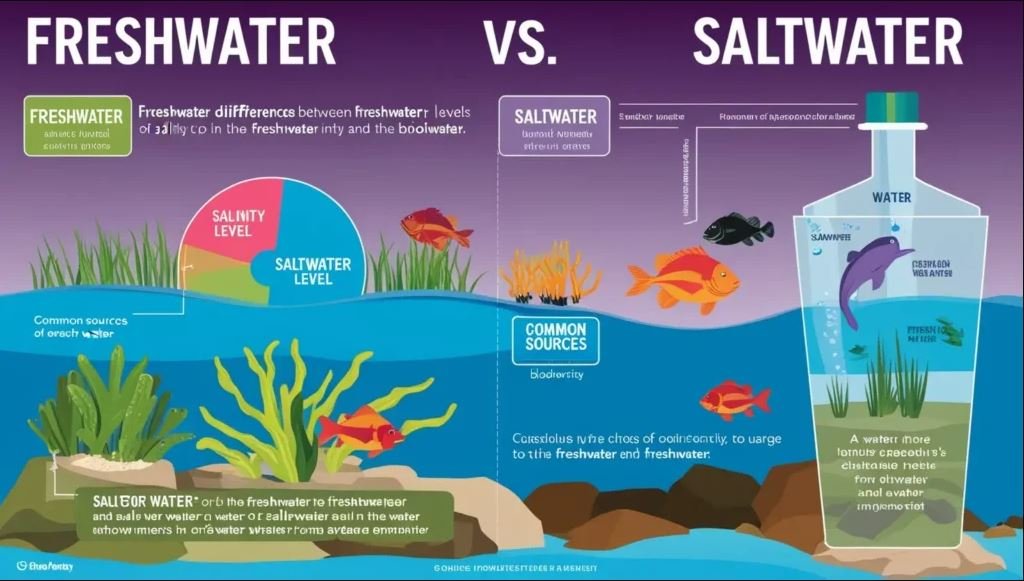
Freshwater vs Saltwater Ecosystems: Key Differences Explained

Nature is home to a wide variety of ecosystems, each supporting unique life forms. Among the most essential are freshwater and saltwater ecosystems. While they both play critical roles in the environment, they differ greatly in their composition, biodiversity, and function.

In this article, we’ll explore the differences between freshwater and saltwater ecosystems, their characteristics, and why they are vital for life on Earth.


🌊 What Is an Ecosystem?

An ecosystem is a community of living organisms interacting with their environment. These systems include both biotic (plants, animals, microorganisms) and abiotic (water, soil, sunlight) components that work together in balance.

Ecosystems can be:

  • Terrestrial (land-based)
  • Aquatic (water-based)

This article focuses on aquatic ecosystems, specifically comparing freshwater and saltwater types.


💧 What Are Freshwater Ecosystems?

Freshwater ecosystems contain water with low salt concentration—usually less than 1%. They are found in:

  • Rivers
  • Lakes
  • Ponds
  • Streams
  • Wetlands

Key Features of Freshwater Ecosystems:

  • Low salinity levels
  • Often surrounded by land
  • Water is constantly moving (especially in rivers and streams)
  • Smaller in size compared to oceans

Examples of Freshwater Life:

  • Frogs, turtles, freshwater fish (like trout and catfish)
  • Insects like dragonflies and mosquitoes
  • Aquatic plants such as lilies and reeds

🌊 What Are Saltwater Ecosystems?

Saltwater ecosystems, also known as marine ecosystems, include oceans and seas. They cover about 70% of Earth’s surface and contain high levels of salt—around 3.5%.

These ecosystems are found in:

  • Oceans
  • Seas
  • Coral reefs
  • Estuaries (where freshwater meets saltwater)

Key Features of Saltwater Ecosystems:

  • High salinity levels
  • Vast and deep environments
  • Tides and ocean currents
  • More stable temperatures due to size

Examples of Saltwater Life:

  • Dolphins, whales, sharks, sea turtles
  • Coral, seaweed, plankton
  • Crabs, lobsters, jellyfish

🔍 Freshwater vs Saltwater Ecosystems: A Comparison Table

FeatureFreshwater EcosystemsSaltwater Ecosystems
SalinityLow (<1%)High (~3.5%)
Main LocationsRivers, lakes, pondsOceans, seas, coral reefs
BiodiversityFewer speciesGreater species variety
Water MovementFlowing or stillTides and strong currents
Plant LifeLilies, reeds, algaeSeaweed, phytoplankton
Animal LifeFrogs, trout, insectsDolphins, whales, sharks

🌱 Why These Ecosystems Matter

Both ecosystems are crucial for:

  • Biodiversity: Providing habitats for thousands of species.
  • Climate Regulation: Oceans help regulate Earth’s temperature.
  • Water Cycle: Freshwater bodies play a key role in precipitation and irrigation.
  • Human Life: Source of drinking water, food, recreation, and livelihood.

✅ Conclusion

Understanding the differences between freshwater and saltwater ecosystems helps us appreciate the complexity and importance of Earth’s aquatic life. From the quiet banks of a river to the crashing waves of the sea, both ecosystems sustain life in powerful and interconnected ways.

Let’s do our part to protect these valuable ecosystems—because when they thrive, we all benefit.


Ocean vs Sea: Understanding the Key Differences

Discover the differences between oceans and seas, from size and depth to biodiversity and human impact. Get clarity in this easy-to-read guide!


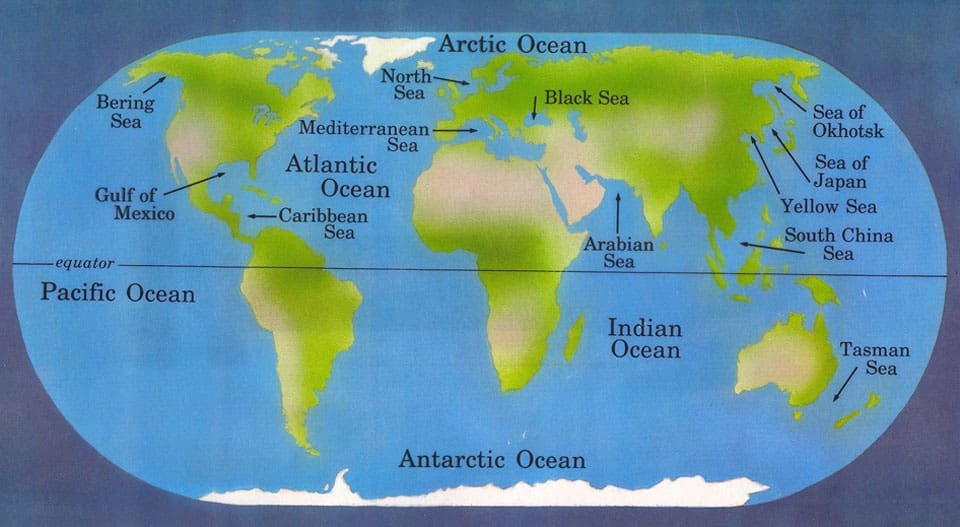
When gazing at a world map, the vast blue expanses labeled “oceans” and “seas” might seem interchangeable. But are they really the same? While both are saltwater bodies critical to Earth’s ecosystems, oceans and seas have distinct characteristics. Let’s dive into their differences and unravel what sets them apart.

What is an Ocean?

Oceans are the planet’s largest water bodies, covering over 70% of Earth’s surface. They’re divided into five major basins:

  1. Pacific Ocean (largest and deepest)
  2. Atlantic Ocean
  3. Indian Ocean
  4. Southern Ocean
  5. Arctic Ocean (smallest and shallowest)

Oceans regulate global climate, house diverse marine life, and connect continents. Their average depth is about 3,700 meters, with the Mariana Trench in the Pacific plunging to 11,000 meters—the deepest point on Earth.

What is a Sea?

Seas are smaller, partially enclosed by land, and often located where oceans meet continents. Examples include:

  • Mediterranean Sea (connected to the Atlantic)
  • Caribbean Sea (part of the Atlantic)
  • South China Sea (marginal sea in the Pacific)

There are about 50 seas worldwide. Some, like the Sargasso Sea, are entirely ocean-bound, defined by currents rather than land.


Key Differences Between Oceans and Seas

1. Size and Scale

  • Oceans are enormous, with the Pacific spanning 165 million sq km.
  • Seas are far smaller—the largest, the Philippine Sea, covers 5 million sq km.

2. Depth

  • Oceans average 3,700 meters deep.
  • Seas are shallower; the Caribbean Sea averages 2,200 meters.

3. Location and Borders

  • Oceans are open and unbounded by land.
  • Seas are often enclosed by coastlines or island chains (e.g., the Red Sea).

4. Biodiversity

  • Seas may have richer biodiversity due to sunlight penetration and nutrient-rich coastal waters (e.g., Coral Reefs in the Arabian Sea).
  • Oceans host unique deep-sea ecosystems, like hydrothermal vent communities.

5. Human Use

  • Seas are hubs for trade, tourism, and fishing (e.g., Mediterranean trade routes).
  • Oceans facilitate global shipping and contain resources like offshore oil.

Quick Comparison Table

FeatureOceanSea
SizeLarger (e.g., Pacific)Smaller (e.g., Baltic)
DepthDeeperShallower
BordersOpen, unboundedOften land-enclosed
Number5~50
ExampleIndian OceanMediterranean Sea

FAQs About Oceans and Seas

  1. Is a sea part of an ocean?
    Yes! Most seas are sections of oceans, partially enclosed by land.
  2. Can a sea exist without an ocean?
    Rarely. The Caspian Sea is technically a lake, not a true sea.
  3. Why are some water bodies called “seas”?
    Naming often reflects historical or cultural terms (e.g., the Dead Sea, which is a salt lake).

Final Thoughts

While oceans and seas both play vital roles in Earth’s health, their differences in size, depth, and location shape how humans and ecosystems interact with them. Next time you spot a sea on a map, you’ll know it’s a smaller, land-adjacent cousin of the mighty oceans!


QNu Labs Launches World’s First Unique Platform, Q-Shield, to Protect Critical Infrastructure

QNu Labs, a startup selected under the National Quantum Mission by the Department of Science and Technology (DST), has launched the world’s first platform, Q-Shield, on World Quantum Day. This innovative platform allows enterprises to protect critical infrastructure and manage cryptography seamlessly across various environments, including cloud, on-premises, and hybrid.

The platform offers multiple services such as Qosmos for key generation, QConnect for secured connectivity, and QVerse for secured collaboration. The launch marks another milestone in India’s journey toward global leadership in quantum technology. Incubated at IIT Madras Research Park in 2016, QNu Labs is now revolutionizing cybersecurity with quantum-safe solutions, positioning India as a key player in quantum cryptography.

Daniel Noboa Re-elected as Ecuador’s President for second four-year term

Daniel Noboa, the incumbent President of Ecuador, has won a second four-year term by securing 55.85% of the vote against his left-wing opponent, Luisa González. The 37-year-old right-wing leader described his re-election as historic and pledged to continue his administration’s war on drugs.

Ecuador faces one of the highest homicide rates in South America. While President Noboa has achieved some reduction in crime, his military presence on the streets and the construction of high-security prisons have also led to a rise in violence, highlighting the complex challenges of his anti-drug campaign.

Khelo India Youth Games 2025 to Be Hosted in Bihar: Dates, Mascot & Key Highlights

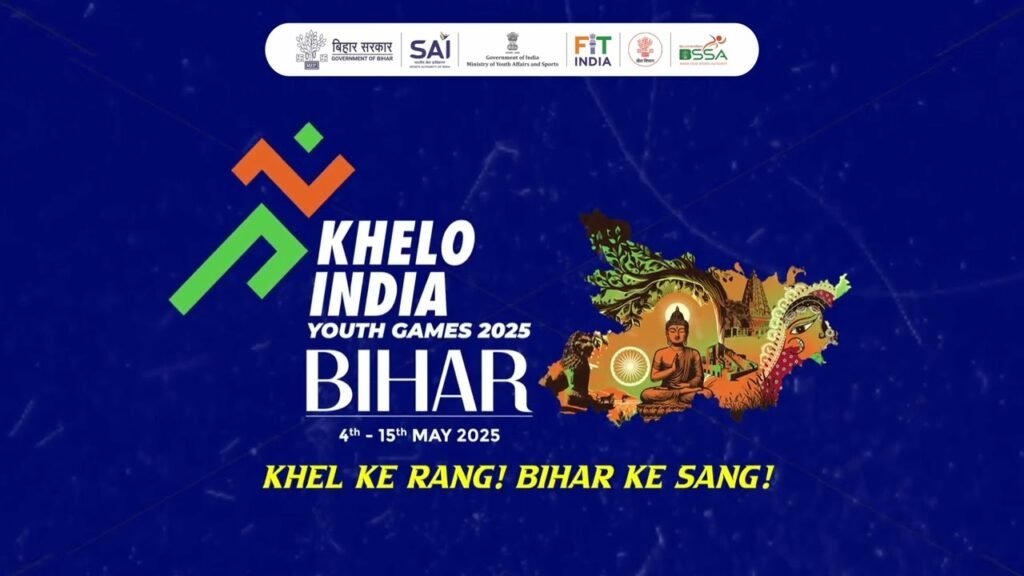
Bihar will host the 7th edition of the Khelo India Youth Games 2025 from 4th to 15th May across cities like Patna, Gaya, Rajgir, Begusarai, and Bhagalpur. The mascot “Gajsimha”, symbolizing the strength of an elephant and the courage of a lion, was unveiled along with the logo by Chief Minister Nitish Kumar and Union Sports Minister Dr. Mansukh Mandaviya. The mascot is inspired by the Pala dynasty’s heritage from Nalanda and Bodhgaya, while the logo reflects Bihar’s rich culture and the enthusiasm of youth, using vibrant orange.

Over 8,500 athletes and 10,000 delegates are expected to participate, making it the second-largest sporting event in India after the National Games. The games will feature 27 sports disciplines, including traditional events like Malkhamb, along with volleyball, football, basketball, boxing, kabaddi, and 18 events in Athletics and Sepak Takraw.

Katy Perry Among First All-Women Tourist Crew to Fly to Space with Blue Origin

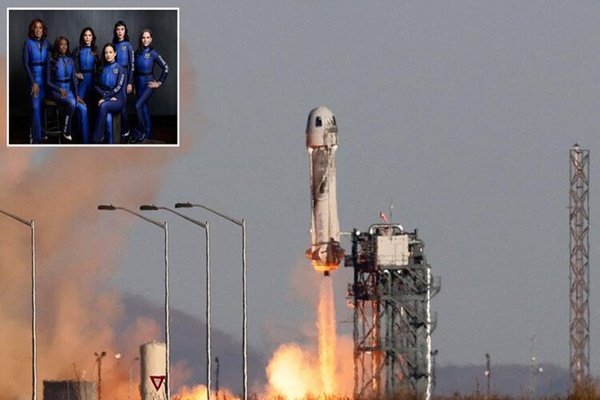
On 14 April 2025, six women, including singer Katy Perry, successfully completed a short space tourism flight aboard Blue Origin’s New Shepard NS-31 spacecraft. The rocket launched from western Texas around 7 PM IST, reaching over 100 kilometers above Earth, past the Karman line—the boundary of space. The fully automated flight lasted about 10 minutes, with the crew capsule safely parachuting back to the Texas desert.

This was the first all-women tourist spaceflight since Valentina Tereshkova’s solo mission in 1963. The crew included Gayle King, Kerianne Flynn, Aisha Bowe, Amanda Nguyen, and Lauren Sánchez. New Shepard, developed by Jeff Bezos’s Blue Origin, is a reusable sub-orbital vehicle named after astronaut Alan Shepard.

Nicknames of Famous Personalities PDF

Nicknames of Famous Indian Personalities GK PDF in Hindi and English for free download.

प्रसिद्ध भारतीय व्यक्तित्वों और उनके उपनाम – PDF डाउनलोड करें (Hindi & English)

📚 पुस्तक का नाम: प्रसिद्ध भारतीय व्यक्तित्वों और उनके उपनामों की सूची
📝 Source: GK Now
🗣️ माध्यम: हिंदी व अंग्रेज़ी (Hindi & English)
📄 कुल पृष्ठ: 9
🎯 उपयोगिता: UPSC, SSC, रेलवे, बैंकिंग, और अन्य सभी प्रतियोगी परीक्षाओं के लिए अत्यंत उपयोगी सामान्य ज्ञान जानकारी


📖 इस PDF में क्या मिलेगा?

  • 🇮🇳 प्रसिद्ध भारतीय नेता और उनके उपनाम
  • 🏏 प्रसिद्ध खिलाड़ी और उनकी उपाधियाँ
  • 🎨 साहित्य, कला, और विज्ञान से जुड़े महान व्यक्तित्व
  • 💡 परीक्षा में पूछे गए उपनामों की सूची (Past Year Based)
  • हिंदी और अंग्रेज़ी दोनों भाषाओं में सरल और स्पष्ट प्रस्तुति

📥 डाउनलोड करें: Nicknames of Famous Personalities PDF

🔗 Download – प्रसिद्ध भारतीय व्यक्तित्वों और उनके उपनामों की सूची (PDF)
🔗 Download – Famous Indian Personalities and Their Nicknames (PDF)


⚠️ डिस्क्लेमर:

यह PDF पहले से इंटरनेट पर सार्वजनिक रूप से उपलब्ध है। हम केवल छात्रों की सुविधा के लिए इसका लिंक साझा कर रहे हैं। इसका स्वामित्व GK Now या मूल प्रकाशक के पास है। अगर आपको किसी प्रकार की आपत्ति हो तो कृपया हमसे संपर्क करें।

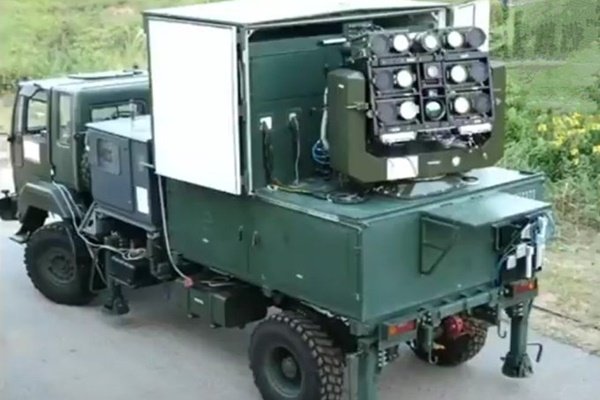
India Demonstrates Laser Weapon System, Joins Elite Global Powers

For the first time, India has successfully demonstrated a 30-kilowatt laser-based weapon system, capable of shooting down fixed-wing aircraft, missiles, and swarm drones. With this achievement, India joins an elite group of countriesthe US, China, and Russia—that have demonstrated such Directed Energy Weapon (DEW) capabilities.

The Centre for High Energy Systems & Sciences (CHESS), under DRDO, conducted the field demonstration of the land-based, vehicle-mounted Laser Directed Weapon DEW MK-II(A) at Kurnool, Andhra Pradesh.

The system successfully disabled surveillance sensors and caused structural damage to fixed-wing UAVs and swarm drones. DRDO Chairman Dr. Samir V. Kamat called it just the beginning, highlighting ongoing projects in high-energy microwaves, electromagnetic pulses, and other futuristic Star Wars-like defense technologies.

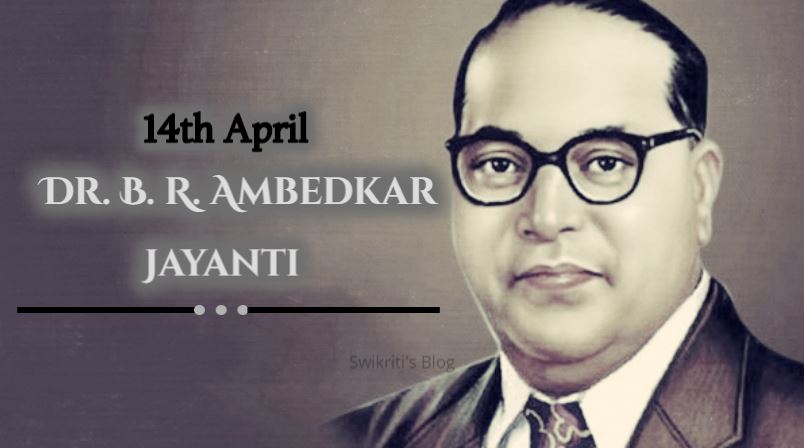
Dr. B.R. Ambedkar’s 134th Birth Anniversary on April 14

Dr. Bhimrao Ramji Ambedkar, fondly called Babasaheb, is being honored across India on his 134th birth anniversary. Born on April 14, 1891, Ambedkar was the chief architect of the Indian Constitution and a champion of social justice.

Rising from humble beginnings, he became a social reformer, economist, politician, and a symbol of hope for marginalized communities. Ambedkar’s lifelong fight against social and caste discrimination led to a Constitution rooted in justice, liberty, equality, and fraternity.

An accomplished scholar, he earned degrees from Columbia University and the London School of Economics. Across the country, people celebrate his legacy through cultural events, processions, and discussions on equality and inclusion.

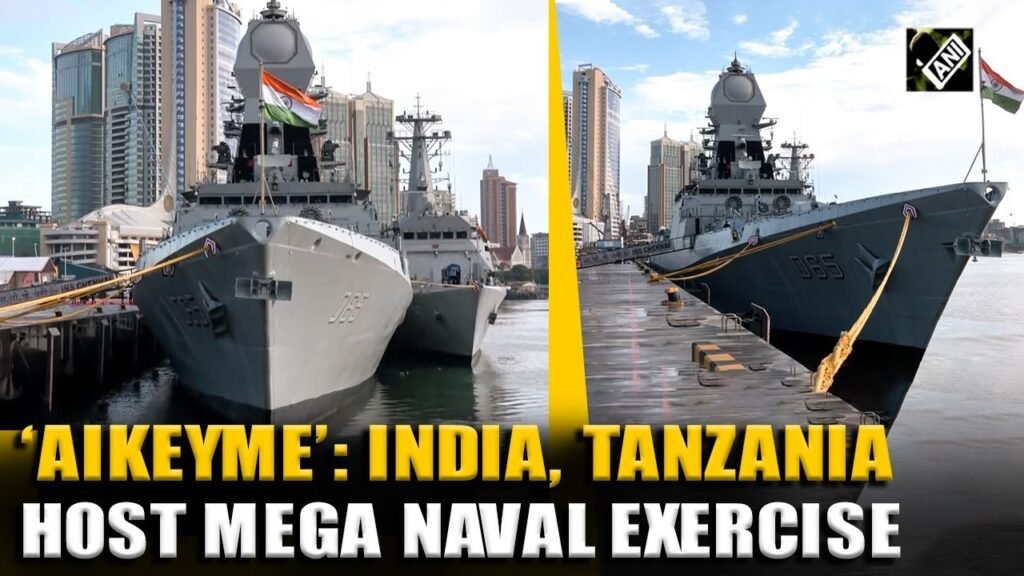
AIKEYME 2025 Begins in Tanzania: Indian Navy Joins African Nations for Maritime Drill

Africa India Key Maritime Engagement (AIKEYME), a multilateral maritime exercise, began on 13 April 2025 in Tanzania and will conclude on 18 April 2025. The exercise focuses on collaborative solutions to regional maritime challenges.

Participating countries include Comoros, Djibouti, Kenya, Madagascar, Mauritius, Mozambique, Seychelles, South Africa, and India. The Indian Navy is represented by INS Chennai, INS Kesari (a Landing Ship Tank), and INS Sunayna.

The harbour phase features an inauguration ceremony and deck reception, while the sea phase (16–18 April) emphasizes strengthening maritime security cooperation.

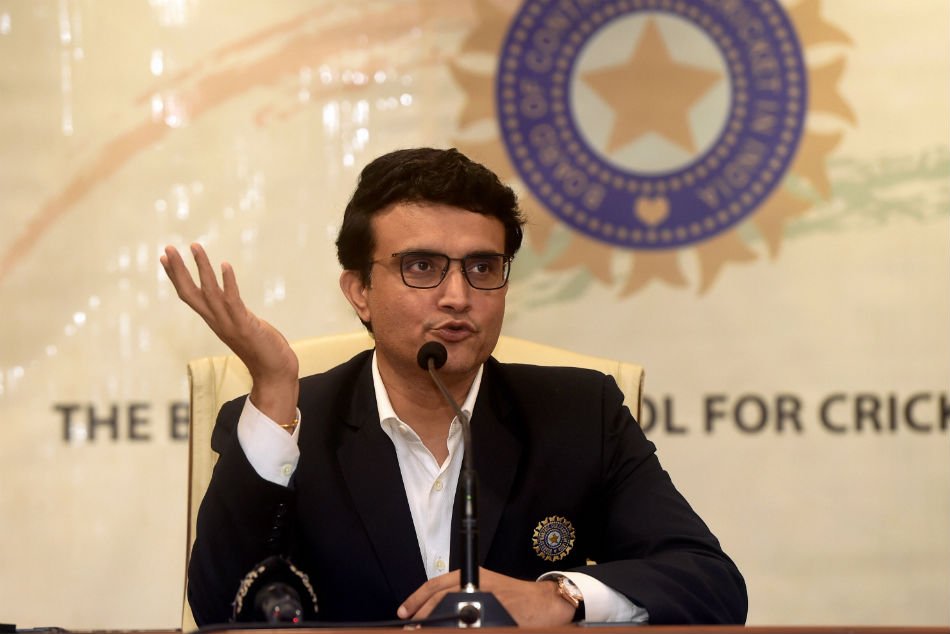
Sourav Ganguly Reappointed as ICC Men’s Cricket Committee Chairperson

Sourav Ganguly, former Indian cricket captain, has been reappointed as the chairperson of the ICC Men’s Cricket Committee as of April 13, 2025. He first took on the role in 2021, succeeding Anil Kumble.

The ICC Men’s Cricket Committee advises the ICC Board on key areas such as playing conditions, rule changes, and the sport’s long-term development. Under Ganguly’s leadership, the committee aims to further modernize and grow the game globally.

Joining him on the committee are prominent names like VVS Laxman, Temba Bavuma, Hamid Hassan, Desmond Haynes, and Jonathan Trott, bringing diverse and global perspectives.

Ganguly’s reappointment signals the ICC’s trust in his vision and progressive leadership, promising positive strides for the future of cricket.

India Wins Gold in Compound Mixed Team Archery at World Cup 2025

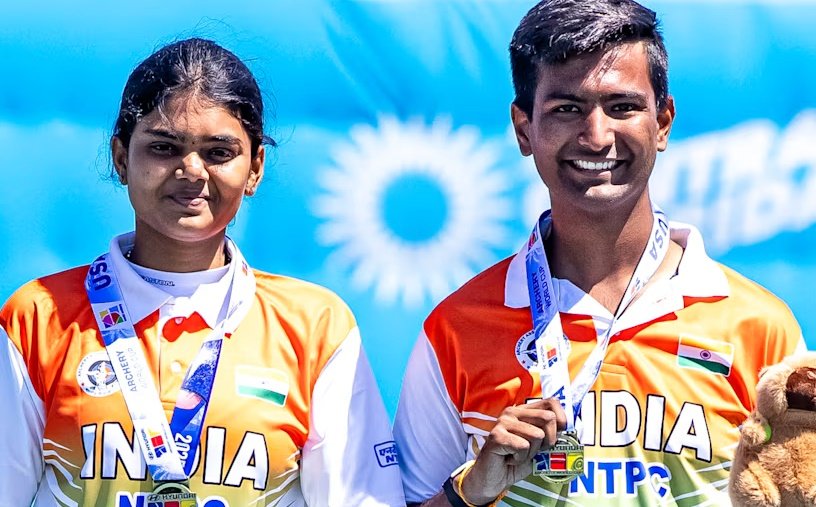
The Indian archery duo of Jyothi Surekha Vennam and Rishabh Yadav won the gold medal in the compound mixed team event at the Archery World Cup Stage 1 in Florida, USA, on April 12, 2025. They defeated Chinese Taipei’s Huang I-Jou and Chen Chieh-Lun with a score of 153-151.

After a slow start, losing the first two series, the Indian pair staged a strong comeback, dominating the final two rounds. This was Rishabh Yadav’s first World Cup gold and Jyothi’s 11th. Notably, they became the first-ever champions in this category since it was officially added to the Olympic program for the 2028 Los Angeles Games.

Mohun Bagan Wins ISL 2024-25 Title with 2-1 Victory Over Bengaluru FC

Mohun Bagan Super Giant won the 2024-25 Indian Super League (ISL) title with a 2-1 victory over Bengaluru FC on April 12, 2025, at Vivekananda Yuba Bharati Krirangan Stadium, Kolkata. Bengaluru took the lead via an own goal by Alberto Rodríguez in the 49th minute, but Jason Cummings equalized with a penalty in the 72nd minute. Greg Maclaren scored the winning goal in extra time, sealing the title.

This marked Mohun Bagan’s second ISL title (after 2022-23) and made them only the second team after Mumbai City FC to win both the League Winners Shield and ISL Cup in the same season.

Indian Geography MCQ for Competitive Exams

Indian Geography MCQ Questions for Competitive Exams in English Medium. Important questions from previous year exam papers for free practice of upcoming exams.

Indian Geography MCQ

Q.1: Which hill station’s name means ‘place of the thunderbolt’?

(a) Gangtok
(b) Shillong
(c) Ootacamund
(d) Darjeeling

Answer
(d) Darjeeling

Q.2: To conserve coral reefs, the Government of India declared one of the following as a Marine Park:

(a) Andaman Islands
(b) Gulf of Kutch
(c) Lakshadweep Islands
(d) Gulf of Mannar

Answer
(b) Gulf of Kutch

Q.3: The headquarters of the Survey of India Department is located in:

(a) Jaipur
(b) Dehradun
(c) Hyderabad
(d) New Delhi

Answer
(b) Dehradun

Q.4: Which of the following states in India has the longest coastline?

(a) Andhra Pradesh
(b) Maharashtra
(c) Tamil Nadu
(d) Gujarat

Answer
(d) Gujarat

Q.5: Which of the following is called a ‘young fold mountain’?

(a) Aravali
(b) Nilgiri
(c) Himalaya
(d) Vindhya

Answer
(c) Himalaya

Q.6: The easternmost peak of the Himalayas is:

(a) Namcha Barwa
(b) Annapurna
(c) Kanchenjunga
(d) Mount Everest

Answer
(a) Namcha Barwa

Q.7: Metamorphic rocks change in:

(a) Structure
(b) Texture
(c) Both (a) and (b)
(d) Original chemical composition

Answer
(c) Both (a) and (b)

Q.8: What is the total area of India?

(a) 8,511,965 sq km
(b) 3,897,950 sq km
(c) 5,926,780 sq km
(d) 3,287,590 sq km

Answer
(d) 3,287,590 sq km

Q.9: The two richest eco-zones of India are:

(a) Himalayas and Vindhyas
(b) Himalayas and Eastern Ghats
(c) Himalayas and Western Ghats
(d) Himalayas and Aravalis

Answer
(c) Himalayas and Western Ghats

Q.10: How many islands are there in Lakshadweep?

(a) 17
(b) 27
(c) 36
(d) 47

Answer
(c) 36

Q.11: Niyamgiri hill is located in Kalahandi district of:

(a) Odisha
(b) West Bengal
(c) Punjab
(d) Kerala

Answer
(a) Odisha

Q.12: Indira Point is the southernmost tip of:

(a) Maldives
(b) Laccadive
(c) Andaman and Nicobar Islands
(d) Dhanushkodi

Answer
(c) Andaman and Nicobar Islands

Q.13: The highest peak of India is:

(a) Kamet Mountain
(b) Nandakot
(c) Nanda Devi
(d) K2 (Godwin Austen)

Answer
(d) K2 (Godwin Austen)

Q.14: Sabarimala is situated in which of the following states?

(a) Andhra Pradesh
(b) Tamil Nadu
(c) Kerala
(d) Karnataka

Answer
(c) Kerala

Q.15: Which Himalayan peak is also known as ‘Sagarmatha’?

(a) Nanga Parbat
(b) Dhaulagiri
(c) Mt. Everest
(d) Kanchenjunga

Answer
(c) Mt. Everest

Q.16: The highest mountain peak of peninsular India is:

(a) Anaimudi
(b) Doddabetta
(c) Mahendragiri
(d) Nilgiris

Answer
(a) Anaimudi

Q.17: The Greater Himalayas are otherwise called as:

(a) Himadri
(b) Sahyadri
(c) Assam Himalayas
(d) Siwalik

Answer
(a) Himadri

Q.18: The world’s largest river island, Majuli, is located in which state?

(a) Arunachal Pradesh
(b) Assam
(c) Tripura
(d) Mizoram

Answer
(b) Assam

Q.19: Kanchenjunga is situated in:

(a) Nepal
(b) Sikkim
(c) West Bengal
(d) Himachal Pradesh

Answer
(b) Sikkim

Q.20: Godwin Austen is a/an:

(a) Inventor of telescope
(b) Geologist
(c) Pass
(d) Peak

Answer
(d) Peak

Q.21: Jog Falls is situated in which state?

(a) Kerala
(b) Maharashtra
(c) Karnataka
(d) Tamil Nadu

Answer
(c) Karnataka

Q.22: Which of the following is the highest peak of undisputed Indian territory?

(a) Mount Everest
(b) Kanchenjunga
(c) Nanda Devi
(d) Nanga Parbat

Answer
(c) Nanda Devi

Q.23: Palghat joins which of the following states?

(a) Sikkim and West Bengal
(b) Maharashtra and Gujarat
(c) Kerala and Tamil Nadu
(d) Arunachal Pradesh and Sikkim1

Answer
(c) Kerala and Tamil Nadu

Q.24: ‘Loktak’ is a:

(a) Valley
(b) Lake
(c) River
(d) Mountain range

Answer
(b) Lake

Q.25: Which of the following states has the longest coastline?

(a) Maharashtra
(b) Tamil Nadu
(c) Gujarat
(d) Andhra Pradesh

Answer
(c) Gujarat

Q.26: The pass located in Himachal Pradesh is:

(a) Shipki La
(b) Zojila
(c) Nathula
(d) Jelepla

Answer
(a) Shipki La

Q.27: The highest waterfall in India is:

(a) Hogenakkal Falls
(b) Kunchikal Falls
(c) Jog Falls
(d) Shimsha Falls

Answer
(b) Kunchikal Falls

Q.28: The sea that was in place of the Himalayas was:

(a) Red Sea
(b) Arabian Sea
(c) Tethys Sea
(d) Dead Sea

Answer
(c) Tethys Sea

Q.29: Kullu Valley is situated between:

(a) Ladakh and Pir Panjal
(b) Ranjoti and Nag Tibba
(c) Lesser Himalayas and Shiwalik
(d) Dhauladhar and Pir Panjal

Answer
(a) Ladakh and Pir Panjal

Q.30: The mountains that are not a part of the Himalayan range are:

(a) Aravali
(b) Kunlun
(c) Karakoram
(d) Hindu Kush

Answer
(a) Aravali

Q.31: The length of the coastline of India is approximately:

(a) 4,900 kilometers
(b) 5,700 kilometers
(c) 7,500 kilometers
(d) 8,300 kilometers

Answer
(c) 7,500 kilometers

Q.32: Which of the following is the second highest peak in the world?

(a) Dhaulagiri
(b) Kanchenjunga
(c) K2
(d) Nanda Devi

Answer
(c) K2

Q.33: Badland topography is characteristic of:

(a) Chambal Valley
(b) Coastal region
(c) Sunderban Delta
(d) Gulf of Kutch

Answer
(a) Chambal Valley

Q.34: The Indian desert is known as:

(a) Gobi
(b) Sahara
(c) Thar
(d) Atacama

Answer
(c) Thar

Q.35: Which state of India has the largest coastline?

(a) Andhra Pradesh
(b) Maharashtra
(c) Odisha
(d) Tamil Nadu

Answer
(a) Andhra Pradesh

Q.36: The coast related to Kerala is called:

(a) Konkan Coast
(b) Malabar Coast
(c) Coromandel Coast
(d) Canara Coast

Answer
(b) Malabar Coast

Q.37: The coastline of India is ……… km.

(a) 5,500 kilometers
(b) 6,500 kilometers
(c) 7,500 kilometers
(d) 8,400 kilometers

Answer
(c) 7,500 kilometers

Q.38: Baltora Glacier is situated in:

(a) Karakoram Ranges
(b) Pamir Plateau
(c) Shiwalik
(d) Alps

Answer
(a) Karakoram Ranges

Q.39: Which of the following cities/towns is located on the northernmost latitude?

(a) Patna
(b) Allahabad
(c) Pachmarhi
(d) Ahmedabad

Answer
(a) Patna

Q.40: The Andaman group and Nicobar group of islands are separated from each other by:

(a) Ten Degree Channel
(b) Great Channel
(c) Bay of Bengal
(d) Andaman2 Sea

Answer
(a) Ten Degree Channel

Q.41: The southern tip of India is:

(a) Cape Comorin (Kanyakumari)
(b) Point Calimere
(c) Indira Point in Nicobar Islands
(d) Kovalam in Thiruvananthapuram3

Answer
(c) Indira Point in Nicobar Islands

Q.42: The Nallamala Hills are located in the state of:

(a) Odisha
(b) Meghalaya
(c) Andhra Pradesh
(d) Gujarat

Answer
(c) Andhra Pradesh

Q.43: The coastal tract of Andhra Pradesh and Tamil Nadu is called:

(a) Konkan
(b) Coromandel
(c) Eastern coast
(d) Malabar coast

Answer
(b) Coromandel

Q.44: The highest Indian waterfall is:

(a) Gokak
(b) Gersoppa
(c) Shivanasamudra
(d) Yenna

Answer
(b) Gersoppa

Q.45: The fertile land between two rivers is called

(a) Water divide
(b) Water shed
(c) Doab
(d) Tarai

Answer
(c) Doab

Q.46: Nathu La, the place where India-China border trade has resumed after 44 years, is located on the Indian border in:

(a) Sikkim
(b) Arunachal Pradesh
(c) Himachal Pradesh
(d) Jammu and Kashmir4

Answer
(a) Sikkim

Q.47: In terms of area, India is the largest country in the world.

(a) Second
(b) Fourth
(c) Sixth
(d) Seventh

Answer
(d) Seventh

Q.48: The approximate length of India’s coastline is:

(a) 5,500 km
(b) 6,000 km
(c) 6,500 km
(d) 7,000 km

Answer
(d) 7,000 km

Q.49: The standard time of a country differs from GMT in multiples of:

(a) Two hours
(b) One hour
(c) Half an hour
(d) Four minutes

Answer
(c) Half an hour

Q.50: The Naga, Khasi and Garo hills are located in:

(a) Purvanchal Range
(b) Karakoram Range
(c) Zaskar Range
(d) Himalayan Range

Answer
(a) Purvanchal Range

Hanuman Jayanti 2025: Celebrating the Spirit of Devotion, Strength, and Selflessness

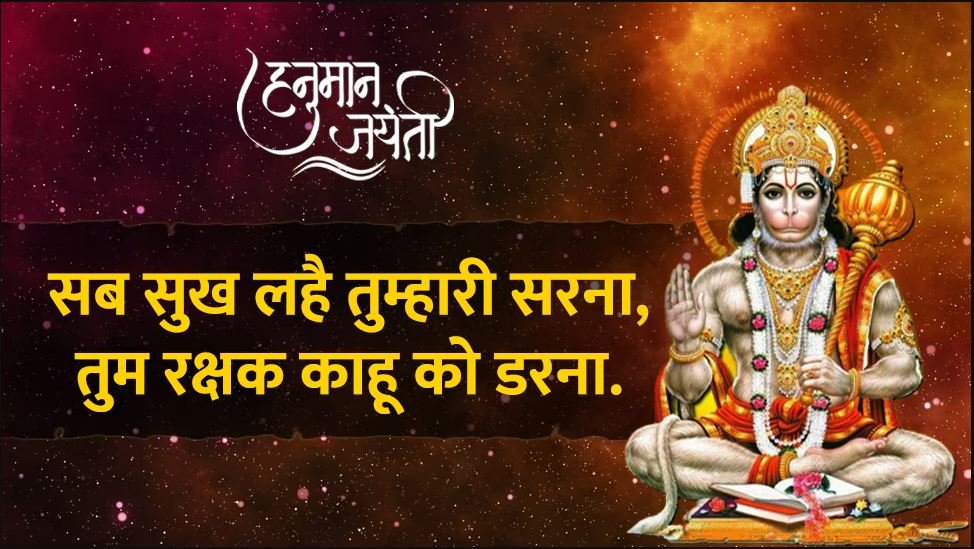
Hanuman Jayanti, celebrated on April 12, marks the birth anniversary of Lord Hanuman, a symbol of devotion, strength, and courage in Hindu mythology.

Lord Hanuman, a key figure in the Ramayana, is revered for his loyalty to Lord Rama, heroic deeds like carrying the Sanjeevani mountain, and his unwavering faith and humility.

On this day, devotees visit temples, chant the Hanuman Chalisa, and engage in bhajans, kirtans, fasting, and rituals. Many also perform charity and community service, reflecting Hanuman’s spirit of selflessness.

Hanuman Jayanti serves as a reminder to embrace devotion, humility, and inner strength in our lives, drawing inspiration from Lord Hanuman’s teachings and actions.

Mahatma Phule Jayanti: Honoring a Visionary Social Reformer

Mahatma Jyotirao Phule Jayanti, observed annually on April 11, commemorates the birth anniversary of one of India’s most influential social reformers, Jyotirao Phule. Born in 1827 in Satara, Maharashtra, Phule dedicated his life to challenging caste discrimination, promoting education for all, and advocating for social equality.

Phule’s revolutionary contributions include establishing schools for girls and marginalized communities, alongside his wife, Savitribai Phule, India’s first female teacher. Together, they founded the Satyashodhak Samaj (Society of Truth Seekers) to fight caste injustices and promote rational thinking. His literary work, Gulamgiri (Slavery), boldly critiqued Brahminical supremacy and called for the empowerment of oppressed communities.

DRDO Successfully Tests Indigenous Long-Range Glide Bomb ‘Gaurav’ with Su-30 MKI

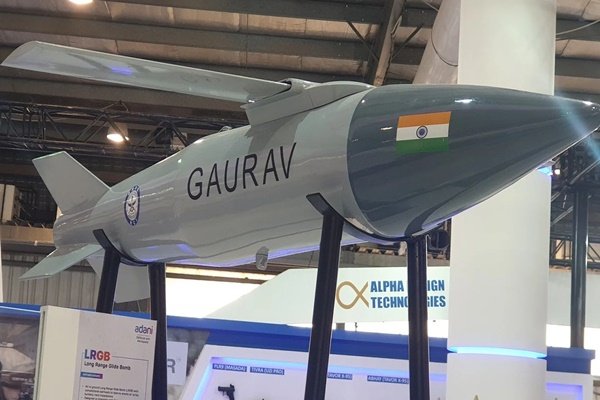
The Defence Research and Development Organisation (DRDO) successfully conducted release trials of the Long-Range Glide Bomb ‘Gaurav’ from a Su-30 MKI aircraft on 12 April 2025.

The Gaurav bomb demonstrated a range close to 100 km with high accuracy during the trials, according to the Defence Ministry.

Gaurav is a 1000-kg class indigenously developed glide bomb, designed by Research Centre Imarat (RCI), Armament Research and Development Establishment (ARDE), and the Integrated Test Range (ITR), Chandipur, Odisha.

Senior officials from DRDO and the Indian Air Force (IAF) were present and reviewed the trials.

Defence Minister Rajnath Singh praised DRDO, IAF, and industry for the successful development, stating that Gaurav will significantly enhance the Armed Forces’ capabilities. DRDO Chairman Dr. Samir V Kamat also congratulated the DRDO team on the successful trials.

India’s Industrial Growth Slows to 2.9% in February 2025: Mixed Sector Performance Noted

India’s Index of Industrial Production (IIP) rose 2.9% year-on-year in February 2025, showing moderate growth compared to 5.0% in January, as per the Ministry of Statistics and Programme Implementation.

Sector-wise:

  • Manufacturing (highest weight in IIP) grew 2.9%
  • Electricity generation rose 3.6%
  • Mining increased by 1.6%

Overall IIP stood at 151.3 in February, up from 147.1 last year.

Within manufacturing, 14 of 23 industry groups posted gains, led by:

  • Basic metals: 5.8%
  • Motor vehicles, trailers, and semi-trailers: 8.9%
  • Other non-metallic mineral products: 8%

Key drivers: auto components, alloy steel, cement, and prefabricated concrete blocks.

Use-based trends:

  • Capital goods: +8.2%
  • Infrastructure/construction goods: +6.6%
  • Primary goods: +2.8%
  • Consumer durables: +3.8%
  • Consumer non-durables: -2.1%

The report included revised figures for January 2025 (first revision) and November 2024 (final), with 94% and 95% response rates respectively.

March 2025 IIP data will be released on April 28.

Tahawwur Rana Extradited to India: Major Breakthrough in 26/11 Mumbai Terror Case

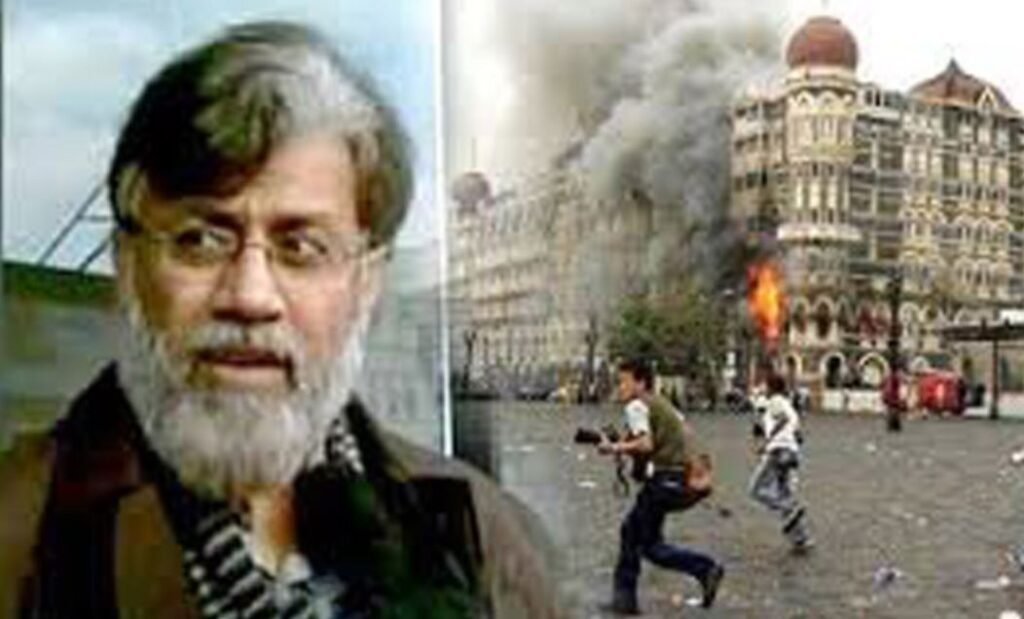
Tahawwur Rana, a key conspirator in the 26/11 Mumbai terror attacks, was extradited to India on April 9, 2025. A Canadian national of Pakistani origin, Rana aided David Headley in conducting reconnaissance for the attacks. He will be in NIA custody for 18 days for interrogation.

His extradition, following failed legal appeals in the U.S., marks a major step in India’s pursuit of justice. This move highlights global cooperation against terrorism and may reveal further details about the 2008 attacks that killed 166 people and injured over 238.

Indian Men’s Recurve Archery Team Enters World Cup Final

The Indian men’s recurve archery team—Dhiraj Bommadevara, Atanu Das, and Tarundeep Rai—has reached the final of the Archery World Cup Stage 1 in Florida, USA. They defeated Spain 6-2 in the semi-finals on April 10, 2025, after a 6-2 win over Indonesia in the quarterfinals.

The team will face China in the final on Sunday evening.

Mahavir Jayanti 2025 – Celebrating the Birth of Lord Mahavir

Mahavir Jayanti is one of the most important religious festivals in Jainism. It celebrates the birth of Lord Mahavir, the 24th and last Tirthankara (spiritual teacher) of Jainism. In 2025, Mahavir Jayanti was celebrated with great devotion and enthusiasm on Sunday, April 10. On this day, Jains across the world pay homage to Lord Mahavir’s teachings of non-violence, truth, and simplicity.

Who Was Lord Mahavir?

Lord Mahavir was born in 599 BCE in Kundagrama, near Vaishali (in present-day Bihar, India). Born to King Siddhartha and Queen Trishala, he renounced his royal life at the age of 30 and embarked on a spiritual journey. After 12 years of intense meditation and penance, he attained Keval Gyan (absolute knowledge) and spent the rest of his life spreading the message of Ahimsa (non-violence), Satya (truth), Asteya (non-stealing), Brahmacharya (celibacy), and Aparigraha (non-possession).

Scroll to Top