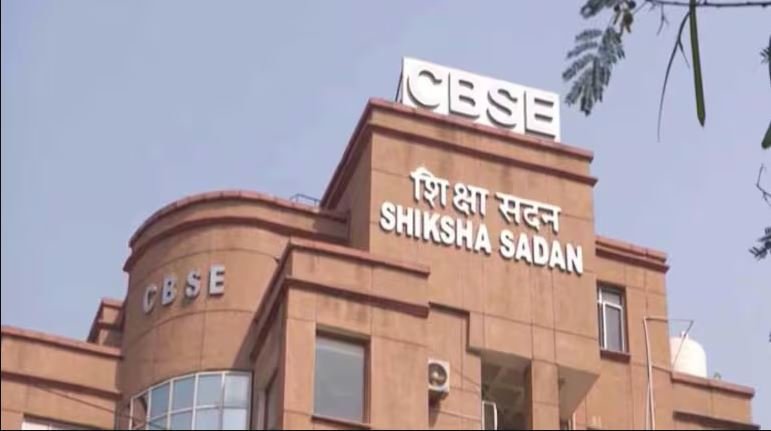
The Central Board of Secondary Education (CBSE) has announced that from July 1, 2026, students of Classes 9 and 10 will be required to study three languages. Under the revised policy, at least two of these must be Indian languages, while the third may be a foreign language.
The third language (R3) will be assessed internally by schools and will not form part of the Class 10 Board examination. CBSE has directed schools to use Class 6-level textbooks for R3 temporarily, supplemented with regional literary material, until dedicated secondary-level books are introduced.
This move aligns with the National Education Policy (NEP) 2020 and aims to strengthen multilingual learning while reducing exam pressure. Schools have been advised to adopt flexible measures, including resource sharing and virtual teaching, to address possible teacher shortages.
Possible Combination for a Hindi Speaking States Student:
- R1: Hindi (Indian language, compulsory)
- R2: English (global language, compulsory in CBSE schools)
- R3: Sanskrit or Urdu (Indian language, chosen by student/school)