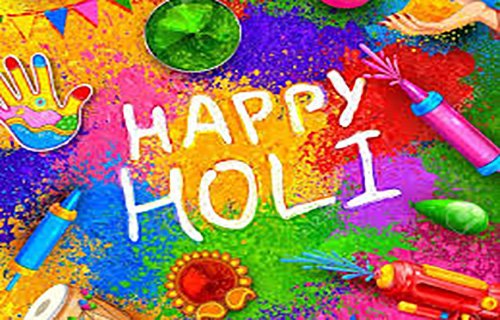
Holi, the Festival of Colours, is a vibrant ancient Hindu celebration marking the arrival of spring and the victory of good over evil. In 2026, the festivities center around March 3 and March 4, though regional variations in lunar calendar calculations may shift specific dates in some states.
Key Dates for Holi 2026
- Holika Dahan (Chhoti Holi):Tuesday, March 3, 2026.
- Ritual: Communities light large bonfires after sunset to symbolise the burning of the demoness Holika and the triumph of devotion (Prahlad) over evil.
- Auspicious Muhurat: 6:22 PM to 8:50 PM.
- Rangwali Holi (Dhulandi):Wednesday, March 4, 2026.
- Celebration: This is the main day of colour play where people of all ages smear each other with gulal (powdered colours) and drench one another with water.
Symbolism and Traditions
- Mythological Roots: The festival commemorates the legend of Prahlad and Holika, showing that faith in the divine (Vishnu) overcomes arrogance. It also celebrates the eternal love between Radha and Krishna.
- The Colours: Each hue carries a specific meaning: Red for love and fertility, Blue for Lord Krishna, Yellow for happiness, and Green for new beginnings.
- Social Equality: Holi acts as a “great leveller,” where social hierarchies of caste, age, and status dissolve as everyone celebrates together.
Iconic Regional Celebrations
- Mathura & Vrindavan: The spiritual heart of Holi, featuring week-long festivities like Phoolon wali Holi (with flower petals) and intense temple rituals at Banke Bihari Temple.
- Barsana: Famous for Lathmar Holi, where women playfully strike men with sticks while men defend themselves with shields.
- Shantiniketan: Celebrated as Basanta Utsav, an artistic celebration introduced by Rabindranath Tagore involving songs, dance, and yellow attire.
- Anandpur Sahib: Hosts Hola Mohalla, a Sikh tradition featuring martial arts and mock battles.