|

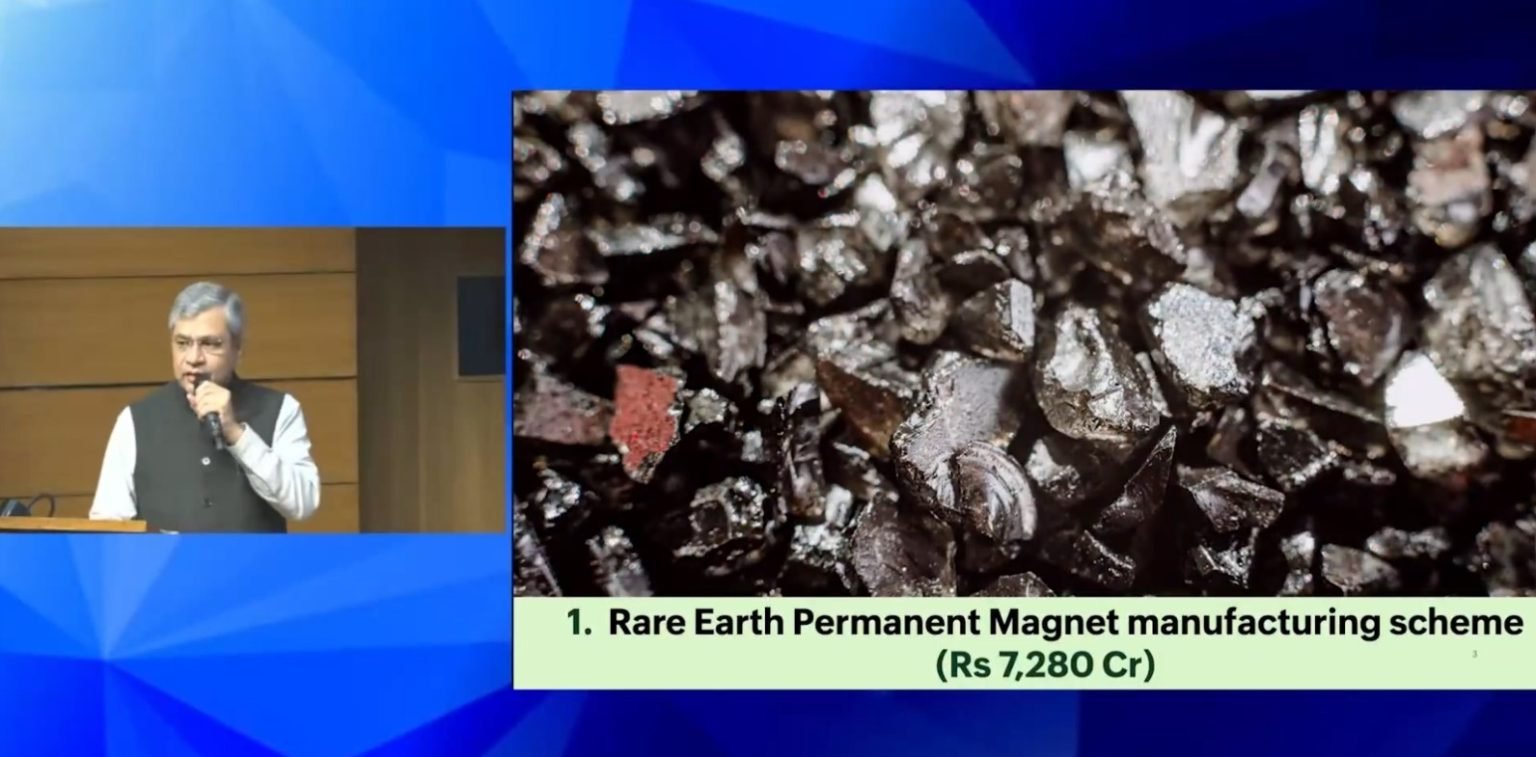
Cabinet Approves ₹7,280 Crore Scheme for Rare Earth Magnet Manufacturing

The Union Cabinet has approved a new scheme worth ₹7,280 crore to promote the manufacturing of sintered rare earth permanent magnets in India. This is the country’s first initiative aimed at establishing an annual production capacity of 6,000 metric tonnes of integrated permanent magnets.

Union Minister Ashwini Vaishnaw stated that rare earth permanent magnets are among the strongest available and are essential for technologies such as electric vehicles, renewable energy equipment, electronics, aerospace, and defence systems. The scheme will support complete domestic production — from processing rare earth oxides into metals, converting metals into alloys, and finally manufacturing finished magnets.

Demand for these magnets in India is rising rapidly and is expected to double by 2030, largely due to growth in EVs, renewable energy, and electronics. Currently, India depends mainly on imports for its requirements.

This initiative will enable India to set up its first integrated rare earth magnet manufacturing ecosystem, strengthening self-reliance, boosting skilled employment, and supporting the national goal of achieving Net Zero emissions by 2070.

The scheme will run for seven years, including a two-year setup period, and production capacity will be allocated to five selected beneficiaries through a global competitive process.
Similar Posts

  • US Vice President J D Vance Begins First Official Visit to India

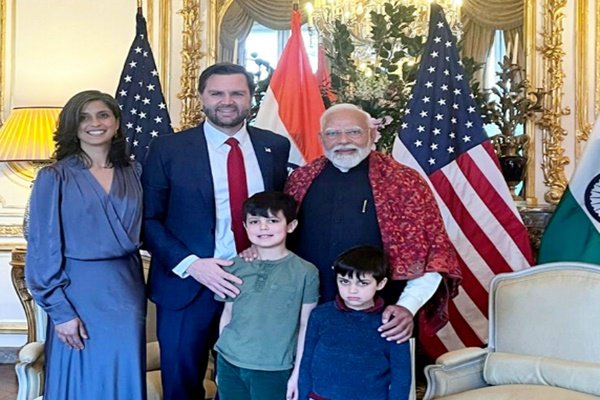
    Vice President of the United States, J D Vance, arrived in New Delhi on April 21, 2025, for a four-day official visit. He is accompanied by Second Lady Usha Vance, their children, and senior U.S. officials. This is his first visit to India, and he is scheduled to meet Prime Minister Narendra Modi to discuss strengthening India-U.S. ties.

    The delegation will also visit Jaipur and Agra, in addition to holding engagements in Delhi. The visit will focus on reviewing progress in bilateral relations, particularly the outcomes of the India-U.S. Joint Statement from February 13, 2025. Both sides will also exchange views on regional and global issues.

    India and the U.S. share a comprehensive global strategic partnership, based on shared democratic values, mutual interests, and strong people-to-people connections. Regular high-level dialogue remains key to this growing relationship.

  • Pakistan’s Boycott and U-turn on India T20 World Cup 2026 Match

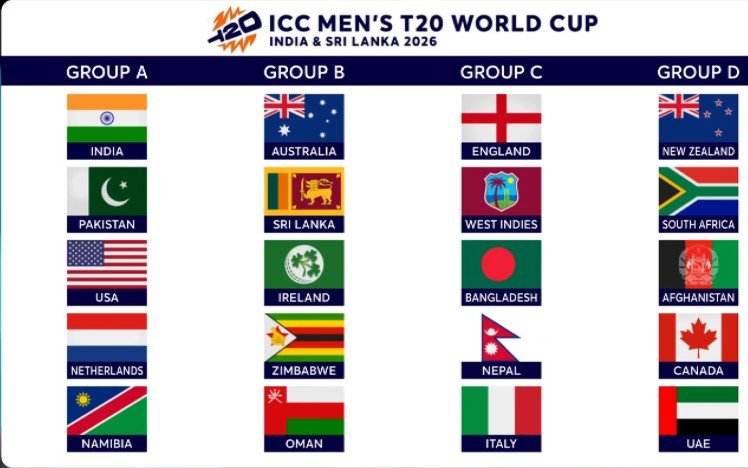
    February 10, 2026 — In a dramatic twist, Pakistan has reversed its earlier decision to boycott the high-voltage ICC Men’s T20 World Cup 2026 clash against India. The match, scheduled for February 15 in Colombo, will now go ahead as planned after days of uncertainty and controversy.


    📅 Timeline of the Controversy

    • Early February 2026: Pakistan announced it would boycott the India fixture, citing political tensions and security concerns.
    • February 9, 2026 (Evening): The Government of Pakistan issued a directive allowing the national team to play against India, marking a complete U-turn.
    • February 10, 2026: ICC confirmed the match, stating that the reversal saved “crores in losses” and preserved the integrity of the tournament.

    ⚖️ Reasons Behind the U-turn

    • ICC Pressure: The ICC warned of financial penalties and reputational damage if Pakistan persisted with the boycott.
    • Financial Stakes: The India–Pakistan clash is the most commercially valuable fixture in cricket, with massive broadcast and sponsorship revenues at risk.
    • Diplomatic Appeals: Boards from Sri Lanka, Bangladesh, and the UAE urged Pakistan to reconsider, citing past solidarity during Pakistan’s cricket isolation.
    • Fan Expectations: Millions of fans worldwide demanded the marquee match not be cancelled.
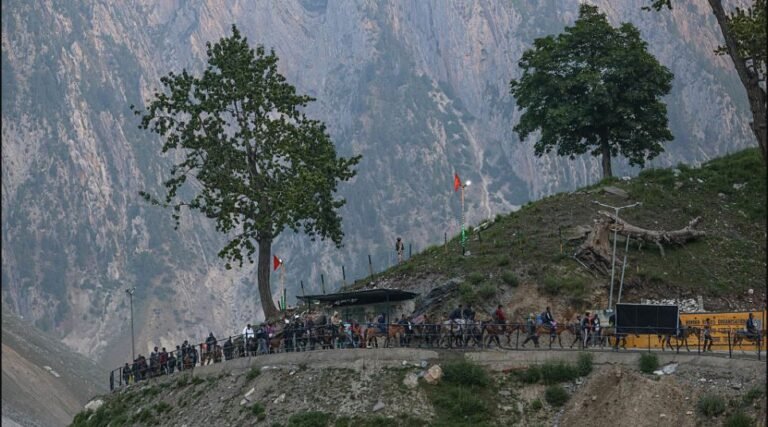
  • Operation SHIVA 2025: Indian Army’s High-Intensity Security Exercise for Amarnath Yatra

    The Indian Army launched Operation SHIVA 2025 on 11 July 2025 to ensure the safe and smooth conduct of the Shri Amarnath Yatra, amid increased threats from Pakistan-backed proxy groups.

    • 8,500+ troops deployed, coordinated with civil administration and CAPFs.
    • A multi-layered counter-terror grid, UAV surveillance, and drone countermeasures are in place.

    The operation underscores the Army’s commitment to pilgrims’ safety and national preparedness in high-risk zones.

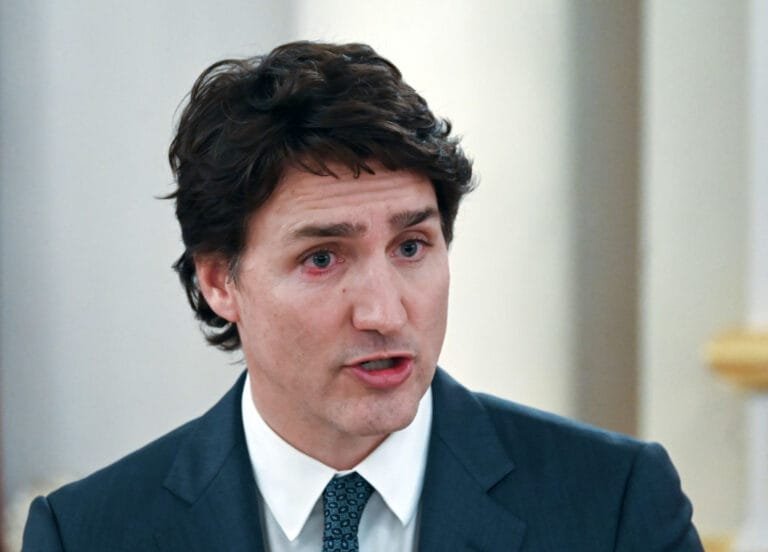
  • Canadian PM Justin Trudeau announces his resignation

    Canadian Prime Minister Justin Trudeau announced his resignation on January 6, 2025, citing internal government conflicts. He will remain in office until the Liberal Party selects a new leader.

    His resignation follows dissatisfaction with his leadership and the recent departure of the finance minister. The Canadian Parliament will be suspended until March 24 for the leadership race.

    Trudeau, who led the party in three general elections (2015, 2019, 2021), leaves behind strained relations with India and internal party challenges for his successor. Chrystia Freeland and David McGuinty are potential candidates for leadership.

  • 6th BIMSTEC Summit on April 4, 2025, in Bangkok, Thailand

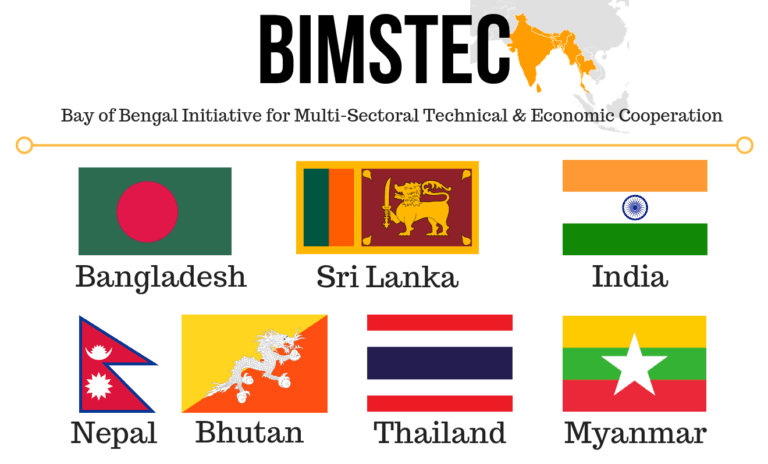
    The 6th BIMSTEC Summit is set to take place on April 4, 2025, in Bangkok, Thailand. This summit marks a significant milestone as it is the first in-person BIMSTEC meeting since 2018. The theme for this year’s summit is “BIMSTEC – Prosperous, Resilient, and Open”, reflecting the organization’s focus on enhancing regional cooperation in areas such as trade, security, connectivity, and human security.

    The Bay of Bengal Initiative for Multi-Sectoral Technical and Economic Cooperation (BIMSTEC) is a regional organization comprising seven member states: Bangladesh, Bhutan, India, Myanmar, Nepal, Sri Lanka, and Thailand. Established in 1997, BIMSTEC aims to foster economic and technical collaboration among countries bordering the Bay of Bengal.

    During the summit, leaders are expected to adopt the Bangkok Vision 2030, which outlines a roadmap for regional development and cooperation. Key discussions will focus on enhancing maritime transport, completing the India–Myanmar–Thailand Trilateral Highway, and addressing shared challenges such as climate change, terrorism, and poverty.

    Indian Prime Minister Narendra Modi is attending the summit and will also hold bilateral talks with Thai Prime Minister Paetongtarn Shinawatra to strengthen India-Thailand relations. Following the summit, PM Modi is scheduled to visit Sri Lanka to further enhance bilateral ties.

    This summit underscores BIMSTEC’s role as a bridge between South Asia and Southeast Asia, promoting regional integration and collaboration across various sectors. It is a pivotal moment for the member states to reaffirm their commitment to a prosperous and resilient Bay of Bengal region.

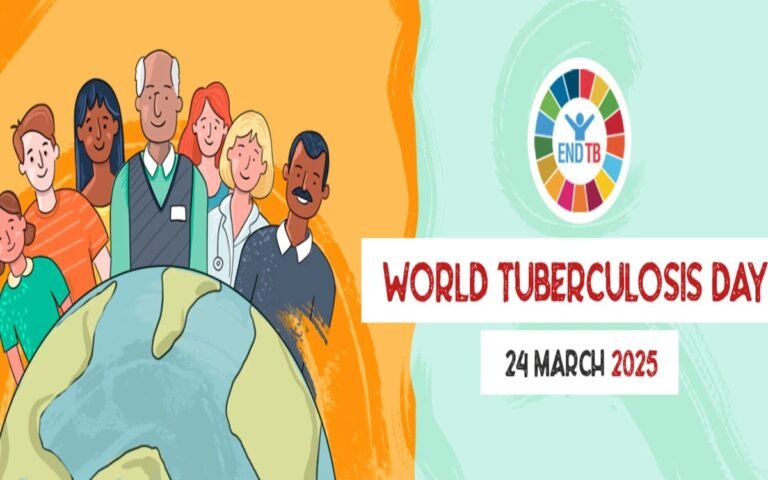
  • World Tuberculosis Day – 24 March

    World Tuberculosis (TB) Day is observed every year on 24 March to raise awareness about the global burden of tuberculosis and efforts to eliminate the disease. The day is marked by the World Health Organization (WHO) and commemorates the discovery of the TB-causing bacterium Mycobacterium tuberculosis by Dr. Robert Koch in 1882.

    Key Facts about Tuberculosis

    • TB mainly affects the lungs (pulmonary TB) but can also affect other parts of the body.
    • It spreads through the air when an infected person coughs or sneezes.
    • TB is curable and preventable, yet millions are affected globally every year.

    Global & India Initiatives

    • WHO’s End TB Strategy aims to eliminate TB by 2030.
    • India has set an ambitious target to eliminate TB by 2025 under the National TB Elimination Programme (NTEP).
    • Campaigns focus on free diagnosis, treatment, and awareness.