Government Schemes


Government Schemes and latest Development, Important for Competitive Exams. 

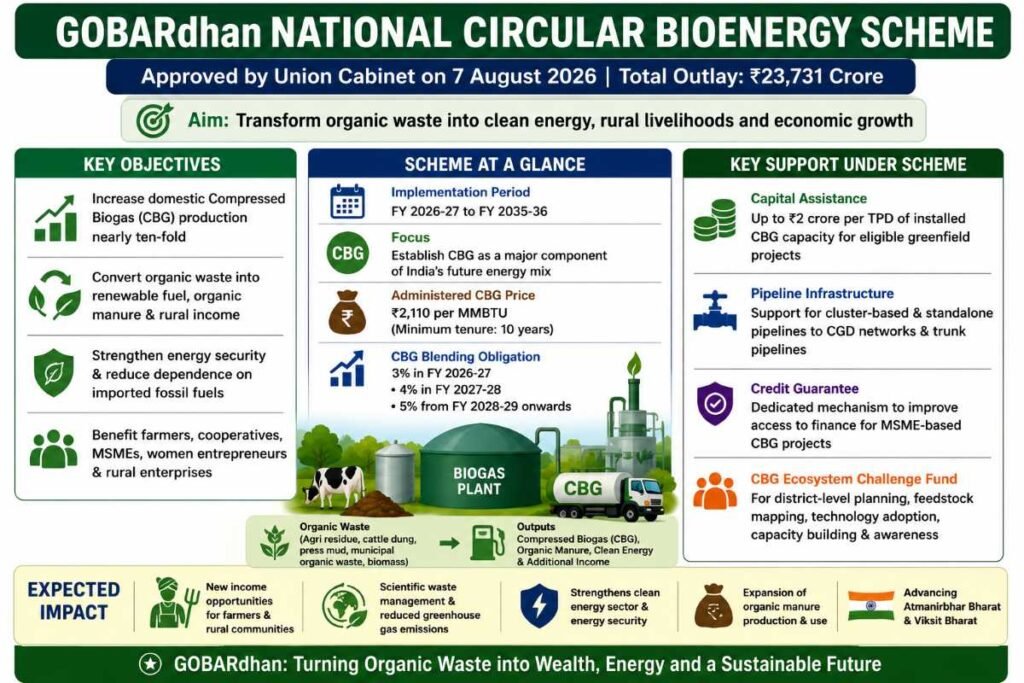
Union Cabinet Approves ₹23,731 Crore GOBARdhan National Circular Bioenergy Scheme

On 7 August 2026, Union Cabinet, chaired by PM Narendra Modi approved the GOBARdhan National Circular Bioenergy Scheme.

  • Total outlay: ₹23,731 crore
  • Implementation period: FY 2026-27 to FY 2035-36
  • Main focus: Boost Compressed Biogas (CBG) production and convert organic waste into clean energy and economic resources.
  • CBG target: Increase domestic CBG production nearly ten-fold
  • Feedstock: Agricultural residue, cattle dung, press mud, municipal organic waste and other biomass.
  • CBG administered price: ₹2,110/MMBTU, with a minimum 10-year pricing framework. MMBTU stands for Metric Million British Thermal Unit
  • Capital assistance: Up to ₹2 crore per tonne per day (TPD) of installed CBG capacity for eligible greenfield projects.
  • CBG blending obligations: 3% in FY 2026-27, 4% in FY 2027-28 and 5% from FY 2028-29 onwards.
  • Key support: Pipeline infrastructure, credit guarantee mechanism and CBG Ecosystem Challenge Fund.
  • Significance: Promotes energy security, waste-to-wealth, rural livelihoods, reduced fossil-fuel dependence and Atmanirbhar Bharat.

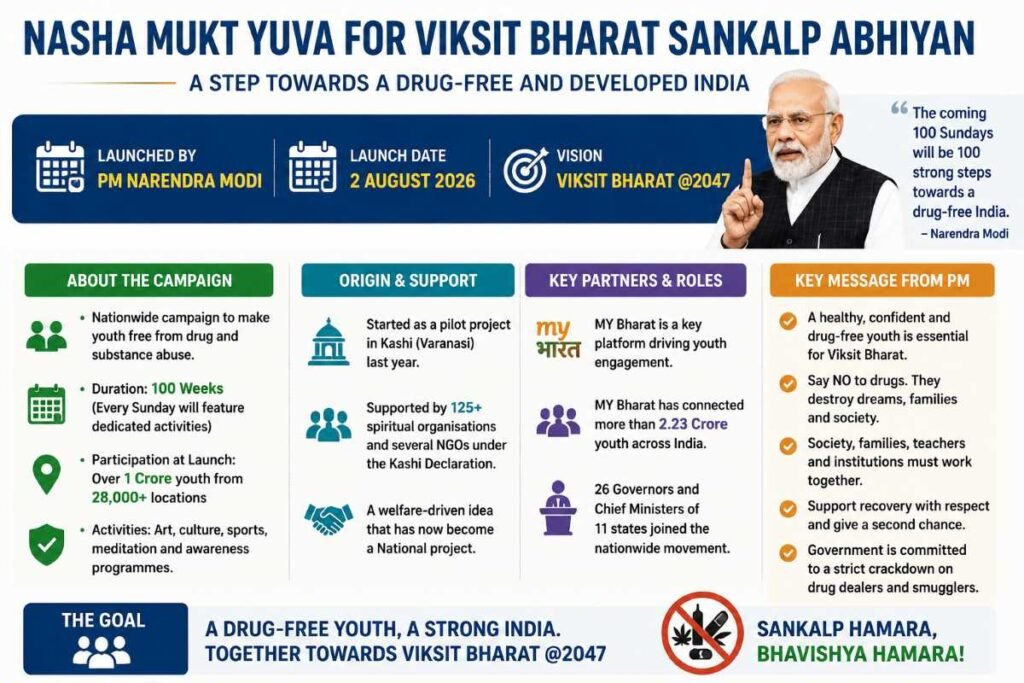
Nasha Mukt Yuva for Viksit Bharat Sankalp Abhiyan

Prime Minister Narendra Modi launched the ‘Nasha Mukt Yuva for Viksit Bharat Sankalp Abhiyan’ on 2 August 2026. The campaign aims to create a drug-free India by encouraging young people to stay away from substance abuse and promoting a healthy, confident and responsible youth population.

More than 1 crore young citizens from over 28,000 locations joined the launch and took an anti-drug pledge. The campaign will run for 100 weeks, with activities organised every Sunday.

Key Points

  • Launched by: Prime Minister Narendra Modi
  • Launch date: 2 August 2026
  • Campaign: Nasha Mukt Yuva for Viksit Bharat Sankalp Abhiyan
  • Main objective: To make India’s youth free from drug and substance abuse.
  • 100-Week Plan: The campaign will continue for 100 weeks, with activities every Sunday.
  • Participation: More than 1 crore youth joined the launch from 28,000+ locations.
  • The campaign grew from a pilot project launched in Kashi (Varanasi) in the previous year.
  • The initiative is supported by 125+ spiritual organisations and several NGOs under the Kashi Declaration.
  • MY Bharat is playing an important role in engaging young people in the campaign.
  • MY Bharat has connected more than 2.23 crore youth across the country.
  • Activities during the 100 weeks will include art, culture, sports and meditation.
  • The Prime Minister urged schools, colleges and universities to spread awareness about the harmful effects of drugs.
  • The campaign also focuses on rehabilitation and social acceptance of people recovering from addiction.
  • The Prime Minister emphasised that people recovering from addiction should be given respect, support and a second chance.
  • Dr. Mansukh Mandaviya said the campaign would become a nationwide Jan Bhagidari (people’s participation) movement.

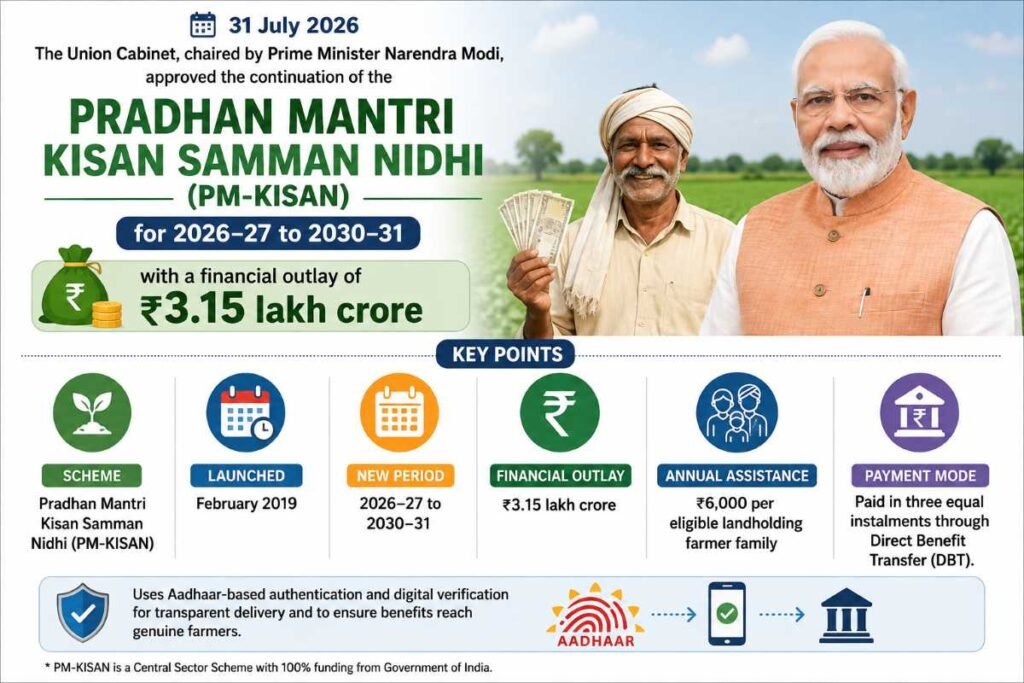
Union Cabinet Extends PM-KISAN Scheme for 2026-27 to 2030-31

On 31 July 2026, The Union Cabinet, chaired by Prime Minister Narendra Modi, approved the continuation of the Pradhan Mantri Kisan Samman Nidhi (PM-KISAN) scheme for 2026–27 to 2030–31, with a financial outlay of ₹3.15 lakh crore.

Key Points

  • Scheme: Pradhan Mantri Kisan Samman Nidhi (PM-KISAN)
  • Launched: February 2019
  • New period: 2026–27 to 2030–31
  • Financial outlay: ₹3.15 lakh crore
  • Annual assistance: ₹6,000 per eligible landholding farmer family
  • Paid in three equal instalments through Direct Benefit Transfer (DBT).
  • Uses Aadhaar-based authentication and digital verification for transparent delivery.

Major Achievements

  • More than ₹4.47 lakh crore transferred to farmers through 23 instalments.
  • Under the 23rd instalment, over 9.49 crore farmers received more than ₹18,984 crore.
  • Over ₹1.71 lakh crore was disbursed during the COVID-19 pandemic.
  • Women beneficiaries have received more than ₹1.06 lakh crore.
  • Nearly one in four beneficiaries is a woman farmer.

Samudra Manthan National Offshore Exploration Scheme

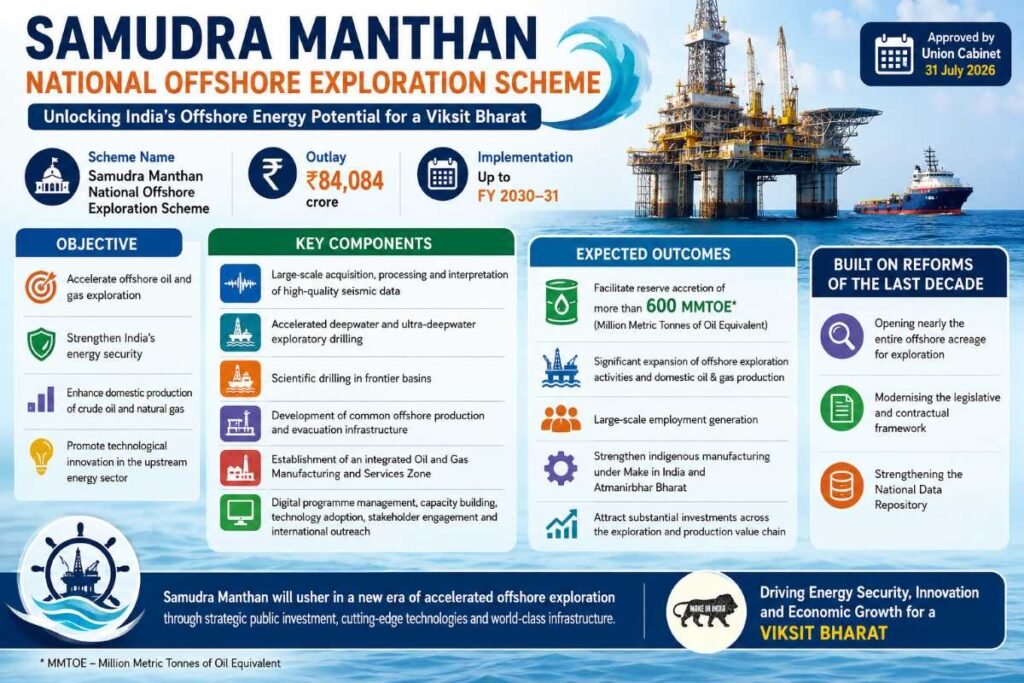
The Union Cabinet, chaired by Prime Minister Narendra Modi, approved the ‘Samudra Manthan’ National Offshore Exploration Scheme on 31 July 2026. The Central Sector Scheme, under the Ministry of Petroleum and Natural Gas, has an outlay of ₹84,084 crore and will be implemented up to FY 2030–31.

The scheme aims to accelerate offshore oil and gas exploration, increase domestic production, strengthen India’s energy security, and promote advanced technologies in the upstream energy sector.

The government expects the scheme to help add more than 600 Million Metric Tonnes of Oil Equivalent (MMTOE) to India’s reserves and significantly expand offshore exploration and domestic crude oil and natural gas production.

Key Features

  • Outlay: ₹84,084 crore
  • Implementation: Up to FY 2030–31
  • Focus: Offshore oil and natural gas exploration
  • Large-scale acquisition and processing of high-quality seismic data
  • Accelerated deepwater and ultra-deepwater drilling
  • Scientific drilling in frontier basins
  • Development of common offshore production and evacuation infrastructure
  • Establishment of an integrated Oil and Gas Manufacturing and Services Zone
  • Digital programme management, capacity building and technology adoption
  • Promotion of international collaboration and stakeholder participation

NAKSHA Urban Land Survey: Key Facts, Technology and Goa Verification 2026

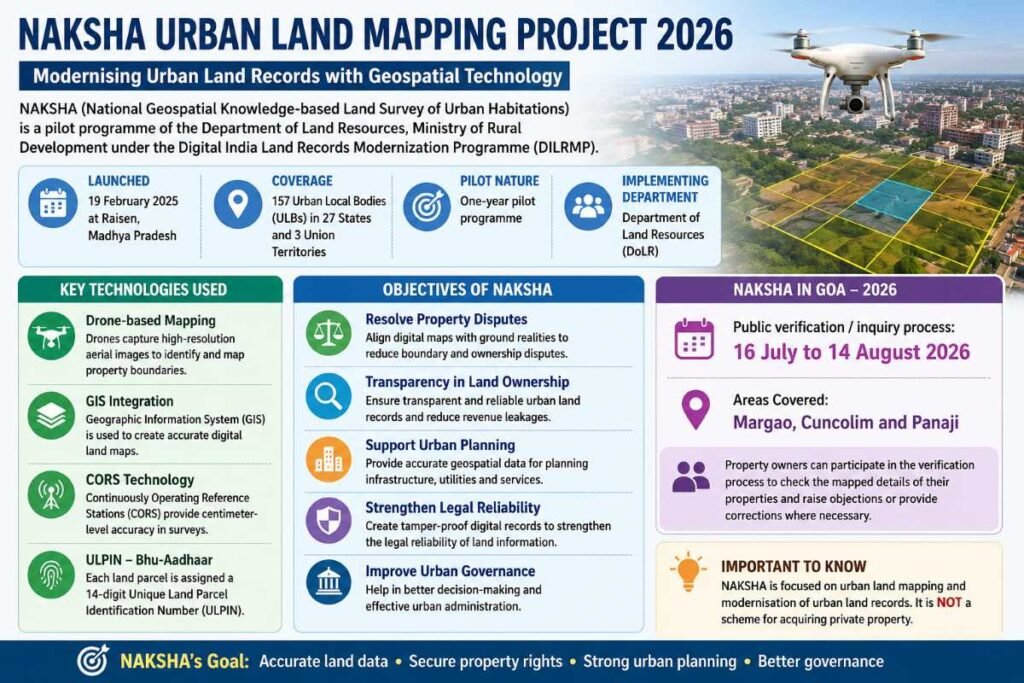
NAKSHA stands for National Geospatial Knowledge-based Land Survey of Urban Habitations. It is a pilot programme of the Department of Land Resources (DoLR), Ministry of Rural Development, aimed at modernising urban land records through advanced geospatial technology.

The NAKSHA pilot was launched on 19 February 2025 at Raisen, Madhya Pradesh. It covers 157 Urban Local Bodies (ULBs) across 27 States and 3 Union Territories.

Key Features of NAKSHA

  • Drone-based mapping: Drones are used to capture high-resolution aerial images of urban areas and accurately identify property boundaries.
  • GIS technology: Geographic Information System (GIS) is used to create and manage digital land maps.
  • CORS: Continuously Operating Reference Stations help achieve highly accurate positioning for land surveys.
  • ULPIN: Each land parcel can be assigned a 14-digit Unique Land Parcel Identification Number (ULPIN), also known as Bhu-Aadhaar.
  • Digital land records: The project aims to create accurate and tamper-resistant digital records of urban land parcels.

Objectives of NAKSHA

The main objectives are to:

  1. Reduce property and boundary disputes.
  2. Improve transparency in urban land ownership.
  3. Provide accurate land data for urban planning and infrastructure development.
  4. Strengthen the reliability of digital land records.
  5. Help improve urban governance and reduce revenue leakages.

NAKSHA in Goa – 2026

In Goa, the public verification/inquiry process under the NAKSHA pilot is being conducted from 16 July to 14 August 2026.

The process covers Margao, Cuncolim and Panaji. Property owners can participate in the verification process to check the mapped details of their properties and raise objections or provide corrections where necessary.

Mission Golden Spice Launched for Meghalaya’s Lakadong Turmeric

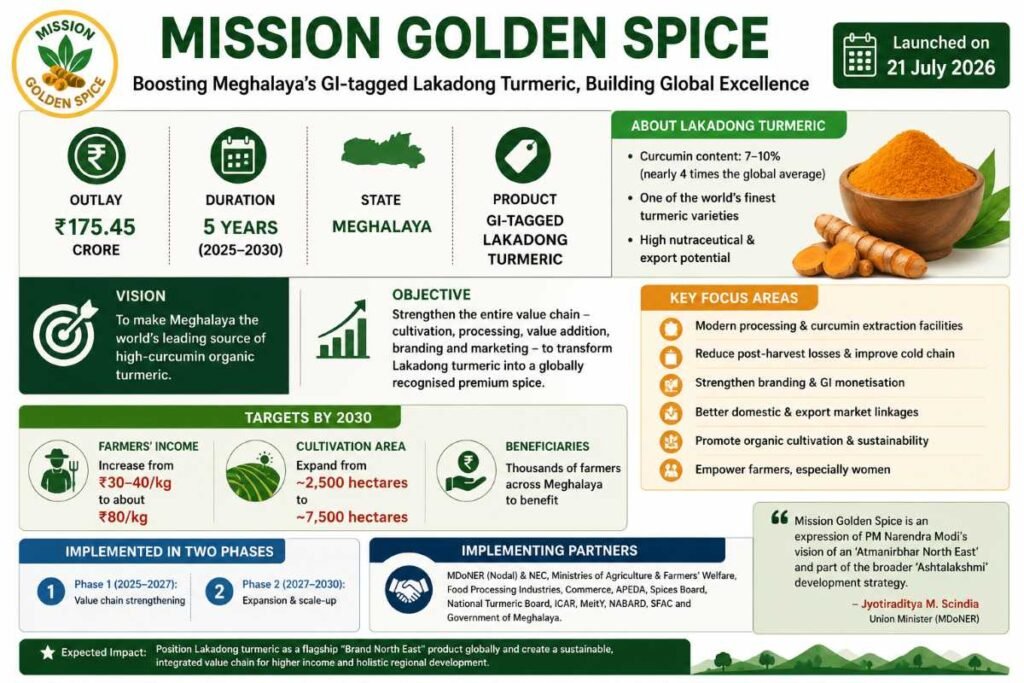
The Central Government launched Mission Golden Spice on 21 July 2026 with an outlay of ₹175.45 crore to promote Meghalaya’s GI-tagged Lakadong turmeric as a premium global spice and improve farmers’ income.

The five-year mission (2025–2030) was launched by Union Minister Jyotiraditya M. Scindia and Meghalaya Chief Minister Conrad K. Sangma. It aims to strengthen the entire turmeric value chain, including cultivation, processing, branding, and exports.

Lakadong turmeric is known for its high curcumin content (7–10%), nearly four times the global average, making it one of the world’s finest turmeric varieties with strong export and nutraceutical potential.

The mission seeks to:

  • Increase farmers’ income from ₹30–40/kg to about ₹80/kg by 2030.
  • Expand cultivation area from 2,500 hectares to 7,500 hectares.
  • Develop modern processing infrastructure, curcumin extraction facilities, branding, GI monetisation, and export market linkages.

UP Creates Record with 35.27 Crore Saplings Planted in One Day

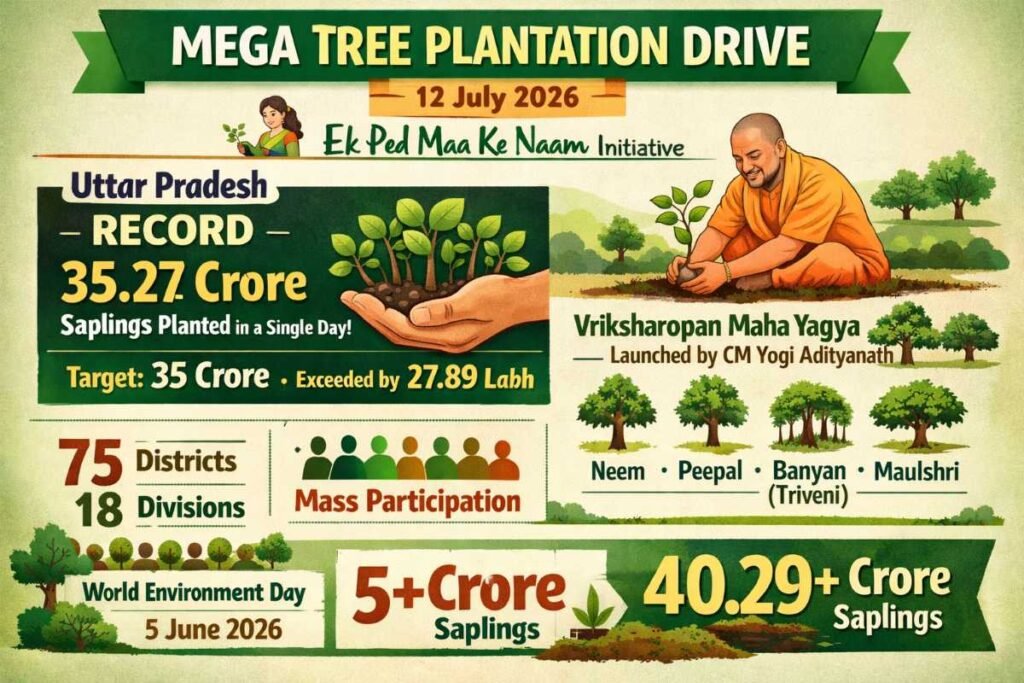
On 12 July 2026, a nationwide mega tree plantation campaign was held under the “Ek Ped Maa Ke Naam” initiative to promote environmental conservation.

  • Uttar Pradesh created a record by planting over 35.27 crore saplings in a single day, exceeding the target of 35 crore by 27.89 lakh saplings.
  • Chief Minister Yogi Adityanath launched the Vriksharopan Maha Yagya in Gorakhpur, planting Neem, Peepal, Banyan (Triveni) and Maulshri saplings.
  • The campaign covered all 18 divisions and 75 districts with participation from government departments, NGOs, students, and the public.
  • Earlier, the state had planted over 5 crore saplings on World Environment Day (5 June 2026), taking the total plantation in 2026 to over 40.29 crore saplings.
  • The drive was coordinated by 27 departments, with the Forest Department planting the highest number (15.5 crore saplings).

Other major initiatives across India included:

  • Home Minister Amit Shah led a plantation drive in Gandhinagar, Gujarat, where over 1.25 crore saplings were planted. He announced a target to increase the constituency’s green cover to 20% by 2029 by promoting indigenous trees.
  • Union Agriculture Minister Shivraj Singh Chouhan, speaking at the Vriksh Mitra Programme in New Delhi, highlighted the importance of “Ek Ped Maa Ke Naam”, Mission LiFE, and India’s commitment to achieve Net Zero carbon emissions by 2070.
  • In Madhya Pradesh, Chief Minister Dr. Mohan Yadav launched a drive to plant 21 lakh saplings and establish 51,000 rainwater harvesting units to strengthen environmental protection and water conservation.

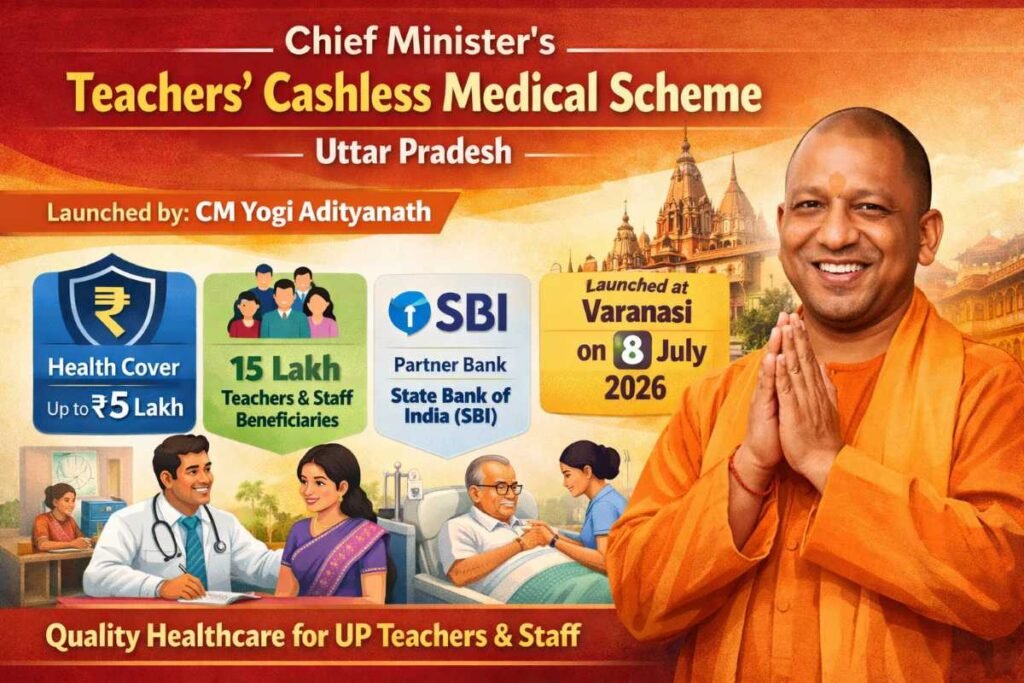
Uttar Pradesh Launches Chief Minister’s Teachers’ Cashless Medical Scheme

The Uttar Pradesh Government has launched the Chief Minister’s Teachers’ Cashless Medical Scheme to provide cashless healthcare coverage of up to ₹5 lakh to teachers and non-teaching staff. The scheme was launched by Chief Minister Yogi Adityanath in Varanasi on 8 July 2026.

Around 15 lakh beneficiaries, including teachers, non-teaching staff, Shiksha Mitras, instructors, cooks, and eligible employees of Kasturba Gandhi Balika Vidyalayas, will receive cashless medical treatment along with their families.

The state government also signed an MoU with the State Bank of India (SBI) to provide a comprehensive social security and insurance package. Contractual employees earning more than ₹10,000 per month will receive personal accident insurance of ₹30 lakh to ₹80 lakh, with additional benefits for permanent or partial disability, air accidents, children’s education, and daughters’ marriage assistance. The scheme is described as a first-of-its-kind social security initiative for basic education department employees in India.

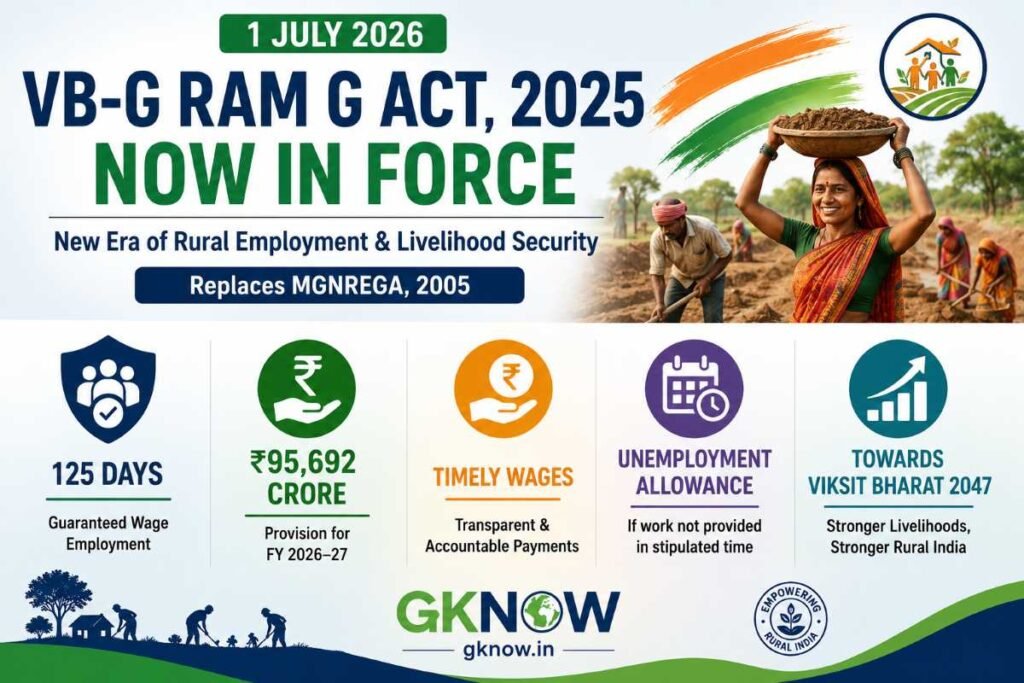
VB-G RAM G Act Comes into Force from 1 July 2026, Replacing MGNREGA

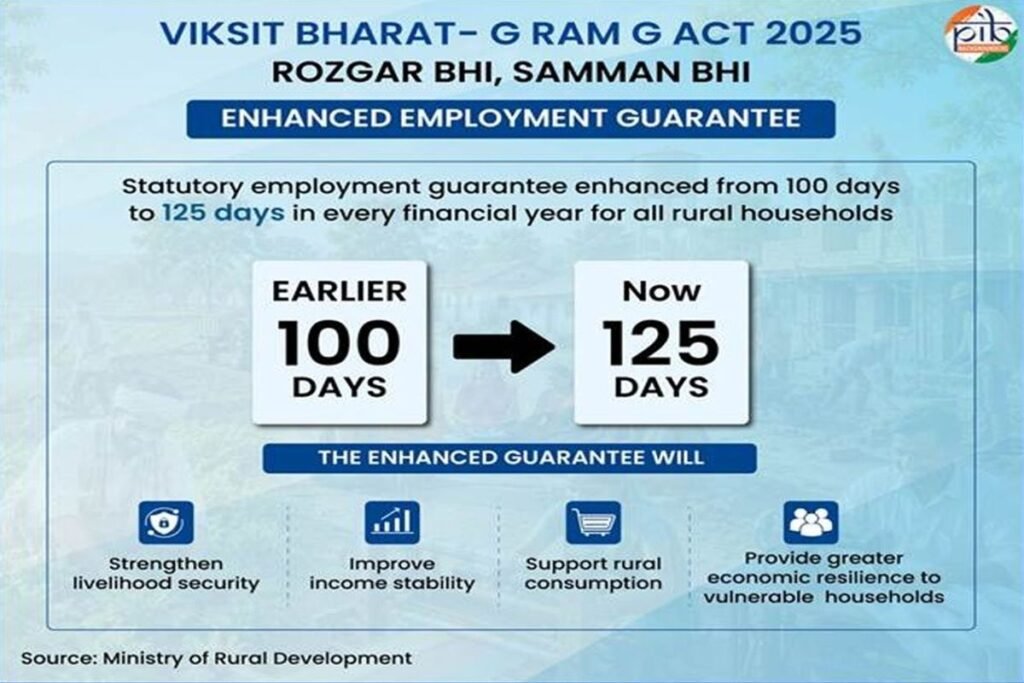
The Viksit Bharat–Guarantee for Rozgar and Ajeevika Mission (Gramin) [VB-G RAM G] Act, 2025 came into force across rural India on 1 July 2026, replacing the Mahatma Gandhi National Rural Employment Guarantee Act (MGNREGA), 2005.

The new law increases the statutory guarantee of wage employment from 100 days to 125 days per financial year, aiming to strengthen rural livelihoods, enhance income security, and support faster rural development. It also ensures timely and transparent wage payments and provides for an unemployment allowance if work is not offered within the prescribed time.

The Union Government has allocated ₹95,692 crore for implementing the scheme in 2026–27. According to Rural Development Minister Shivraj Singh Chouhan, the new framework is fully prepared for implementation and is designed to contribute to the vision of Viksit Bharat 2047 by creating durable community assets and expanding employment opportunities in rural areas.

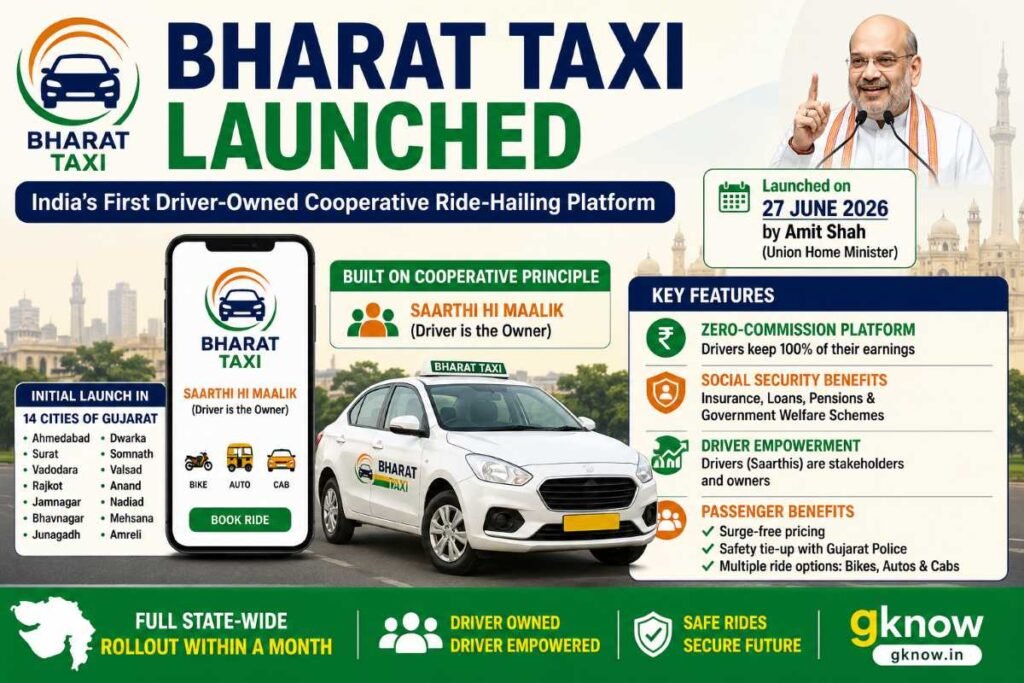
Bharat Taxi Launched: India’s First Driver-Owned Cooperative Ride-Hailing Platform

On 27 June 2026, Union Home Minister Amit Shah launched Bharat Taxi, India’s first cooperation-based, driver-owned ride-hailing platform, in Gujarat. The service has been launched in 14 cities of Gujarat, with a statewide rollout planned within a month.

About Bharat Taxi

Based on the principle “Saarthi Hi Maalik” (Driver is the Owner), the platform gives drivers ownership and allows them to keep 100% of their earnings under a zero-commission model. Drivers also receive insurance, loans, pensions, and other government welfare benefits.

For passengers, Bharat Taxi offers surge-free pricing, safety support through Gujarat Police, and multiple transport options including bikes, autos, and cabs.

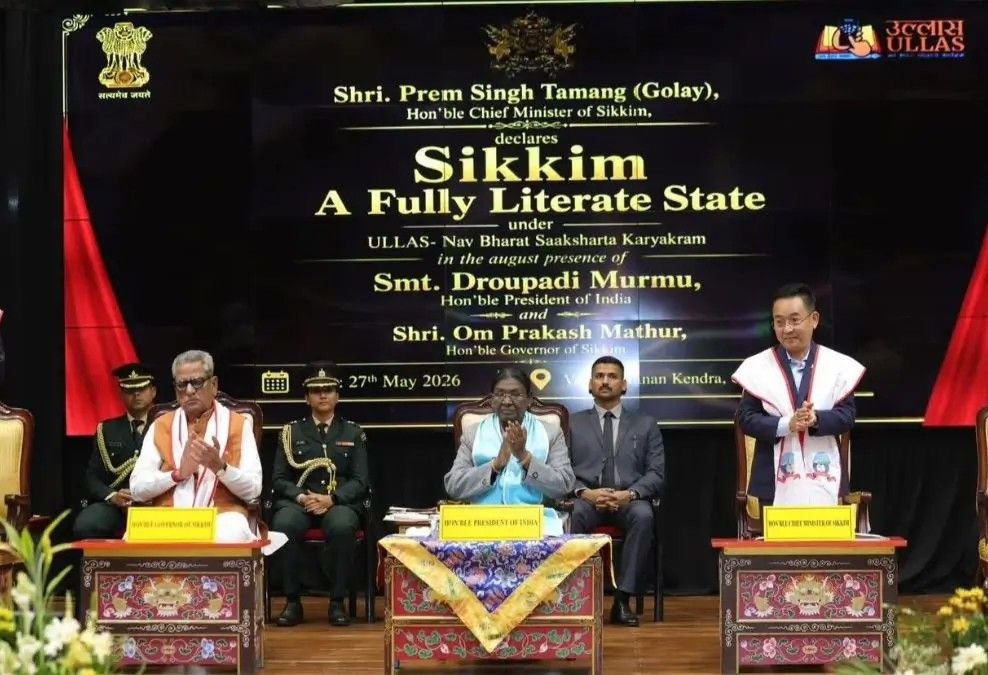
Sikkim Declared Fully Literate State under ULLAS Programme

Gangtok, 27 May 2026: In a landmark achievement, Sikkim was officially declared a Fully Literate State with a literacy rate of 99.82%, surpassing the Union Education Ministry’s benchmark of 95%. The announcement was made by Chief Minister Prem Singh Tamang (Golay) during the 7th Convocation of Sikkim University at Manan Kendra, Gangtok, in the presence of President Droupadi Murmu and Governor Om Prakash Mathur.

The declaration comes under the ULLAS – Nav Bharat Saaksharta Karyakram, a national literacy initiative launched in 2022 to ensure foundational literacy and lifelong learning for adults aged 15 and above.

📌 Other Fully Literate States/UTs in India

State/UTYear DeclaredLiteracy RateKey Highlights
MizoramMay 202598.2%First fully literate state; strong community involvement and women’s education focus.
Goa202596%Efficient administration, inclusive policies, and high investment in education.
Tripura202595.6%Success through ULLAS, cyber literacy campaigns, and tribal outreach.
Himachal Pradesh8 Sep 202599.3%Journey from 7% literacy post-independence to near-universal literacy.
Ladakh (UT)24 Jun 202497%First Union Territory to achieve full functional literacy.
Sikkim27 May 202699.82%Sixth region to achieve full literacy; inclusive development across remote areas.

🌟 Significance of Sikkim’s Achievement

  • Marks Sikkim as both India’s first fully organic state (2016) and now a fully literate state (2026).
  • Reflects inclusive growth, with literacy reaching even remote villages and elderly citizens.
  • President Murmu highlighted that women formed 60% of graduates and 70% of medallists at Sikkim University, underlining gender empowerment.

Centre Launches Viksit Bharat GRAM G Act to Replace MGNREGA

The Central Government notified the implementation of the Viksit Bharat – Guarantee for Rozgar and Ajeevika Mission (Gramin) Act, 2025 [VB-G RAM G] on 11 May 2026. The Act will be implemented across the country from 1 July 2026 with a budget allocation of ₹95,692 crore for the current financial year.

The new Act replaces the 20-year-old Mahatma Gandhi National Rural Employment Guarantee Act (MGNREGA), 2005. Under the new framework, the guaranteed wage employment in rural areas has been increased from 100 days to 125 days per financial year to provide greater income security and support rural development.

The Act emphasizes timely, transparent, and accountable wage payments and also includes a provision for unemployment allowance if work is not provided within the stipulated time.

To promote greater participation of women, the Act introduces childcare support at worksites. A woman worker will be appointed to care for children wherever five or more children below the age of five are present at the worksite.

The VB-G RAM G Act aims to strengthen rural employment generation and support the vision of Viksit Bharat 2047.

JANANI Platform Launched to Improve Maternal and Child Healthcare in India

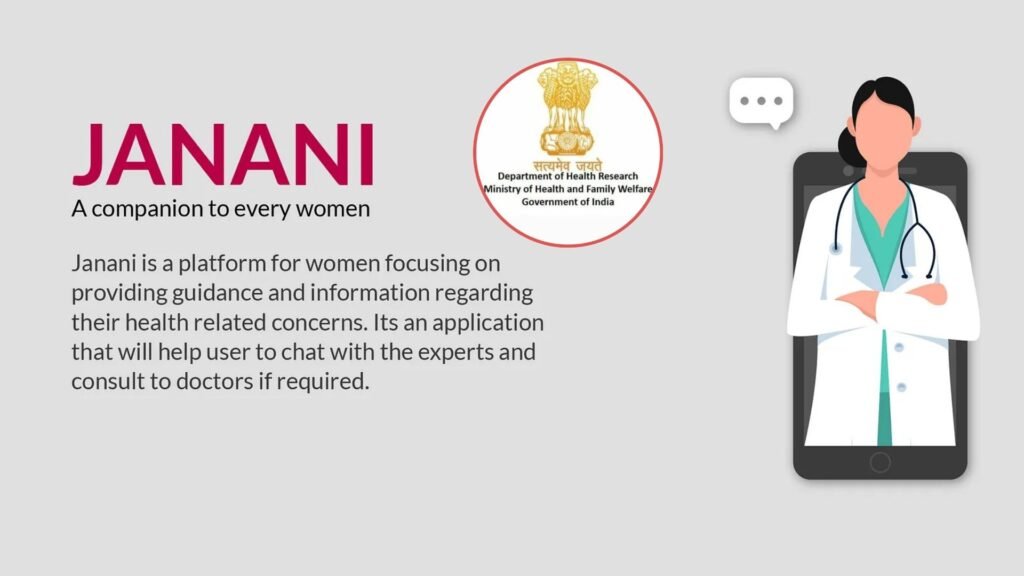
The Union Health Ministry launched JANANI (Journey of Antenatal, Natal and Neonatal Integrated Care) to strengthen maternal and child healthcare in India on 7 May 2026. Developed as an upgraded version of the RCH portal, the digital platform helps track services like antenatal care, delivery, postnatal care, newborn care, immunization, and family planning.

JANANI features QR-enabled digital MCH cards, alerts for high-risk pregnancies, and integration with platforms like U-WIN and POSHAN. It supports registration through ABHA, Aadhaar, and mobile numbers to ensure continuity of care and better monitoring.

Till May 2026, the platform has recorded 1.34 crore beneficiary registrations and over 30 lakh pregnant women registrations.

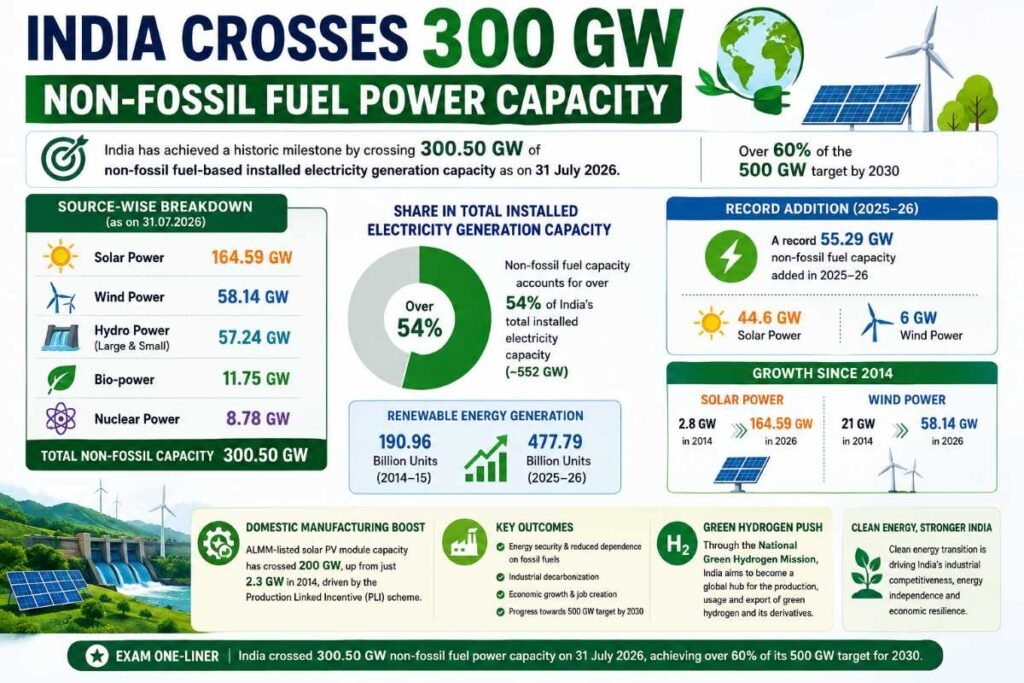
India Crosses 150 GW Solar Capacity in 2026 – Record Renewable Energy Growth

India achieved a record expansion in solar energy in FY 2025–26, adding around 45 GW of solar capacity and crossing 150 GW cumulative solar capacity, marking its strongest renewable energy growth ever.

🌞 Key Highlights

  • Annual addition: ~44.6 GW (highest ever)
  • Total solar capacity: 150.26 GW
  • Total renewable energy (excluding large hydro): 223 GW
  • Solar contributed nearly 80% of total non-fossil capacity additions

🚀 Growth Drivers

  • Strong government policies and incentives (PLI schemes)
  • Growth in rooftop solar under schemes like PM Surya Ghar Yojana
  • Falling solar costs and improved technology
  • Focus on energy security and climate commitments

BHAVYA Scheme 2026: ₹33,660 Crore Plan to Develop 100 Industrial Parks in India

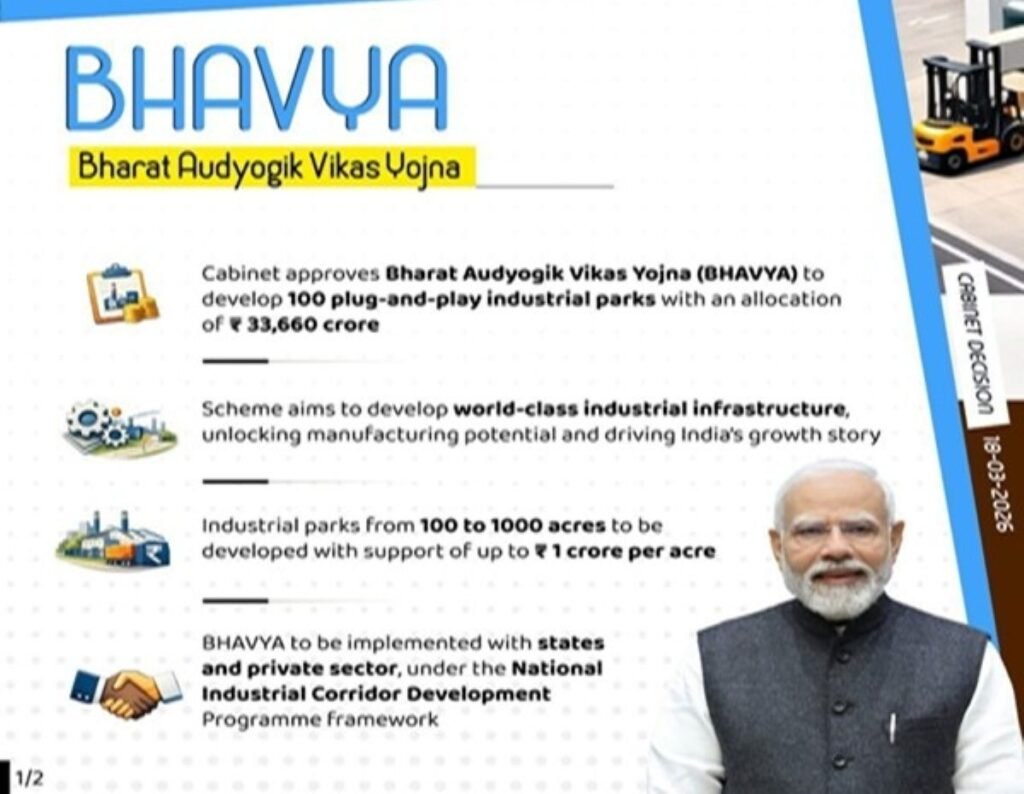
On 18 March 2026, the Union Cabinet approved the Bharat Audyogik Vikas Yojna (BHAVYA), a major step to boost India’s manufacturing sector. With a total outlay of ₹33,660 crore, the scheme focuses on developing 100 plug-and-play industrial parks across the country.

Announcing the decision in New Delhi, Information and Broadcasting Minister Ashwini Vaishnaw said the initiative will create world-class industrial infrastructure and unlock India’s manufacturing potential. The industrial parks will range from 100 to 1000 acres, with government support of up to ₹1 crore per acre for infrastructure development.

Key Features of BHAVYA Scheme

  • Development of 100 industrial parks across India
  • Plug-and-play model for faster industrial setup
  • Financial assistance up to ₹1 crore per acre
  • Focus on core, value-added, and social infrastructure
  • Designed to attract domestic and foreign investment

Objectives of BHAVYA

The BHAVYA scheme aims to:

  • Boost India’s manufacturing sector
  • Promote ease of doing business
  • Generate around 15 lakh direct jobs
  • Support MSMEs and local industries
  • Strengthen the vision of Atmanirbhar Bharat

Aadhaar Becomes World’s Largest Biometric ID System

On 18 March 2026, the government informed Parliament that Aadhaar has become the world’s largest biometric identity system, with nearly 134 crore active users. Over 17,000 crore authentication transactions have been completed so far, highlighting its massive scale and widespread usage across India.

Union Minister of State for Electronics and IT Jitin Prasada, in a written reply in the Lok Sabha, stated that the Aadhaar ecosystem—managed by the Unique Identification Authority of India (UIDAI)—plays a crucial role in enabling seamless identity verification for various services.

Key Features of Aadhaar System

Aadhaar authentication allows identity verification through:

  • OTP-based authentication
  • Biometric methods (fingerprint, iris, face recognition)
  • Demographic details

Notably, face authentication powered by Artificial Intelligence (AI) and Machine Learning (ML) is being increasingly used for accurate and secure verification.

Data Security & Privacy Measures

The government emphasized strong privacy safeguards in the Aadhaar ecosystem:

  • Data is encrypted both at rest and during transmission
  • Authentication logs are stored for 2 years, then archived for 5 years before deletion
  • Aadhaar data is stored within India only
  • Strict legal provisions regulate data usage and access

Regulatory Framework

Entities using Aadhaar services must be registered as:

  • Authentication User Agencies (AUA)
  • KYC User Agencies (KUA)

UIDAI also follows a three-tier audit system, including security and compliance audits, to ensure system integrity.

PM RAHAT Scheme: Cashless Treatment for Road Accident Victims

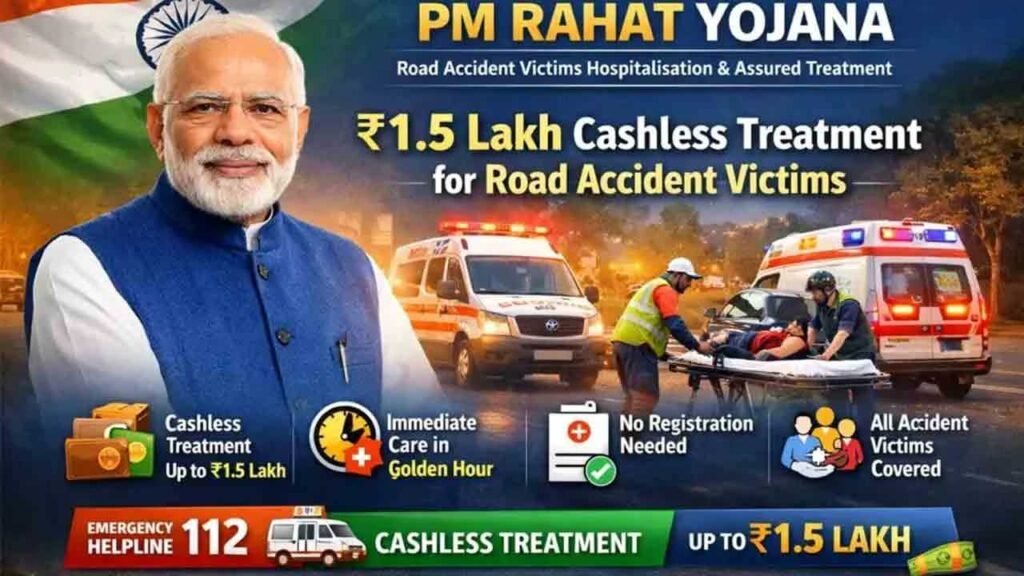
On 15 February 2026, Prime Minister Narendra Modi approved the launch of the PM RAHAT (Road Accident Victim Hospitalisation and Assured Treatment) Scheme. Under this scheme, every eligible road accident victim on any type of road will receive cashless medical treatment up to ₹1.5 lakh for a maximum period of seven days from the date of the accident.

The Ministry of Road Transport and Highways stated that the scheme reflects the government’s commitment to saving lives by ensuring immediate medical assistance after road accidents. Hospital expenses will be reimbursed through the Motor Vehicle Accident Fund.

Launched from Seva Teerth, New Delhi, PM RAHAT represents a citizen-first and compassionate governance approach. The initiative is significant as India records a high number of road accident fatalities each year, many of which are preventable. Studies show that nearly 50% of road accident deaths can be avoided if victims receive hospital care within the golden hour.

White Revolution 2.0 : Boost to Dairy Cooperatives and Women Empowerment

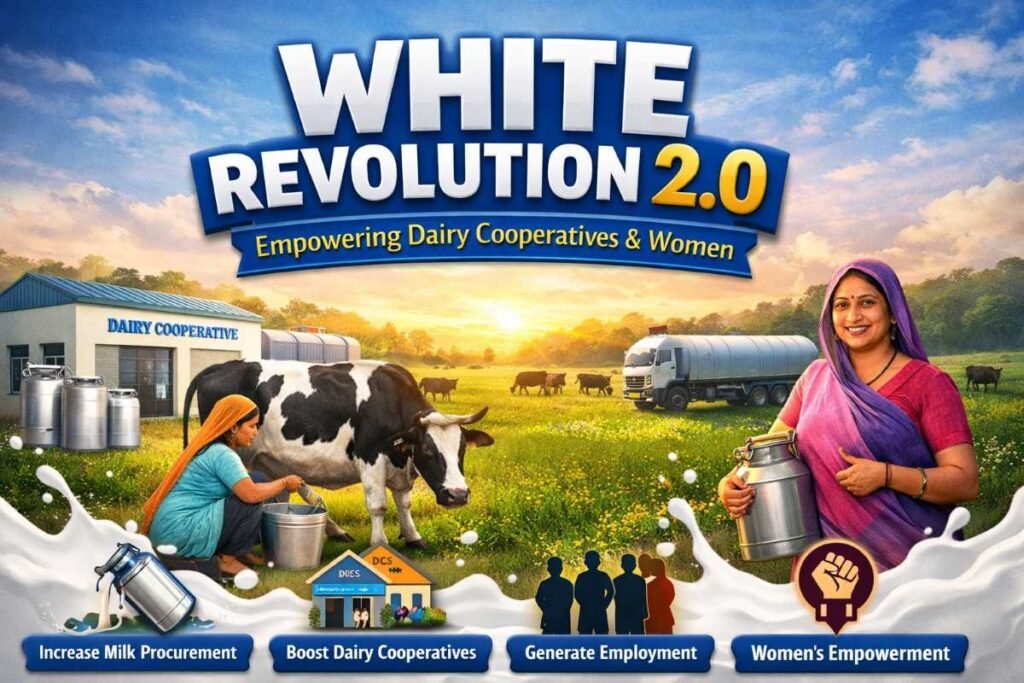
The Centre has launched White Revolution 2.0, a cooperative-led initiative by the Ministry of Cooperation, to expand dairy cooperative coverage, boost employment, address malnutrition, and strengthen women’s empowerment, the Lok Sabha was informed on February 9, 2026.

The programme aims to increase milk procurement by dairy cooperatives by 50% over five years, reaching 1,007 lakh kg per day by 2028–29. This will be achieved through a two-pronged strategy of expanding cooperative coverage in uncovered areas and deepening the reach of existing cooperatives in the organised sector.

Under the initiative, 75,000 new Dairy Cooperative Societies (DCS) will be set up in uncovered areas, while 46,422 existing DCSs will be strengthened. Around 1.20 lakh cooperatives (DCS, M-DCS and M-PACS) will be supported and connected to milk routes, along with infrastructure such as automatic milk collection units, milk testing equipment and bulk milk coolers.

White Revolution 2.0 is funded through the National Dairy Development Programme 2.0 (NPDD 2.0) of the Department of Animal Husbandry and Dairying.

Highlighting women’s role, the Centre noted that nearly 70% of the dairy workforce comprises women. By expanding cooperatives to every uncovered panchayat or village, the initiative seeks to bring more women into the organised dairy sector, enhancing their economic and social empowerment.

The details were shared by Union Minister for Home and Cooperation Amit Shah in a written reply to the Lok Sabha.

18th Rozgar Mela 2026: PM Modi Distributes Over 61,000 Appointment Letters

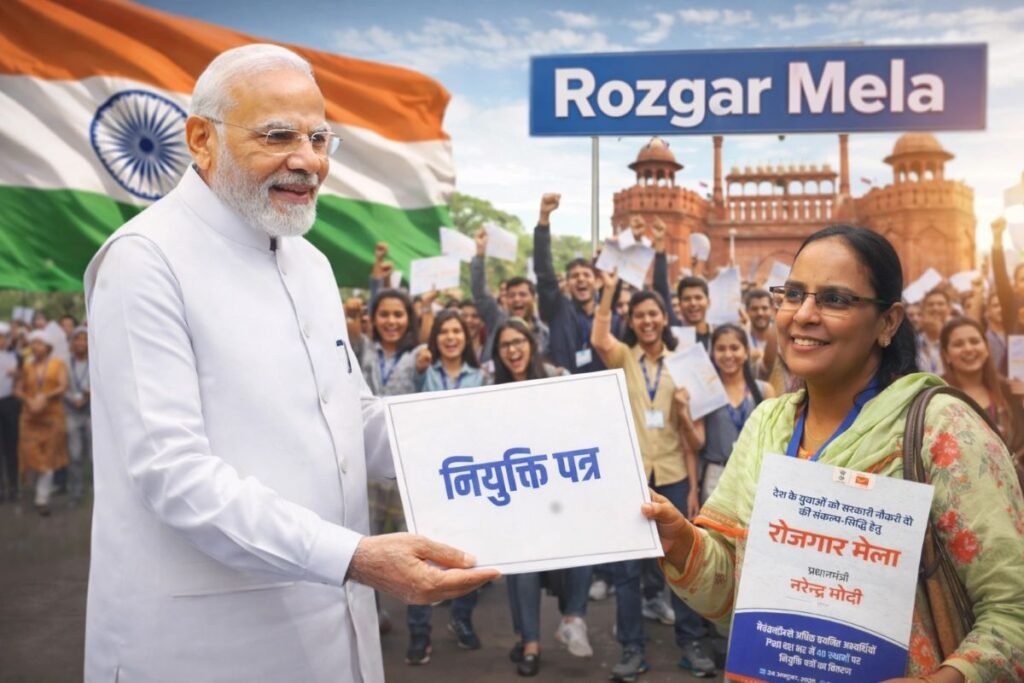
The 18th edition of the Rozgar Mela was held on 24 January 2026, during which Prime Minister Narendra Modi distributed over 61,000 appointment letters to newly recruited youth across various central government departments and organizations. The event was organized simultaneously at 45 locations across India, highlighting its nationwide scale and inclusive approach.

Addressing the appointees, the Prime Minister reiterated the government’s strong commitment to employment generation, emphasizing that job creation is central to national development and youth empowerment. The Rozgar Mela is a flagship initiative aimed at fast-tracking government recruitment and providing stable employment opportunities to young citizens.

Since its inception, Rozgar Melas have resulted in the issuance of more than 11 lakh appointment letters, reflecting their significant impact on public sector employment. Beyond recruitment, the initiative contributes to economic stability, institutional strengthening, and social equity by ensuring wider access to government jobs across regions.

Atal Pension Yojana Extended till 2030-31 & Equity Support to SIDBI

The Union Government on 21 January 2026 approved the continuation of the Atal Pension Yojana (APY) till 2030–31 and equity support of ₹5,000 crore to the Small Industries Development Bank of India (SIDBI).

Atal Pension Yojana (APY) – Extension

  • Approved till: 2030–31
  • Objective: Old-age income security for workers in the unorganised sector
  • Launched: May 2015
  • Benefits: Guaranteed pension of ₹1,000 – ₹5,000 per month after 60 years, depending on contribution
  • Subscribers enrolled: 8.66 crore+
  • Significance: Major component of India’s inclusive social security framework

Equity Support to SIDBI

  • Body involved: Small Industries Development Bank of India (SIDBI)
  • Total equity support approved: ₹5,000 crore
  • Purpose: To expand financial support to MSMEs
  • Expected beneficiaries: 25.74 lakh new MSME units
  • Growth projection:
    • MSMEs receiving financial assistance to rise from 76 lakh (FY 2025)
    • To 1 crore+ (FY 2028)

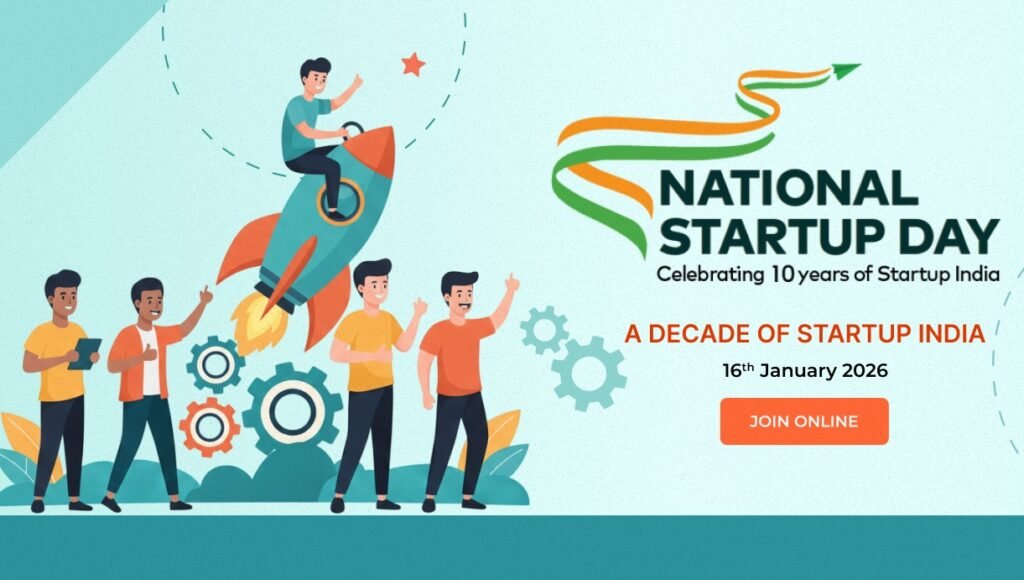
Startup India – 10-Year Summary (2016–2026)

Startup India, launched on January 16, 2016, has completed a decade of transforming India into a major global startup hub. The initiative helped India shift from a nation of job seekers to job creators, enabling a massive entrepreneurial wave celebrated annually on National Startup Day (January 16).

Key Outcomes

  • Ecosystem Growth: Startups expanded from ~350 in 2016 to 2.10 lakh+ recognized ventures.
  • Unicorn Surge: India now has 120+ unicorns valued at around $350 billion, ranking as the 3rd-largest startup ecosystem globally.
  • Inclusive Expansion: Strong growth in Tier-II & Tier-III cities with rising women-led ventures.
  • Employment Engine: Startups generated millions of jobs across tech and non-tech sectors.
  • Policy Support: DPIIT-led measures like tax incentives, funding schemes, incubation, and simplified compliance accelerated innovation.

10-Year Impact Areas

  • Innovation: Boosted sectors like AI, fintech, edtech, agritech, healthtech.
  • Economy: Enhanced GDP contribution and drew significant global investments.
  • Global Standing: Positioned India as a leading startup powerhouse.
  • Social Impact: Catalyzed solutions in healthcare, education, agriculture, sustainability.

Future Direction

The initiative is now focusing on AI, deep tech, sustainability, and aligning with India’s long-term vision of Viksit Bharat 2047.

Conclusion

A decade of Startup India marks a major entrepreneurial revolution, democratizing opportunities from metros to small towns. The next decade aims to deepen technological leadership, inclusiveness, and global competitiveness.

VB-G RAM G Bill 2025: New Law to Replace MGNREGA

The Viksit Bharat–Guarantee for Rozgar and Ajeevika Mission (Gramin) Bill, 2025 (VB-G RAM G Bill) was introduced in the Lok Sabha on 16 December 2025. It proposes to replace the Mahatma Gandhi National Rural Employment Guarantee Act (MGNREGA), marking the biggest reform in India’s rural employment framework in over two decades.

About MGNREGA

MGNREGA, enacted in 2005, guarantees 100 days of wage employment per year to rural households. It has been one of India’s largest social security schemes, providing livelihood support, reducing rural distress, and creating basic rural assets.

What the New Bill Proposes

  • Guaranteed Employment: Increases assured work from 100 days (MGNREGA) to 125 days annually.
  • Infrastructure Focus: Shifts from temporary works to durable rural infrastructure like roads and irrigation.
  • Digital & Transparent System: Real-time wage payments, digital tracking, and stricter audits.
  • Skill Development: Training for rural workers to meet modern economic needs.
  • Funding Change: Revises the Centre–State funding ratio, raising concerns among states.

India Installs 7075.78 MW Rooftop Solar Under PM Surya Ghar Muft Bijli Yojana; Gujarat Leads the Nation

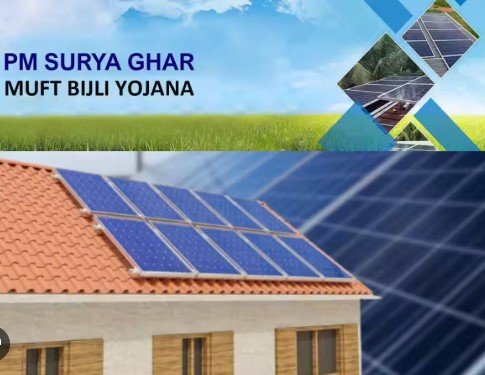
India has successfully installed 7,075.78 MW of rooftop solar capacity under the PM Surya Ghar: Muft Bijli Yojana, covering nearly 24 lakh households across the country as of December 2025.


🌞 Overview of the Scheme

  • PM Surya Ghar: Muft Bijli Yojana (PMSG: MBY): A demand-driven program launched to promote residential rooftop solar installations.
  • Target: One crore households by FY 2026–27.
  • Financial Outlay: ₹75,021 crore allocated for implementation.
  • Eligibility: All residential consumers with grid-connected electricity connections can apply via the National Portal.

📊 Current Achievements

  • Installed Capacity: 7,075.78 MW rooftop solar in the residential sector.
  • Households Covered: 23.96 lakh households, which is about 23.96% of the target.
  • Top Performing States:
    • Gujarat: 1,828 MW
    • Maharashtra: 1,322 MW
    • Uttar Pradesh: 1,024 MW
      Together, these three states account for nearly 60% of total capacity.

⚡ Benefits to Citizens

  • Free Electricity: Households can generate up to 300 units per month free of cost, reducing dependence on grid supply.
  • Savings: Lower electricity bills and long-term financial relief.
  • Sustainability: Promotes clean energy adoption, reducing carbon footprint.
  • Community Empowerment: Encourages decentralized energy production and local participation.

Cabinet Approves ₹7,280 Crore Scheme for Rare Earth Magnet Manufacturing

The Union Cabinet has approved a new scheme worth ₹7,280 crore to promote the manufacturing of sintered rare earth permanent magnets in India. This is the country’s first initiative aimed at establishing an annual production capacity of 6,000 metric tonnes of integrated permanent magnets.

Union Minister Ashwini Vaishnaw stated that rare earth permanent magnets are among the strongest available and are essential for technologies such as electric vehicles, renewable energy equipment, electronics, aerospace, and defence systems. The scheme will support complete domestic production — from processing rare earth oxides into metals, converting metals into alloys, and finally manufacturing finished magnets.

Demand for these magnets in India is rising rapidly and is expected to double by 2030, largely due to growth in EVs, renewable energy, and electronics. Currently, India depends mainly on imports for its requirements.

This initiative will enable India to set up its first integrated rare earth magnet manufacturing ecosystem, strengthening self-reliance, boosting skilled employment, and supporting the national goal of achieving Net Zero emissions by 2070.

The scheme will run for seven years, including a two-year setup period, and production capacity will be allocated to five selected beneficiaries through a global competitive process.

Research, Development and Innovation (RDI) Scheme Fund Launched

The Research, Development and Innovation (RDI) Scheme Fund, launched by Prime Minister Narendra Modi on 3 November 2025 during ESTIC 2025 at Bharat Mandapam, New Delhi, is a ₹1 lakh crore initiative (2025–2031) to promote private sector-led R&D and deep-tech innovation in India. Implemented by the Department of Science and Technology (DST) under the strategic direction of the Anusandhan National Research Foundation (ANRF), the scheme aims to make India a global innovation hub.

Its objectives include fostering technological self-reliance, encouraging industry participation, and supporting strategic sectors such as AI, quantum computing, biotechnology, energy security, climate action, and the digital economy.

Key features include flexible financing options (low-interest loans, equity funding, and a Deep-Tech Fund of Funds), simplified funding access, and enhanced industry-academia collaboration. The scheme is expected to boost India’s global competitiveness, strengthen the innovation ecosystem, create high-tech jobs, and generate intellectual property assets.

Model Youth Gram Sabha (MYGS) Launched on 30 October 2025

The National launch of the Model Youth Gram Sabha (MYGS) was successfully held on 30 October 2025 in New Delhi, jointly organized by the Ministry of Panchayati Raj, the Ministry of Education (Department of School Education and Literacy), and the Ministry of Tribal Affairs. The event was graced by Prof. S. P. Singh Baghel, Union Minister of State for Panchayati Raj and Fisheries, Animal Husbandry & Dairying, and Shri Durgadas Uikey, Union Minister of State for Tribal Affairs.

During the event, the Training Module on Model Youth Gram Sabha and the MYGS Portal were launched to support effective implementation, teacher capacity building, and student engagement in grassroots democracy. The initiative will be implemented in over 1,000 schools across India, including Jawahar Navodaya Vidyalayas (JNVs), Eklavya Model Residential Schools (EMRSs), and State Government Schools.

The Model Youth Gram Sabha is a pioneering initiative aimed at promoting Janbhagidari (public participation) and participatory local governance by involving students in simulated Gram Sabha sessions. Aligned with the National Education Policy 2020, it seeks to instill democratic values, civic responsibility, and leadership skills among the youth, fostering the vision of a Viksit Bharat.

NAKSHA Programme: Modernizing Urban Land Records in India

The NAKSHA Programme (National Geospatial Knowledge-based Land Survey of Urban Habitations) is a pilot initiative launched in February 2025 by India’s Department of Land Resources (DoLR) under the Digital India Land Records Modernization Programme (DILRMP). It aims to modernize urban land records using geospatial and GIS technologies for better governance and transparency.

Covering 157 urban local bodies across 27 states and 3 union territories, the programme spans over 4,484 sq. km, benefiting more than 1.5 crore citizens. It was inaugurated by Union Minister Shivraj Singh Chouhan in Raisen, Madhya Pradesh.

The initiative uses drone-based mapping, GIS integration, and digital land records to ensure accurate property data, efficient urban planning, and easier dispute resolution. Implemented with support from the Survey of India, NICSI, MPSeDC, and state land departments, NAKSHA is a step toward digital, transparent, and citizen-friendly land governance, with plans for nationwide expansion in the future.

UDAN Scheme Completes 9 Years: 1.56 Crore Passengers Benefited Since 2016

The Regional Connectivity Scheme – UDAN (Ude Desh Ka Aam Nagrik) has enabled over 1.56 crore passengers to travel through 3.23 lakh flights since its launch on 21 October 2016 under the National Civil Aviation Policy. Marking its 9th anniversary, Civil Aviation Secretary Samir Kumar Sinha called UDAN a transformational initiative that made air travel affordable and accessible. The government plans to extend the scheme beyond April 2027 under an Expanded UDAN Framework, focusing on better connectivity to hilly, North-Eastern, and aspirational regions and developing 120 new destinations.

So far, 649 routes have connected 93 unserved and underserved airports, including 15 heliports and 2 water aerodromes. Over ₹4,300 crore has been given as Viability Gap Funding, and ₹4,638 crore invested in airport development. The government also introduced Guidelines for Seaplane Operations and launched UDAN 5.5, granting Letters of Intent for 150 new routes connecting 30 water aerodromes across coastal and island regions.

Mukhyamantri Mahila Rojgar Yojana – Bihar

Prime Minister Narendra Modi & CM Nitish Kumar on 26 September 2025 launched Bihar’s Mukhyamantri Mahila Rojgar Yojana.

  • Budget: ₹7,500 crore
  • Beneficiaries: 75 lakh women (₹10,000 each in Phase 1, via DBT)
  • Further Support: Up to ₹2 lakh for successful enterprises
  • Sectors Supported: Agriculture, animal husbandry, tailoring, weaving, handicrafts, etc.

Training & Support:

  • SHG resource persons to train and mentor women
  • Development of Gramin Haat Bazaars for product sales

Eligibility:

  • Women 18–60 years, residents of Bihar
  • Not an income tax payer or government employee (self/husband)

Ayushman Bharat, the world’s largest govt-funded health assurance scheme, completes 7 years

On 23 September 2025, Ayushman Bharat – Pradhan Mantri Jan Arogya Yojana completed seven years since its launch in 2018 from Ranchi. It is the world’s largest government-funded health assurance scheme, covering over 55 crore beneficiaries and providing ₹5 lakh annual health cover per family. So far, the scheme has enabled 10.3 crore hospital admissions worth ₹1.48 lakh crore in cashless treatment.

The beneficiary base has expanded to 12 crore families, including ASHA and anganwadi workers (2024), senior citizens above 70 (2024) through the Ayushman Vay Vandana Card, and nearly 1 crore gig/platform workers. With 1.8 lakh Ayushman Arogya Mandirs across India, the scheme has strengthened universal health coverage.

Scroll to Top