Important Days


Important National and International Day, Latest Update for Competitive Exams.

World Environment Day 2026

World Environment Day is observed every year on 5 June to raise awareness about environmental protection and encourage sustainable actions. It is led by the United Nations Environment Programme (UNEP) and is the world’s largest environmental awareness campaign.

The theme of World Environment Day 2026 is “Inspired by Nature. For Climate. For Our Future.” The campaign focuses on climate change, nature-based solutions, and the urgent need to protect ecosystems for a sustainable future. The campaign message for 2026 is #NowForClimate.

The Republic of Azerbaijan is hosting the global observance of World Environment Day 2026. The event highlights the importance of reducing greenhouse gas emissions, conserving biodiversity, promoting clean energy, and encouraging people to take action against climate change.

World Environment Day was established by the United Nations in 1972, and the first celebration was held in 1973. Today, it is observed in more than 150 countries, involving governments, organizations, schools, and citizens in environmental conservation activities.

31 May is World No Tobacco Day

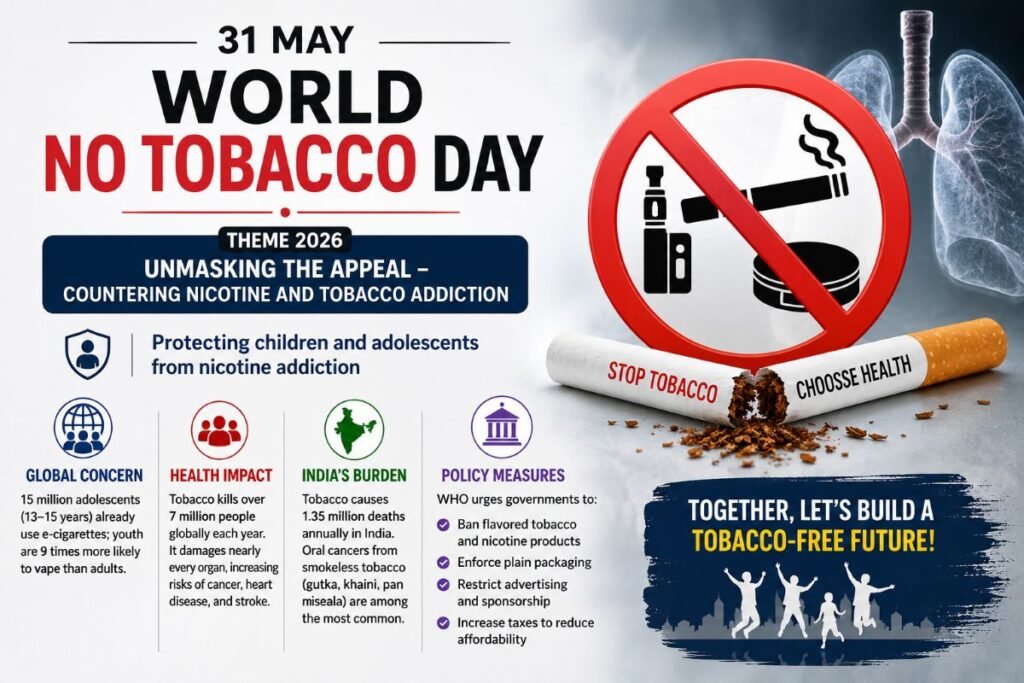
World No Tobacco Day is observed every year on 31 May to raise awareness about the harmful effects of tobacco use and nicotine addiction. The World Health Organization (WHO) has chosen the theme for 2026 as “Unmasking the Appeal – Countering Nicotine and Tobacco Addiction.”

The campaign focuses on protecting children and adolescents from the growing use of e-cigarettes, vapes, and flavored nicotine products, which are often marketed as fashionable and safer alternatives to traditional tobacco. According to WHO, around 15 million adolescents aged 13–15 years use e-cigarettes globally, and young people are significantly more likely to vape than adults.

Tobacco remains a major public health challenge, causing over 7 million deaths worldwide each year. In India, tobacco-related diseases lead to approximately 1.35 million deaths annually, with oral cancers linked to smokeless tobacco products such as gutka, khaini, and pan masala being particularly common.

To reduce tobacco and nicotine addiction, WHO urges governments to ban flavored products, enforce plain packaging, restrict advertising and sponsorship, and increase taxes on tobacco products. The observance highlights the need for stronger measures to protect youth and promote a tobacco-free future.
World Football Day is observed annually on 25 May

World Football Day is observed annually on 25 May, following its declaration by the United Nations General Assembly (UNGA) in 2024. The day marks the 100th anniversary of the first internationally representative football tournament held during the 1924 Paris Olympics. The resolution was introduced by Libya’s UN Ambassador Taher El-Sonni and received support from more than 160 UN member nations.

The observance celebrates football as the world’s most popular sport and recognizes its power to promote peace, unity, diplomacy, gender equality, and social inclusion. Football acts as a universal language that connects people across cultures, races, and nations. It also supports sustainable development by encouraging health, education, and empowerment, particularly for women and marginalized communities.

Football first appeared in the Olympics at the 1900 Paris Games, while women’s football was added in the 1996 Atlanta Olympics. The sport is globally governed by FIFA, which has 211 member associations, making football one of the most influential sports worldwide.

International Day for Biological Diversity = 22 May

International Day for Biological Diversity is observed every year on 22 May to promote awareness about the importance of biodiversity and the need for conservation. The 2026 theme, “Acting Locally for Global Impact,” highlights the role of community-level efforts in protecting biodiversity and supporting the Kunming-Montreal Global Biodiversity Framework.

The day is organized by the Secretariat of the Convention on Biological Diversity (CBD) under the United Nations framework and is linked to the 1992 Earth Summit in Rio de Janeiro. Biodiversity includes plants, animals, microorganisms, ecosystems, and genetic diversity that sustain life on Earth.

Growing threats such as climate change, pollution, deforestation, and overuse of natural resources are causing rapid biodiversity loss. The Kunming-Montreal Framework aims to halt and reverse this decline through global goals for 2050 and 23 action targets to be achieved by 2030.

International Tea Day 2026 | 21 May

International Tea Day is observed every year on 21 May to recognize the cultural, economic, and social importance of tea across the world. In 2026, the official theme is “Sustaining Tea, Supporting Communities.” The day highlights tea’s rich cultural heritage, health benefits, and its contribution to employment and sustainable development.

Tea is one of the most consumed beverages globally and supports the livelihoods of more than 13 million people, especially smallholder farmers and tea workers in developing countries. The observance also promotes sustainable tea production, fair trade practices, and better working conditions in the tea industry.

The United Nations General Assembly (UNGA) officially declared 21 May as International Tea Day in 2019, and the first official celebration was held in 2020. Countries such as India, China, Sri Lanka, and Kenya are among the leading tea producers in the world. International Tea Day reminds people of tea’s global significance in culture, trade, and rural development.

National Technology Day and Pokhran-II

National Technology Day is observed every year on 11 May to commemorate India’s Pokhran-II nuclear tests conducted in 1998 and to celebrate the country’s achievements in science and technology. The day was declared by former Prime Minister Atal Bihari Vajpayee in 1999 after Operation Shakti.

On 11 May 1998, India successfully conducted the Pokhran-II nuclear tests, establishing itself as a nuclear-capable nation. On the same day, the indigenous Hansa-3 aircraft completed its maiden flight, and the Trishul missile was successfully tested under DRDO’s missile programme.

The 2026 theme focuses on India’s advancements in Artificial Intelligence (AI), semiconductors, clean energy, digital infrastructure, and space technology. Recent achievements highlighted include Chandrayaan-3, Aditya-L1, and the Prototype Fast Breeder Reactor (PFBR) at Kalpakkam, which achieved first criticality in 2026.

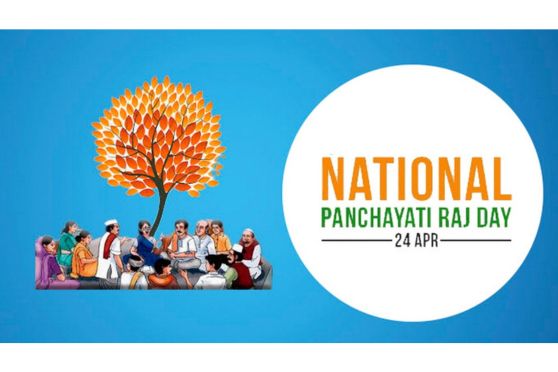
National Panchayati Raj Day : 24 April 2026

National Panchayati Raj Day is observed every year on 24 April to mark the implementation of the 73rd Constitutional Amendment Act, 1992, which came into force on 24 April 1993, granting constitutional status to Panchayati Raj Institutions (PRIs).

The theme for 2026, “Sashakt Panchayat, Sarvangeen Vikas”, emphasizes the role of empowered local governance in achieving holistic rural development and contributing to Sustainable Development Goals (SDGs) and the vision of Viksit Bharat 2047.

The amendment established a three-tier systemGram Panchayat, Panchayat Samiti, and Zila Parishad, with provisions for reservation (including 33% for women), 5-year tenure, and creation of State Election and Finance Commissions to ensure democratic functioning and financial decentralization.

World Earth Day April 22, 2026

World Earth Day is observed every year on April 22 to raise awareness about environmental protection and sustainability. It is a global event supported by governments, organizations, and individuals to promote actions that protect the planet Earth.

The theme for World Earth Day 2026 focuses on strengthening efforts toward climate action, environmental conservation, and sustainable living. The day highlights urgent global challenges such as climate change, pollution, deforestation, and biodiversity loss, encouraging collective responsibility.

World Creativity and Innovation Day: April 21, 2026

World Creativity and Innovation Day is observed every year on April 21, promoting the importance of creative thinking and innovation in solving global challenges. Recognized by the United Nations (UN) in 2017, the day highlights creativity not only in arts but also in science, technology, business, and education.

The 2026 theme focuses on using creativity and innovation for sustainable development, addressing issues like climate change, poverty, and inequality. It encourages individuals, organizations, and governments to adopt innovative solutions for economic growth, social progress, and environmental sustainability.

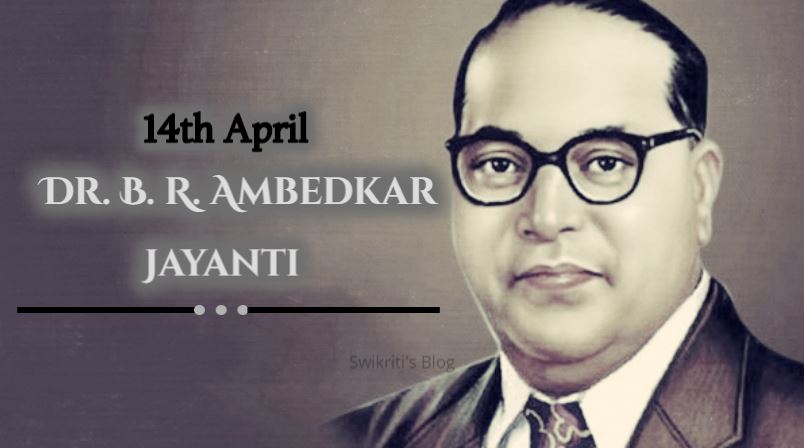
B. R. Ambedkar – 136th Birth Anniversary (April 14, 2026)

The 136th birth anniversary of B. R. Ambedkar was observed across India on April 14, 2026, honoring his immense contribution to social justice, equality, and nation-building.

📌 Key Highlights
  • Popularly known as the “Father of the Indian Constitution”, Ambedkar played a pivotal role in drafting the Constitution of India.
  • Celebrated annually as Ambedkar Jayanti, the day is marked by tributes, cultural programs, and awareness campaigns.
  • Leaders and citizens across the country paid homage at places like Deekshabhoomi and Chaitya Bhoomi.
🌟 Significance
  • Ambedkar championed the rights of Dalits, women, and marginalized communities, advocating equality and social reform.
  • His ideas on democracy, liberty, and fraternity continue to shape India’s governance and society.
  • The day promotes awareness about constitutional values and social justice.

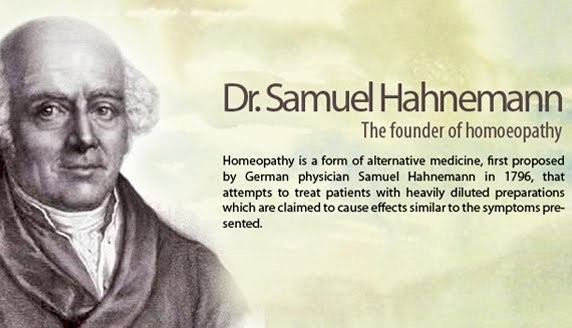
April 10 – World Homoeopathy Day

World Homoeopathy Day is observed every year on April 10 to commemorate the birth anniversary of Samuel Hahnemann, the founder of homoeopathy.

📜 Significance

  • Promotes awareness about homoeopathy, a system of alternative medicine based on the principle of “like cures like.”
  • Recognizes the contribution of homoeopathy in preventive and holistic healthcare.
  • Encourages research, education, and integration of homoeopathy into public health systems.

🧪 About Homoeopathy

  • Developed in the late 18th century by Samuel Hahnemann.
  • Uses highly diluted natural substances to stimulate the body’s healing process.
  • Focuses on treating the root cause rather than just symptoms.

World Health Day observed on 7 April 2026

World Health Day 2026 is observed on 7 April 2026 across the globe to raise awareness about important health issues and promote well-being for all. The day is organized every year by the World Health Organization (WHO), marking its foundation anniversary in 1948.


🎯 Theme of World Health Day 2026

The theme for World Health Day 2026 focuses on “Health for All: Strengthening Universal Healthcare Systems” (theme may vary slightly as per WHO announcement).

30 March – International Day of Zero Waste

The International Day of Zero Waste is observed annually on 30 March to promote sustainable consumption and reduce waste generation. Established by the United Nations in 2022, the day highlights the importance of the 3Rs—Reduce, Reuse, Recycle and encourages a shift towards a circular economy.

It aims to raise awareness about the environmental, economic, and health impacts of waste while motivating individuals and communities to adopt eco-friendly practices such as minimizing plastic use, recycling, and composting. Overall, the day emphasizes that responsible waste management is essential for environmental protection and sustainable development.

World Tuberculosis Day – 24 March

World Tuberculosis (TB) Day is observed every year on 24 March to raise awareness about the global burden of tuberculosis and efforts to eliminate the disease. The day is marked by the World Health Organization (WHO) and commemorates the discovery of the TB-causing bacterium Mycobacterium tuberculosis by Dr. Robert Koch in 1882.

Key Facts about Tuberculosis

  • TB mainly affects the lungs (pulmonary TB) but can also affect other parts of the body.
  • It spreads through the air when an infected person coughs or sneezes.
  • TB is curable and preventable, yet millions are affected globally every year.

Global & India Initiatives

  • WHO’s End TB Strategy aims to eliminate TB by 2030.
  • India has set an ambitious target to eliminate TB by 2025 under the National TB Elimination Programme (NTEP).
  • Campaigns focus on free diagnosis, treatment, and awareness.

Parsi New Year Navroz 2026 Celebrated: Festival of Renewal and Prosperity

Parsi New Year, or Navroz, was celebrated on Saturday, 21 March 2026, marking the spring equinox and symbolizing renewal, prosperity, and new beginnings. In India, especially in Mumbai and Gujarat, the Parsi community celebrated the festival with prayers, festive meals, and cultural gatherings.

Significance of Navroz

Navroz, meaning “new day” (from Persian nav – new, roz – day), is rooted in Zoroastrian tradition and has been celebrated for over 3,000 years. It marks the beginning of the Iranian calendar year and is recognized globally, including by the United Nations as International Nowruz Day.

CISF Raising Day 2026: Celebrating 57 Years of Industrial Security

CISF Raising Day 2026 was celebrated on March 10, marking the 57th anniversary of the Central Industrial Security Force (CISF). The grand parade and events were held at Mundali, Cuttack, Odisha, with Union Home Minister Amit Shah attending as chief guest. The day honored CISF’s role in safeguarding India’s critical infrastructure, including airports, seaports, nuclear plants, and major industrial undertakings.


📅 History & Background

  • Formation: CISF was established in 1969 under the CISF Act, 1968.
  • Purpose: Initially tasked with protecting public sector undertakings (PSUs), it has since expanded to cover airports, metros, nuclear facilities, and major industrial plants.
  • Growth: From a modest beginning, CISF has grown into one of India’s largest Central Armed Police Forces (CAPFs) under the Ministry of Home Affairs.

🎖️ CISF Raising Day 2026 Celebrations

  • Date: March 10, 2026.
  • Venue: KRTC Mundali, Cuttack, Odisha.
  • Chief Guest: Union Home Minister Amit Shah.
  • Highlights:
    • Grand parade showcasing discipline and operational readiness.
    • Demonstrations of tactical drills, disaster response, and counter-terror capabilities.
    • Awards & honors presented to personnel for distinguished service.
    • DG Praveer Ranjan reviewed preparations, emphasizing precision and excellence.

🛡️ Significance of CISF

  • Critical Infrastructure Protection: Safeguards airports, seaports, nuclear plants, metro networks, and industrial complexes.
  • Specialized Roles:
    • Airport Security: CISF is the primary force at all major Indian airports.
    • Disaster Response: Trained for emergency evacuations and crisis management.
    • VIP Security: Provides protection to certain dignitaries.
  • Contribution to National Security: Acts as a shield for India’s economic and strategic assets, ensuring uninterrupted functioning of industries and transport hubs.

📊 CISF at a Glance

AspectDetails
Established1969 under CISF Act, 1968
Personnel StrengthOver 1.7 lakh (approx.)
Key AreasAirports, metros, nuclear plants, PSUs, seaports
MinistryMinistry of Home Affairs
Motto“Protection and Security”

World Wildlife Day 2026

📅 What is World Wildlife Day?

World Wildlife Day is celebrated every year on 3 March, as declared by the United Nations General Assembly in 2013. The date commemorates the signing of the Convention on International Trade in Endangered Species of Wild Fauna and Flora (CITES) in 1973. It is the most important global annual event dedicated to raising awareness about the value of wildlife and the urgent need for conservation.


🌿 Theme for 2026

The theme for World Wildlife Day 2026 is:

“Medicinal and Aromatic Plants: Conserving Health, Heritage and Livelihoods.”

This theme highlights:

  • The ecological importance of medicinal and aromatic plants (MAPs).
  • Their role in healthcare systems worldwide, from Ayurveda and Unani to modern pharmaceuticals.
  • Their contribution to rural livelihoods and traditional knowledge systems.
  • The need to protect biodiversity against threats like overharvesting, habitat loss, and climate change.

🌱 Why It Matters

  • Healthcare: Over 80% of the world’s population relies on plant-based medicines for primary healthcare.
  • Economy: MAPs support rural economies through farming, trade, and sustainable harvesting.
  • Culture: They are deeply embedded in traditional practices and indigenous knowledge.
  • Environment: Conserving plant biodiversity ensures ecological balance and resilience.

🐾 Global and Local Significance

  • Globally: The UN organizes virtual celebrations, youth art contests, and awareness campaigns to engage communities worldwide.
  • In India: The focus is on linking biodiversity with Ayurveda, Siddha, and tribal healing systems, while also promoting wildlife parks and reserves rich in medicinal plants.

✨ Key Takeaway

World Wildlife Day 2026 reminds us that protecting wildlife isn’t just about saving animals—it’s also about safeguarding the plants that heal us, sustain rural communities, and preserve cultural heritage. Conservation is not a choice; it’s a responsibility we share for the health of our planet and ourselves.

National Science Day : 28 February

National Science Day is celebrated in India every year on 28 February to commemorate the discovery of the Raman Effect by Nobel laureate C.V. Raman in 1928. This day highlights India’s scientific heritage, promotes awareness, and inspires innovation across the country.


Historical Background

  • Discovery of Raman Effect (1928): C.V. Raman discovered how light scatters when it passes through a transparent material, a phenomenon later named the Raman Effect.
  • Nobel Prize (1930): Raman became the first Indian scientist to win the Nobel Prize in Physics for this groundbreaking work.
  • Institutional Recognition: In 1986, the Government of India designated 28 February as National Science Day to honor this achievement.

Significance

  • Promotes scientific temper and awareness among citizens.
  • Encourages youth participation in science and technology.
  • Recognizes India’s contributions to global scientific progress.
  • Provides a platform for educational institutions to organize exhibitions, debates, and lectures.

Theme for 2026

The theme for National Science Day 2026 is:
“Women in Science: Catalysing Viksit Bharat”

  • Focuses on the role of women in driving innovation.
  • Aims to inspire young minds, especially girls, to pursue careers in STEM.
  • Connects science with India’s vision of becoming a developed nation (Viksit Bharat).

India’s Scientific Achievements Highlighted in 2026

  • Advances in space exploration (ISRO missions).
  • Growth in artificial intelligence and quantum computing.
  • Youth-led science initiatives across schools and universities.

World Day of Social Justice : 20 February

World Day of Social Justice is observed every year on 20 February to promote equality, fairness, and dignity for all. The day highlights the need to address issues like poverty, unemployment, social exclusion, gender inequality, and lack of access to education and justice.

The United Nations emphasizes social justice as a foundation for peace, sustainable development, and human rights. Governments, organizations, and civil society use this day to raise awareness and encourage policies that ensure equal opportunities and inclusive growth.

By promoting social justice, societies can create a world where no one is left behind and everyone gets a fair chance to live with respect and opportunity.

Global Tourism Resilience Day – February 17

Global Tourism Resilience Day is observed annually on February 17. It was established to highlight the importance of building a tourism sector that can withstand crises such as pandemics, natural disasters, economic shocks, and climate change. The day serves as a global call to action for governments, businesses, and travelers to prioritize sustainable and adaptable tourism practices.


📖 Background & Significance

  • Origins: The initiative was spearheaded by the Global Tourism Resilience and Crisis Management Centre (GTRCMC), with strong support from the United Nations and international tourism bodies.
  • Purpose: To strengthen tourism’s ability to recover quickly from disruptions while continuing to foster economic growth, cultural exchange, and environmental sustainability.
  • Global Impact: Tourism is a major source of income, employment, and foreign exchange for many countries, especially developing nations and small island states. Resilient tourism ensures these economies remain stable even during crises.

World Wetlands Day is observed every year on 2 February

World Wetlands Day is observed every year on 2 February to commemorate the signing of the Ramsar Convention in 1971. In 2026, the theme is “Wetlands and Traditional Knowledge: Celebrating Cultural Heritage”, highlighting the deep connections between wetlands, communities, and cultural practices. Wetlands are lifelines for biodiversity, climate resilience, and human livelihoods.


🌍 What is World Wetlands Day?

  • Date: Celebrated annually on 2 February.
  • Origin: Marks the adoption of the Ramsar Convention on Wetlands (1971, Ramsar, Iran).
  • Purpose: Raise awareness about the ecological, cultural, and economic importance of wetlands.

🌱 Theme for 2026

  • “Wetlands and Traditional Knowledge: Celebrating Cultural Heritage”
  • Focuses on how wetlands have historically supported human settlement, spirituality, craftsmanship, and food production.
  • Recognizes indigenous and local knowledge systems that have safeguarded wetlands for generations.

🌊 Why Wetlands Matter

  • Biodiversity: Wetlands are among the most productive ecosystems, home to countless species.
  • Climate Regulation: They store vast amounts of carbon, helping mitigate climate change.
  • Water Security: Wetlands filter water, recharge aquifers, and prevent floods.
  • Livelihoods: Millions depend on wetlands for fishing, farming, and cultural practices.
  • Cultural Heritage: Wetlands are living landscapes shaped by traditions and sustainable practices.

📌 Highlights from World Wetlands Day 2026

  • India: Union Minister Bhupender Yadav emphasized wetlands as “lifelines of the planet,” placing communities and cultural heritage at the center of conservation.
  • Manipur: Launch of a Wetlands Virtual Museum and recognition of climate-resilient villages.
  • Youth Engagement: Hackathons, symposiums, and student-led initiatives in Navi Mumbai showcased innovation in urban ecology.

Parakram Diwas: Honoring Netaji Subhas Chandra Bose

Parakram Diwas is celebrated every year on 23rd January to honor Netaji Subhas Chandra Bose’s unmatched courage, leadership, and contribution to India’s freedom struggle. Instituted by the Government of India in 2021, the day is observed as a tribute to his indomitable spirit and patriotism.

🌟 Meaning and Significance

  • Parakram Diwas (Day of Valour) commemorates the birth anniversary of Netaji Subhas Chandra Bose, one of India’s most revered freedom fighters.
  • The word Parakram translates to valor or courage, symbolizing Bose’s fearless pursuit of independence.
  • It is not just a remembrance but a national call to inspire citizens, especially the youth, to emulate his bravery and dedication.

📜 Historical Context

  • Netaji was born on 23 January 1897 in Cuttack, Odisha.
  • He founded the Indian National Army (INA), also known as Azad Hind Fauj, and established the Azad Hind Government in exile.
  • His leadership challenged colonial rule and gave Indians a sense of empowerment and unity against British domination.

National Disaster Response Force (NDRF) Raising Day : 19 January

NDRF Raising Day is celebrated every year on 19 January to honor the National Disaster Response Force (NDRF), India’s premier disaster management unit formed in 2006 under the Disaster Management Act. It is a day of gratitude, pride, and reflection on the force’s lifesaving contributions.

🌐 Background and Significance

  • Formation: The NDRF was established in 2006 as a specialized force to respond to natural and man-made disasters.
  • Purpose: It was created to provide a dedicated, professional, and swift response to emergencies like floods, earthquakes, cyclones, landslides, and industrial accidents.
  • Raising Day: Observed annually on 19 January, it commemorates the inception of the force and highlights its achievements.

🚨 Structure and Deployment

  • Battalions: The NDRF currently has 16 battalions, drawn from paramilitary forces such as BSF, CRPF, CISF, ITBP, and SSB.
  • Locations: These battalions are strategically based at 68 locations across India, chosen according to vulnerability and disaster-prone zones.
  • Specialization: Personnel are trained in search and rescue, medical aid, chemical and nuclear disaster response, and community awareness programs.

Army Day 2026 Celebrated in Jaipur

The 78th Army Day was celebrated on 15 January 2026 in Jaipur, commemorating the 1949 appointment of Field Marshal K.M. Cariappa as the first Indian Commander-in-Chief. The 2026 theme, “Year of Networking and Data Centricity,” highlighted the Army’s focus on modernization, digital integration, and network-centric warfare.

For the first time, the parade was held outside a cantonment, at Mahal Road, Jagatpura, featuring combat demonstrations, modern equipment, and the debut of the Bhairav Battalion, along with a “Know Your Army” exhibition.

Army Day honors soldiers’ sacrifices, strengthens national pride, and showcases the Army’s roles in defense, disaster relief, peacekeeping, and nation-building. The celebration blends tradition with modernization, reflecting India’s journey toward self-reliance in defense.

Armed Forces Veterans’ Day (14 January)

Armed Forces Veterans’ Day is observed every year on 14 January to honour the service, sacrifice, and contributions of India’s military veterans. The day marks the retirement anniversary of Field Marshal K.M. Cariappa in 1953, the first Commander-in-Chief of the Indian Army after Independence, making it a symbolic tribute to the armed forces.

The observance aims to recognize veterans of the Army, Navy, and Air Force, support Veer Naris (war widows) and families of ex-servicemen, and strengthen the bond between serving personnel and retired soldiers. Events are held nationwide through Rajya and Zila Sainik Boards, featuring rallies, welfare help desks, grievance counters, and wreath-laying ceremonies. Major gatherings often take place in Delhi Cantonment (Manekshaw Centre), Pune, and other military stations.

National Youth Day 2026: Celebrating Swami Vivekananda’s Legacy

National Youth Day is observed every year on 12 January in India to commemorate the birth anniversary of Swami Vivekananda, one of the country’s greatest spiritual leaders, philosophers, and youth icons. The day aims to inspire young people to follow his ideals of character-building, knowledge, discipline, and nation-building.


📅 Historical Background

  • In 1984, the Government of India declared 12 January as National Youth Day.
  • The first official celebration took place on 12 January 1985.
  • The decision was based on Swami Vivekananda’s lasting influence on youth empowerment and his contribution to Indian thought and culture.

👤 About Swami Vivekananda

  • Born: 12 January 1863, Kolkata
  • Original Name: Narendranath Datta
  • Key Contribution: Introduced Indian philosophy and Vedanta to the Western world through his iconic speech at the World Parliament of Religions in Chicago (1893).
  • Mission: Awakening spiritual and social consciousness; service to humanity.
  • Legacy Organizations: Ramakrishna Mission and Ramakrishna Math

Pravasi Bharatiya Diwas 2026 Observed Globally as a Non-Convention Year

Pravasi Bharatiya Diwas (PBD) is celebrated every year on January 9 to honour the contributions of the global Indian diaspora. The day commemorates the return of Mahatma Gandhi to India on 9 January 1915, marking a major historical milestone.

Since 2015, PBD conventions have been held biennially, with the 18th edition hosted in Bhubaneswar in January 2025, and the next scheduled for 2027.

In 2026, PBD was observed as a non-convention year, with Indian embassies and missions worldwide organizing local events instead of a central gathering in India. The celebrations highlighted diaspora contributions to culture, economy, global partnerships, and nation-building.

Prime Minister Narendra Modi extended greetings and described overseas Indians as “Rashtradoots” (ambassadors of the nation). Discussions emphasized the diaspora’s role in international networking, cultural diplomacy, innovation, and economic collaboration.

World Braille Day: Awareness for Inclusive Education and Accessibility

World Braille Day is observed every year on 4 January to raise awareness about the importance of Braille as a means of communication for people who are blind or visually impaired. The day marks the birth anniversary of Louis Braille, the French educator who developed the Braille system in the 19th century.

Braille is a tactile writing system that uses raised dots to represent letters, numbers, and symbols, enabling visually impaired individuals to read, write, and access education independently. It plays a crucial role in inclusive education, equal opportunities, and social empowerment.

The United Nations officially recognized World Braille Day to highlight that access to information is a fundamental human right. On this day, governments, educational institutions, and social organizations emphasize the need for accessible learning materials, assistive technologies, and inclusive policies.

Veer Baal Diwas: Honouring the Martyrdom of Sahibzadas (26 December)

Veer Baal Diwas is observed every year on 26 December to honour the martyrdom of Guru Gobind Singh Ji’s younger sons, Sahibzada Zorawar Singh Ji and Sahibzada Fateh Singh Ji, who refused to abandon their faith and chose sacrifice over submission at a very tender age. The day commemorates their unparalleled courage, devotion, and commitment to righteousness.

The younger Sahibzadas—Zorawar Singh (9) and Fateh Singh (7)—were captured by Mughal forces and pressured to renounce Sikhism. They stood firm and were bricked alive at Sirhind Fort, a defining moment of bravery in Sikh history. Veer Baal Diwas serves as a tribute to their sacrifice and inspires the nation with values of truth, resilience, and moral strength.

Observed nationwide, the day includes prayers, educational programmes, exhibitions, and cultural events, keeping their legacy alive among youth. The day also sees discussions around renaming it as Sahibzade Shahadat Diwas, emphasizing martyrdom. Veer Baal Diwas stands as a reminder that even children can become eternal symbols of courage and faith.

Good Governance Day 2025: Honouring Atal Bihari Vajpayee

Good Governance Day is observed every year on 25 December to commemorate the birth anniversary of former Prime Minister Atal Bihari Vajpayee, one of India’s most respected statesmen, poets, and visionary leaders. Declared by the Government of India in 2014, the day underscores the principles of accountability, transparency, efficiency, and citizen-centric governance, values that defined Vajpayee’s political and administrative philosophy.

Atal Bihari Vajpayee, born on 25 December 1924, served as Prime Minister of India three times and played a pivotal role in shaping modern India through inclusive governance, democratic values, and institutional strengthening. His leadership witnessed landmark initiatives such as the Pokhran-II nuclear tests (1998), the Golden Quadrilateral highway project, and major economic and telecom reforms, reflecting his commitment to national security and development.

Scroll to Top