Posts

  • Rajiv Gauba Appointed Full-Time Member of NITI Aayog

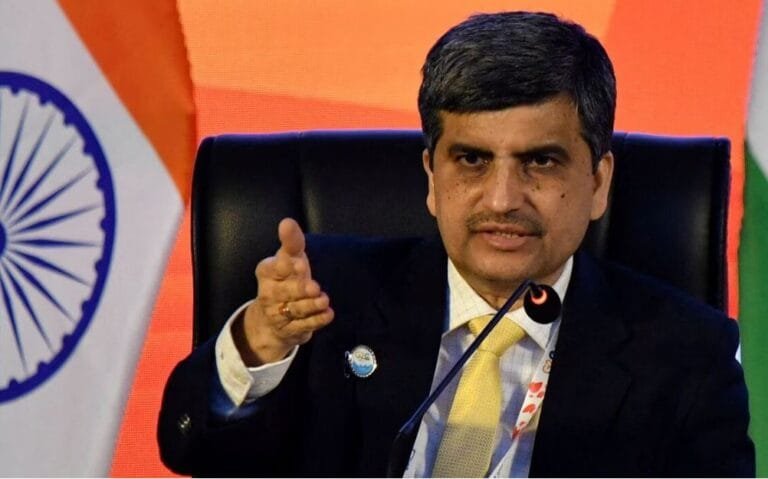
    Former Cabinet Secretary Rajiv Gauba has been appointed as a full-time member of the NITI Aayog, effective 25 March 2025. A distinguished 1982-batch IAS officer from the Jharkhand cadre, Mr. Gauba served as India’s top bureaucrat from 2019 to August 2024. During his tenure, he played a pivotal role in shaping India’s COVID-19 response and driving economic recovery strategies.

    With an illustrious career that includes serving as Union Home Secretary, Secretary in the Ministry of Urban Development, and Chief Secretary of Jharkhand, Mr. Gauba’s appointment has been approved by the Prime Minister. He will continue to contribute to India’s growth and development under the same terms as other full-time members of the NITI Aayog, further solidifying his legacy in the nation’s administrative framework.

  • Today Current Affairs MCQs : 25 March 2025

    Q. What was the original name of the Assam Rifles when it was first raised in 1835?

    a) Northeast Frontier Force
    b) Cachar Levy
    c) Eastern Border Regiment
    d) Himalayan Security Unit

    Show Answer
    Answer: b) Cachar Levy
    Established on March 24 in 1835 as the ‘Cachar Levy,’ the Assam Rifles has evolved through numerous historical events, playing a crucial role in safeguarding the northeastern region.

    Q. When is World Tuberculosis Day observed every year?

    a. 22 March
    b. 13 January
    c. 24 March
    d. 21 February

    Show Answer
    Ans: c. 24 March
    Observed on 24th March every year, World Tuberculosis Day aims to raise awareness

    Q. Why did Justice Yashwant Varma come under controversy in March 2025?

    A) Corruption allegations
    B) Discovery of cash at his residence
    C) Misuse of judicial powers
    D) Conflict with senior judges

    Show Answer
    Answer: B) Discovery of cash at his residence
    Justice Varma is currently under scrutiny following allegations of a large stash of cash being discovered at his Delhi residence after a fire broke out on March 14, 2025.

    Q. Who has been appointed as the new Finance Secretary of India on March 24, 2025?

    A) Tuhin Kanta Pandey
    B) Ajay Seth
    C) Rajiv Kumar
    D) Sanjay Malhotra

    Show Answer
    Answer: B) Ajay Seth
    The Government of India has designated Ajay Seth, a 1987-batch IAS officer of the Karnataka cadre, as the new Finance Secretary on March 24, 2025.

    Q. What is the revised monthly salary of Lok Sabha and Rajya Sabha members effective from April 1, 2023?

    A) Rs 1 lakh
    B) Rs 1.24 lakh
    C) Rs 1.5 lakh
    D) Rs 1.75 lakh

    Show Answer
    Answer: B) Rs 1.24 lakh
    The Centre has officially announced a significant revision in the salaries, allowances, and pensions of Members of Parliament (MPs), effective from April 1, 2023

  • Centre Approves Salary and Allowance Hike for MPs, Effective April 2023

    The Centre has officially announced a significant revision in the salaries, allowances, and pensions of Members of Parliament (MPs), effective from April 1, 2023. The Ministry of Parliamentary Affairs issued a gazette notification on March 24, 2025, confirming the changes.

    Key highlights of the revision:

    • Monthly Salary: Increased from ₹1 lakh to ₹1.24 lakh.
    • Daily Allowance: Raised from ₹2,000 to ₹2,500.
    • Pensions for Former MPs: Revised from ₹25,000 to ₹31,000 per month, with additional pensions for extended service increasing from ₹2,000 to ₹2,500 per year of service beyond five years.

    This comprehensive adjustment ensures MPs’ compensation keeps pace with inflation and supports their legislative duties effectively. MPs also receive enhanced allowances for constituency-related work, office maintenance, and other perks such as free flights, train travel, and accommodations.

    The last revision took place in 2018, making this a timely update to address rising living costs and economic shifts.

  • Ajay Seth Appointed as New Finance Secretary of India

    The Government of India has designated Ajay Seth, a 1987-batch IAS officer of the Karnataka cadre, as the new Finance Secretary on March 24, 2025. This appointment follows the elevation of Tuhin Kanta Pandey to the position of SEBI Chairperson.

    Ajay Seth, who previously served as the Secretary of the Department of Economic Affairs, brings over three decades of expertise in public finance, taxation, and governance. Known for his pivotal role in shaping India’s economic policies, he has been instrumental in managing infrastructure investments, coordinating with global financial institutions, and steering macroeconomic strategies.

    With a strong academic foundation, including a Master’s degree in Public Administration from Harvard University, Seth has also held key positions at the state level, such as Managing Director of Bangalore Metro Rail Corporation Limited. His leadership during the COVID-19 pandemic was marked by critical contributions to Union Budgets and economic recovery initiatives.

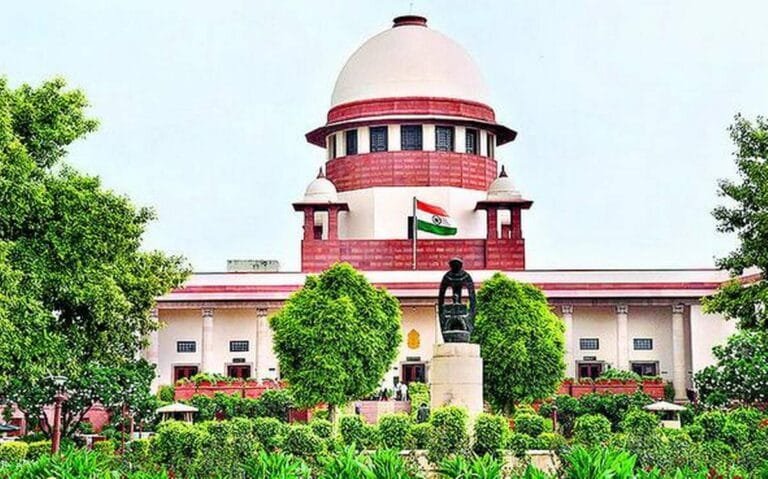
  • Supreme Court Collegium Recommends Transfer of Justice Yashwant Varma

    The Supreme Court Collegium has proposed the transfer of Justice Yashwant Varma, a sitting judge of the Delhi High Court, back to his parent court, the Allahabad High Court. This decision, taken during meetings on March 20 and March 24.

    However, the transfer has sparked controversy, with the Allahabad High Court Bar Association raising objections. Justice Varma is currently under scrutiny following allegations of a large stash of cash being discovered at his Delhi residence after a fire broke out on March 14. Reports suggest that firefighters found the cash while extinguishing the flames, though Justice Varma was not present at the time.

    In response to the allegations, Chief Justice of India Sanjiv Khanna has formed a three-member inquiry committee to investigate the matter. The committee includes:

    • Justice Sheel Nagu (Chief Justice, Punjab & Haryana High Court)
    • Justice G.S. Sandhawalia (Chief Justice, Himachal Pradesh High Court)
    • Justice Anu Sivaraman (Judge, Karnataka High Court)

    Meanwhile, Delhi High Court Chief Justice Devendra Upadhyaya has been directed not to assign any judicial work to Justice Varma until further notice.

    Justice Varma has strongly denied the allegations, claiming that this is a deliberate attempt to tarnish his reputation. He clarified that the room where the cash was allegedly found is an outhouse, separate from his main residence.

    The Supreme Court has emphasized that the transfer decision is unrelated to the ongoing controversy, aiming to maintain transparency and fairness.

  • World Tuberculosis Day : 24th March

    Observed on 24th March every year, World Tuberculosis Day aims to raise awareness about the severe health, social, and economic impact of Tuberculosis (TB) and to mobilize efforts to eliminate this global epidemic. The date commemorates the historic discovery of the TB bacteria by Dr. Robert Koch in 1882, paving the way for understanding and treating the disease.

    This year’s theme, “Yes! We Can End TB: Commit, Invest, and Deliver”, inspires deeper commitment to ending TB worldwide. It emphasizes combating drug-resistant TB and strengthening efforts at local, national, and international levels to save lives.

    In India, the central government has launched several initiatives to eradicate TB:

    • Ni-Kshay Poshan Yojana: Providing ₹1,000 per month as nutritional support to TB patients.
    • Free drugs and diagnostics: Ensuring accessible treatment for all.
    • 100-day TB Elimination Campaign: Prioritizing districts to find and treat missing cases, reduce deaths, and prevent new infections.

    According to the WHO’s Global TB Report 2024, India has made significant progress with a 17.7% decline in TB incidence rates from 237 per lakh population in 2015 to 195 per lakh population in 2023.

  • March 24th: Assam Rifles Commemorates 190th Raising Day

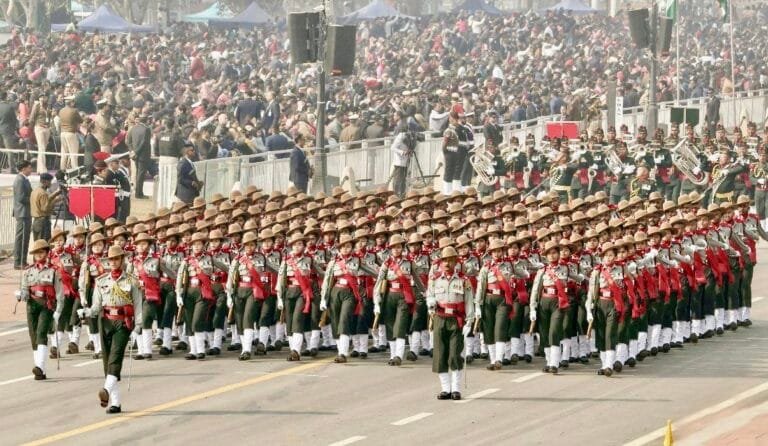
    “Assam Rifles, India’s oldest paramilitary force, commemorated its Raising Day on March 24, 2025, with profound pride and solemnity. This day marked the 190th Raising day, and celebrated the rich history and unwavering dedication of the “Sentinels of the Northeast.”

    Here’s a glimpse into the significance of Assam Rifles Raising Day:

    A Legacy of Service:

    • Established in 1835 as the ‘Cachar Levy,’ the Assam Rifles has evolved through numerous historical events, playing a crucial role in safeguarding the northeastern region.
    • Their contributions span from maintaining law and order to counter-insurgency operations and border security.
    • They also perform vital humanitarian aid during natural disasters.

    Guardians of the Northeast:

    • The Assam Rifles are deeply integrated with the local communities, fostering trust and cooperation.
    • Their presence ensures stability and security in a region known for its diverse cultures and challenging terrain.
  • Today Current Affairs MCQs : 24 March 2025

    Q. Who has been selected for the Jnanpith Award in March 2025?

    A) Gulzar
    B) Vinod Kumar Shukla
    C) Javed Akhtar
    D) Ruskin Bond

    Show Answer
    Answer: B) Vinod Kumar Shukla
    Renowned Hindi poet and writer Vinod Kumar Shukla has been honored with the prestigious Jnanpith Award on 22 March 2025.

    Q. When is World Water Day observed annually?

    A) 20 March
    B) 21 March
    C) 22 March
    D) 23 March

    Show Answer
    Answer: C) 22 March
    World Water Day is observed annually on 22 March to highlight the importance of freshwater and advocate for sustainable water management.

    Q. When is Shaheed Diwas observed in India to honor Bhagat Singh, Sukhdev, and Rajguru?

    A) March 22
    B) March 23
    C) August 15
    D) January 30

    Show Answer
    Answer: B) March 23
    Shaheed Diwas, also known as Martyrs’ Day, is observed on March 23rd every year in India to pay tribute to the brave freedom fighters Bhagat Singh, Sukhdev Thapar, and Shivaram Rajguru.

    Q. Which teams did India defeat in the Men’s and Women’s Kabaddi World Cup 2025 finals?

    A. Australia
    B. England
    C. Pakistan
    D. Iran

    Show Answer
    Answer: B. England
    On March 23, 2025, India made history by winning both the Men’s and Women’s Kabaddi World Cup titles at Wolverhampton, England.

  • India Triumphs at Kabaddi World Cup 2025

    On March 23, 2025, India made history by winning both the Men’s and Women’s Kabaddi World Cup titles at Wolverhampton, England.

    • The Indian Men’s Team secured a thrilling victory against England with a score of 44-41.
    • The Indian Women’s Team dominated England with a commanding 57-34 win.

    This tournament was special as it was the first Kabaddi World Cup held outside Asia, with matches across cities like Birmingham, Coventry, and Walsall.

    With this remarkable double victory, India has once again showcased its kabaddi supremacy, following its previous wins in the 2019 World Cup in Malaysia.

  • Shaheed Diwas (Martyrs’ Day) on March 23

    Shaheed Diwas, also known as Martyrs’ Day, is observed on March 23rd every year in India to pay tribute to the brave freedom fighters Bhagat Singh, Sukhdev Thapar, and Shivaram Rajguru. On this day in 1931, these three revolutionary heroes were executed by the British Government in the Lahore Central Jail. Their sacrifice remains a symbol of India’s fight for independence.

    Significance of Shaheed Diwas

    The day serves as a solemn reminder of the sacrifices made by countless patriots who laid down their lives for the freedom of the country. Bhagat Singh, Sukhdev, and Rajguru were part of the Hindustan Socialist Republican Association (HSRA), a revolutionary organization that fought against British colonial rule. Their courage and unwavering commitment to the nation continue to inspire generations.

    Key Events Leading to Their Martyrdom

    • 1928: Bhagat Singh and his associates protested against the Simon Commission, which did not include any Indian representation. During a protest, Lala Lajpat Rai was brutally assaulted by the police under the supervision of James A. Scott.
    • 1929: Seeking justice, Bhagat Singh and Rajguru assassinated J.P. Saunders, mistaking him for Scott, to avenge Lala Lajpat Rai’s death.
    • 1929: Bhagat Singh and Batukeshwar Dutt threw bombs in the Central Legislative Assembly to protest oppressive laws and willingly courted arrest.
    • 1931: After a controversial trial, Bhagat Singh, Sukhdev, and Rajguru were sentenced to death. Despite numerous appeals, they were executed on March 23rd.
  • World Water Day 2025: Focusing on Glacier Preservation

    World Water Day is observed annually on 22 March to highlight the importance of freshwater and advocate for sustainable water management. This year’s theme, “Glacier Preservation,” emphasizes the vital role of glaciers in maintaining global freshwater supplies and calls for urgent conservation efforts amid climate change.

    Established by the United Nations in 1992 during the Rio de Janeiro Conference, World Water Day was first celebrated in 1993. It serves as a reminder of the ongoing global water crisis, with 2.2 billion people lacking access to clean drinking water.

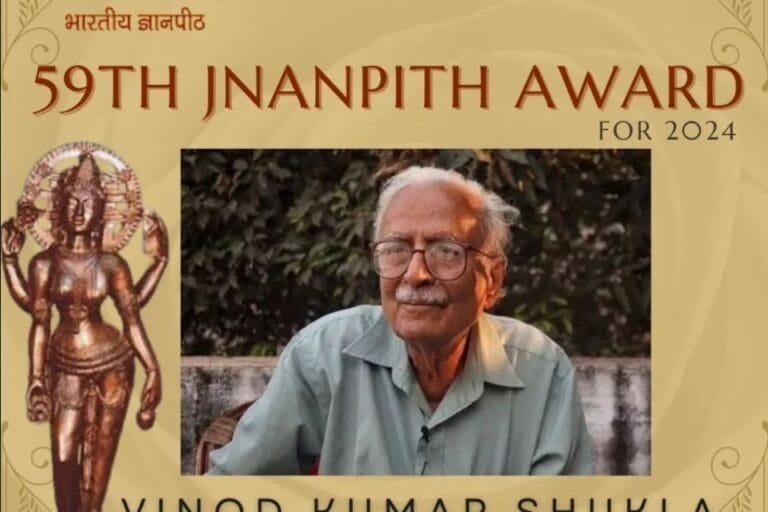
  • Vinod Kumar Shukla Honored with Jnanpith Award

    Renowned Hindi poet and writer Vinod Kumar Shukla has been honored with the prestigious Jnanpith Award — India’s highest literary accolade!

    Hailing from Raipur, Chhattisgarh, Mr. Shukla has enriched Hindi literature for over five decades. His thought-provoking works, including “Naukar Ki Kameez,” “Khilega To Dekhenge,” and “Deewar Mein Ek Khidki”, are cherished as some of the finest Hindi novels. His poetry and stories have touched hearts across generations.

    The announcement was made on 22nd March 2025 in New Delhi, bringing immense pride to Chhattisgarh and the literary world. Upon receiving the award, Mr. Shukla expressed his gratitude and acknowledged the responsibility that comes with this esteemed recognition.

    Chhattisgarh Chief Minister Vishnudev Sai extended his heartfelt congratulations, calling it a proud moment for the state.

  • Today Current Affairs MCQs : 22 March 2025

    Q. Which country became the first non-host nation to qualify for the 2026 FIFA World Cup?

    A) South Korea
    B) Australia
    C) Japan
    D) Iran

    Show Answer
    Ans: C) Japan
    On March 20, 2025, Japan became the first non-host nation to qualify for the 2026 FIFA World Cup after a 2-0 victory over Bahrain.

    Q. When is the International Day of Forests observed every year?

    a) March 20
    b) March 21
    c) March 22
    d) March 23

    Show Answer
    Answer: b) March 21
    Observed annually on March 21, the International Day of Forests emphasizes the critical role forests play in sustaining ecosystems.

    Q. Who was elected as the President of the International Olympic Committee (IOC) from Zimbabwe in March 2025?

    a) Usain Bolt
    b) Kirsty Coventry
    c) Michael Phelps
    d) Simone Biles

    Show Answer
    Answer: b) Kirsty Coventry
    Kirsty Coventry from Zimbabwe has been elected as the President of the International Olympic Committee (IOC), becoming the first woman and the first African to hold this esteemed position.

    Q. Which city has India proposed to host the 2030 Commonwealth Games?

    A) Mumbai
    B) Ahmedabad
    C) New Delhi
    D) Kolkata

    Show Answer
    Answer: B) Ahmedabad
    India has officially submitted its expression of interest to host the Centenary Commonwealth Games in Ahmedabad, Gujarat, in 2030.

    Q. Which major rule change has been introduced in IPL 2025 regarding ball shining?

    A) Only synthetic balls will be used
    B) Bowlers can shine the ball using saliva
    C) Bowlers cannot shine the ball at all
    D) Only spinners are allowed to shine the ball

    Show Answer
    Answer: B) Bowlers can shine the ball using saliva
    Indian Premier League 2025: Saliva Ban Lifted: Bowlers can now shine the ball using saliva.

  • Indian Premier League 2025 Begins: What’s New in the 18th Edition?

    The 18th edition of the Indian Premier League (IPL) kicks off on 22nd March 2025 with defending champions Kolkata Knight Riders taking on Royal Challengers Bengaluru at Eden Gardens at 7:30 PM IST.

    The opening ceremony will feature dazzling performances by Disha Patani, Shreya Ghoshal, and Karan Aujla. With 10 teams competing in 74 matches until the final on 25th May, fans can expect non-stop cricketing action!

    📌 Key Updates for IPL 2025:

    • Saliva Ban Lifted: Bowlers can now shine the ball using saliva.
    • Ball Change Rule: Teams can request a ball change after the 10th over due to dew.
    • New Code of Conduct: A demerit points system with suspension risks will be enforced.
    • Expanded DRS: Height-based no-ball and wide-ball reviews are now available.

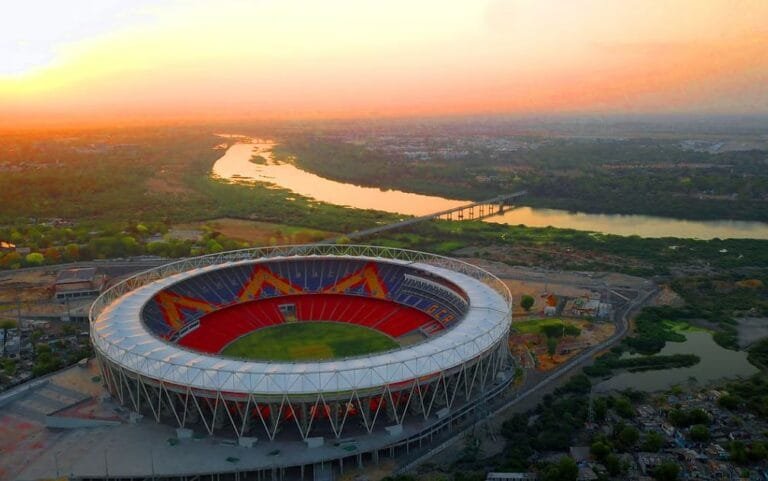
  • Commonwealth Games 2030 in Ahmedabad : India Bids to Host

    India has officially submitted its expression of interest to host the Centenary Commonwealth Games in Ahmedabad, Gujarat, in 2030. This significant step marks India’s growing presence on the global sports stage.

    🌟 Why Ahmedabad?

    • The city has showcased its organizational capabilities through events like the 2023 ICC Men’s Cricket World Cup Final and major concerts.
    • World-class infrastructure and vibrant local support make Ahmedabad a prime choice.

    👤 Led by PT Usha

    • Commonwealth Games Association of India President PT Usha confirmed the bid, which has been acknowledged by the Commonwealth Games Federation (CGF).

    📈 Strengthening India’s Sports Ambitions

    • Hosting the 2030 Games would bolster India’s position in global sports management.
    • The bid also complements India’s larger vision of securing the 2036 Olympic Games.

    🚀 With other potential hosts like Singapore and Malaysia stepping back, Ahmedabad is emerging as a strong contender.

  • Kirsty Coventry Elected President of the International Olympic Committee (IOC)

    Kirsty Coventry from Zimbabwe has been elected as the President of the International Olympic Committee (IOC), becoming the first woman and the first African to hold this esteemed position. 🥇

    🏊‍♀️ A celebrated Olympian with seven medals, Coventry’s remarkable leadership journey includes her role as Zimbabwe’s Minister of Youth, Sport, Arts, and Recreation and her tenure as Chair of the IOC Athletes’ Commission. She has consistently championed athlete welfare, grassroots sports development, and fair competition.

    📍 Elected at the 144th IOC Session in Greece, Coventry won a decisive 49 out of 97 votes in the first round. In her acceptance speech, she emphasized her commitment to fostering inclusivity, sustainability, and mental health support for athletes.

    💡 Coventry’s leadership comes at a critical time, as the IOC navigates challenges like gender equality, environmental sustainability, and global sports development. Her presidency is expected to bring a fresh perspective and drive positive change within the Olympic movement.

  • International Day of Forests 2025: Theme – Forests and Food

    Observed annually on March 21, the International Day of Forests emphasizes the critical role forests play in sustaining ecosystems. This year’s theme, “Forests and Food,” highlights the connection between forests, food security, biodiversity, and climate resilience.

    🌱 Forest Protection Initiatives in India

    India has implemented various programs to safeguard forests while supporting livelihoods and biodiversity. Key initiatives include:

    1️⃣ National Agroforestry Policy (2014)

    • Promotes tree planting alongside crops for enhanced agricultural productivity.
    • Supports soil fertility and offers additional income for farmers.

    2️⃣ Green India Mission (GIM)

    • Part of the National Action Plan on Climate Change (NAPCC).
    • Aims to expand and improve 10 million hectares of forest and non-forest land.
    • Focuses on biodiversity conservation, carbon storage, and ecosystem restoration.

    3️⃣ Forest Fire Prevention & Management Scheme (FFPM)

    • Provides state support to prevent and manage forest fires.
    • Utilizes remote sensing, GPS, and GIS technologies for real-time fire detection.

    4️⃣ Van Dhan Yojana (2018)

    • Enhances tribal livelihoods through sustainable forest produce collection and value addition.
    • Establishes Van Dhan Vikas Kendras (VDVKs) for skill training, processing, and marketing of Minor Forest Produce (MFPs).

  • Important Days GK MCQs for Competitive Exams

    Important National and International Days GK MCQs Questions for Competitive Exams.
    Medium: English

    Important Days and Dates GK MCQs

    Question 1: When is Republic Day celebrated?

    A) 15th August
    B) 2nd October
    C) 26th January
    D) 14th November

    Answer
    Answer: C) 26th January
    Explanation: Republic Day is celebrated on 26th January in India because the Indian Constitution was implemented on this day in 1950.

    Question 2: When is Independence Day celebrated?

    A) 15th August
    B) 26th January
    C) 2nd October
    D) 5th September

    Answer
    Answer: A) 15th August
    Explanation: India gained independence from British rule on 15th August 1947, so this day is celebrated as Independence Day.

    Question 3: When is Gandhi Jayanti celebrated?

    A) 5th September
    B) 14th November
    C) 2nd October
    D) 1st May

    Answer
    Answer: C) 2nd October
    Explanation: Mahatma Gandhi was born on 2nd October 1869, so this day is celebrated as Gandhi Jayanti.

    Question 4: When is Teacher’s Day celebrated?

    A) 5th September
    B) 14th November
    C) 2nd October
    D) 26th January

    Answer
    Answer: A) 5th September
    Explanation: Teacher’s Day is celebrated on 5th September to honor Dr. Sarvepalli Radhakrishnan, India’s first Vice President and second President.

    Question 5: When is Children’s Day celebrated?

    A) 2nd October
    B) 14th November
    C) 26th January
    D) 1st May

    Answer
    Answer: B) 14th November
    Explanation: Children’s Day is celebrated on 14th November, the birth anniversary of Pandit Jawaharlal Nehru, reflecting his love for children.

    Question 6: When is National Unity Day celebrated?

    A) 31st October
    B) 8th March
    C) 5th September
    D) 1st July

    Answer
    Answer: A) 31st October
    Explanation: National Unity Day is celebrated on 31st October to commemorate the birth anniversary of Sardar Vallabhbhai Patel.

    Question 7: When is Constitution Day celebrated?

    A) 26th November
    B) 15th August
    C) 26th January
    D) 14th April

    Answer
    Answer: A) 26th November
    Explanation: Constitution Day is celebrated on 26th November as the Indian Constitution was adopted on this day in 1949.

    Question 8: When is Doctor’s Day celebrated?

    A) 1st July
    B) 5th September
    C) 14th November
    D) 21st June

    Answer
    Answer: A) 1st July
    Explanation: Doctor’s Day is celebrated on 1st July in honor of Dr. Bidhan Chandra Roy, a renowned physician and former Chief Minister of West Bengal.

    Question 9: When is International Women’s Day celebrated?

    A) 8th March
    B) 14th November
    C) 31st October
    D) 1st May

    Answer
    Answer: A) 8th March
    Explanation: International Women’s Day is celebrated on 8th March to raise awareness of women’s rights and equality.

    Question 10: When is World Environment Day celebrated?

    A) 22nd April
    B) 5th June
    C) 1st July
    D) 14th November

    Answer
    Answer: B) 5th June
    Explanation: World Environment Day is celebrated on 5th June to promote awareness about environmental conservation.

    Question 11: When is International Workers’ Day celebrated?

    A) 1 May
    B) 5 June
    C) 31 May
    D) 2 October

    Answer
    Answer: A) 1 May
    Explanation: International Workers’ Day is celebrated on 1 May to honor the rights and contributions of workers.

    Question 12: When is National Science Day celebrated?

    A) 28 February
    B) 14 March
    C) 5 June
    D) 12 January

    Answer
    Answer: A) 28 February
    Explanation: National Science Day is celebrated on 28 February to commemorate the discovery of the Raman Effect by Dr. C.V. Raman.

    Question 13: When is International Yoga Day celebrated?

    A) 21 June
    B) 1 July
    C) 15 August
    D) 5 September

    Answer
    Answer: A) 21 June
    Explanation: International Yoga Day is celebrated on 21 June to promote the benefits of yoga.

    Question 14: When is National Youth Day celebrated?

    A) 12 January
    B) 5 September
    C) 2 October
    D) 26 January

    Answer
    Answer: A) 12 January
    Explanation: National Youth Day is celebrated on 12 January in honor of the birth anniversary of Swami Vivekananda.

    Question 15: When is World AIDS Day celebrated?

    A) 1 December
    B) 14 November
    C) 5 June
    D) 31 March

    Answer
    Answer: A) 1 December
    Explanation: World AIDS Day is celebrated on 1 December to raise awareness about HIV/AIDS.

    Question 16: When is World Water Day celebrated?

    A) 22 March
    B) 5 June
    C) 1 May
    D) 8 March

    Answer
    Answer: A) 22 March
    Explanation: World Water Day is celebrated on 22 March to highlight the importance of water conservation and management.

    Question 17: When is National Sports Day celebrated?

    A) 29 August
    B) 24 September
    C) 15 August
    D) 5 July

    Answer
    Answer: A) 29 August
    Explanation: National Sports Day is celebrated on 29 August to honor the birth anniversary of hockey legend Major Dhyan Chand.

    Question 18: When is World Population Day celebrated?

    A) 11 July
    B) 1 May
    C) 14 November
    D) 2 October

    Answer
    Answer: A) 11 July
    Explanation: World Population Day is celebrated on 11 July to raise awareness about population-related issues and challenges.

    Question 19: When is Earth Day celebrated?

    A) 22 April
    B) 5 June
    C) 31 May
    D) 1 July

    Answer
    Answer: A) 22 April
    Explanation: Earth Day is celebrated on 22 April to raise awareness about environmental protection and sustainable development.

    Question 20: When is International Day for the Elimination of Violence Against Women celebrated?

    A) 25 November
    B) 8 March
    C) 10 December
    D) 5 June

    Answer
    Answer: A) 25 November
    Explanation: The International Day for the Elimination of Violence Against Women is celebrated on 25 November to aim at ending violence against women.

    Question 21: When is World Book Day celebrated?

    A) 23 April
    B) 22 March
    C) 1 May
    D) 14 November

    Answer
    Answer: A) 23 April
    Explanation: 23 April is celebrated as World Book and Copyright Day to raise awareness about literature and reading.

    Question 22: When is World Mother’s Day celebrated?

    A) Second Sunday of May
    B) 21 June
    C) 14 November
    D) 31 October

    Answer
    Answer: A) Second Sunday of May
    Explanation: Mother’s Day is celebrated on the second Sunday of May in honor of mothers.

    Question 23: When is World Peace Day celebrated?

    A) 21 September
    B) 1 May
    C) 8 March
    D) 31 December

    Answer
    Answer: A) 21 September
    Explanation: 21 September is celebrated as World Peace Day to dedicate efforts towards peace and non-violence.

    Question 24: When is World Human Rights Day celebrated?

    A) 10 December
    B) 1 May
    C) 5 June
    D) 14 November

    Answer
    Answer: A) 10 December
    Explanation: 10 December is observed as World Human Rights Day to honor the United Nations’ declaration on human rights.

    Question 25: When is International Labour Organization Day celebrated?

    A) 28 April
    B) 1 May
    C) 8 March
    D) 22 March

    Answer
    Answer: A) 28 April
    Explanation: 28 April is observed as International Labour Organization Day to raise awareness about workplace safety and health.

    Question 26: When is World Food Day celebrated?

    A) 16 October
    B) 1 July
    C) 22 April
    D) 5 September

    Answer
    Answer: A) 16 October
    Explanation: 16 October is celebrated as World Food Day to raise awareness about food security and hunger issues.

    Question 27: When is National Safety Day celebrated?

    A) 4 March
    B) 15 August
    C) 26 January
    D) 5 September

    Answer
    Answer: A) 4 March
    Explanation: 4 March is celebrated as National Safety Day to spread awareness about industrial safety.

    Question 28: When is World Red Cross Day celebrated?

    A) 8 May
    B) 14 June
    C) 1 December
    D) 16 October

    Answer
    Answer: A) 8 May
    Explanation: 8 May is observed as World Red Cross Day to honor the work of the International Red Cross and Red Crescent Movement.

    Question 29: When is World Blood Donor Day celebrated?

    A) 14 June
    B) 1 July
    C) 5 June
    D) 8 March

    Answer
    Answer: A) 14 June
    Explanation: 14 June is observed as World Blood Donor Day to raise awareness about the importance of blood donation and saving lives.

    Question 30: When is International Nurses Day celebrated?

    A) 12 May
    B) 5 July
    C) 14 November
    D) 31 August

    Answer
    Answer: A) 12 May
    Explanation: 12 May is celebrated as International Nurses Day on the birth anniversary of Florence Nightingale.

    Question 31: When is World TB (Tuberculosis) Day celebrated?

    A) 24 March
    B) 5 June
    C) 14 November
    D) 1 July

    Answer
    Answer]
    Correct Answer: A) 24 March
    Explanation: World TB Day is celebrated on 24 March to raise awareness about tuberculosis disease.

    Question 32: When is World Tiger Day celebrated?

    A) 29 July
    B) 5 June
    C) 1 May
    D) 21 June

    Answer
    Answer]
    Correct Answer: A) 29 July
    Explanation: World Tiger Day is celebrated on 29 July to raise awareness for tiger conservation.

    Question 33: When is World Consumer Rights Day celebrated?

    A) 15 March
    B) 1 May
    C) 2 October
    D) 24 January

    Answer
    Answer]
    Correct Answer: A) 15 March
    Explanation: World Consumer Rights Day is celebrated on 15 March to promote consumer rights.

    Question 34: When is International Literacy Day celebrated?

    A) 8 September
    B) 5 June
    C) 31 May
    D) 1 July

    Answer
    Answer]
    Correct Answer: A) 8 September
    Explanation: International Literacy Day is celebrated on 8 September to promote the importance of education and literacy.

    Question 35: When is World Health Day celebrated?

    A) 7 April
    B) 5 June
    C) 31 May
    D) 1 December

    Answer
    Answer]
    Correct Answer: A) 7 April
    Explanation: World Health Day is celebrated on 7 April, commemorating the foundation of the World Health Organization (WHO).

    Question 36: When is World Hepatitis Day celebrated?

    A) 28 July
    B) 5 June
    C) 14 November
    D) 21 June

    Answer
    Answer]
    Correct Answer: A) 28 July
    Explanation: World Hepatitis Day is celebrated on 28 July to raise awareness about hepatitis.

    Question 37: When is World Malaria Day celebrated?

    A) 25 April
    B) 7 April
    C) 1 May
    D) 5 June

    Answer
    Answer]
    Correct Answer: A) 25 April
    Explanation: World Malaria Day is celebrated on 25 April to raise awareness about malaria.

    Question 38: When is International Family Day celebrated?

    A) 15 May
    B) 5 June
    C) 14 April
    D) 8 March

    Answer
    Answer]
    Correct Answer: A) 15 May
    Explanation: International Family Day is celebrated on 15 May to highlight the importance of families.

    Question 39: When is World Cancer Day celebrated?

    A) 4 February
    B) 5 June
    C) 31 May
    D) 8 March

    Answer
    Answer]
    Correct Answer: A) 4 February
    Explanation: World Cancer Day is celebrated on 4 February to raise awareness about cancer.

    Question 40: When is National Space Day celebrated in India?

    A) 20 July
    B) 23 August
    C) 15 September
    D) 4 October

    Answer
    Answer]
    Correct Answer: B) 23 August
    Explanation: National Space Day is celebrated on 23 August to highlight India’s achievements in space exploration.

    Question 41: When is National Voters’ Day celebrated?

    A) 25th January
    B) 1st July
    C) 14th November
    D) 31st May

    Answer
    Answer: A) 25th January
    Explanation: National Voters’ Day is celebrated on 25th January to promote the importance of voting.

    Question 42: When is World Sight Day celebrated?

    A) Second Thursday of October
    B) 5th June
    C) 14th November
    D) 1st May

    Answer
    Answer: A) Second Thursday of October
    Explanation: World Sight Day is celebrated on the second Thursday of October to raise awareness about eye health.

    Question 43: When is International Day of the Girl Child celebrated?

    A) 11th October
    B) 14th November
    C) 8th March
    D) 21st June

    Answer
    Answer: A) 11th October
    Explanation: International Day of the Girl Child is celebrated on 11th October to raise awareness about girls’ rights and education.

    Question 44: When is Constitution Maker Day celebrated?

    A) 26th November
    B) 14th April
    C) 15th August
    D) 2nd October

    Answer
    Answer: B) 14th April
    Explanation: Constitution Maker Day is celebrated on 14th April, the birth anniversary of Dr. B.R. Ambedkar, the principal architect of the Indian Constitution.

    Question 45: When is Universal Children’s Day celebrated?

    A) 20th November
    B) 14th November
    C) 2nd October
    D) 1st May

    Answer
    Answer: A) 20th November
    Explanation: Universal Children’s Day is celebrated on 20th November to raise awareness about children’s rights and welfare.

    Question 46: When is International Day of Older Persons celebrated?

    A) 1st October
    B) 14th November
    C) 2nd October
    D) 5th September

    Answer
    Answer: A) 1st October
    Explanation: International Day of Older Persons is celebrated on 1st October to honor the elderly and reflect on society’s responsibilities toward them.

    Question 47: When is International Day for Disaster Risk Reduction celebrated?

    A) Second Wednesday of October
    B) 5th June
    C) 31st May
    D) 1st July

    Answer
    Answer: A) Second Wednesday of October
    Explanation: International Day for Disaster Risk Reduction is celebrated on the second Wednesday of October to promote disaster preparedness.

    Question 48: When is Human Rights Day celebrated?

    A) 10th December
    B) 1st July
    C) 14th November
    D) 22nd March

    Answer
    Answer: A) 10th December
    Explanation: Human Rights Day is celebrated on 10th December to raise awareness about human rights and their protection.

    Question 49: When is World Heart Day celebrated?

    A) 29th September
    B) 5th June
    C) 31st May
    D) 14th November

    Answer
    Answer: A) 29th September
    Explanation: World Heart Day is celebrated on 29th September to raise awareness about heart health and related diseases.

    Question 50: When is World Hearing Day celebrated?

    A) 3rd March
    B) 5th June
    C) 8th March
    D) 14th November

    Answer
    Answer: A) 3rd March
    Explanation: World Hearing Day is celebrated on 3rd March to raise awareness about hearing health.

    Question 51: When is World Tourism Day celebrated?

    A) 27th September
    B) 1st May
    C) 5th June
    D) 14th November

    Answer
    Answer: A) 27th September]
    Explanation: World Tourism Day is celebrated on 27th September to highlight the importance of tourism and the preservation of cultural heritage.

    Question 52: When is World Wildlife Day celebrated?

    A) 3rd March
    B) 5th June
    C) 1st May
    D) 21st June

    Answer
    Answer: A) 3rd March]
    Explanation: World Wildlife Day is celebrated on 3rd March to raise awareness about wildlife conservation and biodiversity.

    Question 53: When is Hindi Day celebrated?

    A) 14th September
    B) 15th August
    C) 26th January
    D) 2nd October

    Answer
    Answer: A) 14th September]
    Explanation: Hindi Day is celebrated on 14th September as on this day in 1949, the Constituent Assembly of India adopted Hindi as the official language of the country.

    Question 54: When is Partition Horrors Remembrance Day celebrated?

    A) 15th August
    B) 14th August
    C) 26th January
    D) 2nd October

    Answer
    Answer: B) 14th August]
    Explanation: Partition Horrors Remembrance Day, also known as Partition Horrors Memorial Day, is observed on 14th August every year in India.

    Question 55: When is Kargil Vijay Diwas celebrated?

    A) 26th June
    B) 26th July
    C) 26th August
    D) 26th September

    Answer
    Answer: B) 26th July]
    Explanation: Kargil Vijay Diwas is celebrated on 26th July every year to commemorate the success of “Operation Vijay” in 1999, during which the Indian Army recaptured strategic positions in the Kargil sector from Pakistani intruders.

    Question 56: When is National Navy Day celebrated in India?

    A) 26th January
    B) 15th August
    C) 4th December
    D) 10th November

    Answer
    Answer: C) 4th December]
    Explanation: National Navy Day is celebrated on 4th December in India to commemorate the success of “Operation Trident” during the 1971 Indo-Pak war, when the Indian Navy attacked Pakistan’s Karachi port.

    Question 57: When is International Ozone Day celebrated?

    A) 5th June
    B) 16th September
    C) 22nd April
    D) 10th December

    Answer
    Answer: B) 16th September]
    Explanation: International Ozone Day is observed on 16th September every year to mark the adoption of the “Montreal Protocol,” which represents global efforts to protect the ozone layer.

    Question 58: When is Farmer’s Day celebrated in India?

    A) 26th January
    B) 15th August
    C) 23rd December
    D) 5th June

    Answer
    Answer: C) 23rd December]
    Explanation: Farmer’s Day is celebrated on 23rd December in India to honor the contributions of farmers. The day marks the birth anniversary of Chaudhary Charan Singh, the 5th Prime Minister of India.

    Question 59: When is Biodiversity Day celebrated?

    A) 22nd May
    B) 5th July
    C) 12th March
    D) 28th February

    Answer
    Answer: A) 22nd May]
    Explanation: Biodiversity Day is celebrated on 22nd May every year. It marks the anniversary of the adoption of the Convention on Biological Diversity at the 1992 Rio Earth Summit.

    Question 60: When is “Constitution Murder Day” observed?

    A) 26th January
    B) 25th June
    C) 15th August
    D) 2nd October

    Answer
    Answer: B) 25th June]
    Explanation: The Government of India declared that 25th June will be observed as “Constitution Murder Day” to honor those who opposed and fought against the injustice during the Emergency period.
  • Japan Secures Spot in 2026 FIFA World Cup!

    On March 20, 2025, Japan became the first non-host nation to qualify for the 2026 FIFA World Cup after a 2-0 victory over Bahrain. Goals by Daichi Kamada and Takefusa Kubo sealed the win, marking Japan’s eighth consecutive World Cup appearance since 1998.

    With this win, Japan has claimed one of the two automatic qualification spots from Group C in the Asian qualifiers, with three matches still remaining. The expanded 48-team format will see the Asian Football Confederation (AFC) sending at least eight teams to the tournament, co-hosted by Canada, Mexico, and the United States.

    Other Teams to Watch

    • Australia is in a strong position in Group C.
    • Iran leads Group A, followed by Uzbekistan and the UAE.
    • South Korea tops Group B, with Iraq and Jordan trailing.

    🚀 The qualification process continues until June 2025, leading to a fourth round and an inter-confederation play-off offering one more Asian nation a final shot at qualifying.

  • Today Current Affairs MCQs : 21 March 2025

    Q. Which four sacred shrines make up the Char Dham Yatra?

    a) Gangotri, Yamunotri, Kedarnath, Badrinath
    b) Amarnath, Vaishno Devi, Kedarnath, Gangotri
    c) Badrinath, Kedarnath, Haridwar, Rishikesh
    d) Yamunotri, Vaishno Devi, Gangotri, Kedarnath

    Show Answer
    Ans: a) Gangotri, Yamunotri, Kedarnath, Badrinath
    The Char Dham Yatra is four sacred shrines in Uttarakhand: Yamunotri, Gangotri, Kedarnath, and Badrinath. The Yatra begins with the opening of the Gangotri and Yamunotri Dhams on April 30, 2025.

    Q. Where is the ISTAF Sepak Takraw 2025 World Cup held in March 2025?

    a) Mumbai
    b) Patna
    c) Delhi
    d) Chennai

    Show Answer
    Ans: b) Patna
    Chief Minister of Bihar, Nitish Kumar inaugurated ISTAF “Sepak Takraw 2025” World Cup in Patna on March 20, 2025.

    Q. Which ancient religion is associated with the celebration of Navroz?

    a) Hinduism
    b) Buddhism
    c) Zoroastrianism
    d) Jainism

    Show Answer
    Ans: c) Zoroastrianism
    The Parsi New Year, also known as Navroz or Nowruz, is observed on March 20, 2025. This ancient festival has its roots in Zoroastrianism, one of the world’s oldest monotheistic religions, founded by Prophet Zoroaster in ancient Persia (modern-day Iran).

  • Parsi New Year, Navroz 2025 : Celebrated on March 20

    The Parsi New Year, also known as Navroz or Nowruz, is observed on March 20, coinciding with the spring equinox, a time when day and night are of equal length. This ancient festival has its roots in Zoroastrianism, one of the world’s oldest monotheistic religions, founded by Prophet Zoroaster in ancient Persia (modern-day Iran).

    History and Significance

    Navroz, meaning “new day” in Persian, has been celebrated for over 3,000 years. It marks the beginning of the Persian calendar and symbolizes the triumph of good over evil, as well as the renewal of nature. The festival is named Jamshedi Navroz in honor of King Jamshed, who is credited with introducing the Parsi calendar.

    The Parsi community in India, which migrated from Persia during the Islamic invasion in the 7th century, has preserved this tradition with great fervor. Navroz is recognized by UNESCO as an Intangible Cultural Heritage of Humanity, highlighting its cultural and historical importance.

  • ISTAF Sepak Takraw 2025 World Cup in Patna: March 20–25

    Chief Minister of Bihar, Nitish Kumar inaugurated ISTAF “Sepak Takraw 2025” World Cup in Patna on March 20, 2025. The tournament, organized by the International Sepak Takraw Federation (ISTAF), is taking place at the Pataliputra Sports Complex Indoor Stadium in Kankarbagh. This six-day event, running from March 20 to March 25, 2025, has brought together teams from 20 countries, including India, Thailand, Singapore, and others.

    Highlights of the Event

    • 150 Matches: The tournament features a total of 150 matches across various categories, including quad, regular, doubles, and mixed doubles.
    • India’s Performance: The Indian women’s team has already made a strong start, defeating China and Iran in the quad matches.
    • Global Participation: Countries like Thailand, Indonesia, Japan, and Brazil are showcasing their talent in this unique sport.

    About Sepak Takraw

    Sepak Takraw, often referred to as “kick volleyball,” is a dynamic sport with roots in Southeast Asia. Players use their feet, head, knees, and chest to hit a rattan or synthetic ball over a net. The game has gained international recognition, especially after being included in the Asian Games.

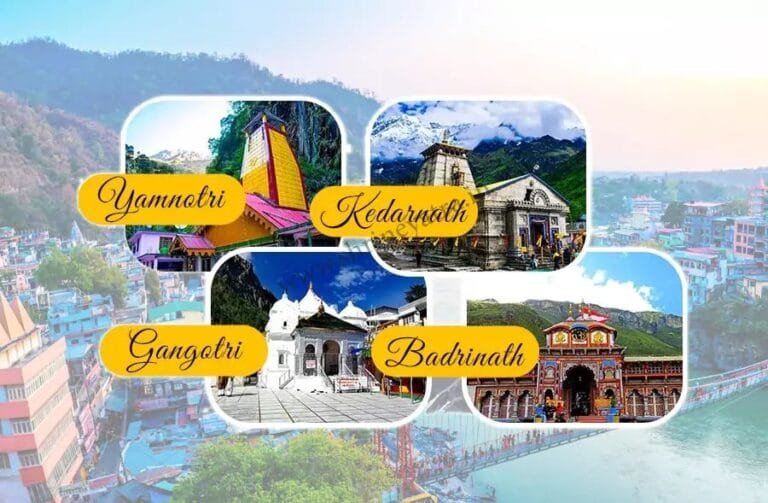
  • Char Dham Yatra 2025: The Sacred Journey Begins on April 30

    The Char Dham Yatra is a revered pilgrimage in India, encompassing visits to four sacred shrines in Uttarakhand: Yamunotri, Gangotri, Kedarnath, and Badrinath. These sites are nestled in the Himalayas and hold immense spiritual significance in Hinduism. The journey is believed to cleanse the soul and pave the way for salvation. The Yatra traditionally begins at Yamunotri, followed by Gangotri, Kedarnath, and concludes at Badrinath.

    Registration for Char Dham Yatra

    To participate in the Yatra, registration is mandatory. Here’s how you can register:

    Online Registration:

    • Visit the official website: registrationandtouristcare.uk.gov.in.
    • Create an account and provide your personal details, including a valid ID proof (Aadhaar, Passport, etc.).
    • Select your preferred dates and complete the process by downloading your e-pass.

    Offline Registration:

    • Visit designated counters in cities like Haridwar, Rishikesh, or Dehradun.
    • Provide your documents and receive a QR code or registration letter.

    The Yatra begins with the opening of the Gangotri and Yamunotri Dhams on April 30, followed by Kedarnath on May 2 and Badrinath on May 4.

  • Chemistry GK MCQs for Competitive Exams

    Chemistry GK MCQs for Competitive Exams for free online practice. Collection of Important previous year questions for preparation of upcoming SSC,RRB examinations.

    Chemistry GK MCQs

    Question 1: Which of the following dietary components provides the maximum energy per gram to humans?

    A) Carbohydrates
    B) Fats
    C) Fibers
    D) Proteins

    Answer
    Answer: B) Fats]
    Explanation: Fats are the primary source of energy in our diet. 1 gram of fat provides 9.5 kilocalories of energy, which is the highest among food components.

    Question 2: Which of the following is a noble gas?

    A) Ozone
    B) Nitrogen
    C) Hydrogen
    D) Helium

    Answer
    Answer: D) Helium]
    Explanation: A noble gas is one that typically does not participate in chemical reactions and is always available in a free state.

    Question 3: Which of the following elements belongs to the d-block of the modern periodic table?

    A) Na
    B) Fe
    C) Ca
    D) Mg

    Answer
    Answer: B) Fe]
    Explanation: From the electronic configurations of elements, it is evident that Fe belongs to the d-block because its outermost electron occupies the d-orbital.

    Question 4: According to the modern periodic table, which element has the atomic number 30?

    A) Co
    B) Ni
    C) Zn
    D) Fe

    Answer
    Answer: C) Zn]
    Explanation: Zinc is a chemical element with the symbol Zn and atomic number 30.

    Question 5: Which iron ore contains the highest amount of iron?

    A) Magnetite
    B) Hematite
    C) Limonite
    D) Siderite

    Answer
    Answer: A) Magnetite]
    Explanation: Magnetite contains the highest iron content, followed by other ores in the listed order.

    Question 6: Who was awarded the Nobel Prize for the discovery of the neutron?

    A) Chadwick
    B) Rutherford
    C) Niels Bohr
    D) Roentgen

    Answer
    Answer: A) Chadwick]
    Explanation: Sir James Chadwick, a British physicist, was awarded the Nobel Prize in Physics in 1935 for his discovery of the neutron in 1932.

    Question 7: What is the chemical name of Plaster of Paris?

    A) Calcium hypochlorite
    B) Calcium carbonate
    C) Calcium oxide
    D) Calcium sulfate hemihydrate

    Answer
    Answer: D) Calcium sulfate hemihydrate]
    Explanation: Plaster of Paris is used for setting broken bones, making sculptures and toys, and producing chalk, among other uses.

    Question 8: What is the chemical formula of washing soda?

    A) Na2SO4
    B) Ca(OH)2
    C) Na2CO3 . 10H2O
    D) NaHCO3

    Answer
    Answer: C) Na2CO3 . 10H2O]
    Explanation: Sodium carbonate is an inorganic compound with the chemical formula Na2CO3. It is commonly known as washing soda or soda ash and is used for laundry due to its alkaline nature.

    Question 9: In a water molecule, what is the ratio of the masses of hydrogen and oxygen?

    A) 1:4
    B) 1:8
    C) 1:16
    D) 1:2

    Answer
    Answer: B) 1:8]
    Explanation: The atomic mass of hydrogen is 1 u, and the atomic mass of oxygen is 16 u. Since a water molecule contains 2 hydrogen atoms and 1 oxygen atom, their mass ratio is 2:16 or 1:8.

    Question 10: α particles are doubly charged ions of ____________.

    A) Beryllium
    B) Hydrogen
    C) Helium
    D) Lithium

    Answer
    Answer: C) Helium]
    Explanation: α particles consist of two protons and two neutrons. They are doubly charged helium ions.

    Question 11: What is the atomic number of Copper?

    A) 29
    B) 26
    C) 30
    D) 32

    Answer
    Answer: A) 29
    Explanation: The atomic number of Copper is 29.

    Question 12: What is the most common isotope of Oxygen?

    A) O-16
    B) O-17
    C) O-18
    D) O-19

    Answer
    Answer: A) O-16
    Explanation: The most common isotope of Oxygen is O-16, which is found in nature in the highest abundance.

    Question 13: What is the chemical name of NH₃ (Ammonia)?

    A) Nitrogen Trihydride
    B) Hydrogen Nitride
    C) Nitrogen Hydride
    D) Hydrogen Trinitride

    Answer
    Answer: C) Nitrogen Hydride
    Explanation: NH₃ is known as Nitrogen Hydride, commonly referred to as Ammonia.

    Question 14: What is the chemical symbol for Mercury?

    A) Hg
    B) Pb
    C) Au
    D) Ag

    Answer
    Answer: A) Hg
    Explanation: The chemical symbol for Mercury is Hg.

    Question 15: Which acid is a harmful enzyme?

    A) Hydrochloric Acid
    B) Sulfuric Acid
    C) Nitric Acid
    D) Hydrofluoric Acid

    Answer
    Answer: A) Hydrochloric Acid
    Explanation: Hydrochloric Acid (HCl) is essential for digestion in the human stomach, but at high concentrations, it can be harmful.

    Question 16: What is the approximate pH value of water?

    A) 1
    B) 7
    C) 14
    D) 9

    Answer
    Answer: B) 7
    Explanation: The pH value of water is around 7, making it neutral.

    Question 17: Which element exhibits metallic properties?

    A) Hydrogen
    B) Oxygen
    C) Calcium
    D) Sulfur

    Answer
    Answer: C) Calcium
    Explanation: Calcium is a metal and shows properties similar to other metals.

    Question 18: Which chemical is a strong acid?

    A) Ethanol
    B) Acetic Acid
    C) Sulfuric Acid
    D) Ammonia

    Answer
    Answer: C) Sulfuric Acid
    Explanation: Sulfuric Acid (H₂SO₄) is a very strong acid.

    Question 19: What is formed when carbon dioxide (CO₂) dissolves in water?

    A) Carbonic Acid
    B) Hydrochloric Acid
    C) Sulfuric Acid
    D) Nitric Acid

    Answer
    Answer: A) Carbonic Acid
    Explanation: When carbon dioxide dissolves in water, it forms carbonic acid (H₂CO₃).

    Question 20: Which element has the highest relative atomic mass?

    A) Hydrogen
    B) Helium
    C) Lithium
    D) Uranium

    Answer
    Answer: D) Uranium
    Explanation: Uranium has the highest relative atomic mass.

    Question 21: Which element remains in a gaseous state at room temperature?

    A) Iron
    B) Sodium
    C) Nitrogen
    D) Gold

    Answer
    Answer: C) Nitrogen
    Explanation: Nitrogen remains in a gaseous state at room temperature.

    Question 22: Which metal is the lightest?

    A) Lithium
    B) Sodium
    C) Potassium
    D) Magnesium

    Answer
    Answer: A) Lithium
    Explanation: Lithium is the lightest metal.

    Question 23: What is formed when hydrochloric acid and ammonia react?

    A) Ammonium Chloride
    B) Ammonium Hydroxide
    C) Hydrogen Chloride
    D) Hydrochloric Acid

    Answer
    Answer: A) Ammonium Chloride
    Explanation: Hydrochloric acid and ammonia combine to form ammonium chloride (NH₄Cl).

    Question 24: In chemistry, what does ‘pH’ stand for?

    A) Measurement of acidity
    B) Measurement of basicity
    C) Measurement of gaseous state
    D) Measurement of solid state

    Answer
    Answer: A) Measurement of acidity
    Explanation: pH measures acidity and basicity.

    Question 25: Which acid is a natural acid found in fruits?

    A) Sulfuric Acid
    B) Acetic Acid
    C) Citric Acid
    D) Hydrochloric Acid

    Answer
    Answer: C) Citric Acid
    Explanation: Citric acid is found in fruits, especially lemons and oranges.

    Question 26: Which element has only one electron in its outer shell?

    A) Helium
    B) Hydrogen
    C) Lithium
    D) Boron

    Answer
    Answer: B) Hydrogen
    Explanation: Hydrogen has only one electron in its outer shell.

    Question 27: What is the atomic number of Iron (Fe)?

    A) 20
    B) 26
    C) 29
    D) 32

    Answer
    Answer: B) 26
    Explanation: The atomic number of Iron (Fe) is 26.

    Question 28: What is the chemical symbol for Silver?

    A) Ag
    B) Au
    C) Pb
    D) Hg

    Answer
    Answer: A) Ag
    Explanation: The chemical symbol for silver is Ag.

    Question 29: Which element is commonly found as a diatomic molecule?

    A) Hydrogen
    B) Sodium
    C) Calcium
    D) Iron

    Answer
    Answer: A) Hydrogen
    Explanation: Hydrogen is commonly found as H₂.

    Question 30: Which gas is produced during the oxidation and burning of water?

    A) Oxygen
    B) Hydrogen
    C) Nitrogen
    D) Carbon Dioxide

    Answer
    Answer: B) Hydrogen
    Explanation: Hydrogen gas is produced during the electrolysis of water.

    Question 31: Which acid is predominant in acid rain?

    A) Hydrochloric acid
    B) Sulfuric acid
    C) Citric acid
    D) Acetic acid

    Answer
    Answer: B) Sulfuric acid
    Explanation: Sulfuric acid (H₂SO₄) plays a major role in acid rain.

    Question 32: Which chemical is used as a pesticide?

    A) Cysteine
    B) Chloroform
    C) DDT
    D) Aniline

    Answer
    Answer: C) DDT
    Explanation: DDT is used as a pesticide.

    Question 33: Which is the most abundant element in the atmosphere?

    A) Oxygen
    B) Nitrogen
    C) Carbon dioxide
    D) Argon

    Answer
    Answer: B) Nitrogen
    Explanation: Nitrogen makes up 78% of the Earth’s atmosphere.

    Question 34: Which element is most commonly used as a salt?

    A) Sodium
    B) Calcium
    C) Potassium
    D) Iron

    Answer
    Answer: A) Sodium
    Explanation: Sodium is the main element used in common salts like table salt (NaCl).

    Question 35: What compound is formed by the combination of oxygen and hydrogen?

    A) Methane
    B) Ammonia
    C) Water
    D) Carbon dioxide

    Answer
    Answer: C) Water
    Explanation: Water (H₂O) is formed by the combination of oxygen and hydrogen.

    Question 36: Which element is used in the production of atomic bombs?

    A) Plutonium
    B) Sodium
    C) Boron
    D) Magnesium

    Answer
    Answer: A) Plutonium
    Explanation: Plutonium (Pu) is used in the production of atomic bombs.

    Question 37: Which substance is used to clean teeth?

    A) Calcium carbonate
    B) Sodium chloride
    C) Silica
    D) Glycerine

    Answer
    Answer: C) Silica
    Explanation: Silica is used in toothpaste for cleaning teeth.

    Question 38: Which substance is called ‘white poison’ in the diet?

    A) Salt
    B) Sugar
    C) Sodium bicarbonate
    D) Calcium

    Answer
    Answer: B) Sugar
    Explanation: Sugar is often referred to as ‘white poison’ due to its excessive consumption leading to health issues.

    Question 39: Which chemical is used to preserve food?

    A) Acetic acid
    B) Sulfur dioxide
    C) Hydrochloric acid
    D) Nitric acid

    Answer
    Answer: B) Sulfur dioxide
    Explanation: Sulfur dioxide (SO₂) is used to preserve food.

    Question 40: Which substance is a good conductor of electricity?

    A) Wood
    B) Plastic
    C) Copper
    D) Rubber

    Answer
    Answer: C) Copper
    Explanation: Copper is an excellent conductor of electricity.

    Question 41: Which compound is found in oily color?

    A) Carbon dioxide
    B) Potassium permanganate
    C) Water
    D) Sodium chloride

    Answer
    Answer: B) Potassium permanganate
    Explanation: Potassium permanganate (KMnO₄) has an oily color.

    Question 42: What is the chemical symbol of Helium?

    A) He
    B) H
    C) Hg
    D) H₂

    Answer
    Answer: A) He
    Explanation: The chemical symbol for Helium is He.

    Question 43: Which chemical is used to extinguish fire?

    A) Carbon dioxide
    B) Hydrogen
    C) Ammonia
    D) Sulfur

    Answer
    Answer: A) Carbon dioxide
    Explanation: Carbon dioxide (CO₂) is used for extinguishing fires.

    Question 44: Which element plays a significant role in DNA as an important biomolecule?

    A) Carbon
    B) Hydrogen
    C) Nitrogen
    D) Oxygen

    Answer
    Answer: C) Nitrogen
    Explanation: Nitrogen plays an essential role in the structure of DNA.

    Question 45: Which element is used in radiotherapy?

    A) Iodine
    B) Sodium
    C) Boron
    D) Calcium

    Answer
    Answer: A) Iodine
    Explanation: Iodine is used in radiotherapy.

    Question 46: Which chemical is used in burning and also found in fireworks?

    A) Nitrogen
    B) Potassium nitrate
    C) Sodium chloride
    D) Hydrochloric acid

    Answer
    Answer: B) Potassium nitrate
    Explanation: Potassium nitrate (KNO₃) is used in burning and in fireworks.

    Question 47: Which color indicator is used to identify acidic properties?

    A) Red
    B) Blue
    C) Green
    D) Yellow

    Answer
    Answer: A) Red
    Explanation: Red color indicator is used to identify acidic properties.

    Question 48: Which substance dissolves in water but not in oil?

    A) Salt
    B) Sugar
    C) Flour
    D) Fat

    Answer
    Answer: A) Salt
    Explanation: Salt (sodium chloride) dissolves in water but not in oil.

    Question 49: What is the most common example of a hydrogen bond?

    A) Ammonia
    B) Water
    C) Carbon dioxide
    D) Methane

    Answer
    Answer: B) Water
    Explanation: Water is the most common example of hydrogen bonding, where hydrogen of one water molecule bonds with the oxygen of another water molecule.

    Question 50: Which element is used in batteries?

    A) Lithium
    B) Sodium
    C) Calcium
    D) Potassium

    Answer
    Answer: A) Lithium
    Explanation: Lithium is used in batteries.

    Question 51: Which element is used in making steel?

    A) Carbon
    B) Silicon
    C) Zinc
    D) Platinum

    Answer
    Answer: A) Carbon
    Explanation: Carbon is used in making steel.

    Question 52: Which element plays an important role in biological instruments?

    A) Iron
    B) Sodium
    C) Calcium
    D) Gold

    Answer
    Answer: C) Calcium
    Explanation: Calcium plays a vital role in biological structures such as bones and teeth.

    Question 53: Which metal is used in galvanization to protect iron from corrosion and rust?

    A) Chromium
    B) Zinc
    C) Rhodium
    D) Tin

    Answer
    Answer: B) Zinc
    Explanation: Zinc is used in galvanization to protect iron from corrosion and rust.

    Question 54: Bronze is an alloy of which of the following?

    A) Copper and Zinc
    B) Tin and Zinc
    C) Copper and Tin
    D) Iron and Zinc

    Answer
    Answer: C) Copper and Tin

    Question 55: What is the bond called when electrons are shared between two elements?

    A) Covalent bond
    B) Hydrogen bond
    C) Ionic bond
    D) Dative bond

    Answer
    Answer: A) Covalent bond
    Explanation: A covalent bond is formed when electrons are shared between the atoms of the elements.

    Question 56: The isotope of which element is used in cancer treatment?

    A) Cobalt
    B) Nickel
    C) Aluminum
    D) Iron

    Answer
    Answer: A) Cobalt
    Explanation: Cobalt isotopes are used in cancer treatment.

    Question 57: A naturally occurring organic compound with the formula (C6H5)2CO is?

    A) Acetophenone
    B) Benzophenone
    C) Propiophenone
    D) Methcathinone

    Answer
    Answer: B) Benzophenone

    Question 58: What is the atomic mass of sodium?

    A) 13
    B) 23
    C) 40
    D) 12

    Answer
    Answer: B) 23
    Explanation: The atomic number of sodium is 11, and it has 12 neutrons, making its atomic mass 11 + 12 = 23.

    Question 59: Which gas is produced when lead nitrate is heated?

    A) Nitrogen dioxide
    B) Lead dioxide
    C) Lead oxide
    D) Nitrogen oxide

    Answer
    Answer: A) Nitrogen dioxide
    Explanation: When lead nitrate is heated, it decomposes to produce lead monoxide, nitrogen dioxide, and oxygen.

    Question 60: Which chemical element from group 18 of the periodic table is produced in soil and rocks due to the natural radioactive decay of uranium?

    A) Radon
    B) Neon
    C) Krypton
    D) Oganesson

    Answer
    Answer: A) Radon
  • Biology GK MCQs for Competitive Exams

    Biology – General Science MCQs for GK paper in competitive exams. Important questions from previous year exam papers for free online practice.

    Biology GK MCQs

    Question 1: Which of the following is commonly known as a blood thinner?

    A) Coagulation inhibitor
    B) Antibiotic
    C) Immunosuppressant
    D) Anticoagulant

    Answer
    Answer: D) Anticoagulant
    Explanation: Anticoagulants are commonly known as blood thinners and are used to treat and prevent blood clots. Antibiotics are medications used to treat bacterial infections.

    Question 2: Bile is stored in a sac called __________.

    A) Gallbladder
    B) Urinary bladder
    C) Pancreas
    D) Liver

    Answer
    Answer: A) Gallbladder
    Explanation: Bile is produced in the liver and stored in the gallbladder in the human digestive system.

    Question 3: What is the pH of human blood?

    A) 7.4
    B) 10
    C) 6.5
    D) 5.8

    Answer
    Answer: A) 7.4
    Explanation: The pH value of human blood is 7.4, which makes it alkaline in nature.

    Question 4: Which of the following plant kingdom groups is known as algae?

    A) Bryophyta
    B) Thallophyta
    C) Angiosperm
    D) Pteridophyta

    Answer
    Answer: B) Thallophyta
    Explanation: Thallophytes are commonly known as algae. Most of them are aquatic and represent a primitive form of plant life without vascular tissues for transporting water and minerals.

    Question 5: Deficiency of which vitamin causes swollen neck glands?

    A) Vitamin C
    B) Iodine
    C) Calcium
    D) Vitamin D

    Answer
    Answer: B) Iodine
    Explanation: Swelling in the neck glands is generally associated with iodine deficiency.

    Question 6: Which of the following belongs to the Platyhelminthes classification under the kingdom Animalia?

    A) Tapeworm
    B) Leech
    C) Wuchereria
    D) Sycon

    Answer
    Answer: A) Tapeworm
    Explanation: Tapeworm is an invertebrate parasite that lives in the bodies of vertebrates, including humans. Some species can grow up to 100 feet (30 meters) long, and their bodies are ribbon-like and segmented.

    Question 7: In the cytoplasm, ribosomes, mitochondria, and Golgi apparatus are examples of __________.

    A) Organs
    B) Cells
    C) Organelles
    D) Tissues

    Answer
    Answer: C) Organelles
    Explanation: Golgi apparatus, also known as the Golgi body, is an organelle found in most eukaryotic cells.

    Question 8: What is the normal body temperature of humans?

    A) 98.6°C
    B) 98.6°F
    C) 37°F
    D) 40°C

    Answer
    Answer: B) 98.6°F
    Explanation: The normal body temperature is around 98.6°F (37°C). Fever is usually indicated by a temperature above 100.4°F (38°C).

    Question 9: In which part of the plant does the process of respiration occur?

    A) Roots
    B) Stem
    C) Leaves
    D) Flowers

    Answer
    Answer: C) Leaves
    Explanation: The leaves perform respiration by absorbing oxygen and releasing carbon dioxide.

    Question 10: How many major systems are there in the human body?

    A) 7
    B) 10
    C) 12
    D) 5

    Answer
    Answer: C) 12
    Explanation: There are 12 major systems in the human body, such as the digestive system, respiratory system, circulatory system, etc.

    Question 11: What is the full form of DNA?

    A) Deoxyribonucleic Acid
    B) Deoxyribonucleotide Acid
    C) Deoxyribonuclear Acid
    D) Deoxynucleic Acid

    Answer
    Answer: A) Deoxyribonucleic Acid
    Explanation: The full form of DNA is Deoxyribonucleic Acid, which stores genetic information.

    Question 12: By which process do herbivorous plants prepare food?

    A) Respiration
    B) Photosynthesis
    C) Maturation
    D) Regeneration

    Answer
    Answer: B) Photosynthesis
    Explanation: Herbivorous plants prepare food through photosynthesis, which uses sunlight, water, and carbon dioxide.

    Question 13: Which is the largest gland in the human body?

    A) Pancreas
    B) Liver
    C) Pituitary Gland
    D) Thyroid

    Answer
    Answer: B) Liver
    Explanation: The liver is the largest gland in the human body and performs many important functions.

    Question 14: What is an enzyme?

    A) A type of vitamin
    B) A type of acid
    C) A type of protein
    D) A type of mineral

    Answer
    Answer: C) A type of protein
    Explanation: An enzyme is a type of protein that accelerates biological chemical reactions.

    Question 15: What is the function of papillae?

    A) Digesting food
    B) Regulating body temperature
    C) Detoxifying the body
    D) Solidifying blood

    Answer
    Answer: A) Digesting food
    Explanation: Papillae in the stomach help in digesting food.

    Question 16: Which cell has a cell membrane?

    A) Animal cell
    B) Plant cell
    C) Bacterial cell
    D) All cells

    Answer
    Answer: D) All cells
    Explanation: All cells have a cell membrane that separates the cell from its external environment.

    Question 17: Which organ is not part of the central nervous system?

    A) Brain
    B) Spinal cord
    C) Nerve
    D) Brain and spinal cord

    Answer
    Answer: C) Nerve
    Explanation: Nerves are not part of the central nervous system; the brain and spinal cord are.

    Question 18: Where is energy produced in a cell?

    A) Nucleus
    B) Mitochondria
    C) Chloroplast
    D) Ribosome

    Answer
    Answer: B) Mitochondria
    Explanation: Mitochondria produce the cell’s energy, known as ATP.

    Question 19: Where is cartilage found?

    A) In bones
    B) In the skin
    C) In the blood
    D) In the nails

    Answer
    Answer: A) In bones
    Explanation: Cartilage is found in bones and helps to lubricate joints.

    Question 20: Which enzyme aids in chemical digestion?

    A) Pancreatic lipase
    B) Lactase
    C) Amylase
    D) All

    Answer
    Answer: D) All
    Explanation: Pancreatic lipase, lactase, and amylase all aid in chemical digestion.

    Question 21: Which gas is primarily used in the process of photosynthesis?

    A) Oxygen
    B) Nitrogen
    C) Carbon Dioxide
    D) Hydrogen

    Answer
    Answer: C) Carbon Dioxide
    Explanation: Carbon dioxide is primarily used in the process of photosynthesis.

    Question 22: Where is a virus found?

    A) Microorganisms
    B) Plants
    C) Animals
    D) Bacteria

    Answer
    Answer: A) Microorganisms
    Explanation: A virus is found in microorganisms, such as viruses.

    Question 23: In which organ does the first digestion of food occur?

    A) Stomach
    B) Mouth
    C) Intestine
    D) Esophagus

    Answer
    Answer: B) Mouth
    Explanation: The first digestion of food occurs in the mouth, where enzymes initiate the digestion process.

    Question 24: What is the study of microorganisms called?

    A) Biology
    B) Microbiology
    C) Physiology
    D) Ecology

    Answer
    Answer: B) Microbiology
    Explanation: The study of microorganisms is called microbiology.

    Question 25: Which organ purifies the blood?

    A) Liver
    B) Heart
    C) Kidneys
    D) Lungs

    Answer
    Answer: C) Kidneys
    Explanation: The kidneys purify the blood and remove waste products.

    Question 26: Which part of the papillary helps in digestion?

    A) Gastric juice
    B) Hydrochloric acid
    C) Pepsin
    D) All of the above

    Answer
    Answer: D) All of the above
    Explanation: Gastric juice, hydrochloric acid, and pepsin all help in digestion.

    Question 27: What is not present in living cells?

    A) Mitochondria
    B) Chloroplast
    C) Lysosomes
    D) Volcans

    Answer
    Answer: D) Volcans
    Explanation: Volcans are not found in living cells, whereas mitochondria, chloroplast, and lysosomes are present in cells.

    Question 28: What condition arises due to a lack of oxygen?

    A) Hypoxia
    B) Hyperthermia
    C) Hypoglycemia
    D) Hypothermia

    Answer
    Answer: A) Hypoxia
    Explanation: Hypoxia is a condition that arises due to a lack of oxygen, where the body’s tissues do not receive enough oxygen.

    Question 29: What is the main organ for food transportation in plants?

    A) Roots
    B) Leaves
    C) Stem
    D) Flowers

    Answer
    Answer: C) Stem
    Explanation: The stem is the main organ for food transportation in plants.

    Question 30: How many major types of cells are there in human blood?

    A) 2
    B) 3
    C) 4
    D) 5

    Answer
    Answer: C) 4
    Explanation: There are four major types of cells in human blood: red blood cells, white blood cells, platelets, and blood plasma.

    Question 31: What controls cognitive functions?

    A) Heart
    B) Brain
    C) Kidneys
    D) Liver

    Answer
    Answer: B) Brain
    Explanation: Cognitive functions, such as thinking and processing, are controlled by the brain.

    Question 32: What is the function of genes?

    A) Digestion of food
    B) Production of energy
    C) Storage of genetic information
    D) Formation of blood

    Answer
    Answer: C) Storage of genetic information
    Explanation: Genes store genetic information and transfer it to the next generation.

    Question 33: What is the function of mitochondria?

    A) Production of energy
    B) Protein synthesis
    C) Cell division
    D) Cell structure

    Answer
    Answer: A) Production of energy
    Explanation: Mitochondria produce energy in the cell.

    Question 34: What type of organism are bacteria?

    A) Unicellular
    B) Multicellular
    C) Viruses
    D) Fungi

    Answer
    Answer: A) Unicellular
    Explanation: Bacteria are unicellular organisms.

    Question 35: During which stage of the nutrition process is the most energy obtained?

    A) Digestion of carbohydrates
    B) Digestion of proteins
    C) Digestion of fats
    D) All equally

    Answer
    Answer: C) Digestion of fats
    Explanation: Digestion of fats provides the most energy.

    Question 36: Which gland plays a major role in body growth?

    A) Thyroid
    B) Pituitary
    C) Pancreas
    D) Liver

    Answer
    Answer: B) Pituitary
    Explanation: The pituitary gland plays a major role in the growth of the body.

    Question 37: Deficiency of which vitamin causes rickets?

    A) Vitamin A
    B) Vitamin B
    C) Vitamin D
    D) Vitamin C

    Answer
    Answer: C) Vitamin D
    Explanation: Vitamin D deficiency leads to rickets (bone weakness).[

    Question 38: What type of antibodies are found in blood group A?

    A) B antibodies
    B) A antibodies
    C) AB antibodies
    D) O antibodies

    Answer
    Answer: A) B antibodies
    Explanation: Blood group A has B antibodies.

    Question 39: What studies the ecosystem?

    A) Zoology
    B) Botany
    C) Ecology
    D) Microbiology

    Answer
    Answer: C) Ecology
    Explanation: The study of ecosystems is done by ecology.

    Question 40: What is a neuron?

    A) Blood cell
    B) Nerve cell
    C) Digestive cell
    D) Liver cell

    Answer
    Answer: B) Nerve cell
    Explanation: A neuron is a nerve cell and an essential part of the nervous system.

    Question 41: Which organ produces hormones?

    A) Heart
    B) Liver
    C) Thyroid
    D) Kidneys

    Answer
    Answer: C) Thyroid
    Explanation: The thyroid produces hormones that control many vital functions in the body.

    Question 42: Which organ plays a major role in the process of respiration?

    A) Heart
    B) Lungs
    C) Liver
    D) Kidneys

    Answer
    Answer: B) Lungs
    Explanation: The lungs play a major role in respiration, facilitating the exchange of oxygen.

    Question 43: In the digestive system, which organ produces digestive enzymes?

    A) Liver
    B) Pancreas
    C) Stomach
    D) Intestine

    Answer
    Answer: B) Pancreas
    Explanation: The pancreas produces digestive enzymes that aid in food digestion.

    Question 44: Which organ in plant cells assists in photosynthesis?

    A) Mitochondria
    B) Chloroplast
    C) Ribosome
    D) Nucleus

    Answer
    Answer: B) Chloroplast
    Explanation: Chloroplasts assist in photosynthesis in plant cells.

    Question 45: What is the largest organ in the human body?

    A) Heart
    B) Liver
    C) Skin
    D) Kidneys

    Answer
    Answer: C) Skin
    Explanation: The skin is the largest organ in the human body.

    Question 46: A deficiency of Vitamin C leads to which disease?

    A) Rickets
    B) Scurvy
    C) Pellagra
    D) Burkitt’s

    Answer
    Answer: B) Scurvy
    Explanation: A deficiency of Vitamin C leads to scurvy, which causes swollen and bleeding gums.

    Question 47: What is the largest cell in the human body?

    A) Human Egg
    B) Red Blood Cell
    C) Liver Cell
    D) Nerve Cell

    Answer
    Answer: A) Human Egg
    Explanation: The human egg (ovum) is the largest cell in the human body.

    Question 48: What is considered the best sensory organ?

    A) Eye
    B) Ear
    C) Skin
    D) Nose

    Answer
    Answer: C) Skin
    Explanation: The skin is considered the best sensory organ because it can sense many stimuli.

    Question 49: Which nutrient is most essential for nutrition?

    A) Carbohydrates
    B) Protein
    C) Fats
    D) Vitamins

    Answer
    Answer: A) Carbohydrates
    Explanation: Carbohydrates are the main source of energy and are thus the most essential.

    Question 50: What is the name of the plant hormone that regulates growth?

    A) Ethylene
    B) Auxin
    C) Cytokinin
    D) Gibberellin

    Answer
    Answer: B) Auxin
    Explanation: Auxin controls the growth of plants.

    Question 51: Which organ regulates blood pressure?

    A) Heart
    B) Kidneys
    C) Liver
    D) Lungs

    Answer
    Answer: B) Kidneys
    Explanation: The kidneys play an important role in regulating blood pressure.

    Question 52: What is the study of the remains of organisms called?

    A) Paleontology
    B) Genetics
    C) Ecology
    D) Microbiology

    Answer
    Answer: A) Paleontology
    Explanation: The study of the remains of organisms is called Paleontology.

    Question 53: What part is included in the structure of a virus?

    A) Nucleus
    B) Protein coat
    C) Mitochondria
    D) Chloroplast

    Answer
    Answer: B) Protein coat
    Explanation: The structure of a virus includes a protein coat that protects the genetic material.

    Question 54: Which part of the plant absorbs water?

    A) Leaves
    B) Stem
    C) Roots
    D) Flowers

    Answer
    Answer: C) Roots
    Explanation: Water is primarily absorbed by the roots of plants.

    Question 55: What does Maltase digest?

    A) Proteins
    B) Fats
    C) Carbohydrates
    D) Vitamins

    Answer
    Answer: C) Carbohydrates
    Explanation: The enzyme Maltase digests carbohydrates.

    Question 56: In which part of the body does fat digestion occur?

    A) Stomach
    B) Intestine
    C) Liver
    D) Kidneys

    Answer
    Answer: B) Intestine
    Explanation: Fat digestion primarily occurs in the intestine.

    Question 57: Which organ plays a major role in drug absorption?

    A) Mouth
    B) Stomach
    C) Intestine
    D) Liver

    Answer
    Answer: C) Intestine
    Explanation: Drug absorption primarily takes place in the intestine.

    Question 58: Where are RBCs produced in the body?

    A) Liver
    B) Kidneys
    C) Bone marrow
    D) Liver

    Answer
    Answer: C) Bone marrow
    Explanation: Red blood cells (RBCs) are produced in the bone marrow.

    Question 59: What is the most important organ in the process of respiration?

    A) Heart
    B) Lungs
    C) Liver
    D) Kidneys

    Answer
    Answer: B) Lungs
    Explanation: The lungs are the most important organs in the process of respiration.

    Question 59: Who proposed the theory of natural selection?

    A) Louis Pasteur
    B) Charles Darwin
    C) Gregor Mendel
    D) Robert Hooke

    Answer
    Answer: B) Charles Darwin
    Explanation: The theory of natural selection was proposed by Charles Darwin.

    Question 60: Which organ is responsible for the production of red blood cells?

    A) Bone marrow
    B) Heart
    C) Brain
    D) Lungs

    Answer
    Answer: A) Bone marrow
    Explanation: Red blood cells, most white blood cells, and platelets are produced in the bone marrow.
  • Environment GK MCQ for Competitive Exams

    Environment General Knowledge (GK) MCQ Questions for Competitive Exams.
    Medium: English
    Important Questions from previous year exam papers.

    Question 1: What is the biotic component of the environment and ecology?

    A) Soil
    B) Water
    C) Air
    D) Vegetation

    Answer
    Answer: (D) Vegetation
    Explanation: The biotic component of the environment and ecology refers to living elements, including vegetation, animals, and microorganisms.

    Question 2: What is an example of a natural ecosystem?

    A) Farmland
    B) Dam
    C) Lake
    D) Park

    Answer
    Answer: (C) Lake
    Explanation: Natural ecosystems exist without human intervention, such as lakes, forests, and rivers.

    Question 3: What are herbivores called?

    A) Producers
    B) Primary consumers
    C) Secondary consumers
    D) Tertiary consumers

    Answer
    Answer: (B) Primary consumers
    Explanation: Herbivores that consume plants are called primary consumers.

    Question 4: What is the primary source of energy in an ecosystem?

    A) Geothermal energy
    B) Sun
    C) Greenhouse gases
    D) Moon

    Answer
    Answer: (B) Sun
    Explanation: The primary source of energy in an ecosystem is the Sun, which provides energy to plants through photosynthesis.

    Question 5: Which plant species is classified as endangered in India?

    A) Mango
    B) Sheesham
    C) Teak
    D) Sandalwood

    Answer
    Answer: (D) Sandalwood
    Explanation: Due to the high demand for sandalwood and its oil, it has been classified as an endangered plant species.

    Question 6: Where is Kaziranga National Park located?

    A) Uttarakhand
    B) Assam
    C) Arunachal Pradesh
    D) Nagaland

    Answer
    Answer: (B) Assam
    Explanation: Kaziranga National Park is located in Assam and is a UNESCO World Heritage Site, famous for its one-horned rhinoceroses.

    Question 7: What is the major source of carbon dioxide emissions?

    A) Fossil fuel combustion
    B) Animal respiration
    C) Volcanic activity
    D) Marshlands

    Answer
    Answer: (A) Fossil fuel combustion
    Explanation: The burning of fossil fuels releases carbon dioxide, which is a major contributor to air pollution and global warming.

    Question 8: What is the major impact of deforestation?

    A) Soil erosion
    B) Weed control
    C) Reduction in sunlight
    D) Increase in grazing land

    Answer
    Answer: (A) Soil erosion
    Explanation: Deforestation leads to increased soil erosion, reducing soil fertility and negatively affecting agriculture.

    Question 9: What is a natural source of nitrous oxide gas?

    A) Desert soils
    B) Polar soils
    C) Temperate soils
    D) Tropical soils

    Answer
    Answer: (D) Tropical soils
    Explanation: Tropical soils naturally emit nitrous oxide, which is a greenhouse gas.

    Question 10: How do forests help control drought?

    A) Forests prevent soil erosion.
    B) Forests contribute to rainfall.
    C) Forests contain many aquatic plants.
    D) Forests act as water reservoirs.

    Answer
    Answer: (B) Forests contribute to rainfall.
    Explanation: Forests influence local climate through evaporation and contribute to rainfall, helping to control drought.

    Question 11: Which is the only carbon-neutral country in the world?

    A) Sweden
    B) New Zealand
    C) Finland
    D) Canada

    Answer
    Answer: (A) Sweden
    Explanation: Sweden is recognized as the only carbon-neutral country due to its green energy sources and measures to reduce carbon emissions.

    Question 12: The cause of global warming is:

    A) Decrease in carbon dioxide
    B) Increase in carbon dioxide
    C) Increase in forests
    D) None of these

    Answer
    Answer: (B) Increase in carbon dioxide
    Explanation: The main cause of global warming is the rising levels of carbon dioxide and other greenhouse gases in the atmosphere.

    Question 13: Which greenhouse gas is produced by ruminant animals?

    A) Carbon dioxide
    B) Water vapor
    C) Methane (CH4)
    D) Nitrous oxide

    Answer
    Answer: (C) Methane (CH4)
    Explanation: Ruminant animals produce methane gas during their digestive process, which is a greenhouse gas.

    Question 14: Which pollutant gas is emitted by vehicles?

    A) Hydrocarbons
    B) Carbon dioxide
    C) Carbon monoxide
    D) Nitrogen oxides

    Answer
    Answer: (C) Carbon monoxide
    Explanation: Carbon monoxide is a major pollutant gas emitted by vehicles, which is harmful to health.

    Question 15: Air pollution can be reduced by:

    A) Sunlight
    B) Trees
    C) Restricting loudspeakers
    D) None of these

    Answer
    Answer: (B) Trees
    Explanation: Trees absorb carbon dioxide from the atmosphere and release oxygen, helping to reduce air pollution.

    Question 16: The “Harela Festival” celebrated in Uttarakhand is related to:

    A) Water conservation
    B) Tree plantation
    C) Ozone protection
    D) None of these

    Answer
    Answer: (B) Tree plantation
    Explanation: The “Harela Festival” is celebrated in Uttarakhand as a symbol of tree plantation and environmental conservation.

    Question 17: Which country experiences the most acid rain?

    A) Japan
    B) China
    C) Norway
    D) United States of America

    Answer
    Answer: (C) Norway
    Explanation: Norway experiences the most acid rain due to high levels of sulfur and nitrogen oxides in the atmosphere from industrial activities.

    Question 18: The ozone layer absorbs harmful rays known as:

    A) Gamma rays
    B) Ultraviolet rays
    C) X-rays
    D) None of these

    Answer
    Answer: (B) Ultraviolet rays
    Explanation: The ozone layer absorbs ultraviolet rays, which can be harmful to living organisms.

    Question 19: When is Earth Day celebrated?

    A) March 22
    B) April 22
    C) June 5
    D) August 15

    Answer
    Answer: (B) April 22
    Explanation: Earth Day is celebrated on April 22 every year to raise awareness about environmental protection.

    Question 20: When was the Environmental Protection Act implemented?

    A) 1972
    B) 1986
    C) 1992
    D) 2000

    Answer
    Answer: (B) 1986
    Explanation: The Environmental Protection Act was implemented in India in 1986 to provide laws for the protection and improvement of the environment.

    Question 21: Which pollutant causes damage to the ozone layer?

    A) Carbon dioxide
    B) Nitrous oxide
    C) Chlorofluorocarbon (CFC)
    D) Sulfur dioxide

    Answer
    Answer: C) Chlorofluorocarbon (CFC)
    Explanation: CFCs damage the ozone layer, allowing harmful ultraviolet rays from the sun to reach the Earth.

    Question 22: Which gas is not considered a greenhouse gas?

    A) Carbon dioxide
    B) Methane
    C) Oxygen
    D) Nitrous oxide

    Answer
    Answer: C) Oxygen
    Explanation: Oxygen is not a greenhouse gas because it does not trap heat in the Earth’s atmosphere.

    Question 23: What is the largest source of plant life?

    A) Desert
    B) Ocean
    C) Forest
    D) Grassland

    Answer
    Answer: C) Forest
    Explanation: Forests are the largest source of plant life on Earth and they produce a large amount of oxygen.

    Question 24: What is natural vegetation?

    A) Plants planted by humans
    B) Naturally growing plants
    C) Agricultural plants
    D) Decorative plants

    Answer
    Answer: B) Naturally growing plants
    Explanation: Natural vegetation consists of plants that grow naturally without human intervention.

    Question 25: What does the Red Data Book provide information about?

    A) New species of plants
    B) Endangered and extinct species
    C) Medicinal plants
    D) Food plants

    Answer
    Answer:B) Endangered and extinct species
    Explanation: The Red Data Book provides information about endangered and extinct species.

    Question 26: Which process is not a part of the water cycle?

    A) Evaporation
    B) Condensation
    C) Nitrification
    D) Precipitation

    Answer
    Answer: C) Nitrification
    Explanation: Nitrification is part of the nitrogen cycle, not the water cycle.

    Question 27: Which instrument is not used for environmental studies?

    A) Barometer
    B) Seismograph
    C) Hygrometer
    D) Galvanometer

    Answer
    Answer: D) Galvanometer
    Explanation: A galvanometer is used to measure electric current, which is not an environmental study tool.

    Question 28: What is the most important role of biodiversity?

    A) Energy production
    B) Ecological balance
    C) Industrial development
    D) Urbanization

    Answer
    Answer: B) Ecological balance
    Explanation: Biodiversity plays a crucial role in maintaining ecological balance.

    Question 29: Which gas is most responsible for the greenhouse effect?

    A) Oxygen
    B) Nitrogen
    C) Carbon dioxide
    D) Helium

    Answer
    Answer: C) Carbon dioxide
    Explanation: Carbon dioxide is the most prominent greenhouse gas and plays a significant role in the greenhouse effect.

    Question 30: By which process does water vapor reach the atmosphere?

    A) Condensation
    B) Evaporation
    C) Precipitation
    D) Nitrification

    Answer
    Answer: B) Evaporation
    Explanation: Water turns into vapor and reaches the atmosphere through the process of evaporation.

    Question 31: Which fuel is less polluting?

    A) Coal
    B) Diesel
    C) Natural Gas
    D) Petrol

    Answer
    Answer: C) Natural Gas
    Explanation: Natural gas is less polluting compared to coal and diesel.

    Question 32: What does the term “carbon footprint” mean?

    A) Carbon accumulation
    B) Carbon production
    C) Total greenhouse gas emissions produced by an individual or organization
    D) Carbon usage

    Answer
    Answer: C) Total greenhouse gas emissions produced by an individual or organization
    Explanation: The carbon footprint refers to the total greenhouse gas emissions produced by an individual or organization.

    Question 33: Which element is most essential for life on Earth?

    A) Carbon
    B) Nitrogen
    C) Water
    D) Oxygen

    Answer
    Answer: C) Water
    Explanation: Water is the most essential element for life on Earth as it is necessary for the survival of all living beings.

    Question 34: Which process affects vegetation and drainage?

    A) Erosion
    B) Reforestation
    C) Degradation
    D) Afforestation

    Answer
    Answer: D) Afforestation
    Explanation: Afforestation promotes the growth of vegetation and affects drainage.

    Question 35: Which factor is not involved in natural disasters?

    A) Earthquake
    B) Flood
    C) Cyclone
    D) Afforestation

    Answer
    Answer: D) Afforestation
    Explanation: Afforestation is not a natural disaster; it is an environmental conservation measure.

    Question 36: Which gas is found in the highest amount in the atmosphere?

    A) Oxygen
    B) Nitrogen
    C) Carbon Dioxide
    D) Helium

    Answer
    Answer: B) Nitrogen
    Explanation: Nitrogen is found in the highest quantity in the atmosphere, about 78%.

    Question 37: Which gas is present in the smallest percentage in Earth’s atmosphere?

    A) Nitrogen
    B) Oxygen
    C) Carbon Dioxide
    D) Argon

    Answer
    Answer: C) Carbon Dioxide
    Explanation: Carbon dioxide is present in the smallest percentage in the atmosphere, about 0.04%.

    Question 38: Which environmental pollutant causes acid rain?

    A) Carbon Monoxide
    B) Sulfur Dioxide
    C) Methane
    D) Nitrogen

    Answer
    Answer: B) Sulfur Dioxide
    Explanation: Sulfur dioxide and nitrous oxide cause acid rain, which harms the environment.

    Question 39: Which process helps maintain environmental balance?

    A) Urbanization
    B) Industrialization
    C) Reforestation
    D) Afforestation

    Answer
    Answer: D) Afforestation
    Explanation: Afforestation helps maintain environmental balance as it increases the number of forests.

    Question 40: What is the main cause of climate change?

    A) Solar activities
    B) Natural disasters
    C) Greenhouse gas emissions
    D) The position of the moon

    Answer
    Answer: C) Greenhouse gas emissions
    Explanation: The main cause of climate change is the emission of greenhouse gases, which increase Earth’s heat.

    Question 41: Which process produces oxygen?

    A) Respiration
    B) Evaporation
    C) Photosynthesis
    D) Nitrification

    Answer
    Answer: C) Photosynthesis
    Explanation: Plants produce oxygen during the process of photosynthesis.

    Question 42: Which natural resource is not renewable?

    A) Solar energy
    B) Water energy
    C) Coal
    D) Wind energy

    Answer
    Answer: C) Coal
    Explanation: Coal is a non-renewable resource because it takes millions of years to regenerate.

    Question 43: Which organization works on issues related to climate change?

    A) WHO
    B) IMF
    C) IPCC
    D) UNESCO

    Answer
    Answer: C) IPCC
    Explanation: The IPCC (Intergovernmental Panel on Climate Change) works on issues related to climate change.

    Question 44: Which process is not a part of the carbon cycle?

    A) Respiration
    B) Weathering
    C) Combustion
    D) Condensation

    Answer
    Answer: D) Condensation
    Explanation: Condensation is a part of the water cycle, while respiration, weathering, and combustion are parts of the carbon cycle.

    Question 45: Which process causes water pollution?

    A) Erosion
    B) Excessive use of fertilizers
    C) Condensation
    D) Afforestation

    Answer
    Answer: B) Excessive use of fertilizers
    Explanation: Excessive use of fertilizers pollutes water sources and causes water pollution.

    Question 46: Which waste is not recyclable?

    A) Plastic
    B) Paper
    C) Glass
    D) Organic waste

    Answer
    Answer: D) Organic waste
    Explanation: Organic waste is not recyclable, but it can be decomposed through composting.

    Question 47: Which process helps in preventing global warming?

    A) Combustion
    B) Industrialization
    C) Afforestation
    D) Urbanization

    Answer
    Answer: C) Afforestation
    Explanation: Afforestation helps prevent global warming by reducing the level of carbon dioxide.

    Question 48: Which gas causes the greenhouse effect in the atmosphere?

    A) Oxygen
    B) Nitrogen
    C) Carbon dioxide
    D) Helium

    Answer
    Answer: C) Carbon dioxide
    Explanation: Carbon dioxide is a greenhouse gas that causes the greenhouse effect in the atmosphere.

    Question 49: Which is a key component of the ecosystem?

    A) Water
    B) Atmosphere
    C) Soil
    D) All of the above

    Answer
    Answer: D) All of the above
    Explanation: Water, atmosphere, and soil are all key components of the ecosystem.

    Question 50: Which process harms the environment?

    A) Afforestation
    B) Reforestation
    C) Combustion
    D) Water conservation

    Answer
    Answer: C) Combustion
    Explanation: Combustion harms the environment by emitting harmful gases.

    Question 51: What is the main cause of climate change?

    A) Natural disasters
    B) Emission of greenhouse gases
    C) Solar activities
    D) Moon’s position

    Answer
    Answer: B) Emission of greenhouse gases
    Explanation: The emission of greenhouse gases is the primary cause of climate change.

    Question 52: Which process helps in purifying the environment?

    A) Urbanization
    B) Industrialization
    C) Reclamation
    D) Afforestation

    Answer
    Answer: D) Afforestation
    Explanation: Afforestation helps in purifying the environment by increasing the number of forests and purifying the air.

    Question 53: What is the primary function of the ozone layer?

    A) To heat the Earth
    B) To absorb ultraviolet rays from the sun
    C) To promote rainfall
    D) To cool the atmosphere

    Answer
    Answer: B) To absorb ultraviolet rays from the sun
    Explanation: The ozone layer absorbs harmful ultraviolet rays from the sun, ensuring the safety of life on Earth.

    Question 54: Which gas damages the ozone layer?

    A) Carbon dioxide
    B) Methane
    C) Nitrous oxide
    D) Chlorofluorocarbons (CFCs)

    Answer
    Answer: D) Chlorofluorocarbons (CFCs)
    Explanation: CFCs damage the ozone layer, allowing ultraviolet rays to reach Earth.

    Question 55: What is the full form of CNG?

    A) Compound Natural Gas
    B) Compressed Natural Gas
    C) Complete Natural Gas
    D) Natural Gas

    Answer
    Answer: B) Compressed Natural Gas

    Question 56: Where is the National Environmental Research Institute located?

    A) Bhopal
    B) Lucknow
    C) Nagpur (Maharashtra)
    D) Delhi

    Answer
    Answer: C) Nagpur (Maharashtra)

    Question 57: In which category do various types of fungi fall?

    A) Producers
    B) Consumers
    C) Decomposers
    D) Abiotic

    Answer
    Answer: C) Decomposers

    Question 58: Which country has the highest biodiversity?

    A) Germany
    B) India
    C) China
    D) South Africa

    Answer
    Answer: B) India

    Question 59: Which disease has increased due to ozone layer depletion and ozone holes?

    A) Malaria
    B) AIDS
    C) Cholera
    D) Skin cancer

    Answer
    Answer: D) Skin cancer

    Question 60: Sound pollution is measured in:

    A) Fathom
    B) Decibels
    C) Tons
    D) Kilograms

    Answer
    Answer: B) Decibels

    Question 61: The specific cultivation of fruits and vegetables is called _______.

    A) Agriculture
    B) Horticulture
    C) Sericulture
    D) Fish farming

    Answer
    Answer: B) Horticulture
  • Today Current Affairs MCQs : 20 March 2025

    Q. When is World Sparrow Day celebrated?

    A) March 20
    B) April 22
    C) May 5
    D) June 8

    Show Answer
    Answer: A) March 20

    Q. The 23rd edition of Naval Exercise VARUNA was conducted in March 2025 between which countries?

    A) India and Germany
    B) India and France
    C) France and Australia
    D) India and Japan

    Show Answer
    Answer: B) India and France
    The Indian Navy and the French Navy conducted the 23rd edition of Exercise VARUNA from March 19 to 22, 2025

    Q. Who is Bill Gates, who visited India and met Prime Minister Modi in March 2025?

    A) A renowned scientist
    B) Co-founder of Microsoft and philanthropist
    C) A famous author
    D) An AI researcher

    Show Answer
    Answer: B) Co-founder of Microsoft and philanthropist

    Q. Where will the new Brownfield Ammonia-Urea Complex Fertilizer Plant be established, as per Govt approval in March 2025?

    A) Patna, Bihar
    B) Durgapur, West Bengal
    C) Namrup, Assam
    D) Ranchi, Jharkhand

    Show Answer
    Answer: C) Namrup, Assam
    New Ammonia-Urea Fertilizer Plant in Assam: A Brownfield Ammonia-Urea Complex will be established at Namrup, enhancing domestic urea production.
  • Government Approves Key Initiatives for Livestock, Dairy, and Digital Payments

    On March 19, 2025, the government announced major decisions to boost growth across multiple sectors. Here’s a quick overview of the key approvals:

    1️⃣ Revised Rashtriya Gokul Mission: With an additional outlay of ₹1,000 crore, this mission aims to enhance milk production and productivity, directly benefiting farmers by increasing their incomes.

    2️⃣ National Program for Dairy Development: Focused on modernizing and expanding dairy infrastructure, the revised program will ensure the sector’s sustained growth and productivity.

    3️⃣ Incentive Scheme for BHIM-UPI Transactions: To promote low-value digital payments, small merchants will receive a 0.15% incentive per transaction (up to ₹2,000) at no extra cost, encouraging the adoption of UPI services.

    4️⃣ New Ammonia-Urea Fertilizer Plant in Assam: A Brownfield Ammonia-Urea Complex will be established at Namrup, enhancing domestic urea production. This plant will meet the rising fertilizer demand in Northeast India, Bihar, West Bengal, Eastern Uttar Pradesh, and Jharkhand.

  • Bill Gates in India: March 2025 Visit Highlights

    Bill Gates visited India in March 2025, focusing on fostering innovation and partnerships in healthcare, agriculture, and AI. Key highlights of his visit include:

    March 18, 2025: Gates met with Prime Minister Narendra Modi to discuss the “Viksit Bharat 2047” vision and India’s progress in digital public infrastructure, including Aadhaar and UPI. They explored the use of AI and technology for solving global challenges.

    March 19, 2025: He engaged with Union Health Minister J.P. Nadda, reviewing collaborative efforts in maternal health, immunization, and sanitation. They also discussed renewed healthcare partnerships.

    March 20, 2025: Gates met with Union Agriculture Minister Shivraj Singh Chouhan to explore advancements in climate-resilient crops, biofortification, and AI-powered farming.

  • India and France Conduct 23rd Edition of Naval Exercise VARUNA, March 2025

    The Indian Navy and the French Navy conducted the 23rd edition of Exercise VARUNA from March 19 to 22, 2025, reinforcing their longstanding maritime partnership. Launched in 2001, this bilateral exercise has become a symbol of both nations’ commitment to regional and global maritime security.

    This year’s drills featured major naval assets, including INS Vikrant and FS Charles de Gaulle, accompanied by fighter jets like MiG-29K and Rafale-M, destroyers, frigates, and an Indian Scorpene-class submarine. The exercise involved air defense drills, mock air-to-air combat, and anti-submarine warfare to enhance operational coordination.

    Additional activities, such as surface warfare maneuvers, maritime patrols, and replenishment-at-sea exercises, further bolstered logistical and tactical interoperability.

    VARUNA 2025 stands as a testament to the strong defense ties between India and France, promoting a shared vision of a free, open, and secure maritime environment.