Q.: When did Romania and Bulgaria officially become full members of the Schengen zone?
A. January 1, 2023 B. January 1, 2024 C. January 1, 2025 D. January 1, 2026
Show Answer
Ans: C. January 1, 2025 Romania and Bulgaria officially became full members of the Schengen zone on January 1, 2025.
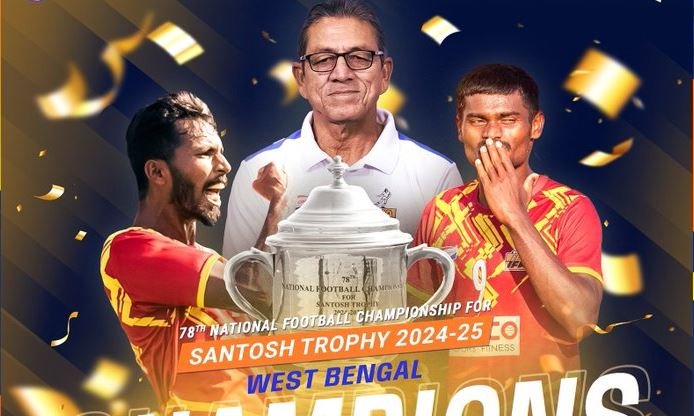
Q.: Which team won the Santosh Trophy in football by defeating Kerala 1-0 in the final held on December 31, 2024, at the GMC Balayogi Athletic Stadium, Hyderabad?
A. Kerala B. Punjab C. Karnataka D. West Bengal
Show Answer
Ans: D. West Bengal West Bengal clinched the prestigious Santosh Trophy national football championship title by defeating Kerala 1-0 in the final held on December 31, 2024, at the GMC Balayogi Athletic Stadium in Hyderabad.
Q.: Who shared the title of the World Blitz Chess Championship 2024 ?
A) Magnus Carlsen and Ian Nepomniachtchi B) Magnus Carlsen and Fabiano Caruana C) Ian Nepomniachtchi and Ding Liren D) Magnus Carlsen and Hikaru Nakamura
Show Answer
Answer: A) Magnus Carlsen and Ian Nepomniachtchi
Q.: According to the India Meteorological Department (IMD), 2024 was:
A) The driest year on record in India B) The warmest year on record in India since 1901 C) The coldest year on record in India since 1901 D) The year with the most rainfall in India
Show Answer
Answer: B) The warmest year on record in India since 1901 The India Meteorological Department (IMD) reported that 2024 was the warmest year on record in India since 1901.
In the World Blitz Chess Championship 2024, Magnus Carlsen and Ian Nepomniachtchi shared the title after their final match ended in a tie in New York on 31 December 2024.
World Blitz Chess Championship 2024 – Open Section:
Carlsen led 2-0 and needed just a draw in the third game to secure the title.
Nepomniachtchi leveled the score 2-2, forcing tiebreaks.
After three draws in sudden-death games, Carlsen proposed sharing the title, which Nepomniachtchi accepted.
Women’s Section: Ju Wenjun from China defeated Lei Tingjie in the final to win the World Blitz Championship, completing a double after drawing five games.
India’s Performance: R. Vaishali, India’s lone hope in the knockouts, overcame an initial loss in the quarterfinals against China’s Zhu Jiner, winning 2.5-1.5 after four games. In the semifinals, Vaishali lost to Ju Wenjun in a one-sided match, 0.5-2.5.
West Bengal clinched the prestigious Santosh Trophy national football championship title by defeating Kerala 1-0 in the final held on December 31, 2024, at the GMC Balayogi Athletic Stadium in Hyderabad.
This victory marks West Bengal’s record-extending 33rd title in the tournament’s history.
The match-winner came in the added time of the second half when Robi Hansda scored from close range after Aditya Thapa‘s header into the box.
The team, led by coach Sanjoy Sen, showcased incredible performance throughout the tournament, overcoming the absence of key striker Naro Hari Shrestha due to injury.
Full Membership: Romania and Bulgaria officially became full members of the Schengen zone on January 1, 2025.
13-Year Wait: This marks the end of a 13-year wait for the two countries to join the borderless area.
Expanded Zone: The Schengen zone now includes 29 members, expanding the borderless area significantly.
Economic Impact: Analysts estimate that joining the Schengen zone will boost Romania’s and Bulgaria’s GDP by at least one percentage point.
Historic Moment: Leaders on both sides hailed the expansion as a historic achievement.
Austria’s Objections: Austria had previously blocked their full entry over migration concerns but dropped its objections after a border protection agreement was reached.
Improved Travel: The removal of land border checks will ease travel and strengthen economic ties between Romania, Bulgaria, and other Schengen countries.
Q.: India’s first glass bridge over the sea was inaugurated in which location?
a) Rameshwaram b) Kanyakumari c) Chennai d) Mahabalipuram
Show Answer
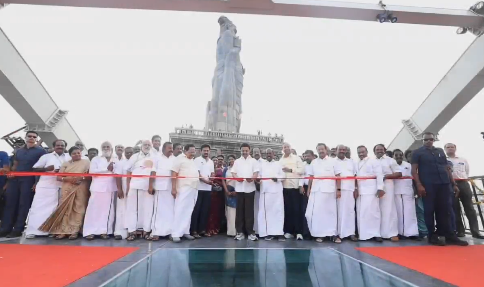
Answer: b) Kanyakumari India’s first glass bridge over the sea was inaugurated in Kanyakumari, Tamil Nadu, on 30 December 2024 by Chief Minister MK Stalin.
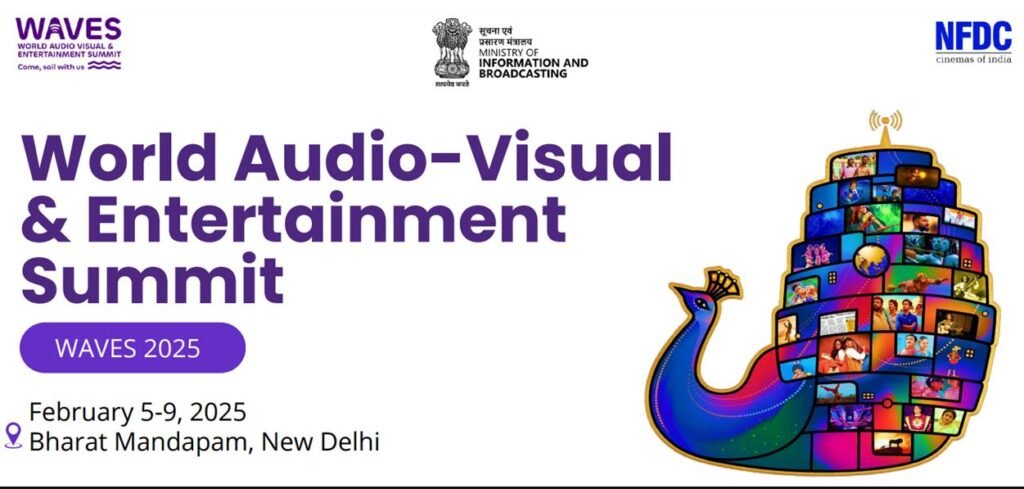
Q.: Where will the WAVES 2025 Summit take place from February 5th to 9th, 2025 in India?
a) Pragati Maidan, New Delhi b) Bharat Mandapam, New Delhi c) India International Centre, New Delhi d) Vigyan Bhawan, New Delhi
Show Answer
Answer: b) Bharat Mandapam, New Delhi India will host the World Audio Visual Entertainment Summit (WAVES) 2025 from February 5th to 9th at Bharat Mandapam, New Delhi, marking its first-ever hosting of this global event.
Q.: What change did the NPCI announce for WhatsApp Pay on 31 December 2024?
a) Introduction of new payment features b) Removal of the UPI user onboarding limit c) Implementation of a transaction cap d) Ban on UPI services for WhatsApp Pay
Show Answer
Answer: b) Removal of the UPI user onboarding limit On 31 December 2024, The NPCI has lifted the unified payments interface (UPI) user onboarding cap for WhatsApp Pay, allowing it to extend services to its entire Indian user base of over 500 million.
WhatsApp Pay UPI User Limit Removed: On 31 December 2024, The NPCI has lifted the unified payments interface (UPI) user onboarding cap for WhatsApp Pay, allowing it to extend services to its entire Indian user base of over 500 million.
Previous Restrictions: WhatsApp Pay was previously limited to onboarding 100 million users, with expansion permitted in phases.
Compliance: WhatsApp Pay must adhere to existing UPI guidelines applicable to third-party app providers (TPAPs).
UPI Transaction Cap Deferred: The rule capping any single app’s UPI transaction share at 30% has been deferred until December 31, 2026.
UPI Growth: UPI processes over 13 billion monthly transactions, with Google Pay and PhonePe controlling over 85% of the market. Between January and November 2024, UPI recorded 15,547 crore transactions worth ₹223 lakh crore.
UPI’s Impact: Since its 2016 launch, UPI has transformed financial access in India, benefiting 300 million individuals and 50 million merchants.
NPCI Vision: NPCI continues to drive innovations in retail payment systems, aiming for a secure, accessible, and cost-effective digital economy aligned with India’s vision of becoming a fully digital society.
India will host the World Audio Visual Entertainment Summit (WAVES) 2025 from February 5th to 9th at Bharat Mandapam, New Delhi, marking its first-ever hosting of this global event. The summit aims to position India as a global hub for content creation and foster collaborations in the media and entertainment industry.
Key focus areas include AVGC (Animation, Visual Effects, Gaming, and Comics), technological advancements, sustainable production, and global market strategies, attracting industry leaders and innovators worldwide.
India’s first glass bridge over the sea was inaugurated in Kanyakumari, Tamil Nadu, on 30 December 2024 by Chief Minister MK Stalin.
The 77-meter-long bridge, built at a cost of ₹37 crores, connects the 133 ft tall Saint Tiruvalluvar statue (renamed as the “Statue of Wisdom”) with the Vivekananda Rock Memorial.
Part of the silver jubilee celebrations of the Tiruvalluvar statue, the bridge offers tourists a breezy walk with a clear view of the sea below.
This list includes some of the most widely recognized days and events celebrated internationally and in India. The list of Important International and National Days in India, organized month-wise are given below:
List of International and National Days in 2025
January
January 1: New Year’s Day
January 4: World Braille Day
January 6: World Day of War Orphans
January 9: Pravasi Bharatiya Divas
January 10: World Hindi Day
January 12: National Youth Day (Birth Anniversary of Swami Vivekananda)
January 15: Army Day
January 26: Republic Day of India
January 30: Martyrs’ Day (Mahatma Gandhi’s Martyrdom Day)
February
February 2: World Wetlands Day
February 4: World Cancer Day
February 6: International Day of Zero Tolerance for Female Genital Mutilation
February 14: Valentine’s Day
February 21: International Mother Language Day
February 28: National Science Day
March
March 8: International Women’s Day
March 14: World Sleep Day
March 21: World Poetry Day
March 23: Martyrs’ Day (Shaheed Bhagat Singh, Rajguru, and Sukhdev’s Martyrdom Day)
March 24: World Tuberculosis Day
April
April 2: World Autism Awareness Day
April 7: World Health Day
April 22: Earth Day
May
May 1: International Workers’ Day
May 3: World Press Freedom Day
May 12: Mother’s Day
May 18: International Museum Day
May 23: World Turtle Day
June
June 5: World Environment Day
June 8: World Oceans Day
June 16: Father’s Day
June 21: International Yoga Day
June 23: World Bicycle Day
July
July 1: Canada Day
July 4: Independence Day (United States)
July 6: World Zoonoses Day
July 11: World Population Day
July 14: Bastille Day (France)
August
August 9: International Day of the World’s Indigenous Peoples
August 15: Independence Day (India)
August 19: World Humanitarian Day
August 23: International Day for the Remembrance of the Slave Trade and its Abolition
September
September 5: Teachers’ Day (India)
September 8: International Literacy Day
September 10: World Suicide Prevention Day
September 16: International Day for the Preservation of the Ozone Layer
September 21: International Day of Peace
October
October 2: Gandhi Jayanti (Mahatma Gandhi’s Birth Anniversary)
October 5: World Teachers’ Day
October 9: World Post Day
October 16: World Food Day
October 31: Halloween
November
November 1: All Saints’ Day
November 2: All Souls’ Day
November 14: Children’s Day (India)
November 16: International Day for Tolerance
November 19: World Toilet Day
December
December 1: World AIDS Day
December 3: International Day of Persons with Disabilities
Delhi Sultanate MCQ : Objective Questions for competitive Exams. Most important History GK question and answer for online practice are given here for preparation of SSC CGL and other govt examinations.
Delhi Sultanate MCQ :
Qns 1 : Which among the following dynasties had not ruled over Delhi? (a) Slave dynasty (b) Sayyid dynasty (c) Khilji dynasty (d) Ghori dynasty
Answer
(d) Ghori dynasty
Qns 2 : The first sovereign ruler of Delhi, Iltutmish was also known as (a) Slave of Slaves (b) King of Kings (c) Messiah of Farmers (c) Prince of Pilgrims
Answer
(a) Slave of Slaves
Qns 3 : Who among the sultans is credited with having introduced a purely Arabic currency of gold and silver? (a) Iltutmish (b) Balban (c) Muhammad bin Tughluq (d) Alauddin Khilji
Answer
(c) Muhammad bin Tughluq
Qns 4 : Who among the following attacked India during the reign of Iltutmish? (a) Genghis Khan (b) Ulugh Khan (c) Nusrat Khan (d) Jalal Khan
Answer
(a) Genghis Khan
Qns 5 : Who broke the power of ‘Chahalgani nobles’ ? (a) Ghiyasuddin Balban (b) Iltutmish (c) Alauddin Khilji (d) Muhammad bin Tughluq
Answer
(a) Ghiyasuddin Balban
Qns 6 : Consider the following statements about Balban. I. He called himself Naib-i-Khudai or Deputy of God. II. He created Diwan-i-Arz or department of military affairs. III. He propounded the theory of Kingship and restored peace in the Doab. IV. He liquidated the Turkish nobility Chalisa or the group of forty. Which statements given above is/are correct? (a) I, II and III (b) I, III and IV (c) II, III and IV (d) All of these
Answer
(d) All of these
Qns 7 : Who was the founder of Khilji dynasty? (a) Jalaluddin Khilji (b) Alauddin Khilji (c) Mubarak Shah Khilji (d) Masud Shab
Answer
(a) Jalaluddin Khilji
Qns 8 : Who among the following sultans of Delhi was the first to have paid to his soldiers in cash? (a) Ibrahim Lodhi (b) Iltutmish (c) Alauddin Khilji (d) Balban
Answer
(c) Alauddin Khilji
Qns 9 : In 1306 CE which river served as boundary between Mongol and Delhi Sultanate? (a) Beas (b) Ravi (c) Sindhu (d) Satluj
Answer
(c) Sindhu
Qns 10 : With reference to Sultan Alauddin Khilji, consider the following statements. I. Alauddin Khilji fixed the prices of foodgrains. II. Alauddin Khilji was the first Sultan, who paid his soldiers in cash. III. During Alauddin Khilji’s rule, the share of the land revenue to be paid by the peasant was raised to half of the produce. Which of these statements are correct? (a) I and II (b) I and III (c) II and III (d) I, II and III
Answer
(d) I, II and III
Qns 11 : Which Sultan had a dispute with sufi Saint Nazamuddin Auliya? (a) Jalaluddin Khilji (b) Ghiyasuddin Tughlaq (c) Firuz Shah Tughlaq (d) Muhammad bin Tughluq
Answer
(b) Ghiyasuddin Tughlaq
Qns 12 : Which Sultan of Delhi had established a separate agriculture department and had planned the ‘rotation of crops’? (a) Iltutmish (b) Balban (c) Alauddin Khilji (d) Muhammad bin Tughluq
Answer
(d) Muhammad bin Tughluq
Qns 13 : ‘The king was freed from his people and they from their king.’ On whose death did Badayuni commented? (a) Alauddin Khilji (b) Balban (c) Iltutmish (d) Muhammad bin Tughluq
Answer
(d) Muhammad bin Tughluq
Qns 14 : Which Sultan of Delhi established a ‘Translation Department to help both communities to understand each others ideas better? (a) Alauddin Khilji (b) Firuz Shah Tughlaq (c) Iltutmish (d) Sikandar Lodi
Answer
(b) Firuz Shah Tughlaq
Qns 15 : Who was the last ruler from Tughlaq dynasty to rule over Delhi Sultanate? (a) Firuz Tughlaq (b) Ghiyasuddin Tuqhluq I (c) Nasiruddin Mahmud (d) Nusrat Shah
Answer
(c) Nasiruddin Mahmud
Qns 16 : Which one of the following is the correct chronological order of the Afghan rulers to the throne of Delhi? (a) Sikandar Shah, Ibrahim Lodi, Bahlul Khan Lodi (b) Sikandar Shah, Bahlul Khan Lodi, Ibrahim Lodi (c) Bahlul Khan Lodi, Sikandar Shah, Ibrahim Lodi (d) Bahlul Khan Lodi, Ibrahim Lodi, Sikandar Shah Lodi
Answer
(c) Bahlul Khan Lodi, Sikandar Shah, Ibrahim Lodi
Qns 17 : Which sultan of Delhi Sultanate broke the sacred images of the Jwalamukhi temple at Naga Kot and ordered the temples of Mathura to be destroyed? (a) Sikandar Lodi (b) Alauddin Khilji (c) Firuz Shah Tughlaq (d) Nusrat Shah
Answer
(a) Sikandar Lodi
Qns 18 : In the Delhi Sultanate an administrative unit called ‘Paragana’ was headed by an official known as (a) Shiqdar (b) Barid (c) Ariz (d) Amil
Answer
(a) Shiqdar
Qns 19 : ‘Diwan-i-Arz’ department was associated with (a) royal correspondence (b) foreign (c) defence (d) finance
Answer
(c) defence
Qns 20 : Which of the following was not one of the revenue and agrarian measures of Firuz Shah Tughlaq? (a) He retained only four kinds of taxes sanctioned by the Quran (kharaj, zakat, Jaziya, and khums). (b) He undertook revaluation of land to certain its assessment. (c) Religious endowments which had reverted to the state under previous rulers were returned to the earlier holders or their descendants. (d) He was generous in granting land to civil and military officers and in farming out land.
Answer
(a) He retained only four kinds of taxes sanctioned by the Quran (kharaj, zakat, Jaziya, and khums).
Qns 21 : Which of the following indicates taxes levied on the land product? I. Kharaj II. Khums III. Ushr IV. Muktai Select your answer from the following codes. (a) Only I (b) II and III (c) I, II and III (d) I, III and IV
Answer
(d) I, III and IV
Qns 22 : Which sultan built Alai Darwaza? (a) Iltutmish (b) Balban (c) Alauddin Khilji (d) Firuz Shah Tughlaq
Answer
(c) Alauddin Khilji
Qns 23 : Al-Biruni came to India with (a) Mahmud Ghazni (b) Muhammad Ghori (c) Qutubuddin Aibak (d) Mohammad-Bin-Kasim
Answer
(a) Mahmud Ghazni
Qns 24 : Who among the following witnessed the reign of seven sultans of Delhi? (a) Amir Khusrau (b) Shaikh Nizamuddin Auliya (c) Khwaja Muinuddin Chishti (d) Both (a) and (b)
Answer
(d) Both (a) and (b)
Qns 25 : Who were called ‘Dastar-Bandan’? (a) Sufi-Saint (b) Khan (c) Malik (d) Ulema
Arab and Turkish Invasion, Most Important History GK mcq questions with answers for preparation of SSC and all Govt jobs competitive exams.
Arab and Turkish Invasion Questions
Qns 1 : Who was Muhammad bin Qasim?
(a) Turk (b) Mongol (c) Arab (d) Turk-Afghani
Answer
(c) Arab
Qns 2 : Who was the Hindu King at the time of invasion of Muhammad-bin-Qasim on Sindh?
(a) Dahir (b) Hala (c) Ananda Raja (d) Mula Raja
Answer
(a) Dahir
Qns 3 : When did the first contact of India with Islam established?
(a) After the arrival of Sufi Saints (b) In the 11th century after establishment of Turkish rule in India. (c) In the 7th century after conquest of sindh by Muhammad-bin-Qasim. (d) Arrival of Arab traders on the Malabar Coast.
Answer
(d) Arrival of Arab traders on the Malabar Coast.
Qns 4 : Who among the following was the Arab commander who successfully conquered Sindh?
Qns 5 : Who among the following is considered as Founded of Ghaznavid dynasty?
(a) Subuktigin (b) Mahmud (c) Ismail (d) Alp Tigin
Answer
(a) Subuktigin
Qns 6 : Who had given Mahmud an investiture to rule as an independent ruler?
(a) Ottoman Turk (b) Caliph of Baghdad named Qadirbillah (c) Subuktgin (d) Caliph of Arab named Al-hitmatdai
Answer
(b) Caliph of Baghdad named Qadirbillah
Qns 7 : Who among the following was the court historian of Mahmud Ghaznavi?
(a) Hasan Nizami (b) Utbi (c) Firdausi (d) Chand Bardai
Answer
(b) Utbi
Qns 8 : In which year did Mahmud Ghaznavi attacked the Somnath temple?
(a) 1001 CE (b) 1016 CE (c) 1013 CE (d) 1025 CE
Answer
(d) 1025 CE
Qns 9 : Who was the ruler of Gujarat when Mahmud invaded the Somnath temple?
(a) Sukhpal (b) Rajyapal (c) Mula Raja (d) Bhimdev 1
Answer
(d) Bhimdev 1
Qns 10 : Who among the following re-constructed the Somnath temple after the invasion of Mahmud?
(a) Bhimraj first (b) Bhimdev (c) Mulraj (d) Jai Singh Siddhi Raj
Answer
(b) Bhimdev
Qns 11 : Who fought the Battle of Waihind (AD 1009)?
(a) Anandpala and Mahmud Ghaznavi. (b) Jayapala and Muhammad Ghori. (c) Prithviraj Chauhan and Muhammad Ghori. (d) Jaichandra and Bakhtiyar Kilji.
Answer
(a) Anandpala and Mahmud Ghaznavi.
Qns 12 : Assertion (A) Mahmud Ghaznavi invaded India 17 times. Reason (R) He wanted to establish a permanent Muslim rule in India. Codes (a) Both A and R are true and R is the correct explanation of A (b) Both A and R are true, but R is not the correct explanation of A (c) A is true, but R is false (d) A is false, but R is true
Answer
(c) A is true, but R is false
Qns 13 : Match the following.
(Events)
(Date)
A. Invasion on Somnath
1. 1025 AD.
B. Invasion on Kalinjar
2. 1021 AD
C. Invasion on Mathura and Kannauj
3. 1018-19 AD
D. Inavsion of Thaneshwar
4. 1014 AD
E. Battle with Anandpal
5. 1008 AD
Codes
    A B C D E
(a) 1 2 3 4 5
(b) 5 4 3 2 1
(c) 1 2 3 5 4
(d) 3 4 2 5 1
Answer
(a) 1 2 3 4 5
Qns 14 : Al-biruni lived during the period of which one of the following?
(a) Mahmud Ghaznavi (b) Muhammad Ghori (c) Alauddin Khalji (d) Ferozshah Tughlaq
Answer
(a) Mahmud Ghaznavi
Qns 15 : The famous historian who came India along with Mahmud Ghaznavi?
(a) Farista (b) Ibn Battuta (c) Al-Biruni (d) Afif
Answer
(c) Al-Biruni
Qns 16 :Which one of the following statements is not correct?
(a) Al-Biruni identifies the sufi doctrine of divine love as self-annihilation with parallel passages from Bhagawad Gita. (b) According to Al-Biruni, Sufi theories of soul were similar to those in Patanjali’s Yoga Sutra. (c) The Hatha Yogic treatise Amrita Kunda had lasting impact on Sufism. (d) Hujwiri’s conversation with the yogis shows that he was impressed with their theory of the division of the human body.
Answer
(d) Hujwiri’s conversation with the yogis shows that he was impressed with their theory of the division of the human body.
Qns 17 : Muhammad Ghori was the ruler of which dynasty?
The List of all National Parks and Sanctuaries of India in Hindi. भारत के राष्ट्रीय उद्यान एंव अभ्यारण्य state wise list for General Knowledge useful for Competitive Exams.
List of main International Intelligence Agencies in the World; General Knowledge (GK) for Competitive Exams. The questions from this topic is most often asked in various Govt jobs examination. We are providing list along with detail info about the main agencies are provided below:
List of International Intelligence Agencies
Country
Name of the Intelligence Agency
Year of Establishment
India
R&AW (Research and Analysis Wing)
1968
United States of America
CIA (Central Intelligence Agency)
1947
Israel
Mossad
1949
Pakistan
ISI (Inter-Services Intelligence)
1948
United Kingdom
MI6 (Military Intelligence Section 6 or Secret Intelligence Service (SIS))
1909
Russia
GRU (Main Intelligence Agency)
1992
China
MSS (Ministry of State Security)
1983
The brief details of Intelligence Agencies in the World are given below:
Research and Analysis Wing (R&AW), India
R&AW (Research and Analysis Wing) came into existence on 21 September 1968.
The HQ of RA&W is in New Delhi.
It is dedicated agency for foreign intelligence gathering.
It was put under the direct control of the Prime Minister’s Office (PMO).
Before the existence of R&AW, the Intelligence Bureau (IB) was solely responsible for gathering both internal and external intelligence. Now IB is focused in Internal Intelligence gathering.
CIA (Central Intelligence Agency), USA
The CIA was established by the National Security Act of 1947 as an independent agency under the direction of the National Security Council.
Mission – To correlate and evaluate intelligence relating to national security, and provide for the appropriate dissemination of such intelligence within the Government.
CIA is headquartered in Virginia, United States.
Mossad, Israel
Institute for Intelligence and Special Operations (Mossad) is headquartered in Tel Aviv, Israel.
It was established on December 13, 1949.
ISI (Inter-Services Intelligence), Pakistan
ISI was founded in 1948 and is headquartered in Islamabad, Pakistan.
The Inter-Services Intelligence (ISI) of Pakistan has established itself as an effective agency, whose work has a definitive impact on a range of issues spanning regional politics/international relations, guerilla warfare as well as sub-conventional mechanisms, including the fuelling of uprisings and armed rebellions.
The ISI is also involved in trying to counter terrorism within and outside Pakistan.
Controlled and headed by the Pakistan Army, it has an important say in most matters pertaining to the country, be they domestic or international.
MI6 (Secret Intelligence Service), United Kingdom
The Secret Intelligence Service (SIS), often called MI6, was established in 1909 as the Foreign Section of the Secret Service Bureau under the leadership of Naval Commander (later Captain Sir) Mansfield Cumming.
SIS is based at Vauxhall Cross in central London.
The principal function of SIS, often known as MI6, is the collection of secret foreign intelligence on issues concerning Britain’s vital interests in the fields of security, defence, serious crime, foreign and economic policies.
The role of SIS is governed by the Intelligence Services Act 1994, which placed SIS on a statutory basis for the first time.
The Foreign Secretary is answerable to Parliament for the work of SIS.
GRU (Main Intelligence Agency), Russia
GRU stands for Glavnoe Razvedytalnoe Upravlenie, Russian Military Intelligence.
The strategic functions of GRU are as follows:
Political Intelligence.
Scientific and Technical Intelligence (industrial espionage).
Illegal Intelligence
The GRU is a large, expansive organization under the command of Russia’s Ministry of Defence and Defence Minister.
As an arm of the military, the GRU is responsible for all levels of military intelligence, from tactical to strategic.
Additionally, the GRU conducts traditional intelligence missions through the recruitment and collection of human, signals, and electronic assets.
Beyond its traditional combat – and intelligence-related roles, the GRU conducts extensive cyber, disinformation, propaganda, and assassination operations.
Due to its operations and responsibilities, the GRU is one of the most well-known of Russia’s intelligence agencies. It plays a large role in Russian foreign and security policy.
MSS (Ministry of State Security), China
The MSS is the People’s Republic of China (PRC’s) main civilian intelligence and counter-intelligence service.
The missions of the MSS are:
To protect the PRC’s national security;
To secure political and social stability;
To implement the National Security Law and related laws and regulations;
To protect state secrets;
To conduct counter-intelligence; and
To investigate organizations or people inside the PRC who carry out or direct, support, or aid other people perceived to harm national security.
MSS (Ministry of State Security) is headquartered in Beijing and founded in 1983.
The list of Important Indian Cities on River Banks, General Knowledge (GK) in Hindi for preparation of upcoming Competitive Exams. The state-wise list is given below.
First in India, General Knowledge (GK) in Hindi for Competitive Exams. List of First Appointments, First lady, and Technical achievements are compiled below.
भारत की पहली नियुक्तियाँ
पहले राष्ट्रपति
डॉo राजेन्द्र प्रसाद
पहले उपराष्ट्रपति
डॉo एस० राधाकृष्णन
पहले प्रधानमंत्री
पंडित जवाहरलाल नेहरु
पहले गृह मंत्री
वल्लभभाई पटेल
पहले रेल मंत्री
जॉन मथाई
पहले रक्षा मंत्री
सरदार बलदेव सिंह
पहले वित्त मंत्री
आर० षणमुगम चेट्टी
पहले विदेश मंत्री
जवाहरलाल नेहरु
पहले गवर्नर जनरल (भारतीय)
सी राजगोपालाचारी
पहले गवर्नर जनरल
लॉर्ड माउन्टबेटन
भारत के पहले मुख्य न्यायाधीश
हरिलाल जे कानिया
पहले मुख्य निर्वाचन आयुक्त
सुकुमार सेन
पहले मुख्य सूचना आयुक्त
वजाहत हबीबुल्ला
पहले केंद्रीय सतर्कता आयुक्त
एन० श्रीनिवास राव
लोकसभा के पहले अध्यक्ष
जी० वी० मावलंकर
पहले मंत्रीमंडल सचीव
एन० आर० पिल्लै
पहले थल सेना अध्यक्ष
जनरल राजेन्द्र सिंह जी
पहले वायु सेना अध्यक्ष
एयर मार्शल थॉमस एल्महशर्ट
पहले नौ सेना अध्यक्ष
वाइस एडमिरल आर० डी0 कटारी
भारत की प्रथम तकनिकी उपलब्धियाँ
घटना
वर्ष
भारत में प्रसारण की शुरुआत
1927
ऑल इंडिया रेडियो की स्थापना
1936
टेलीविजन की शुरुआत
1959
रंगीन टीवी की शुरुआत
1982
रेलवे की शुरुआत
1853, 16 अप्रैल
पहली इलेक्ट्रिक ट्रेन
1925, 23 फरवरी
डाक टिकट का पहला अंक
1825, 25 मार्च
सबसे पहली टेलीग्राफ लाइन
1851 (कलकत्ता और डायमंड हार्बर)
पहला अख़बार
1781 जनवरी 29 हिक्की कलकत्ता गजेट
पहले परमाणु पावर स्टेशन तारापुर में कमीशन
1969
पहला परमाणु परिक्षण किया
1974, 18 मई
पहला उपग्रह
1975, 19 अप्रैल
इंटरनेट भारत आया
1995, 15 अगस्त (बीएसएनएल द्वारा प्रदान की)
पहली हवाई डाक भारत तथा विश्व में (बम्रौली से इलाहाबाद 6 मील)
1911
भारत के पहले स्वदेश निर्मित पनडुब्बी
शल्की
भारत के पहले अखबारी कागज कारखाना स्थापित
नेपानगर (म. प्र.)
भारत में प्रथम महिला
भारत रत्न से सम्मानित होने वाली पहली भारतीय महिला
श्रीमती इंदिरा गाँधी
एक भारतीय राज्य की पहली महिला राज्यपाल
श्रीमती सरोजनी नायडु
राज्य की पहली महिला मुख्यमंत्री
श्रीमती सुचेता कृपलानी
देश की पहली केंद्रीय मंत्री
श्रीमती राजकुमारी अमृत कौर
भारतीय राष्ट्रीय कांग्रेस की पहली महिला अधक्ष
एनी बेसेंट
मुख्य चुनाव आयुक्त बनने वाली पहली महिला
श्रीमती रमा देवी
उच्च न्यायालय की मुख्य न्यायाधीश नियुक्त होने वाली पहली महिला
न्यायाधीश लीला सेठ
सुप्रीम कोर्ट की न्यायाधीश नियुक्त होने वाली पहली महिला
न्यायाधीश एम फातिमा बीवी
लोक सभा के अध्यक्ष पद पर नियुक्त होने वाली पहली महिला
श्रीमती मीरा कुमार
संयुक्त राष्ट्र महासभा की पहली महिला अध्यक्ष
श्रीमती विजयलक्ष्मी पंडित
इंग्लिश चैनल तैर कर पार करने वाली पहली भारतीय महिला
आरती साहा
ओलम्पिक पदक जीतने वाली पहली भारतीय महिला
कर्णम मल्लेश्वरी
एशियाड में पदक जीतने वाली पहली भारतीय महिला
कमलजीत संधू
एवरेस्ट शिखर पर चढाई करने वाली पहली भारतीय महिला
बछेंद्री पाल
भारतीय सेना में शौर्य पुरस्कार प्राप्त करने वाली भारतीय महिला (अफगानिस्तान में बहादुरी के लिए सेना मेडल)
मेजर मिताली मधुमिता
मिस एशिया पैसिफिक का ख़िताब जीतने वाली पहली भारतीय महिला
जीनत अमान
मिस यूनिवर्स का ख़िताब जीतने वाली पहली भारतीय महिला
सुष्मिता सेन
मिस वर्ल्ड का ख़िताब जीतने वाली पहली भारतीय महिला
रीटा फारिया
मिस अर्थ का ख़िताब जीतने वाली पहली भारतीय महिला
निकोल फारिया
एक जवान के रूप में प्रादेशिक सेना में शामिल होने वाली पहली भारतीय महिला
शांति टिग्गा
मुख्य सूचना आयुक्त का पद भार संभालने वाली पहली महिला
दीपक संधू
केंद्रीय विदेश मंत्री का पद भार संभालने वाली पहली महिला
शुष्मा स्वराज (नोट: इससे पहले श्रीमती इंदिरा गाँधी ने प्रधान मंत्री रहते हुए विदेश मंत्री का अतिरिक्त प्रभार संभाला था)
भारतीय राज्यों की पहली महिला मुख्यमंत्री, राज्यपाल
India is the seventh largest country in the world and also the second most populous country. It is located in southern Asia. It is officially known as the Republic of India. It is governed by the parliamentary form of government. There are total 28 states and 8 union territories in India. PDF include list of all States and Capitals of India in the year 2024 is provided for free download.
There are a total of 400 cities in India. There are eight metropolitan cities in India and they are Kolkata, Mumbai, New Delhi, Chennai, Hyderabad, Bangalore, Ahmedabad and Pune.
The 28 Indian states and and 8 union territories with their capitals are as follows.
States and Capitals of India :
States
Capital
Andhra Pradesh
Amaravati
Arunachal Pradesh
Itanagar
Assam
Dispur
Bihar
Patna
Chhattisgarh
Raipur
Goa
Panaji
Gujarat
Gandhinagar
Haryana
Chandigarh
Himachal Pradesh
Shimla
Jharkhand
Ranchi
Karnataka
Bengaluru
Kerala
Thiruvananthapuram
Madhya Pradesh
Bhopal
Maharashtra
Mumbai
Manipur
Imphal
Meghalaya
Shillong
Mizoram
Aizawl
Nagaland
Kohima
Odisha
Bhubaneswar
Punjab
Chandigarh
Rajasthan
Jaipur
Sikkim
Gangtok
Tamil Nadu
Chennai
Telangana
Hyderabad
Tripura
Agartala
Uttar Pradesh
Lucknow
Uttarakhand
Dehradun (Winter) Gairsain (Summer)
West Bengal
Kolkata
Union Territories and Capitals of India
Union Territories Name
Capital
Andaman and Nicobar Islands
Port Blair
Chandigarh
Chandigarh
Dadra & Nagar Haveli and Daman & Diu
Daman
Delhi
New Delhi
Jammu and Kashmir
Srinagar (Summer) Jammu (Winter)
Lakshadweep
Kavaratti
Puducherry
Pondicherry
Ladakh
Leh
Download : States and Capitals of India 2024 PDF
Prepared by : GK Now Source : https://knowindia.india.gov.in/states-uts/ Compiled by : GKNOW.IN Number of PDF Pages : 3
List of United Nations Organization Pdf with Headquarters, Acronyms and Establishment year for Competitive exams General Knowledge.
The United Nations (UN) is a international organization which maintain international peace and security, develop friendly relations among nations, achieve international cooperation, and serve as a center for harmonizing the actions of nations by using political and diplomatic means.
List of UN Organizations
S. No.
Acronyms
Agency
Headquarters
Established
1
FAO
Food and Agriculture Organization
Rome, Italy
1946
2
IAEA
International Atomic Energy Agency
Vienna, Austria
1957
3
ICAO
International Civil Aviation Organization
Montreal, Quebec, Canada
1947
4
IFAD
International Fund for Agricultural Development
Rome, Italy
1977
5
ILO
International Labor Organization
Geneva, Switzerland
1919
6
IMO
International Maritime Organization
London, United Kingdom
1948
7
IMF
International Monetary Fund
Washington, D.C., United States
1945
8
ITU
International Telecommunication Union
Geneva, Switzerland
1865
9
UNESCO
United Nations Educational, Scientific and Cultural Organization
Paris, France
1945
10
UPU
Universal Postal Union
Bern, Switzerland
1947
11
WBG
World Bank Group
Washington, D.C., United States
1945
12
WIPO
World Intellectual Property Organization
Geneva, Switzerland
1974
13
WMO
World Meteorological Organization
Geneva, Switzerland
1950
14
UNWTO
United Nations World Tourism Organization
Madrid, Spain
1974
15
UNODC
United Nations Office on Drugs and Crime
Vienna, Austria
1997
16
WHO
World Health Organization
Geneva, Switzerland
1948
17
UNHCR
Office of United Nations High Commissioner for Refugees
Geneva, Switzerland
1950
18
WFP
Office of United Nations World Food Program
Rome, Italy
1961
Download : United Nations Organization PDF
Name : United Nations Organization Medium : English Number of pages : 1
Free download list United Nations Organization from below button:
Uttar Pradesh has 6 UNESCO World Heritage Sites all of which are located near Agra. Uttar Pradesh is a home to the 20 crore population of India and a rich history whom made thee heritage sites have different culture, beliefs and different art pattern. Below is the UNESCO World Heritage Site list and detail is provided.
UNESCO World Heritage Site
Location
UNESCO Inscription Year
Taj Mahal
Agra
1983
Agra Fort
Agra
1983
Fatehpur Sikri
Agra
1986
Sarnath
Varanashi
1988
Iconic Saree Weaving Cluster of India
Varanasi
2014
Varanasi Riverfront
Varanasi
2021
Taj Mahal
Taj Mahal is located in Agra, Uttar Pradesh, India near the right bank of river Yamuna. It is a is mausoleum, which was build by Mughal Emperor Shah Jahan in memory of his wife Mumtaz Mahal. Taj Mahal is made of ivory white marbel.
Agra Fort
It is located in Agra, Uttar Pradesh. It has served as the residence of Mughal dynasty during rule. It is spread over 94 acres.
Fatehpur Sikri
It is located 30 km outside of Agra. It was founded as the capital city of Mughal empire by Akbar The Great. It is built largely from red sandstone, the fortresses, palaces, mosques, gardens and audience halls are all distinctive and unique.
Sarnath
It is a place located 10 kilometres northeast of Varanasi, near the confluence of the Ganges and the Varuna rivers in Uttar Pradesh, India. Here, Gautama Buddha taught his first sermon after attaining enlightenment.
Iconic Saree Weaving Cluster of India
The Iconic Saree Weaving Cluster of India consists of Eight clusters, two of them are located in Uttar Pradesh. Banaras and Mubarakpur are commonly known for having the iconic settlements of saree weavers in India.
Varanasi Riverfront
Located in Varanasi. Site stretches over a big area in front of the River Ganga and is an active spot for activities such as religious festivities and rituals. It is consisting of a symbolic chain of 84 ghats along with several temples and buildings of spectacular architecture.
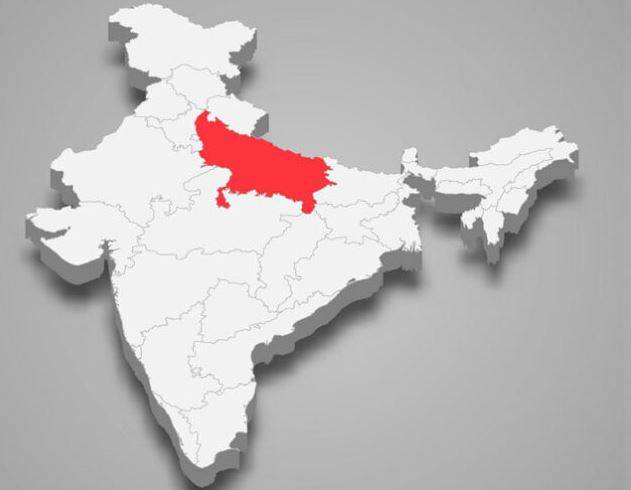
Uttar Pradesh is the most populated state in India and the most populous country subdivision in the world. As per Census 2011 data, information about population of Uttar Pradesh is provided below.
19.98 crores is the population of Uttar Pradesh.
Male and Female are 104,480,510 and 95,331,831 respectively.
Population growth from 2001 to 2011 is 20.23 percent and in the previous decade 1991 to 2001 was 25.80 percent.
The population of Uttar Pradesh forms 16.50 percent of total population of India.
Sex ratio in Uttar Pradesh is 912 female over 1000 males.
Uttar Pradesh literacy rate is overall 67.68 percent. Male literacy is 77.28 % and Female literacy is 57.18 %.
Projected population of 2023 is 24.14 crores.
79.23 Percent of total population are Hindu and 19.26 Percent Muslim comprises of the population.
22.27 percent population live in urban areas.
Uttar Pradesh Metropolitan Regions Population
Large Metropolitan Region
Population
Kanpur
2,920,496
Lucknow
2,902,920
Ghaziabad
2,375,820
Agra
1,760,285
Varanasi
1,423,711
Meerut
1,420,902
Allahabad
1,212,395
Bareilly
985,752
Aligarh
911,223
Gorakhpur
694,889
The Most Populated States in India – As per 2011 census
State/Union Territory
Total population
1. Uttar Pradesh
19,98,12,341
2. Maharashtra
11,23,74,333
3. Bihar
10,40,99,452
4. West Bengal
9,12,76,115
5. Andhra Pradesh
8,45,80,777
6. Madhya Pradesh
7,26,26,809
7. Tamil Nadu
7,24,47,030
8. Rajasthan
6,85,48,473
9. Karnataka
6,10,95,297
10. Gujarat
6,04,39,692
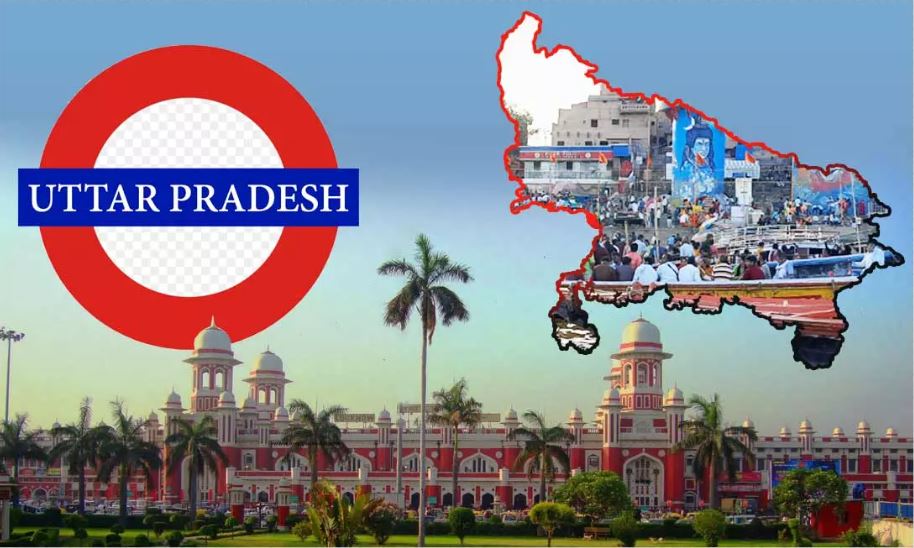
Uttar Pradesh is the fourth-largest Indian state by area occupying 243,286 km2 (93,933 sq mi), equal to 7.3 per cent of the total area of India. On 9 November 2000, a new state, Uttaranchal (now Uttarakhand), has been created from Uttar Pradesh’s western Himalayan hill region. The forest cover is 6.1 per cent of the state’s geographical area. The area that is cultivable is 82 per cent of the total geographical area. In terms of Net State Domestic product (NSDP), Uttar Pradesh the fourth-largest economy in India, contributing around 8.4% of India’s gross domestic product. Uttar Pradesh has a rich culture and traditions which are followed by Uttar Pradesh people all over the world.
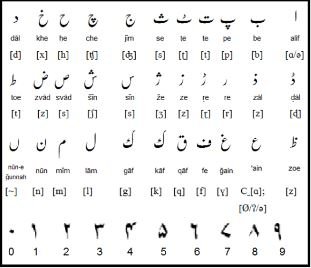
Official Language of Uttar Pradesh for administrative use is Hindi and Urdu is co-official. Hindi is the most spoken language in Uttar Pradesh.
Bhojpuri is the second most spoken. For scripting purpose in office Devanagari script is used. In this blog we will be giving information about the languages spoken and written in Uttar Pradesh.
Uttar Pradesh Language :
Hindi
Bhojpuri
Urdu
Hindi
It is referred Indo-Aryan language from the Indo-European language family which is spoken chiefly in North India, and is also used in the Hindi Belt region encompassing parts of northern, central, eastern, and western India. Hindi, written in the Devanagari script, is one of the two official languages of the Government of India, along with English. Official language written in document in UP government is Devanagari script of Hindi.
Bhojpuri
Bhojpuri is an Indo-Aryan language native to the Bhojpur-Purvanchal region . It is chiefly spoken in eastern Uttar Pradesh, western Bihar and western Jharkhand in India. It is an eastern Indo Aryan language is a descendant of Magadhi Prakrit and is related to Maithili, Magahi, Bangla, Odia, Assamese, and other eastern Indo-Aryan languages.
Urdu
Co-Official language of Uttar Pradesh is Urdu. It is an Indo-Aryan language spoken chiefly in South Asia. In India, Urdu is an Eighth Schedule language, its status and cultural heritage of this language are recognised by the Constitution of India; and it also has an official status in several Indian states including Uttar Pradesh. Urdu and Hindi share a common Sanskrit- and Prakrit-derived vocabulary base. Urdu is written in the Nastaliq style.
Conclusion :
Thank you students, for reading and understanding about the languages of Uttar Pradesh. The three top languages spoken, written and official were presented here. Stay tuned to this site for current affairs and general awareness Blog post.
The folk songs of Uttar Pradesh are unique to its people. These songs are celebrated all over the India through visiting peoples from Uttar Pradesh region. Many people from Uttar Pradesh are residing in different parts of India and World. This unique song form are conserved by this people all over the world.
In this blog we are presenting the names and details of folk songs .
Bhajan
Kajri
Kaharwa
Nauka Jhakkad
Sohar
Folk songs of Uttar Pradesh
Bhajan
Bhajans are devotional songs and sung for the Hindu deities like Lord Ram, Lord Krishna, Lord Shiva and others.
Kajri
This song is celebrated on Teej and Sawan. This song is sing near the start of monsoon. It talks about the beauty of ecology, the black cloud and thunder. It celebrates the beauty of nature and longing of a beloved and separation of loved ones.
Kaharwa
It is practised in the near region of Ganges and Yamuna. This song describes the everyday problems, love, romance and social issues. Kaharwa taal is having an eight-beat cycle.
Nauka Jhakkad
It is sung during Boat race and during river activities. Nauka Jhakkad means Rocking the Boat .
Sohar
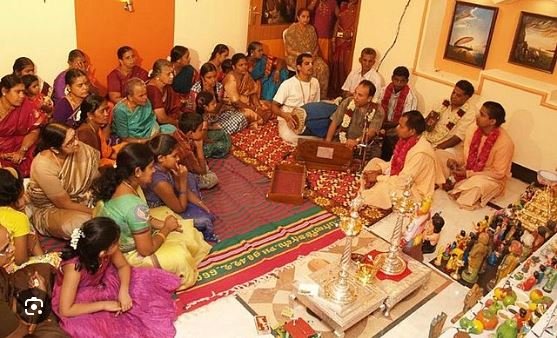
This song as well as dance is performed for the celebration of the birth of a child. In this women typically make a circle and dance along the circle on the rhythm of dholak and song. Song is orated by women. It is symbol of unity, tradition and celebrating a new life.
Thank you for visiting this blog we have presented here Folk songs of Uttar Pradesh. This interesting music is giving Uttar Pradesh people delightful experience as well as devotional nature that brings people near goodness and God. All of this are the needs that have been provided with songs for creating awareness as well as followers devotionally.
The list and details of important Bird Sanctuaries in Uttar Pradesh (UP) are discussed in this blog. The main birds sanctuaries in alphabetical order includes ; Baakhira, Lakh Bahosi, Nawabgunj, Parvati Aranga, Patna, Saman, Sandi, Sur and Vijai Sagar.
Bakhira Bird Sanctuary
Location: Sant Kabir Nagar district
It is situated 44 km west of Gorakhpur city.Spread over 29 hectares, it is located on the banks of the river Ghaghra. Siberians birds travel across 5000 km to get to these wetlands at the time of winter’s.
Lakh Bahosi Bird Sanctuary
Location: Kannauj district
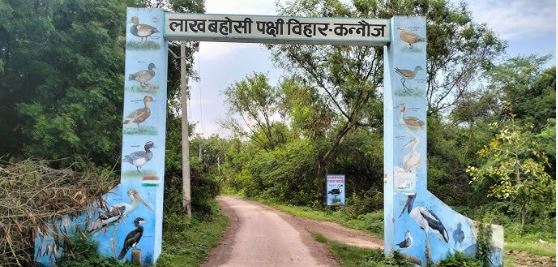
It is spread over two shallow lakes near the villages of Lakh and Bahosi (about 4 km apart) in Kannauj district, Uttar Pradesh, India. It is about 40 km from Kannauj. Bird species from 49 genera (of the 97 inhabiting India) can be seen at the sanctuary. It is one of the largest bird sanctuary in India, covering 80 km2 includes also a stretch of the Upper Ganges canal.
Nawabganj Bird Sanctuary
Location: Unnao district
It is located on the Kanpur-Lucknow highway and consist of a lake and the surrounding environment. It is wetland. It is spread over an area of 2,800 hectares . The sanctuary provides protection for 250 species of migratory birds mostly from CIS countries.
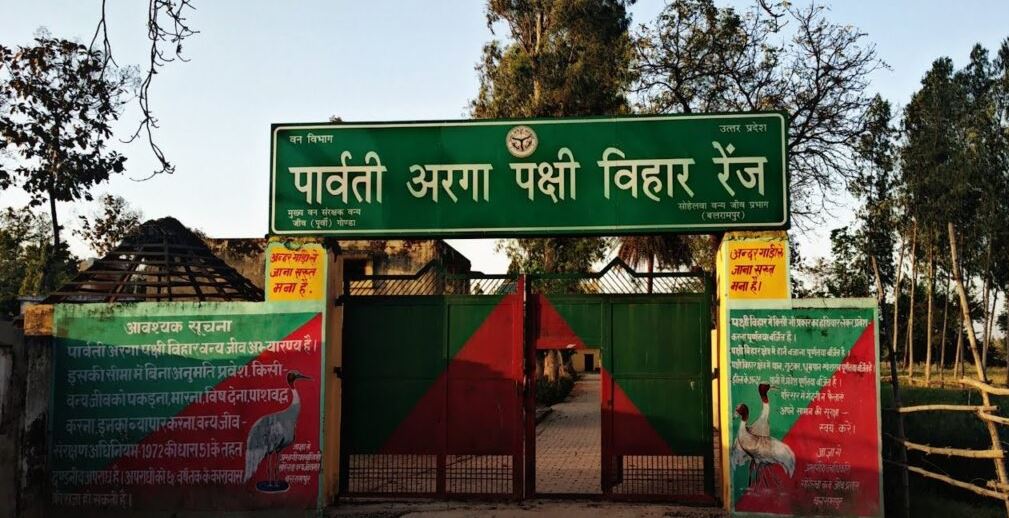
Parvati Aranga Bird Sanctuary
Location: Gonda district
Parvati Aranga Bird Sanctuary is located in the Gonda District and is about 45 Km. from Gonda at Mankapur-Nawabganj Road and Mankapur-Faizabad Railway Line in state of Uttar Pradesh, India. This sanctuary is spread over an area of 1084.47 ha. It is known for its diverse birdlife included residents and migratory birds like Kingfisher and Osprey.
Patna Bird Sanctuary
Location: Etah district
It is situated near town Jalesar (Bell City) . It is a protected area and it is important wintering ground for migratory birds. This has over 200 species of resident and migratory birds, including the critically endangered Egyptian vulture. It is the smallest bird sanctuary in Uttar Pradesh.
Saman Bird Sanctuary
Location: Mainpuri district
It is occupying an area of 5.68 hectares, located on the banks of the river Yamuna and is known for its diverse avifauna.
Sandi Bird Sanctuary
Location: Mainpuri district
It is 1 Km from the Sandi town, 19 Km from city Hardoi and 129 Km from Lucknow, the state capital. It is protected area. Lake’s area is 309 ha. It is protected to protect residential bird , aquatic life and migratory birds.
Sur Sarovar Bird Sanctuary
Location: Agra district
It is located in Mathura-Delhi Highway. Soor Sarovar bird sanctuary covers an area of 7.97 sq km. In this sanctuary there is a large lake covering area of 2.25sq km with depth wearing from 4 meter to 8 meter. Today it is home to more than 165 species of migratory and resident birds.
Vijai Sagar Bird Sanctuary
Location: Bulandshahr district
This Sanctuary is occupying an area of 369 hectares, and this sanctuary is located on the banks of the river Ganges and is home for a variety of resident and migratory birds.
Thanks for visit and enjoy the reading of Bird Sanctuaries in Uttar Pradesh blog.
The important points of Uttar Pradesh (UP) History during different rule, has been provided in this blog. These points are very useful for the students preparing for Uttar Pradesh Civil Services Exam – UPPSC PCS and UPSC IAS.
Uttar Pradesh history :
The Uttar Pradesh History is divided into following period :
Prehistory and Mythology (up to c. 600 BCE)
The Buddhist- Hindu Period (c. 600 BCE to c. 1200 CE)
The Muslim Period (c. 1200 to c. 1775)
The British Period (c. 1775 to 1947)
The Post-Independence Period (1947 to the present)
Prehistory and Mythology (up to c. 600 BCE)
Archaeological findings reveal insights in modern-day Uttar Pradesh, dating back to around 10,000 BCE.
Vedic literature and ancient Indian epics like the Ramayana and Mahabharata are providing crucial knowledge about the region before the 7th century BCE.
The Mahabharata is set around Hastinapur, whereas the Ramayana is centered on Ayodhya, the birthplace of Lord Rama.
Mathura and Vrindavan are mythological sites associated with the birth of Krishna, another incarnation of Vishnu.
The Buddhist- Hindu Period (c. 600 BCE to c. 1200 CE)
The history of India and Uttar Pradesh trace back to the end of the 7th century BCE, which is marked by the dominance of 16 great states in northern India, from which seven were falling within the boundaries of present-day Uttar Pradesh.
From the 5th century BCE to the 6th century CE, the region was under the control of Magadha in Bihar and later Ujjain in Madhya Pradesh. Rulers included Chandragupta , Ashoka , Samudra Gupta, Chandra Gupta II , and Harsha.
Harsha, a ruler who reigned from around 606 to 647 CE, controlled Uttar Pradesh from capital at Kanyakubja (modern Kannauj) and extending his rule over the parts of present-day Bihar, Madhya Pradesh, Punjab, and Rajasthan.
The evolution of religion saw Brahmanism emerge from the ancient Vedic religion by the 6th century BCE, later it evolved into classical Hinduism by the 2nd century BCE. Buddhism, founded by Buddha, is spread across India, including Uttar Pradesh, with significant sites such as Sarnath and Kushinagara.
In the beginning , Buddhism and Brahmanic or Hindu culture coexisted, the Buddhist art was flourishing under Ashoka’s reign and Hindu art reached its peak during the Gupta dynasty (4th to 6th century CE).
After Harsha’s death, around 647 CE, there was a decline in Buddhism and a revival of Hinduism, which was led by philosopher Shankara, whom believed to have established the famous Badrinath temple in the Himalayas after visiting Varanasi and traveling through the plains of Uttar Pradesh.
The Muslim Period (c. 1200 to c. 1775)
Muslim incursions began around 1000–30 CE, but Muslim rule over northern India, was established at late 12th century by Muʿizz al-Dīn Muḥammad ibn Sām (Muḥammad Ghūrī).
For almost 600 years, Uttar Pradesh was ruled by various Muslim dynasties, which was centered in or near Delhi, starting with the Delhi Sultanate.
In 1526, Bābur, a descendant of Genghis Khan and Timur, defeated Sultan Ibrāhīm Lodī and then founded the Mughal dynasty, which was dominated the subcontinent for over 200 years, centered in Uttar Pradesh.
Under Akbar’s reign (1556–1605), the Mughal Empire promoted a new composite culture that blended elements of Hinduism and Islam. Akbar’s court was full of eminent figures in architecture, literature, painting, and music, regardless of caste or creed.
The Mughal era saw the rise , such as Ramananda’s bhakti sect and Kabīr’s teachings marking the importance of the unity of religions.
Decline of the Mughal Empire in the 18th century led to shift of cultural centers from Delhi to Lucknow, where under the nawab of Oudh, art, literature, music, and poetry flourished in an environment of communal harmony.
The British Period (c. 1775 to 1947)
The East India Company acquired present-day Uttar Pradesh over 75 years, which is from the late 18th century to the mid-19th century, by taking territories from various powers including nawabs, the Sindhias of Gwalior, and the Gurkhas of Nepal.
Uttar Pradesh then part of the Bengal Presidency, these territories were separated in 1833 to form North-Western Provinces (later the Agra Presidency), which included annexed kingdom of Oudh in 1856, forming United Provinces in 1877.
The Indian Mutiny of 1857–58, which was in the United Provinces, it was a widespread revolt against the East India Company, leading to the transfer of administration from the Company to British crown in 1858.
The United Provinces played a significant role in the rise of Indian nationalism, producing important leaders like Motilal Nehru, Pandit Madan Mohan Malaviya, Jawaharlal Nehru, and Purushottam Das Tandon.
Mohandas (Mahatma) Gandhi’s noncooperation movement of 1920–22 had found strong support in the United Provinces but suspended after mob violence in Chauri Chaura.
The United Provinces witnessed extensive development, including establishment of canals, railways, and modern education institutions.
Uttar Pradesh history : The Post-Independence Period (1947 to the present)
In 1947, the United Provinces became part of independent India and was renamed Uttar Pradesh in 1950 under the new Indian constitution.
Uttar Pradesh played a significant role in Indian politics, producing several prime ministers like Jawaharlal Nehru, Indira Gandhi, and Atal Bihari Vajpayee, along leaders of national opposition parties like Acharya Narendra Dev and Mulayam Singh Yadav.
State-level politics in Uttar Pradesh characterized by frequent shifts in government control between parties like the BJP, SP, and BSP since the early 1990s.
Instances of direct central government control occurred, notably in 1992–93 following rioting after the destruction of Babri Masjid in Ayodhya.
Unrest in Himalayan regions of Uttar Pradesh led to demands for a separate state. This culminated in the formation of Uttaranchal (now Uttarakhand) in November 2000, carving the northwestern part of Uttar Pradesh.
Uttar Pradesh is famous for the food varieties and tasty food it offers. Due to present of different culture in Uttar Pradesh many different food habits and different type of dishes can be find. Every dish in Uttar Pradesh is mouth watery. Here we are providing you with a list Uttar Pradesh Famous food. Their taste makes this dishes famous. Uttar Pradesh should be in bucket list of people to have the flavor of the dishes.
Famous Food of Uttar Pradesh
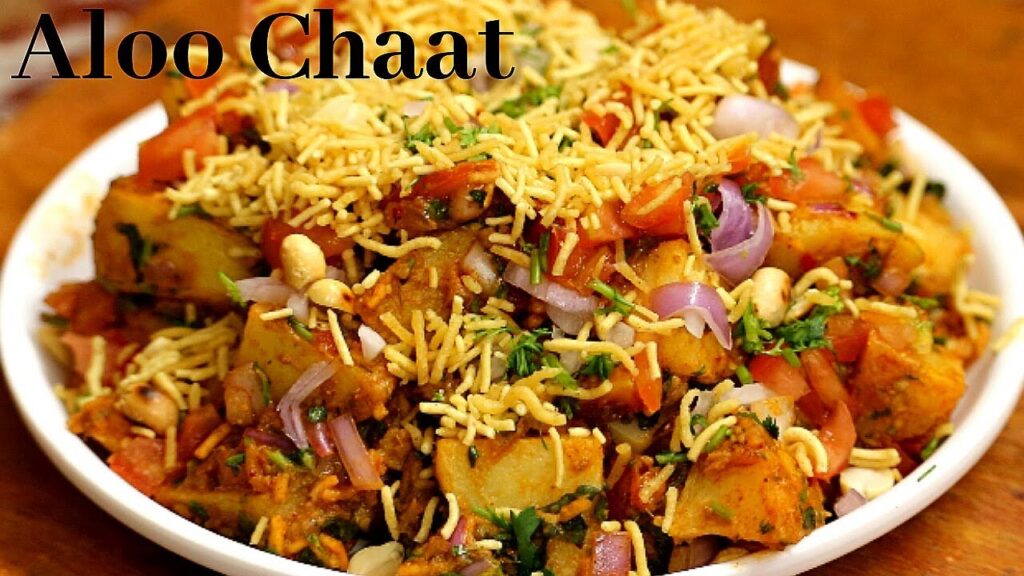
Chaat : Chaat is a mixture of potato vegies , Chola, Bhel (Namkeen)and Aloo Tiki (similar to the Tiki used in burger ) popular variants included Alu Tikkis or Samosa (garnished with onion, potatoes, coriander, peas, hot spices and a dash of yogurt), Bhel puri, Dahi puri, Panipuri, Dahi vada, Papri chaat, and Sev puri.
Biryani : It is made with rice, some type of meat for non- veg people(chicken, goat, pork, lamb, beef, prawn, or fish) and spices. For vegetarians, it is prepared by substituting vegetables or paneer for the meat.
Boondi : It is made from fried chickpea flour. It is taken as dessert.
Dum bhindi : Potato and fried Ladyfinger .
Egg curry: Egg in a tomato curry.
Kofta: stuffed vegetables in a Calabash.
Litti chokha: Stuffed protein food in wheat cover.
Pakora: Fried bread ,
Palak paneer: Spinach gravy and paneer .
Tehri: Rice cooked with a little amount of turmeric adding to the flavour.
Poori: Oil and Wheat is mixed . Then slices are made and fried in oil and the poori is just delicious.
Raita: Tomato , Onion and Calabash peals are added in curd and mixed till the curd become smooth.
Rajma: Red kidney beas are made in a Tomato, Onion Curry.
Chole : chickpea are made in a Tomato, Onion Curry.
Petha : This is eaten as dessert it is sweet and made from pumpkin.
We are providing the list of Airport in Uttar Pradesh from where commercial flights operates for General Knowledge and Awareness. Uttar Pradesh has a vast geographical area. Connectivity is necessary for each part of any state. Uttar Pradesh has airport connectivity at various locations covering entire state of Uttar Pradesh. These airport have been categorised as Domestic, International according to whether the flights operated are going in India or is going to outside India.
List of Airport in Uttar Pradesh
Airport name
District
Airport type
Owned/operated by
Agra Airport
Agra
Domestic
MoD and AAI
Aligarh Airport
Aligarh
Domestic
Govt. of UP and AAI
Maharishi Valmiki International Airport
Ayodhya
International
AAI
Azamgarh Airport
Azamgarh
Domestic
Govt. of UP and AAI
Bareilly Airport
Bareilly
Domestic
MoD and AAI
Chitrakoot Airport
Chitrakoot
Domestic
Govt. of UP and AAI
Gorakhpur Airport
Gorakhpur
Domestic
MoD and AAI
Kanpur Airport
Kanpur
Domestic
MoD and AAI
Kushinagar International Airport
Kushinagar
International
AAI
Chaudhary Charan Singh International Airport
Lucknow
International
LIAL
Moradabad Airport
Moradabad
Domestic
AAI
Noida International Airport
Gautam Budh Nagar
International
Zurich Airport AG
Prayagraj Airport
Prayagraj
Domestic
MoD and AAI
Shravasti Airport
Shravasti
Domestic
Govt. of UP and AAI
Lal Bahadur Shastri International Airport
Varanasi
International
AAI
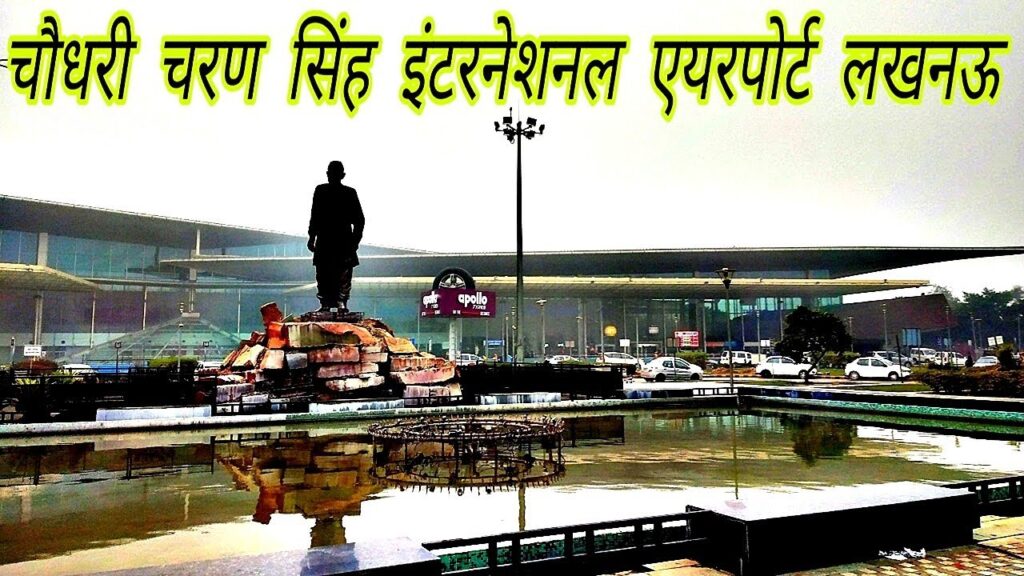
Chaudhary Charan Singh International Airport
Situated in Lucknow, the capital city of Uttar Pradesh, it is one of the busiest airports in the state. It is a International airport. Chaudhary Charan Singh was a former prime minister and honoured by Bharat Ratna. It handled 6.2 million passengers, which means more than 45,500 aircraft movements in the fiscal year 2023–2024. Lucknow Aerocity is being constructed around airport.
Lal Bahadur Shastri International Airport
It is a international airport serving the city of Varanasi, which is one of the oldest inhabited cities in the world and a significant religious center in India. It is handling more than 2 million passenger traffic every annum. It is 20th busiest airport in India. Varanasi is the center from spiritual temples and also the art engraved on the temples. One can find many relatable things from extreme past to this area.
Noida International Airport
It is under construction. It is also known as Jewar airport as it is situated in Jewar in Gautam Budh Nagar district. It will be a international airport. It will be high traffic airport. It will serve the NCR (National Capital Region) and reduce the traffic load of Indra Gandhi International Airport, New Delhi. It is connected to various highways in Delhi NCR like Ghaziabad–Bulandshahr–Aligarh (NH-34) and Delhi–Ghaziabad–Meerut Expressway. Under construction points connecting roads are Yamuna Expressway, KGP Expressway and Delhi-Mumbai Expressway. It is being constructed to the international standards.
Uttar Pradesh (UP) all District List for General Knowledge and General Awareness for Competitive exams. Uttar Pradesh was established in 1950 after India become a republic. It is a born out of United Provinces, established in 1935 by renaming the United Provinces of Agra and Oudh and in turn established in 1902 from the North-Western Provinces and the Oudh Province.
Uttar Pradesh contributes 80 seats for Lok Sabha and 31 seats to Rajya Sabha. Hindi is the largest spoken language and also the official language along with Urdu.
Presently, Uttar Pradesh has 75 districts. The name of districts and their areas are mentioned in list in alphabetic order.