International


International Current Affairs for competitive Exams.

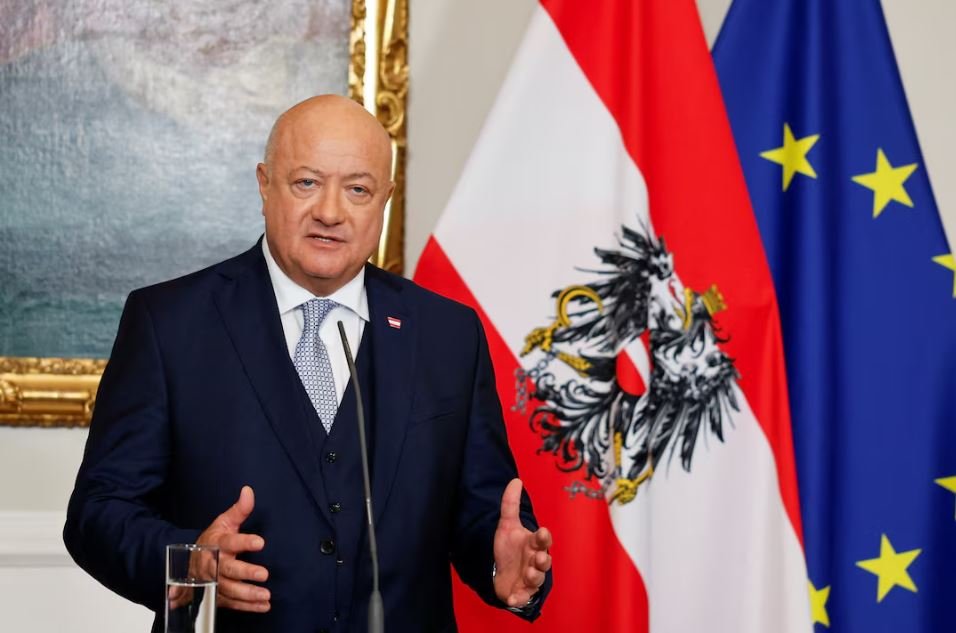
Christian Stocker Sworn in as the Federal Chancellor of Austria

On March 3, 2025, Christian Stocker was officially sworn in as the Federal Chancellor of Austria, marking the beginning of a new era for the country. The swearing-in ceremony took place at the Hofburg Palace in Vienna, ending a prolonged period of political uncertainty.

A New Coalition Government

Stocker’s appointment comes as part of a newly formed coalition government consisting of the Austrian People’s Party (ÖVP), the Social Democrats (SPÖ), and the liberal Neos party. This coalition aims to address the economic challenges facing the country and implement stricter immigration and extremism measures.

US Trade War 2025: Trump Imposes Heavy Tariffs on Mexico, Canada, and China

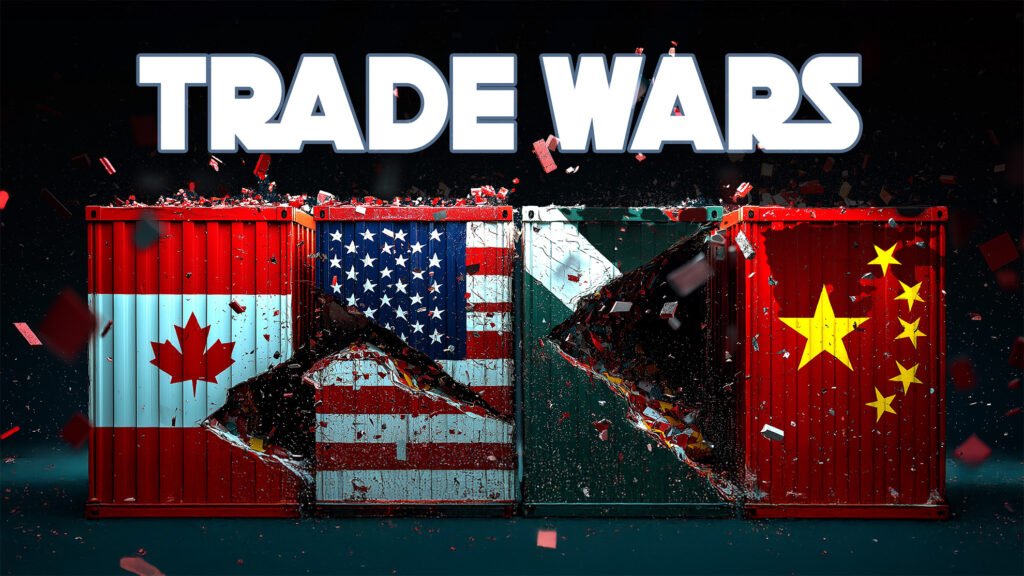
On March 4, 2025, US President Donald Trump escalated trade tensions by imposing significant tariffs on three of America’s largest trading partners—Mexico, Canada, and China. The move sparked immediate retaliation from these countries, raising concerns about global economic stability.

Trump’s Tariff Announcement

Trump imposed a 25% tariff on Mexican and Canadian imports, with a reduced 10% tariff on Canadian energy products. Additionally, he doubled last month’s tariff on Chinese goods, increasing it from 10% to 20%. The decision sent shockwaves through international markets, prompting swift responses from affected nations.

Canada’s Response: Trudeau Rejects US Justification

Canadian Prime Minister Justin Trudeau condemned the US tariffs, calling them an attack on America’s closest ally and trading partner. He announced that Canada would retaliate with tariffs on over $100 billion worth of US goods within 21 days.

Mexico’s Reaction: Retaliatory Tariffs Coming Soon

Mexican President Claudia Sheinbaum also vowed a strong response, confirming that Mexico would implement retaliatory tariffs to counter the new US trade restrictions.

China Hits Back with Agriculture Tariffs

China, a major importer of US agricultural products, introduced 10% to 15% tariffs on key American exports, including corn, wheat, and soybeans. This move is expected to have a severe impact on US farmers, given that China is their largest buyer.

US Commerce Secretary Signals Possible Compromise

Despite the escalating trade tensions, US Commerce Secretary Howard Lutnick hinted at a possible resolution. He suggested that the US might meet Canada and Mexico “in the middle,” with an announcement expected soon. However, he clarified that the tariffs would remain in place until a deal is reached.

Stock Market and Economic Impact

Following Trump’s tariff announcement, US stock markets saw a sharp decline, with investors reacting negatively to the uncertainty. On Monday, Trump stated there was “no room left” for negotiations, further fueling concerns. Most stocks continued to trade lower as the new tariffs took effect.

Economic Impact: A $1.5 Trillion Burden

According to a report from the Yale University Budget Lab, Trump’s tariffs could cost the US economy between $1.4 trillion and $1.5 trillion over the next decade. The study warns that these tariffs will disproportionately affect lower-income Americans, leading to higher consumer prices and economic hardship.

Conclusion: The Future of US Trade Relations

With trade tensions at an all-time high, the global economy faces a period of uncertainty. The coming weeks will be crucial in determining whether the US, Canada, Mexico, and China can negotiate a resolution or if the trade war will escalate further.
Trump-Zelenskiy Clash at White House: U.S. Support for Ukraine in Jeopardy

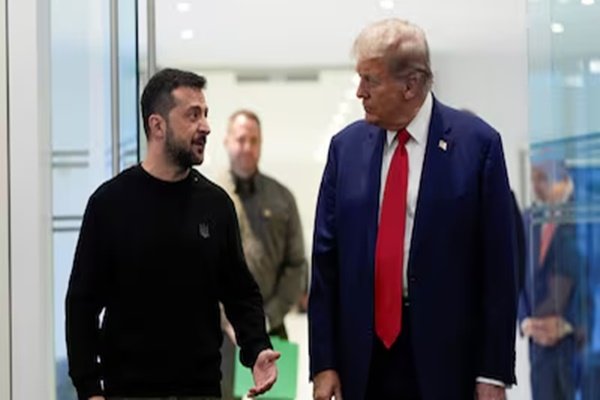
On February 28, 2025, Ukrainian President Volodymyr Zelenskiy and U.S. President Donald Trump clashed publicly at the White House over Ukraine’s war with Russia. Zelenskiy sought U.S. support, but Trump and Vice President JD Vance pushed for diplomacy, with Trump accusing Zelenskiy of disrespecting the U.S. and being unwilling to make peace.

Trump threatened to withdraw U.S. support unless Ukraine negotiated with Russia, telling Zelenskiy, “You don’t have the cards.” Zelenskiy refused to compromise with “a killer” like Putin, while Vance criticized him for not showing gratitude.

A natural resources deal between Ukraine and the U.S. was left unsigned. The agreement would have given the U.S. access to Ukraine’s mineral wealth but lacked security guarantees, disappointing Kyiv. Trump argued that U.S. business presence would serve as a guarantee.

Trump’s shift away from European security commitments has alarmed Kyiv and its allies, raising fears that Ukraine could be forced into a Russia-favored peace deal. Trump, aiming to end the war and improve U.S.-Russia relations, criticized Zelenskiy’s leadership, calling him a “dictator.”

European Commission President Ursula von der Leyen’s Visit to India (February 27-28, 2025)

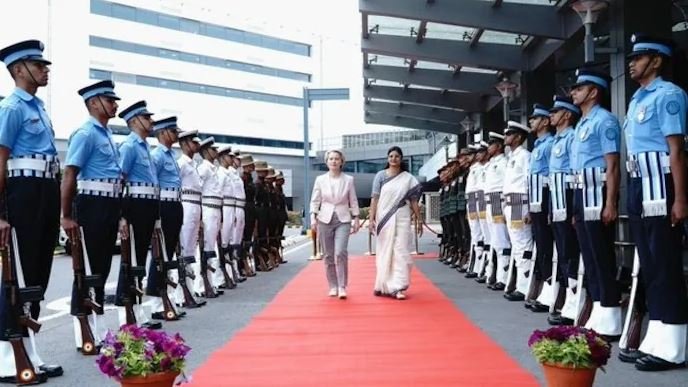
European Commission President Ursula von der Leyen arrived in India on February 27, 2025 for a two-day visit to strengthen India-EU bilateral cooperation in trade, investment, defense, and clean energy.

Key Highlights:

Held talks with Indian PM Narendra Modi on the India-EU free trade deal, tariffs on goods, and defense exports.

Discussions aimed at finalizing a new strategic partnership roadmap to be unveiled at the India-EU Summit later in 2025.

Stressed India’s role as a strategic ally for Europe amid global conflicts and competition.

Met External Affairs Minister S. Jaishankar and other senior officials.

Ukraine Grants the U.S. Access to Ukraine’s Rare Earth Minerals

On February 27, 2025, Ukrainian President Volodymyr Zelenskyy visited the White House to finalize a significant minerals agreement with the United States. This deal grants the US access to Ukraine’s rare earth mineral deposits, which are crucial for industries such as aerospace, defense, and nuclear.

President Donald Trump, who announced the visit, emphasized that the agreement would help the U.S. recoup some of the financial aid provided to Ukraine during its ongoing conflict with Russia. Trump framed the deal as a way for Kyiv to repay the U.S. for the support it has received, while also strengthening ties between the two nations.

However, Zelenskyy insisted on security guarantees before finalizing the agreement, highlighting the importance of continued U.S. military support for Ukraine. The framework of the economic deal had been established, but the full agreement hinged on the upcoming talks in Washington.

The minerals deal represents a preliminary step toward a comprehensive package that will require ratification by the Ukrainian parliament. As the two leaders continue their discussions, the world watches closely to see how this agreement will shape the future of U.S.-Ukraine relations and the ongoing conflict with Russia.

US announces Gold Card Investor Visa Programme for wealthy individuals to invest in the country

The United States has announced the introduction of the Gold Card Investor Visa Programme, a new initiative aimed at attracting high-net-worth individuals to invest in the country. This programme, announced by President Donald Trump on February 25, 2025, is set to replace the existing EB-5 Immigrant Investor Visa Program.

Under the Gold Card Investor Visa Programme, foreign investors can obtain permanent residency in the United States by making a $5 million investment (Rs 43.5 Crore Approximately). This investment will grant them Green Card privileges and provide a pathway to U.S. citizenship. The programme is designed to streamline the process for wealthy individuals to gain residency, with the aim of stimulating the U.S. economy through their investments.

Unlike the EB-5 program, which required investments in American businesses and the creation of jobs, the Gold Card Visa will not have such requirements. Instead, it allows for a direct purchase of a Green Card by paying a flat fee to the U.S. government. This change is expected to reduce the risks of fraud and misuse that were associated with the EB-5 program.

The Gold Card Investor Visa Programme is anticipated to bring significant revenue to the U.S. government and attract business leaders capable of creating jobs and driving economic growth. However, it has also raised concerns about the ethical implications of putting American citizenship on sale and potentially favoring wealthy individuals over skilled professionals.

The programme is expected to launch in the coming weeks, with the U.S. Citizenship and Immigration Services (USCIS) administering and regulating the issuance of the Gold Card.

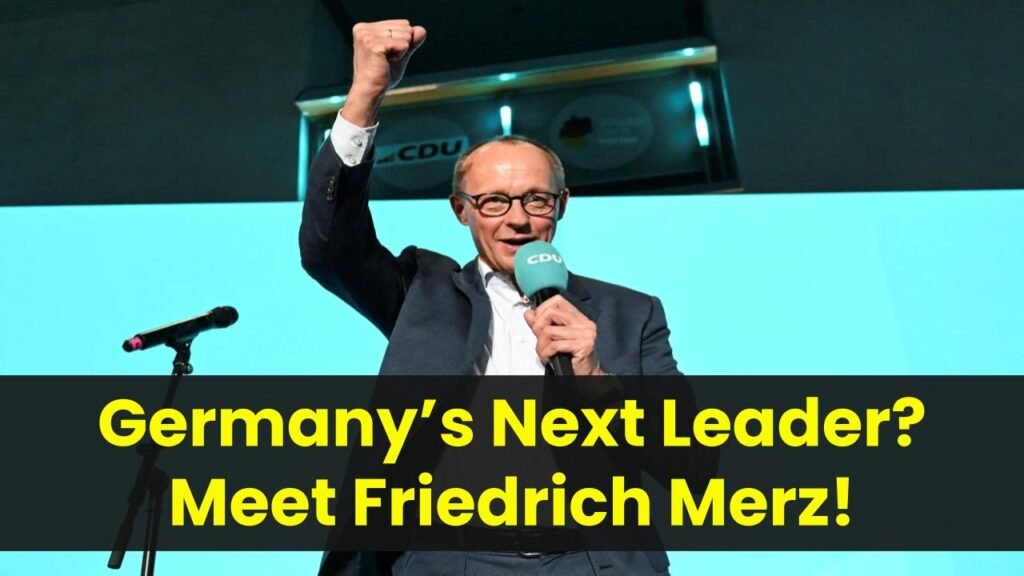
Friedrich Merz to Become the Next Chancellor of Germany

Friedrich Merz is set to become the next Chancellor of Germany after winning the early election on February 23, 2025. A veteran politician from Sauerland, western Germany, Merz previously served in the European Parliament (1989) and later in the Bundestag, earning a reputation as a strong speaker.

He is known for advocating liberal economic policies, nuclear power, and reducing bureaucracy. After a period in the private sector, he returned to politics in 2022 and became the leader of the CDU. His victory represents a conservative shift in German politics, with a focus on economic growth and stricter migration policies.

Germany faces economic stagnation and migration concerns, and Merz’s leadership is expected to address these challenges with pro-business reforms and deregulation.

UN Security Council adopts US-drafted resolution on war in Ukraine

The UN Security Council adopted a U.S.-drafted resolution on February 24, 2025, marking the third anniversary of Russia’s invasion of Ukraine. The resolution takes a neutral stance, reflecting U.S. President Donald Trump’s shift in policy compared to former President Joe Biden’s strong support for Ukraine. Russia welcomed the U.S.’s changing position but noted the resolution was only a starting point.

Despite previous deadlock due to Russia’s veto power, the resolution passed with 10 votes in favor, while France, Britain, Denmark, Greece, and Slovenia abstained. Russia voted in favor after failing to amend the text. The resolution mourns casualties, reaffirms the UN’s role in maintaining peace, and calls for an end to the conflict.

Trump’s mediation efforts have raised concerns among Ukraine and its European allies, who stress that peace must not mean Ukraine’s capitulation. The UN General Assembly earlier adopted two resolutions—one by Ukraine and Europe and another by the U.S., later amended to support Ukraine. The U.S.’s alignment with Russia on some issues highlighted shifting global alliances, with India abstaining from several votes.

Kash Patel: The First Indian-Origin Director of the Federal Bureau of Investigation (FBI)

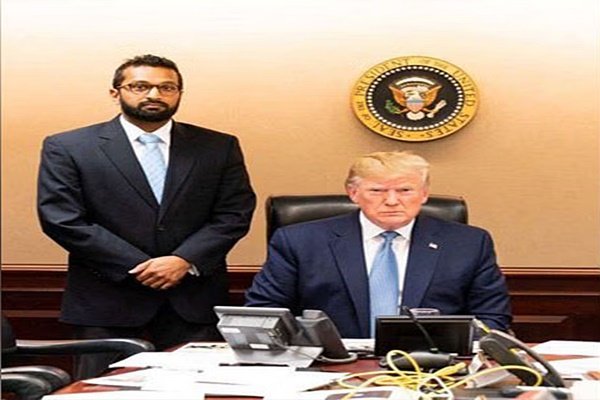
Kash Patel has been elected as the 9th Director of the Federal Bureau of Investigation (FBI). This historic appointment makes him the first Indian-origin Director of the FBI. The Senate confirmed his appointment with a narrow vote of 51-49 on February 20, 2025.

Patel, a longtime loyalist to former President Donald Trump, has had a rapid ascent in Washington, D.C.’s power circles. He previously served as Chief of Staff at the Department of Defense and Deputy Director of National Intelligence during Trump’s first term. His confirmation comes at a time of significant turmoil and turnover at the FBI, with Patel aiming to make the bureau more transparent and restructuring it to align with his vision.

Kash Patel was born to Gujarati parents in Garden City, New York, on February 25, 1980. His family’s journey began in the early 1970s when they left Uganda due to ethnic discrimination and settled in the United States.

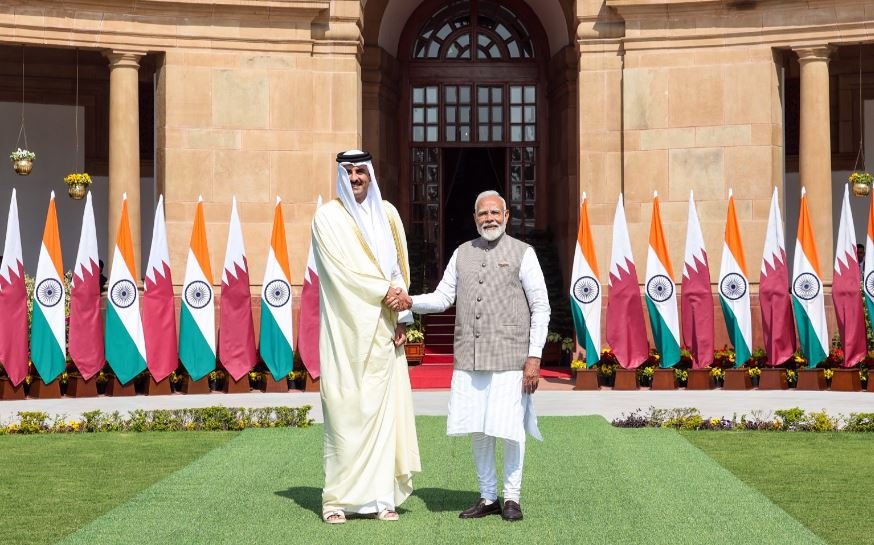
Emir of Qatar, Sheikh Tamim Bin Hamad Al Thani, visited India from February 17 to 18, 2025

The Emir of Qatar, Sheikh Tamim Bin Hamad Al Thani, visited India from February 17 to 18, 2025, at the invitation of Prime Minister Narendra Modi. This visit marks a significant moment in the diplomatic ties between the two nations, aiming to strengthen cooperation in various sectors including trade, investment, energy, and technology.

Upon his arrival, Sheikh Tamim received a ceremonial welcome at the forecourt of Rashtrapati Bhavan, with President Droupadi Murmu and Prime Minister Modi in attendance. The visit included high-level meetings with President Murmu and Prime Minister Modi, as well as delegation-level talks aimed at enhancing bilateral relations.

Sheikh Tamim’s visit is his second to India, with his first visit occurring in 2015. The Emir’s visit underscores the deep-rooted historical ties of friendship, trust, and mutual respect between India and Qatar. The two nations have been working closely to expand their partnership beyond traditional sectors like oil and gas, focusing on new business opportunities and investments.

U.S.-Russia Peace Talks on Ukraine to Begin in Saudi Arabia

U.S. and Russian officials will meet in Saudi Arabia to initiate talks aimed at ending the nearly three-year-long war in Ukraine. However, Ukraine has not been invited and will not engage with Russia without consulting its strategic partners.

The talks, facilitated by U.S. Secretary of State Marco Rubio and other officials, aim to set up a meeting between U.S. President Donald Trump, Russian President Vladimir Putin, and Ukrainian President Volodymyr Zelenskiy. Trump, who took office on January 20, has pledged to quickly end the war but has excluded European allies from the peace process.

Russia has insisted Ukraine cede territory and remain neutral, while Ukraine demands Russia withdraw from occupied regions and seeks NATO membership or similar security guarantees. Meanwhile, the U.S. and Ukraine are negotiating a deal granting U.S. companies significant stakes in Ukraine’s critical minerals, though Zelenskiy has raised concerns over security provisions in the draft agreement.

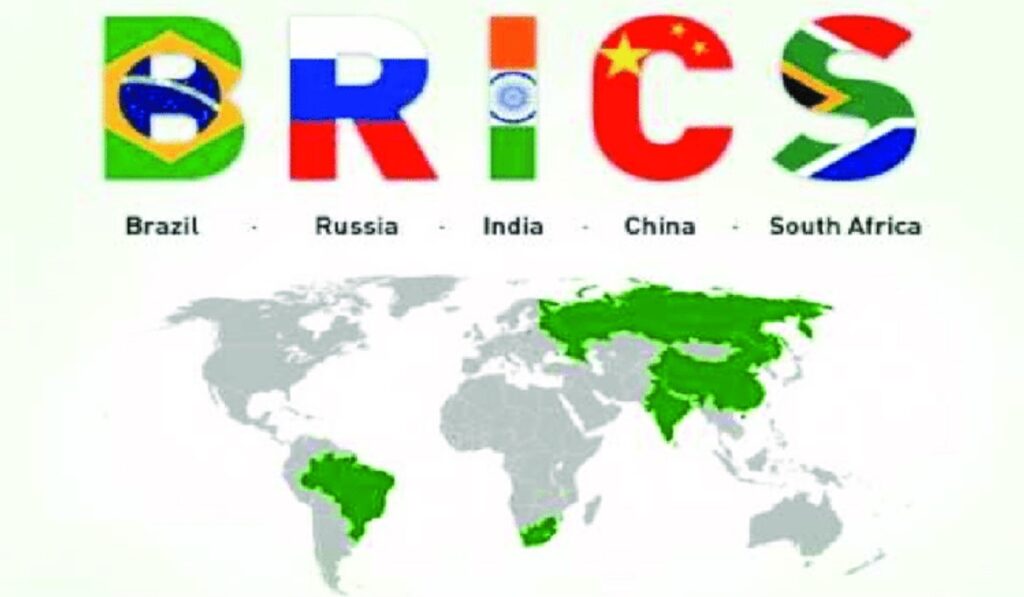
BRICS Summit 2025 to be Held in Rio de Janeiro on July 6-7

The next BRICS summit will be held in Rio de Janeiro on July 6-7, featuring leaders from 20 member and associate countries. Brazilian Foreign Minister Mauro Vieira stated that the summit will focus on economic development, cooperation, and improving living conditions. Under Brazil’s leadership, BRICS aims to strengthen ties with developing nations and reform global institutions.

Brazilian President Lula da Silva emphasized promoting trade and investment among members using local currency transactions, though there are no plans to replace the US dollar. This comes amid threats from Donald Trump to impose 100% tariffs on BRICS countries if they undermine the dollar.

Originally formed in 2009 by Brazil, Russia, India, and China, BRICS expanded in 2010 with South Africa and later added Iran, Egypt, Ethiopia, and the UAE in 2023. Saudi Arabia has been invited, and Turkey, Azerbaijan, and Malaysia have applied for membership. Recently, Indonesia joined as a full member, and Nigeria became a partner country.

India’s Position 96th in 2024 Corruption Perceptions Index

The 2024 Corruption Perceptions Index (CPI), released by Transparency International, provides a snapshot of the perceived levels of public sector corruption across 180 countries and territories. The CPI scores countries on a scale from 0 (highly corrupt) to 100 (very clean).

Key Findings:

Global Average: The global average score remains unchanged at 43, indicating that corruption is still a significant issue worldwide 2024 – Transparency.am](https://transparency.am/en/cpi).

Top Countries: Denmark tops the list as the least corrupt nation with a score of 90, followed by Finland (88) and Singapore (84).0

Bottom Countries: South Sudan ranks as the most corrupt country with a score of 8, followed by Somalia and Venezuela.

India’s Performance: India ranks 96th with a score of 38, a slight decline from 39 in 2023. This indicates a growing concern about corruption in the country.

Climate and Corruption: The report highlights that corruption is a major threat to climate action, as it hinders progress in reducing emissions and adapting to global heating.

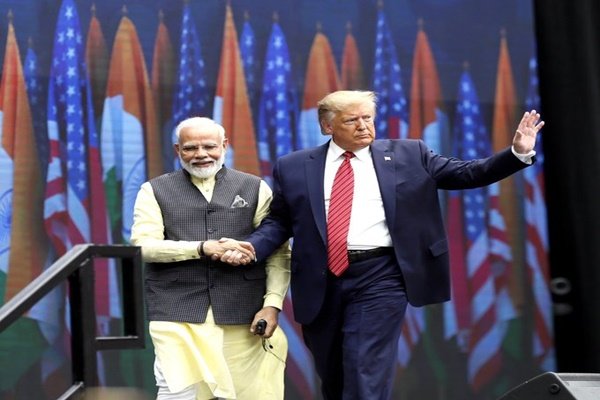
PM Modi in Washington DC for bilateral talks with US President

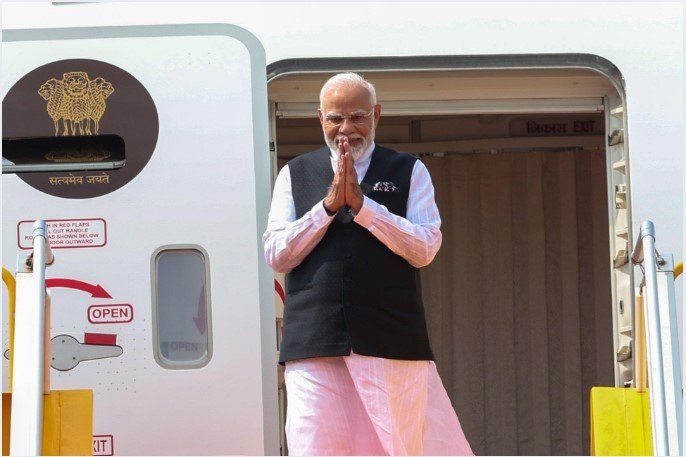
Prime Minister Narendra Modi arrived in Washington DC on February 12, 2025, for a crucial two-day visit. His visit aims to strengthen India-US ties and hold key discussions with President Donald Trump on trade, immigration, and defense. Modi was warmly welcomed by members of the Indian-American community at Blair House, the US presidential guest house.

The visit comes amid concerns over the US’s “America First” trade policy and its immigration stance. Modi’s discussions with Trump are expected to address these issues and explore ways to enhance cooperation in sectors like trade, investment, energy, technology, and defense.

PM Modi’s Visit to France from February 11, 2025

Prime Minister Narendra Modi recently visited France from February 11 to 14, 2025. During his visit, he co-chaired the AI Action Summit with French President Emmanuel Macron in Paris. The summit focused on the ethical and inclusive development of Artificial Intelligence (AI), with discussions on how AI can revolutionize sectors like health, education, and agriculture.

Key highlights of the visit include:

Inauguration of the Indian Consulate in Marseille: This is India’s second diplomatic mission in France after the Embassy in Paris.

Tribute to Indian soldiers: PM Modi paid homage to Indian soldiers who sacrificed their lives in World Wars I and II at the Mazargues War Cemetery in Marseille.

Bilateral talks: Modi and Macron discussed strengthening Indo-French ties in technology, defence, and economic cooperation.

AI Action Summit: PM Modi emphasized the importance of international collaboration and open-source AI systems to enhance trust and transparency.

Following his engagements in France, PM Modi traveled to the United States for further discussions on strategic sectors like AI, defence, and trade.

United States impose a 25% tariffs on Steel and Aluminum imports

The United States announced it will impose a 25% tariff on all steel and aluminum imports starting from February 11, 2025. This decision aims to protect American industries and boost domestic production but has led to negative reactions in financial markets and concerns about global trade tensions.

Key allies like Canada and Mexico are affected and have warned of potential retaliation. The tariffs are expected to impact industries such as automotive and manufacturing that rely on imported metals, while the US administration argues it will strengthen national security and economic stability.

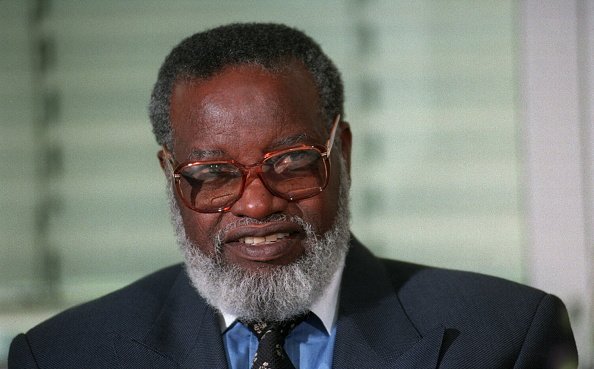
Sam Nujoma, Namibia’s First President and Independence Leader, Passes Away at 95

Sam Nujoma, Namibia’s first democratically elected president and independence leader, passed away at age 95 on February 8, 2025. A guerrilla leader and activist, he led SWAPO and played a key role in Namibia’s liberation from apartheid South Africa, becoming president on March 21, 1990.

Recognized as the “Founding Father of the Namibian Nation”, Nujoma promoted national reconciliation and democratic institutions but faced criticism for media suppression, opposition to homosexuality, and a constitutional amendment enabling his third term.

His presidency (1990-2005) shaped Namibia’s post-independence governance, though autocratic tendencies and suppression of the 1999 Caprivi rebellion tainted his legacy. A longtime ally of Zimbabwe’s Robert Mugabe, he backed land reforms in Zimbabwe while adopting a “willing buyer, willing seller” approach at home.

Born in 1929, Nujoma fought apartheid, led a guerrilla war, and petitioned the United Nations for independence. SWAPO won the 1989 elections, making him president in 1990. His leadership laid the foundation for Namibia’s stability and regional partnerships.

PM Modi visit France and the United States from February 10 to 12

Prime Minister Narendra Modi is set to visit France and the United States from February 10 to 12, focusing on artificial intelligence, defense, trade, and strategic partnerships. In Paris, he will co-chair the AI Action Summit with French President Emmanuel Macron, discussing ethical AI governance and global regulatory frameworks. He will also visit Marseille to pay tribute to Indian soldiers at the Mazargues War Cemetery and inaugurate a new Indian consulate.

From France, Modi will travel to Washington for his first meeting with US President Donald Trump since Trump’s second-term inauguration. The talks will cover trade, defense collaboration, and immigration issues. This visit highlights India’s global leadership in AI, defense, trade, and people-to-people ties, positioning India as a key voice in global AI governance and reinforcing strategic relations with two important partners.

US Withdraws from the United Nations Human Rights Council (UNHRC)

On February 4, 2025, President Donald Trump announced that the United States would withdraw from the United Nations Human Rights Council (UNHRC). This decision came during a joint press conference with Israeli Prime Minister Benjamin Netanyahu in Washington, DC. Trump cited the council’s “anti-Semitic” bias and its disproportionate focus on Israel as the primary reasons for the withdrawal.

The US had previously withdrawn from the UNHRC in 2018 under the Trump administration, citing similar concerns. The recent decision also includes ending support for the United Nations Relief and Works Agency (UNRWA), which Trump accused of having ties to Hamas.

Israeli Foreign Minister Gideon Sa’ar supported the US decision, stating that Israel would also withdraw from the UNHRC, calling it “anti-Israel”. The move has been met with mixed reactions, with some human rights organizations expressing concern over the potential impact on global human rights advocacy.

UNGA President Philemon Yang Visits India for Strengthening Multilateral Engagement

Philemon Yang, President of the 79th Session of the UN General Assembly, is visiting India for four days from 4 February 2025. The Ministry of External Affairs noted that Mr. Yang, previously Prime Minister of Cameroon, assumed office on 10 September 2024. Under his leadership, the UN adopted “A Pact for the Future,” aimed at realizing “multilateral solutions for a better tomorrow.”

During his visit, Mr. Yang will meet with External Affairs Minister Dr. S. Jaishankar to discuss key multilateral and regional issues. He will also pay a courtesy call to President Droupadi Murmu and visit Bengaluru.

Bart De Wever sworn in as Belgium’s new Prime Minister

Bart De Wever has been sworn in as Belgium’s new prime minister on February 3, 2025, in an oath-taking ceremony before King Philippe at the Royal Palace.

De Wever’s coalition government consists of five parties, with seven francophone ministers and seven Flemish ministers. The new government’s agenda focuses on budget reform, stricter migration policies, and economic restructuring.

However, there are concerns about gender equality, as only three women are represented in the 15-member cabinet. Additionally, the government faces the challenge of bridging Belgium’s linguistic and political divides.

US imposes tariffs on imports from Mexico, Canada, and China

On February 1, 2025, President Donald Trump imposed significant tariffs on imports from Mexico, Canada, and China. The tariffs include a 25% increase on imports from Mexico and Canada, and a 10% increase on imports from China, citing issues such as illegal immigration and the smuggling of fentanyl as reasons for the decision.

This move has led to swift retaliatory measures from the affected countries, signaling the beginning of a broader trade war.

WHO Urges Shift to Potassium-Enriched Salt Substitutes to Combat Hypertension

The World Health Organization (WHO) has released new guidelines recommending the switch from regular table salt to potassium-enriched salt substitutes as part of efforts to combat hypertension and related cardiovascular diseases. The WHO’s mission to lower sodium intake stems from extensive research highlighting the health risks posed by excess sodium consumption.

Excess sodium can lead to high blood pressure, posing a significant risk for millions globally. Studies indicate approximately 1.9 million deaths annually are linked to high salt consumption, with hypertension as the underlying factor for heart disease, stroke, and kidney disorders. Interestingly, many people are unaware of their high sodium intake, which averages around 4.3 grams per day, far exceeding the WHO’s recommendation of less than 2 grams.

US Plans 30,000-Bed Migrant Detention Facility at Guantanamo Bay

US President Donald Trump has announced plans to build a 30,000-bed migrant detention facility at the US Navy base in Guantanamo Bay, Cuba, separate from the existing high-security prison.

The facility, managed by Immigration and Customs Enforcement (ICE), will house migrants, including those intercepted at sea, whom Trump referred to as the “worst criminal illegal aliens.”

This announcement follows Trump’s signing of the Laken Riley Act, which mandates the jailing of undocumented immigrants accused of violent crimes. The act is named after a Georgia nursing student murdered by a Venezuelan migrant.

The Cuban government has condemned the move, calling it illegal and inhumane, as Guantanamo Bay has been historically controversial due to allegations of detainee mistreatment.

Micheal Martin elected as Ireland’s Prime Minister

On January 24, 2025, Micheál Martin, leader of Fianna Fáil, was elected as Ireland’s Prime Minister for the second time by the Dáil (Irish Parliament). His election was supported by a coalition of the two major center-right parties, Fianna Fáil and Fine Gael, along with independent lawmakers.

Martin, 64, previously served as Prime Minister from 2020 to 2022 before transferring leadership to Fine Gael as part of a power-sharing agreement. Outgoing Prime Minister Simon Harris is expected to reassume leadership in late 2027 under the coalition deal. Following the November 2024 general election, Fianna Fáil and Fine Gael retained power, winning a combined 86 seats in the 174-seat Dáil, just shy of a majority. Sinn Féin, the main opposition party, secured 39 seats, second to Fianna Fáil’s 48 seats.

World Bank Neutral Expert to Decide India-Pakistan Hydro Project Differences

On January 21, 2025, the Ministry of External Affairs (MEA) announced that the World Bank-appointed Neutral Expert declared competence to resolve differences between India and Pakistan regarding the Kishenganga and Ratle hydroelectric projects in Jammu and Kashmir, under the Indus Water Treaty. The Neutral Expert rejected Pakistan’s plea to establish a Court of Arbitration, instead deciding to assess the Points of Difference on merit.

The MEA emphasized that India’s consistent position has been vindicated, asserting that the Neutral Expert alone has the authority under the treaty to address such issues. The Neutral Expert’s decision pertains to all seven questions raised about the hydroelectric projects.

In 2022, the World Bank had appointed a Neutral Expert and a chairman of the Court of Arbitration to address the disagreements over the 1960 Indus Water Treaty.

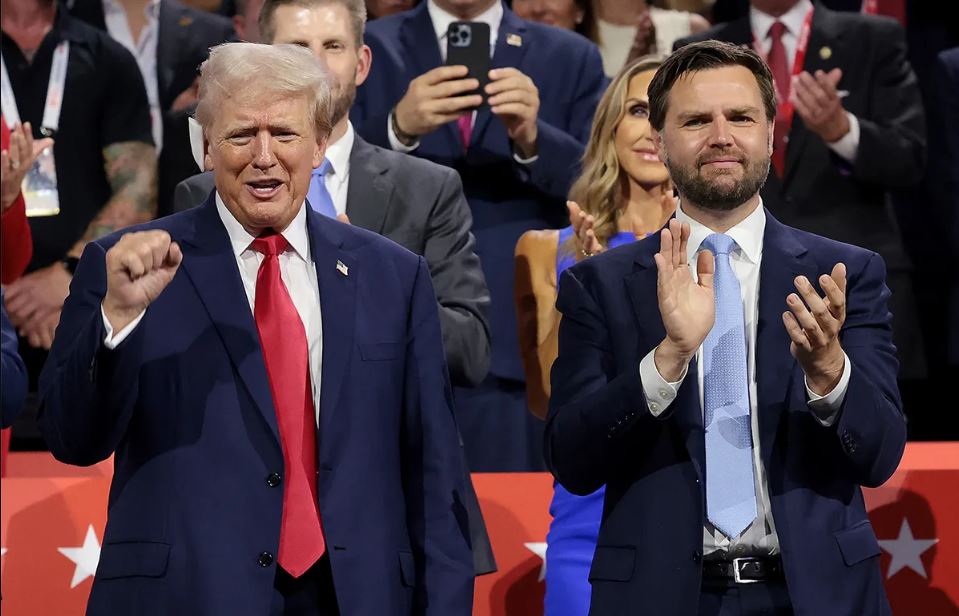
Donald Trump Takes Oath as President of United States; J.D. Vance Sworn in as Vice President

Donald Trump was sworn in as the 47th President of the United States on January 20, 2025. The inauguration took place indoors at the Capitol Rotunda due to extremely cold weather. Trump took the oath of office using a Bible given to him by his mother and President Abraham Lincoln’s Bible. Vice President J.D. Vance was also sworn in during the ceremony.

In his inaugural address, Trump declared that the “Golden Age of America” begins now and announced measures such as declaring a national emergency at the southern border. He emphasized his “America First” policy and promised to restore sovereignty, safety, and justice. Trump also previewed a series of executive orders targeting immigration, energy policy, and diversity programs within federal agencies.

The event was attended by prominent figures from politics, business, and technology, including Mark Zuckerberg, Jeff Bezos, Elon Musk, and Tim Cook. The ceremony marked a significant moment in American history as Trump became the second president to return to power non-consecutively.

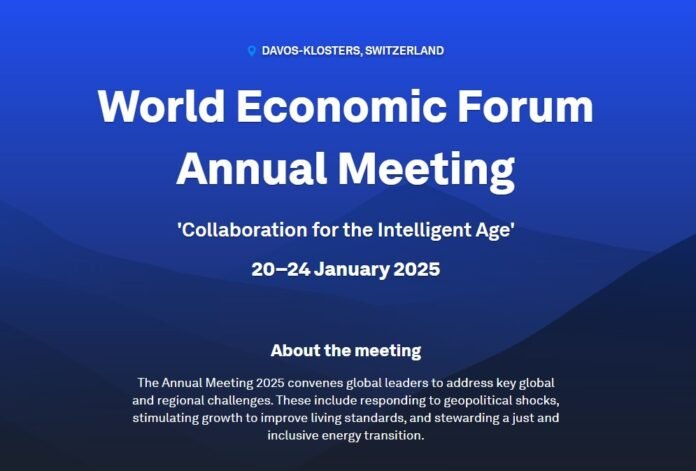
World Economic Forum (WEF) Annual Meeting from January 20-24, 2025, in Davos, Switzerland

The 55th World Economic Forum (WEF) Annual Meeting took place from January 20-24, 2025, in Davos, Switzerland. The theme for this year was “Collaboration for the Intelligent Age”, reflecting the need for global cooperation in an era of rapid technological advancements.

The meeting brought together nearly 3,000 leaders from over 130 countries, including 350 governmental leaders such as heads of state and government. Key topics discussed included geopolitical tensions, economic shifts, climate change, and technological innovation. The forum aimed to address these challenges and explore opportunities for sustainable growth and resilience.

One of the highlights was the virtual address by Donald Trump, who returned to the White House for a second term and participated in interactive sessions. The meeting also saw strong representation from India, with several state delegations showcasing their potential to attract global investors.

Overall, the 55th WEF Annual Meeting emphasized the importance of collaboration and innovation in navigating the complexities of the modern world.

Ceasefire between Israel and Hamas

The ceasefire between Israel and Hamas, which took effect on January 19, 2025, marks a significant step towards ending the 15-month-long conflict. The agreement, mediated by the United States, Qatar, and Egypt, includes a phased release of hostages and Palestinian prisoners.

The initial phase involves the release of three Israeli hostages and 30 Hamas prisoners. The ceasefire is expected to bring much-needed humanitarian aid to Gaza and allow displaced Palestinians to return home. This ceasefire is seen as a crucial first step towards lasting peace in the region, although its fragility remains a concern.

US Removes Sanctions on Major Indian Nuclear Facilities

Sanctions lifted on Indian entities: The US has removed sanctions on three Indian entities—Bhabha Atomic Research Centre (BARC), Indian Rare Earths Ltd (IREL), and Indira Gandhi Centre for Atomic Research (IGCAR).

Reason for lifting sanctions: The sanctions, imposed during the Cold War era, were lifted to enhance US foreign policy goals, support shared energy security needs, and strengthen joint efforts in science and technology between India and the US.

Strengthened India-US collaboration: Recent years have seen increased cooperation in peaceful nuclear activities and related research, benefiting global partner countries.

US action against Chinese companies: The US added 11 Chinese companies to the Entity List for activities deemed contrary to US national security and foreign policy interests.

About the Entity List: It is a US government compilation of foreign individuals, companies, and organizations considered a national security concern.

Scroll to Top