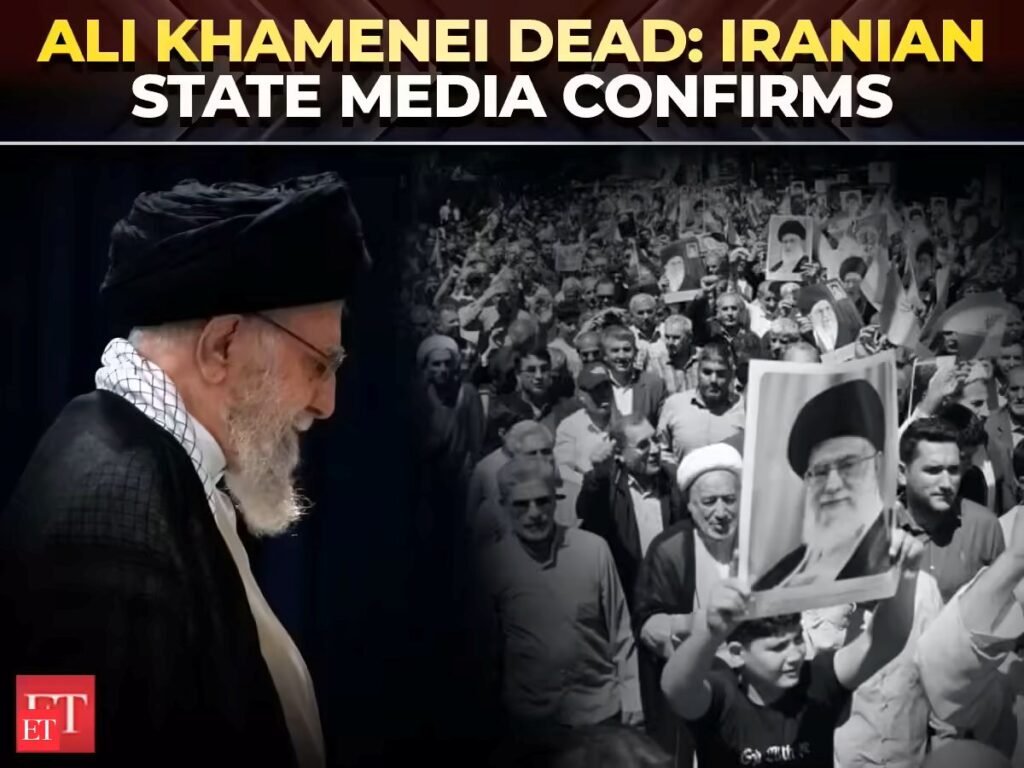
In January 2026, Iran is experiencing its most serious unrest since the 1979 Revolution, with nationwide anti-government protests that began in late December 2025 over economic hardships and quickly turned into widespread dissent against the clerical leadership. The protests have spread to over 250 locations in 27 provinces.
The government’s response has been violent, with human rights groups reporting over 2,000 deaths and over 16,000 arrests, and organizations like Amnesty International accusing security forces, including the IRGC, of using live ammunition and brutality against largely peaceful demonstrators.
Iran’s leaders claim the protests are driven by foreign interference, blaming the U.S. and Israel, while warning of possible retaliation in the region. Meanwhile, the United States, under President Donald Trump, has condemned the crackdown and threatened strong measures, while the United Nations has called for restraint.
The crisis is fueled by a mix of economic collapse, political dissatisfaction, regional tensions, and human rights abuses. The situation remains volatile, posing risks of domestic instability, potential Iran–U.S. confrontation, and broader regional economic impacts.