Current Affairs MCQs : 31 January 2026
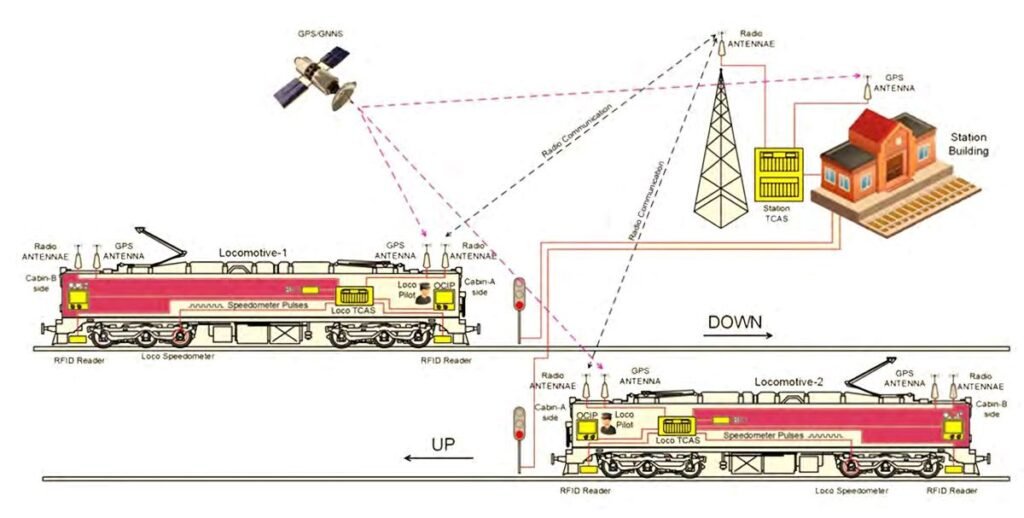
Q. Kavach Version 4.0, recently commissioned across multiple railway sections, is best described as:
प्रश्न: हाल ही में कई रेलवे सेक्शनों में लागू किया गया कवच संस्करण 4.0 किस रूप में जाना जाता है?
A. A foreign-developed signalling software adopted by Indian Railways
विदेश में विकसित सिग्नलिंग सॉफ्टवेयर जिसे भारतीय रेलवे ने अपनाया
B. An automatic fare collection and passenger information system
स्वचालित किराया संग्रह और यात्री सूचना प्रणाली
C. India’s indigenous Automatic Train Protection system
भारत की स्वदेशी स्वचालित ट्रेन सुरक्षा प्रणाली
D. A high-speed rail technology used only on bullet train corridors
केवल बुलेट ट्रेन कॉरिडोर में उपयोग की जाने वाली हाई-स्पीड रेल तकनीक
Q. In its 30 January 2026 ruling, the Supreme Court held that the right to menstrual hygiene is intrinsically linked to which constitutional provision?
प्रश्न: 30 जनवरी 2026 के अपने निर्णय में सुप्रीम कोर्ट ने मासिक धर्म स्वच्छता के अधिकार को किस संवैधानिक प्रावधान से जोड़ा?
A. Article 14 – Right to Equality
अनुच्छेद 14 – समानता का अधिकार
B. Article 15 – Prohibition of Discrimination
अनुच्छेद 15 – भेदभाव का निषेध
C. Article 19 – Right to Freedom
अनुच्छेद 19 – स्वतंत्रता का अधिकार
D. Article 21 – Right to Life and Personal Liberty
अनुच्छेद 21 – जीवन और व्यक्तिगत स्वतंत्रता का अधिकार