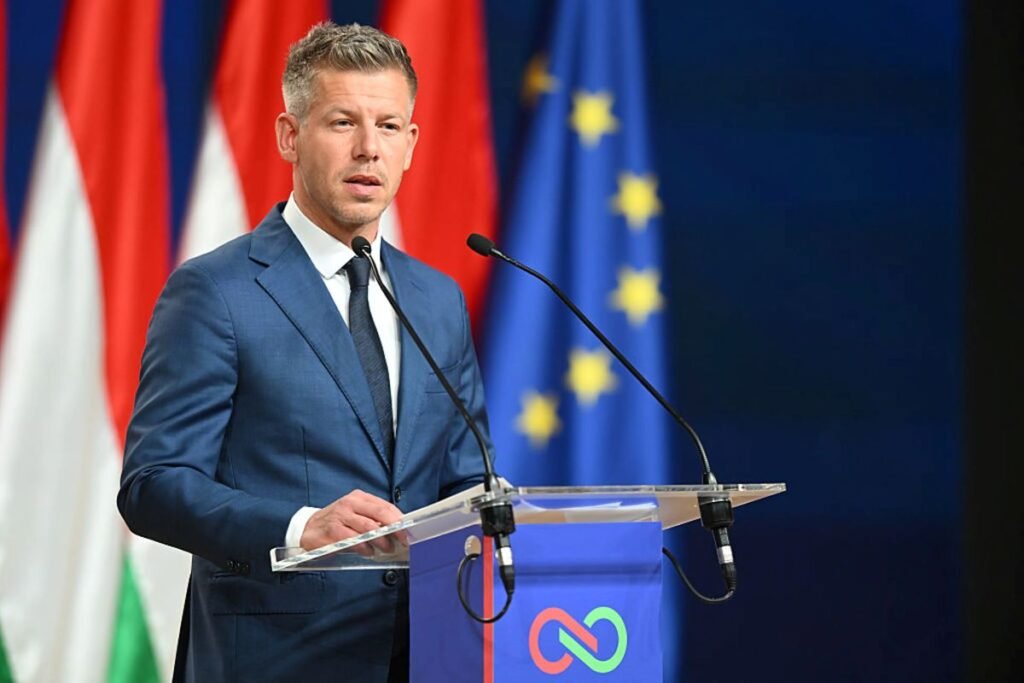
Andrej Babiš was officially appointed Prime Minister of the Czech Republic on 9 December 2025 by President Petr Pavel, marking his return after his earlier tenure from 2017–2021. Leader of the ANO party, Babiš formed a coalition with eurosceptic groups after winning the October 2025 elections.
He pledged to prioritise Czech national interests, adopt a cautious stance on EU integration, and reassess support for Ukraine, signalling a shift in Czech domestic and foreign policy.
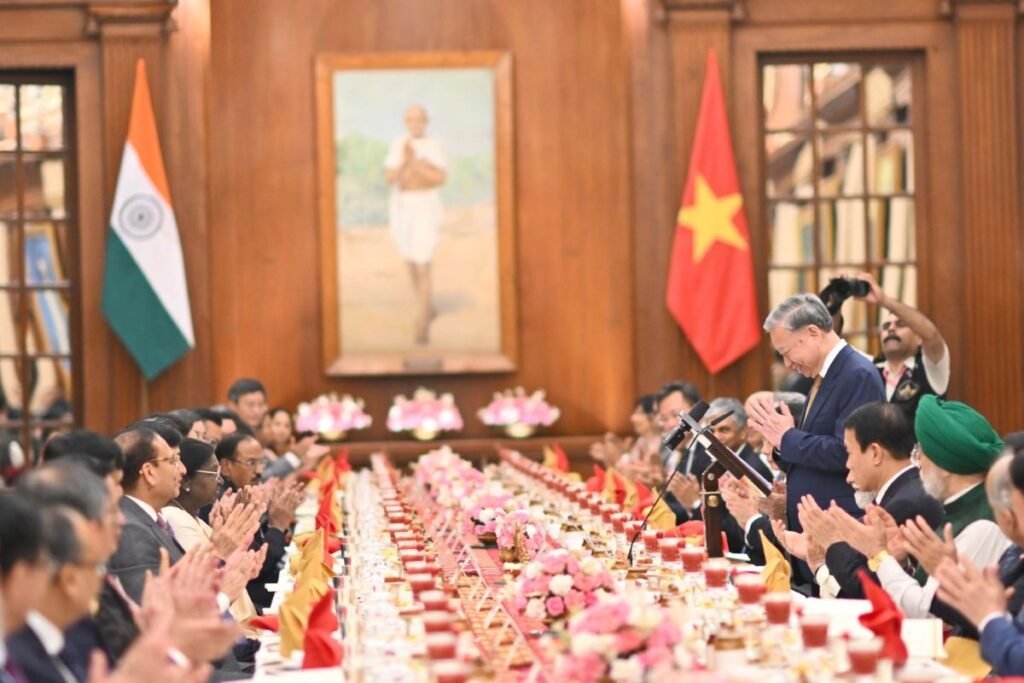
Russian President Vladimir Putin concluded his two-day visit to India on 5 December 2025, reaffirming the enduring, India–Russia “Special and Privileged Strategic Partnership.”
During the 23rd India–Russia Summit in New Delhi, both sides set an ambitious $100 billion bilateral trade target by 2030, advanced discussions on a free trade agreement with the Eurasian Economic Union, strengthened defence manufacturing cooperation, and expanded energy and nuclear collaboration, including continued Russian oil supplies to India. The visit highlighted India’s balanced foreign policy amid global geopolitics and underscored Russia’s effort to reinforce strategic partnerships despite Western sanctions.
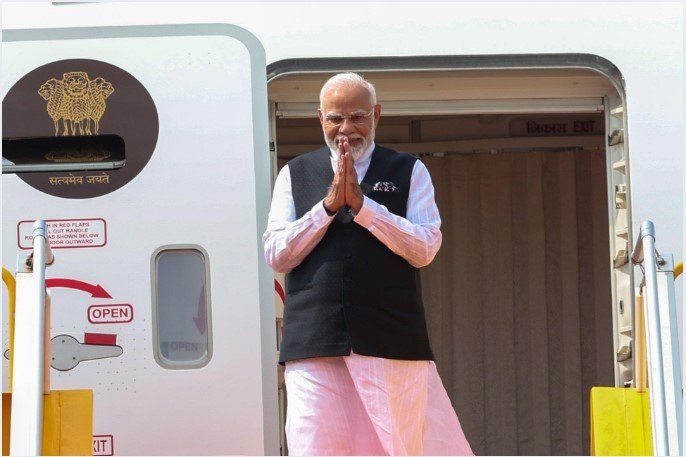
Russian President Vladimir Putin is on a two-day state visit to India on December 4–5, 2025 for the 23rd India–Russia Annual Summit with Prime Minister Narendra Modi. This is Putin’s first visit to India since the Ukraine war, reaffirming the countries’ “Special and Privileged Strategic Partnership.”
During the visit, Putin was personally received by PM Modi in New Delhi, followed by a private dinner. He was accorded a ceremonial welcome at Rashtrapati Bhavan and paid tribute to Mahatma Gandhi at Rajghat. The summit at Hyderabad House focuses on cooperation in defence, trade, energy, and technology, with key agreements expected on Su-57 fighter jets, S-400 air defence systems, and oil–gas partnerships.
Strategically, the visit highlights India’s continued defence and energy ties with Russia, India’s role in balancing relations between Russia and Western nations, and the broader global context of the Ukraine conflict and energy security.
On 23 November 2025, G20 leaders adopted a declaration focused on climate action and global challenges without U.S. support, causing major diplomatic tension. The U.S. boycotted the summit and accused South Africa, the 2025 G20 president, of “weaponizing” the G20 and breaking the tradition of consensus. South Africa said the declaration “cannot be renegotiated” and was supported by overwhelming consensus.
Argentina withdrew at the last minute, objecting to the text on the Middle East conflict, but South Africa proceeded. The declaration highlights climate change, renewable energy, and debt relief, which the U.S. opposed.
The summit reflected wider global divides amid the Ukraine war, climate talks at COP30, and disputes over geopolitical influence. South Africa also refused to hand over the G20 presidency to a junior U.S. diplomat, calling it a breach of protocol.
The 20th G20 Leaders’ Summit was held in Johannesburg, South Africa on 22–23 November 2025, becoming the first G20 summit hosted on African soil. The theme was “Solidarity, Equality, Sustainability”, focusing on inclusive development, climate action, and global financial reforms.
Key Points
Host & Chair: South Africa; President Cyril Ramaphosa.
Theme Focus: Climate finance, debt relief, clean energy, digital inclusion.
Global South Troika: India (2023), Brazil (2024), South Africa (2025).
India’s Key Initiatives:
IMEC, Global Biofuel Alliance, Digital Public Infrastructure, MDB reforms.
PM Modi stressed “Vasudhaiva Kutumbakam” and “One Earth, One Family, One Future.”
African Union: Participated as permanent G20 member.
Participants: G20 nations + invited countries (e.g., Denmark, Egypt, Nigeria, Singapore, UAE) + UN, IMF, World Bank, WHO, WTO, etc.
On 17 November 2025, the UN Security Council adopted Resolution 2803, approving US President Donald Trump’s Gaza Peace Plan. The resolution passed with 13 votes in favour and abstentions from Russia and China. The plan calls for an immediate ceasefire between Israel and Hamas, release of hostages, and the deployment of an International Stabilization Force (ISF) to ensure demilitarization and security in Gaza. It also establishes a Board of Peace (BoP) as a transitional authority and launches major reconstruction and humanitarian efforts.
The initiative aims to stabilize Gaza, rebuild infrastructure, and create conditions leading toward Palestinian self-governance and possible statehood, though critics say the framework is vague. Implementation will involve ISF deployment, ceasefire monitoring, and broad political consultations involving regional and international actors.
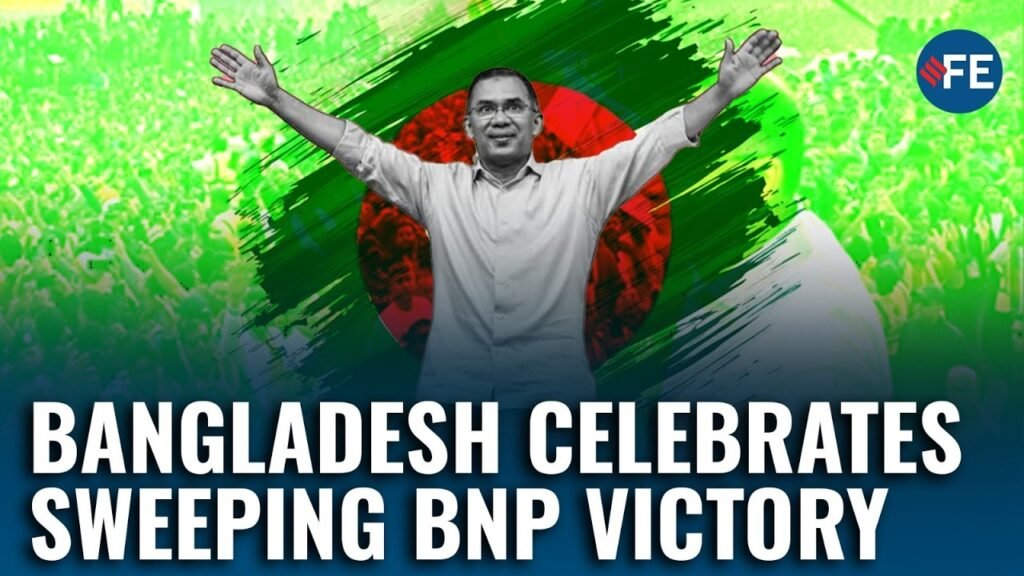
Former Bangladesh Prime Minister Sheikh Hasina has been sentenced to death in absentia by the International Crimes Tribunal (ICT) on 17 November 2025. She was convicted of crimes against humanity for allegedly ordering a violent crackdown on the 2024 student-led protests, in which hundreds were killed and many injured.
Hasina has been living in exile in India since her government was removed. The tribunal described her as the “mastermind” behind the suppression and held her responsible for authorising lethal force.
The verdict comes ahead of the February 2026 elections, from which Hasina’s party, the Awami League, has been barred. Her supporters claim the trial was politically motivated, while the interim government led by Muhammad Yunus argues it fulfills its promise to ensure accountability for the 2024 violence.
The ruling marks the first time a Bangladeshi head of government has been sentenced to death for crimes against humanity. It is expected to draw international scrutiny and may increase political tension within Bangladesh.
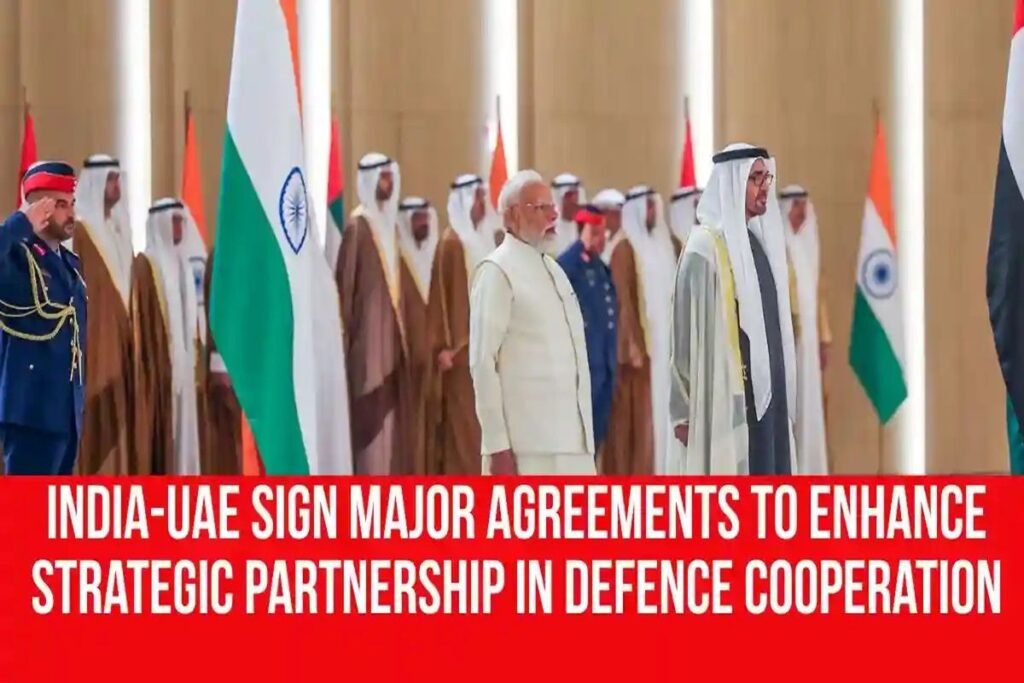
The Dubai Air Show 2025, held on November 17–18 at Al Maktoum International Airport, brought together over 1,500 exhibitors, 200+ aircraft, and industry professionals from 150 countries. India made a strong impact with a delegation led by Minister of State for Defence Sanjay Seth, featuring the Suryakiran Aerobatic Team and the LCA Tejas fighter aircraft. India inaugurated its dedicated pavilion, held high-level bilateral talks with the UAE, and chaired an international defence industry round table.
With major global companies like Airbus, Boeing, and Lockheed Martin present, the event highlighted future trends in aviation, sustainability, space, and AI-driven defence. India’s presence underscored its growing influence in global aerospace, its commitment to defence innovation, and strengthened India-UAE strategic cooperation.
Prime Minister Narendra Modi’s two-day (November 11–12, 2025)state visit to Bhutan focused on strengthening the deep cultural, spiritual, and strategic partnership between the two nations.
He attended celebrations marking the 70th birthday of Bhutan’s Fourth King, Jigme Singye Wangchuck, and participated in the Global Peace Prayer Festival in Thimphu, where the Sacred Piprahwa Relics of Lord Buddha from India were showcased — highlighting shared civilisational ties.
A major achievement was the joint inauguration of the 1020 MW Punatsangchhu-II Hydroelectric Project, boosting Bhutan’s energy capacity and reflecting India’s continued support for its neighbour’s development.
PM Modi also met King Jigme Khesar Namgyel Wangchuck and Prime Minister Tshering Tobgay to discuss cooperation in education, digital connectivity, and infrastructure.
The visit reaffirmed India’s Neighbourhood First Policy, strengthened energy and cultural diplomacy, and showcased India’s commitment to a strong and mutually respectful partnership with Bhutan.
President Droupadi Murmu’s four-day state visit to Angola (November 8–11, 2025) marked a historic moment as she became the first Indian Head of State to visit the country. The visit coincided with Angola’s 50th Independence Anniversary and 40 years of India-Angola diplomatic relations. During her meetings with President João Lourenço, discussions focused on strengthening cooperation in energy, defence, technology, agriculture, and skill development.
India and Angola also explored long-term partnerships in oil, gas, rare earth minerals, and digital technologies, while President Murmu highlighted youth empowerment and educational collaboration. She addressed the Indian diaspora in Luanda and joined Angola’s independence celebrations. The visit reinforced India’s strategic engagement with Africa, aligning with its goal of building deeper South-South partnerships and advancing global cooperation.
COP30 – The “Implementation COP” in Belém, Brazil (10–21 November 2025)
The 30th UN Climate Change Conference (COP30), held in Belém, Brazil, focuses on turning previous climate pledges into real action to keep global warming below 1.5°C. Taking place at the edge of the Amazon rainforest, it highlights the urgency of protecting nature amid accelerating climate impacts.
Key discussions center on climate finance, nature-based solutions, food system reforms, digital equity, and a just transition for workers. COP30 also reviews progress on financial commitments from COP29 and encourages nations to submit enhanced climate targets (NDCs 3.0).
Challenges include the absence of major polluters, corporate obstruction, and tensions between development and conservation in Brazil. President Lula da Silva aims to showcase Brazil as a global climate leader.
COP30’s outcomes are expected to strengthen international cooperation, secure funding for vulnerable nations, and shape global climate action toward 2030.
India-born Ghazala Hashmi has made history by becoming Virginia’s newly elected Lieutenant Governor, the first Muslim and South Asian American to hold a statewide office in the state. Born in Hyderabad, India, she moved to the U.S. at age four and won the 2025 election held on November 4, defeating Republican John Reid with 54.2% votes.
A Democrat, Hashmi began her political career in 2019 when she flipped a Republican-held Senate seat and later chaired the Senate Education and Health Committee. Her campaign focused on education reform, reproductive rights, and gun control.
As Lieutenant Governor, she will preside over the Virginia State Senate (Democrats 21–19 majority) and influence key legislative priorities. Her victory represents a powerful symbol of diversity and immigrant representation in U.S. politics, strengthening ties between Indian-American and mainstream American communities.
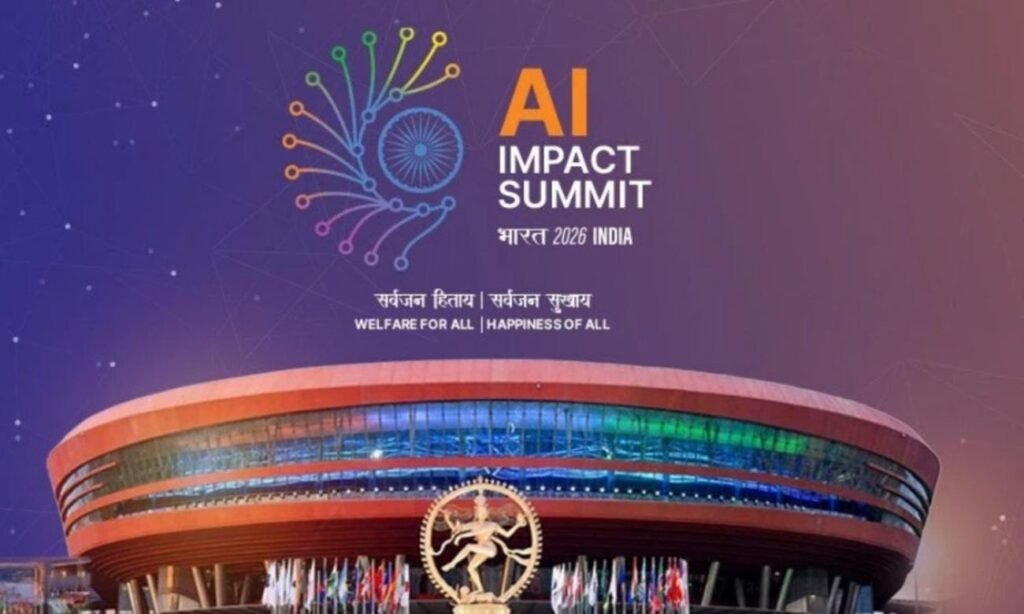
The 8th International Solar Alliance (ISA) Assembly was held from October 27–30, 2025, at Bharat Mandapam, New Delhi, with participation from 124 countries and over 40 ministers. Centered on the theme “One Sun, One World, One Grid,” the event focused on strengthening global cooperation for solar energy expansion.
President Droupadi Murmu delivered the first-ever presidential keynote at an ISA Assembly, highlighting India’s leadership in sustainable solar growth. Minister Pralhad Joshi showcased India’s clean energy achievements, including attaining 50% of installed electricity capacity from non-fossil sources and becoming the third-largest solar power producer globally.
The Assembly reviewed progress on solar financing, technology transfer, and grid integration while launching new initiatives in solar R&D, training, and green hydrogen. As the ISA’s host nation, India reaffirmed its pivotal role in promoting affordable and universal solar access, aligning with Prime Minister Narendra Modi’s vision of making solar energy central to global climate action.
On 27 October 2025, Argentine President Javier Milei led his party La Libertad Avanza to a landslide victory in the midterm elections. The party secured 41% of the vote, winning 13 of 24 Senate seats and 64 of 127 lower-house seats, a major gain from its earlier tally of 7 Senate and 37 lower-house seats.
Milei celebrated the result as a rejection of Argentina’s past economic failures, following two years of his radical spending cuts and free-market reforms.
The 47th ASEAN Summit 2025, held in Kuala Lumpur under the theme “Inclusivity and Sustainability”, marked a historic expansion as East Timor (Timor-Leste) became ASEAN’s 11th member. Hosted by Malaysian Prime Minister Anwar Ibrahim, the summit gathered leaders from ASEAN nations along with major partners including the US, China, Japan, South Korea, Australia, and New Zealand.
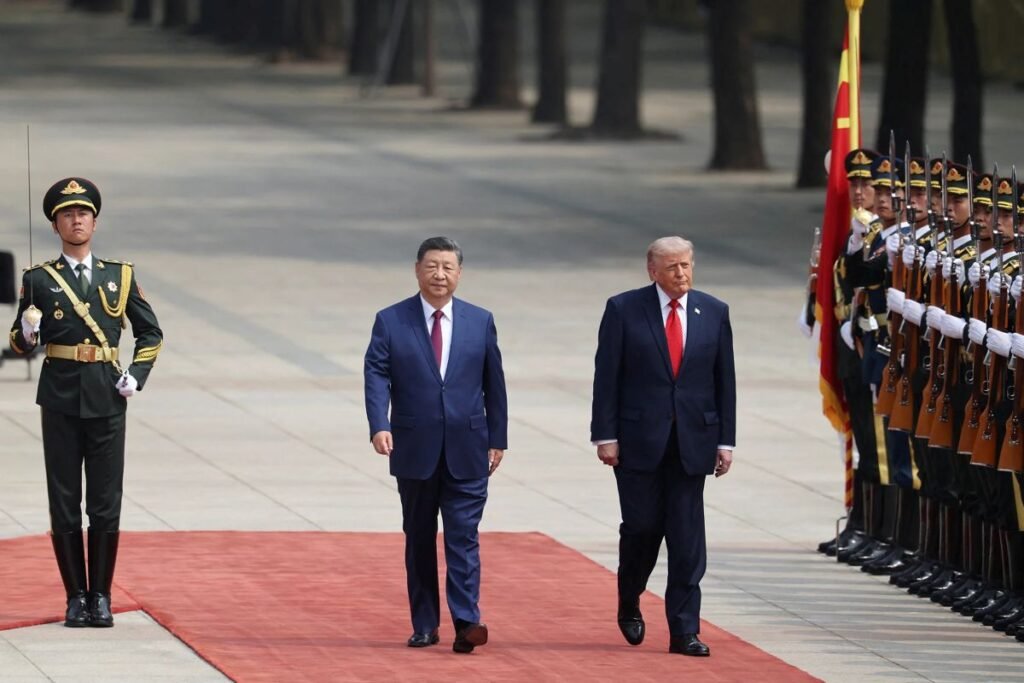
Key discussions focused on regional stability, economic integration, climate action, and digital connectivity. Notably, US President Donald Trump attended in person, while Indian PM Narendra Modi joined virtually, reaffirming India’s commitment to the Act East Policy and maritime cooperation.
Major outcomes included progress in US-China trade dialogue, efforts toward a Thailand–Cambodia peace deal, and commitments to green growth, health security, and maritime safety. The summit also outlined ASEAN’s Vision 2045, emphasizing a resilient, sustainable, and people-centered regional community.
ASEAN Member Countries
As of 2025, the Association of Southeast Asian Nations (ASEAN) has 11 member countries, after the inclusion of East Timor (Timor-Leste).
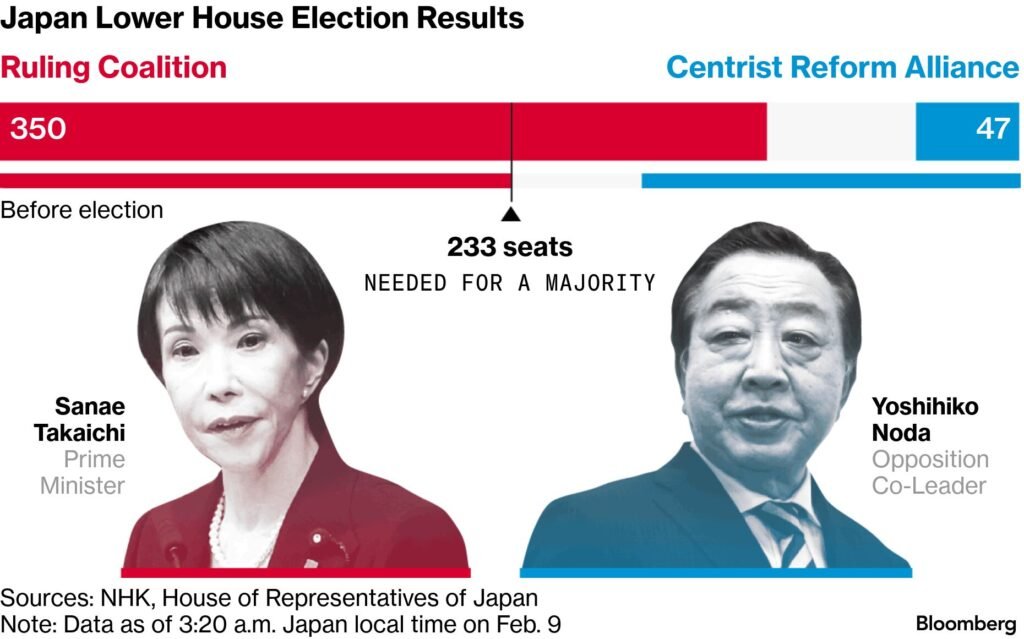
On 21 October 2025, Sanae Takaichi became Japan’s first female Prime Minister, elected by both Houses of Parliament with narrow majorities. A former TV anchor, Takaichi began her political career in 1993 and joined the Liberal Democratic Party (LDP) in 1996.
She has previously served in the Cabinet under Shinzo Abe, including as Economic Security Minister (2022–2024). The 64-year-old lawmaker from Nara Prefecture now faces major challenges such as slow economic growth, inflation, and yen depreciation.
Rodrigo Paz, leader of the Christian Democratic Party (PDC), won Bolivia’s 2025 presidential election with 54.5% of the vote, defeating former interim President Jorge “Tuto” Quiroga (45.5%) in the October 19 runoff. He will assume office on November 8, 2025.
Paz’s victory marks the end of nearly two decades of socialist dominance by the Movement Toward Socialism (MAS), once led by Evo Morales. A 58-year-old economist educated in the U.S., Paz ran on a centrist and reform-oriented platform, pledging “capitalism for all”—balancing market reforms with social welfare.
Bolivia is currently facing a severe economic crisis with high inflation and fuel shortages, which fueled voter dissatisfaction. Paz now faces the challenge of governing without a legislative majority, requiring alliances to stabilize the economy, rebuild investor trust, and strengthen democracy.
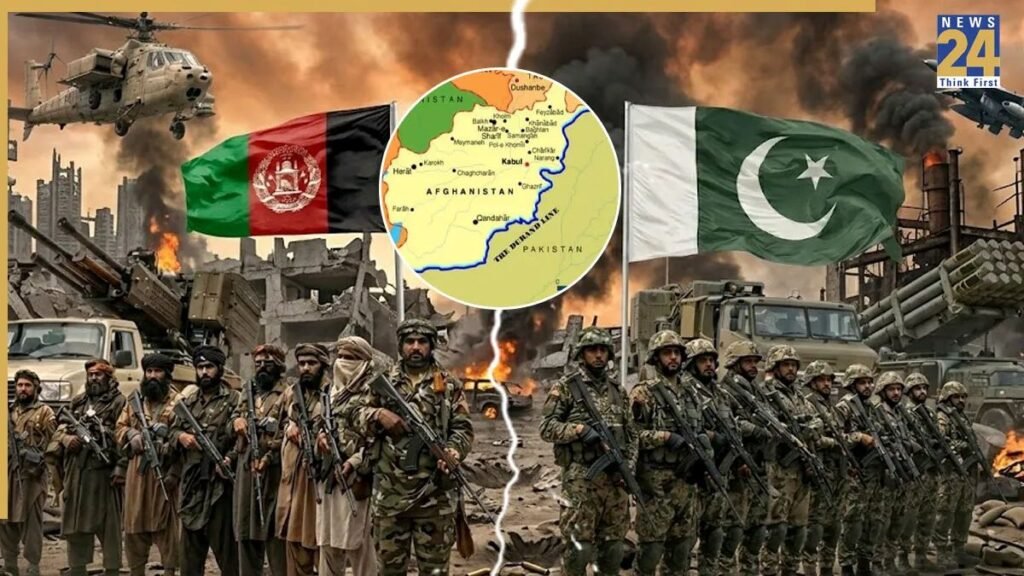
Afghanistan and Pakistan reached an immediate ceasefire on October 18, 2025, after a week of deadly border clashes that left dozens dead and hundreds injured. The truce was brokered in Doha with mediation by Qatar and Turkiye, marking a key step toward easing tensions along the 2,600 km border.
The agreement calls for:
Immediate end to hostilities
Monitoring mechanisms for compliance
Follow-up peace talks for lasting stability
The conflict began on October 11, 2025, when Pakistan launched airstrikes in Kabul and Paktika, blaming Afghan-based groups for cross-border attacks—claims denied by Afghanistan.
India Post announced that all international postal services to the U.S. will resume from October 15, 2025. The services were suspended since August 2025 due to new U.S. Customs (CBP) rules.
A new Delivery Duty Paid (DDP) system now allows customs duties to be collected in India before dispatch, ensuring smooth delivery in the U.S. without extra fees. A flat 50% customs duty applies on the declared value.
Postal rates remain unchanged, benefiting MSMEs, artisans, and small exporters. Services like EMS, Air Parcels, Registered and Tracked Packets to the U.S. can now be booked at Post Offices, IBCs, DNKs, or indiapost.gov.in.
Mongolian President Khurelsukh Ukhnaa is on a four-day state visit to India (October 13–16, 2025) — his first as Head of State — marking the 70th anniversary of India-Mongolia diplomatic ties.
The visit highlights the growing strategic partnership between the two democracies, focusing on energy, mining, defense, education, and cultural cooperation. High-level talks with Prime Minister Narendra Modi and President Droupadi Murmu aim to strengthen bilateral relations through new MoUs and discussions on regional security and connectivity.
The visit also underscores the “Third Neighbor” policy of Mongolia and India’s engagement with Central Asia, reinforcing shared values of democracy, peace, and development.
The Indian Army will host the United Nations Troop Contributing Countries (UNTCC) Chiefs’ Conclave in New Delhi from 14–16 October 2025, bringing together senior military leaders from 32 nations engaged in UN peacekeeping operations.
The conclave will provide a platform to discuss operational challenges, interoperability, inclusivity, evolving threats, and the role of technology and training in strengthening global peacekeeping. As one of the largest contributors to UN missions, India aims to promote cooperation, knowledge-sharing, and a shared vision for future UN peacekeeping strategies.
Participating nations include Australia, Bangladesh, France, Nepal, Nigeria, Sri Lanka, Vietnam, and several others from Asia, Africa, Europe, and South America. The conclave reaffirms India’s commitment to global peace, stability, and cooperation.
Afghan Foreign Minister Mawlawi Amir Khan Muttaqi visited India from 9 to 16 October 2025, marking the first Taliban ministerial visit to India since 2021. His week-long trip included stops in New Delhi, Deoband, and Agra, symbolizing a blend of diplomatic, religious, and cultural outreach.
Muttaqi held talks with External Affairs Minister S. Jaishankar and NSA Ajit Doval on regional security, counterterrorism, and humanitarian cooperation. His visit to Darul Uloom Deoband represented a gesture of religious solidarity, while his tour of the Taj Mahal in Agra served as an act of cultural diplomacy.
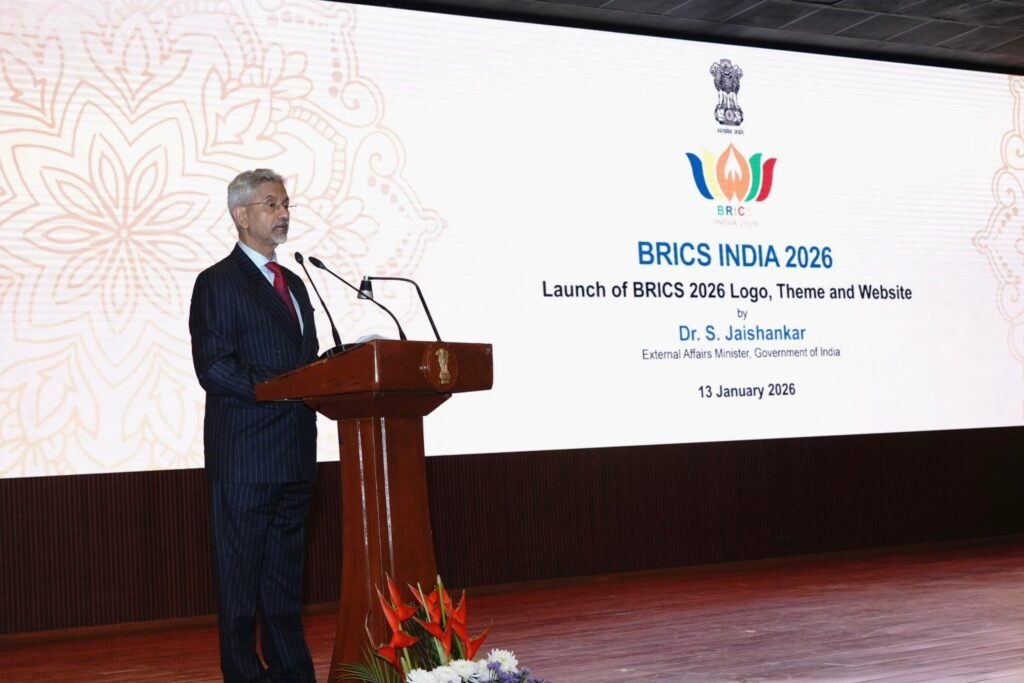
India will upgrade its Technical Mission in Kabul to a full Embassy, signaling full diplomatic re-engagement with Afghanistan. Announcing this on 10 October 2025, External Affairs Minister S. Jaishankar reaffirmed India’s support for Afghanistan’s sovereignty, stability, and development.
India pledged continued development aid, including 20 ambulances, medical equipment, vaccines, food supplies, and help in rebuilding earthquake-hit and refugee housing. Six new projects will also be launched.
Jaishankar said India will resume work on infrastructure, water management, and mining cooperation, and expand educational and sports exchanges, especially in cricket. He also stressed joint efforts against cross-border terrorism.
Afghan Foreign Minister Amir Khan Muttaqi is visiting India after the UN temporarily lifted his travel ban to allow diplomatic talks.
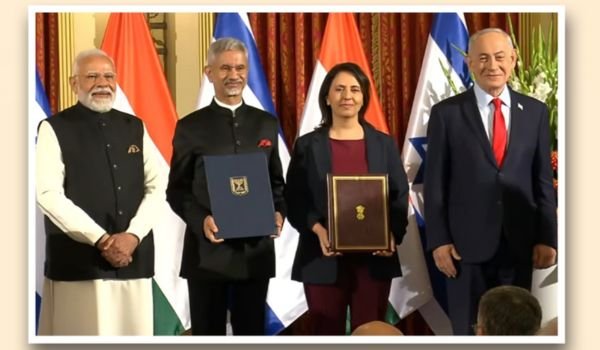
On 9 October 2025, Israel and Hamas signed the first phase of a landmark peace agreement aimed at ending a two-year war that has devastated Gaza and strained regional stability. The deal, brokered by Egypt, Qatar, Turkey, and the United States, includes:
Release of 20 Israeli hostages in exchange for nearly 2,000 Palestinian prisoners
Israeli troop withdrawal to a designated line within Gaza
Humanitarian aid: 400 trucks per day allowed into Gaza for the first five days
Framework for future negotiations on governance, disarmament, and reconstruction
The agreement was signed in Sharm el-Sheikh, Egypt, and hailed by leaders as a breakthrough. While critical issues remain unresolved, the deal marks a hopeful step toward lasting peace in the region.
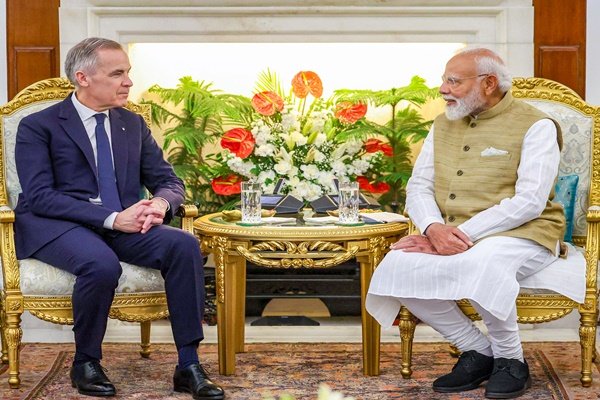
From October 8–9, 2025, UK Prime Minister Keir Starmer made his first official visit to India, marking a significant step forward in India–UK bilateral relations. The visit, hosted by Prime Minister Narendra Modi, focused on strengthening the Comprehensive Strategic Partnership under the Vision 2035 Roadmap, covering areas such as trade, defence, climate, energy, education, and innovation.
Starmer led the UK’s largest-ever trade delegation of over 100 leaders, promoting the India–UK Comprehensive Economic and Trade Agreement (CETA), which aims to remove tariffs on 90% of goods and boost trade by £25.5 billion annually. Both leaders also launched the Technology Security Initiative (TSI) to collaborate on AI, quantum computing, biotech, and critical minerals.
The US Peace Plan for Gaza, proposed by President Donald Trump in September 2025, aims to end the Israel-Hamas conflict through a 20-point framework.
Key provisions include an immediate ceasefire, hostage exchange, Gaza’s demilitarization, and governance by a technocratic Palestinian committee under international oversight.
Hamas is excluded from future rule, and reconstruction—estimated at $200 billion—will involve global partners like India. An international peacekeeping force will ensure security. Hamas has 3–4 days to accept; rejection may trigger full US support for Israeli military action.
On 21 September 2025, the United Kingdom, Canada, and Australia formally recognized the State of Palestine, marking a historic diplomatic shift. Canada became the first G7 nation to do so, followed by the UK and Australia.
Leaders emphasized the move as a step toward reviving hope for a two-state solution, strengthening peaceful Palestinian leadership, and promoting stability in the Middle East. France, Belgium, and other nations are also expected to follow during the upcoming UN General Assembly.
On September 20, 2025, U.S. President Donald Trump signed a proclamation introducing a $100,000 fee for new H-1B visa petitions filed from outside the United States.
Key Points
Effective from: September 21, 2025, 12:01 AM EDT.
Applies to: Only new H-1B petitions from outside the U.S.
Exemptions: Existing holders, renewals, and cases deemed in national interest.
Rationale: To curb system abuse and attract only “extraordinary talent.”
Impact
Employers: Sharp rise in costs → shift toward local hiring.
Workers: Entry barrier for junior/mid-level professionals; travel concerns for dependents.
Indian IT firms: Nasscom warns of disruption; firms may accelerate local recruitment.
Historic Appointment: Former Chief Justice Sushila Karki was sworn in as Nepal’s interim Prime Minister on 12 Sept 2025, becoming the first woman to hold the post. President Ramchandra Paudel administered the oath at Sheetal Niwas, Kathmandu.
She replaces KP Sharma Oli, who resigned amid Gen Z-led protests against corruption and poor governance. Karki was chosen through a youth-driven online vote on Discord, gaining support from both activists and political parties.