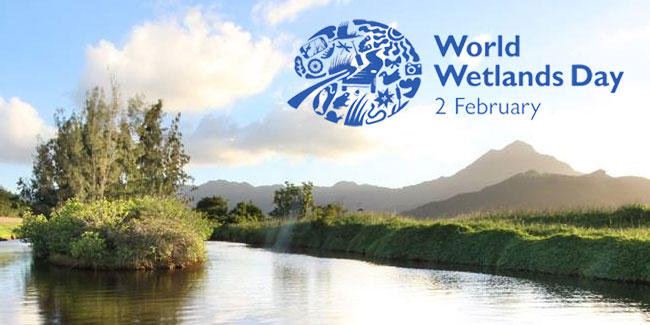
World Wetlands Day is observed every year on 2 February to commemorate the signing of the Ramsar Convention in 1971. In 2026, the theme is “Wetlands and Traditional Knowledge: Celebrating Cultural Heritage”, highlighting the deep connections between wetlands, communities, and cultural practices. Wetlands are lifelines for biodiversity, climate resilience, and human livelihoods.
🌍 What is World Wetlands Day?
- Date: Celebrated annually on 2 February.
- Origin: Marks the adoption of the Ramsar Convention on Wetlands (1971, Ramsar, Iran).
- Purpose: Raise awareness about the ecological, cultural, and economic importance of wetlands.
🌱 Theme for 2026
- “Wetlands and Traditional Knowledge: Celebrating Cultural Heritage”
- Focuses on how wetlands have historically supported human settlement, spirituality, craftsmanship, and food production.
- Recognizes indigenous and local knowledge systems that have safeguarded wetlands for generations.
🌊 Why Wetlands Matter
- Biodiversity: Wetlands are among the most productive ecosystems, home to countless species.
- Climate Regulation: They store vast amounts of carbon, helping mitigate climate change.
- Water Security: Wetlands filter water, recharge aquifers, and prevent floods.
- Livelihoods: Millions depend on wetlands for fishing, farming, and cultural practices.
- Cultural Heritage: Wetlands are living landscapes shaped by traditions and sustainable practices.
📌 Highlights from World Wetlands Day 2026
- India: Union Minister Bhupender Yadav emphasized wetlands as “lifelines of the planet,” placing communities and cultural heritage at the center of conservation.
- Manipur: Launch of a Wetlands Virtual Museum and recognition of climate-resilient villages.
- Youth Engagement: Hackathons, symposiums, and student-led initiatives in Navi Mumbai showcased innovation in urban ecology.