Author name: Tamanna

Delhi Sultanate MCQ : Objective Questions

Delhi Sultanate MCQ : Objective Questions for competitive Exams. Most important History GK question and answer for online practice are given here for preparation of SSC CGL and other govt examinations.

Delhi Sultanate MCQ :

Qns 1 : Which among the following dynasties had not ruled over Delhi?
(a) Slave dynasty
(b) Sayyid dynasty
(c) Khilji dynasty
(d) Ghori dynasty

Answer
(d) Ghori dynasty

Qns 2 : The first sovereign ruler of Delhi, Iltutmish was also known as
(a) Slave of Slaves
(b) King of Kings
(c) Messiah of Farmers
(c) Prince of Pilgrims

Answer
(a) Slave of Slaves

Qns 3 : Who among the sultans is credited with having introduced a purely Arabic currency of gold and silver?
(a) Iltutmish
(b) Balban
(c) Muhammad bin Tughluq
(d) Alauddin Khilji

Answer
(c) Muhammad bin Tughluq

Qns 4 : Who among the following attacked India during the reign of Iltutmish?
(a) Genghis Khan
(b) Ulugh Khan
(c) Nusrat Khan
(d) Jalal Khan

Answer
(a) Genghis Khan

Qns 5 : Who broke the power of ‘Chahalgani nobles’ ?
(a) Ghiyasuddin Balban
(b) Iltutmish
(c) Alauddin Khilji
(d) Muhammad bin Tughluq

Answer
(a) Ghiyasuddin Balban

Qns 6 : Consider the following statements about Balban.
I. He called himself Naib-i-Khudai or Deputy of God.
II. He created Diwan-i-Arz or department of military affairs.
III. He propounded the theory of Kingship and restored peace in the Doab.
IV. He liquidated the Turkish nobility Chalisa or the group of forty.
Which statements given above is/are correct?
(a) I, II and III
(b) I, III and IV
(c) II, III and IV
(d) All of these

Answer
(d) All of these

Qns 7 : Who was the founder of Khilji dynasty?
(a) Jalaluddin Khilji
(b) Alauddin Khilji
(c) Mubarak Shah Khilji
(d) Masud Shab

Answer
(a) Jalaluddin Khilji

Qns 8 : Who among the following sultans of Delhi was the first to have paid to his soldiers in cash?
(a) Ibrahim Lodhi
(b) Iltutmish
(c) Alauddin Khilji
(d) Balban

Answer
(c) Alauddin Khilji

Qns 9 : In 1306 CE which river served as boundary between Mongol and Delhi Sultanate?
(a) Beas
(b) Ravi
(c) Sindhu
(d) Satluj

Answer
(c) Sindhu

Qns 10 : With reference to Sultan Alauddin Khilji, consider the following statements.
I. Alauddin Khilji fixed the prices of foodgrains.
II. Alauddin Khilji was the first Sultan, who paid his soldiers in cash.
III. During Alauddin Khilji’s rule, the share of the land revenue to be paid by the peasant was raised to half of the produce.
Which of these statements are correct?
(a) I and II
(b) I and III
(c) II and III
(d) I, II and III

Answer
(d) I, II and III

Qns 11 : Which Sultan had a dispute with sufi Saint Nazamuddin Auliya?
(a) Jalaluddin Khilji
(b) Ghiyasuddin Tughlaq
(c) Firuz Shah Tughlaq
(d) Muhammad bin Tughluq

Answer
(b) Ghiyasuddin Tughlaq

Qns 12 : Which Sultan of Delhi had established a separate agriculture department and had planned the ‘rotation of crops’?
(a) Iltutmish
(b) Balban
(c) Alauddin Khilji
(d) Muhammad bin Tughluq

Answer
(d) Muhammad bin Tughluq

Qns 13 : ‘The king was freed from his people and they from their king.’ On whose death did Badayuni commented?
(a) Alauddin Khilji
(b) Balban
(c) Iltutmish
(d) Muhammad bin Tughluq

Answer
(d) Muhammad bin Tughluq

Qns 14 : Which Sultan of Delhi established a ‘Translation Department to help both communities to understand each others ideas better?
(a) Alauddin Khilji
(b) Firuz Shah Tughlaq
(c) Iltutmish
(d) Sikandar Lodi

Answer
(b) Firuz Shah Tughlaq

Qns 15 : Who was the last ruler from Tughlaq dynasty to rule over Delhi Sultanate?
(a) Firuz Tughlaq
(b) Ghiyasuddin Tuqhluq I
(c) Nasiruddin Mahmud
(d) Nusrat Shah

Answer
(c) Nasiruddin Mahmud

Qns 16 : Which one of the following is the correct chronological order of the Afghan rulers to the throne of Delhi?
(a) Sikandar Shah, Ibrahim Lodi, Bahlul Khan Lodi
(b) Sikandar Shah, Bahlul Khan Lodi, Ibrahim Lodi
(c) Bahlul Khan Lodi, Sikandar Shah, Ibrahim Lodi
(d) Bahlul Khan Lodi, Ibrahim Lodi, Sikandar Shah Lodi

Answer
(c) Bahlul Khan Lodi, Sikandar Shah, Ibrahim Lodi

Qns 17 : Which sultan of Delhi Sultanate broke the sacred images of the Jwalamukhi temple at Naga Kot and ordered the temples of Mathura to be destroyed?
(a) Sikandar Lodi
(b) Alauddin Khilji
(c) Firuz Shah Tughlaq
(d) Nusrat Shah

Answer
(a) Sikandar Lodi

Qns 18 : In the Delhi Sultanate an administrative unit called ‘Paragana’ was headed by an official known as
(a) Shiqdar
(b) Barid
(c) Ariz
(d) Amil

Answer
(a) Shiqdar

Qns 19 : ‘Diwan-i-Arz’ department was associated with
(a) royal correspondence
(b) foreign
(c) defence
(d) finance

Answer
(c) defence

Qns 20 : Which of the following was not one of the revenue and agrarian measures of Firuz Shah Tughlaq?
(a) He retained only four kinds of taxes sanctioned by the Quran (kharaj, zakat, Jaziya, and khums).
(b) He undertook revaluation of land to certain its assessment.
(c) Religious endowments which had reverted to the state under previous rulers were returned to the earlier holders or their descendants.
(d) He was generous in granting land to civil and military officers and in farming out land.

Answer
(a) He retained only four kinds of taxes sanctioned by the Quran (kharaj, zakat, Jaziya, and khums).

Qns 21 : Which of the following indicates taxes levied on the land product?
I. Kharaj
II. Khums
III. Ushr
IV. Muktai
Select your answer from the following codes.
(a) Only I
(b) II and III
(c) I, II and III
(d) I, III and IV

Answer
(d) I, III and IV

Qns 22 : Which sultan built Alai Darwaza?
(a) Iltutmish
(b) Balban
(c) Alauddin Khilji
(d) Firuz Shah Tughlaq

Answer
(c) Alauddin Khilji

Qns 23 : Al-Biruni came to India with
(a) Mahmud Ghazni
(b) Muhammad Ghori
(c) Qutubuddin Aibak
(d) Mohammad-Bin-Kasim

Answer
(a) Mahmud Ghazni

Qns 24 : Who among the following witnessed the reign of seven sultans of Delhi?
(a) Amir Khusrau
(b) Shaikh Nizamuddin Auliya
(c) Khwaja Muinuddin Chishti
(d) Both (a) and (b)

Answer
(d) Both (a) and (b)

Qns 25 : Who were called ‘Dastar-Bandan’?
(a) Sufi-Saint
(b) Khan
(c) Malik
(d) Ulema
Answer
(d) Ulema

Arab and Turkish Invasion Questions

Arab and Turkish Invasion, Most Important History GK mcq questions with answers for preparation of SSC and all Govt jobs competitive exams.

Arab and Turkish Invasion Questions

Qns 1 : Who was Muhammad bin Qasim?

(a) Turk
(b) Mongol
(c) Arab
(d) Turk-Afghani

Answer
(c) Arab

Qns 2 : Who was the Hindu King at the time of invasion of Muhammad-bin-Qasim on Sindh?

(a) Dahir
(b) Hala
(c) Ananda Raja
(d) Mula Raja

Answer
(a) Dahir

Qns 3 : When did the first contact of India with Islam established?

(a) After the arrival of Sufi Saints
(b) In the 11th century after establishment of Turkish rule in India.
(c) In the 7th century after conquest of sindh by Muhammad-bin-Qasim.
(d) Arrival of Arab traders on the Malabar Coast.

Answer
(d) Arrival of Arab traders on the Malabar Coast.

Qns 4 : Who among the following was the Arab commander who successfully conquered Sindh?

(a) Al-Hazaz
(b) Qutbuddin Aibak
(c) Alauddin Khalji
(d) Muhammad-bin-Qasim

Answer
(d) Muhammad-bin-Qasim

Qns 5 : Who among the following is considered as Founded of Ghaznavid dynasty?

(a) Subuktigin
(b) Mahmud
(c) Ismail
(d) Alp Tigin

Answer
(a) Subuktigin

Qns 6 : Who had given Mahmud an investiture to rule as an independent ruler?

(a) Ottoman Turk
(b) Caliph of Baghdad named Qadirbillah
(c) Subuktgin
(d) Caliph of Arab named Al-hitmatdai

Answer
(b) Caliph of Baghdad named Qadirbillah

Qns 7 : Who among the following was the court historian of Mahmud Ghaznavi?

(a) Hasan Nizami
(b) Utbi
(c) Firdausi
(d) Chand Bardai

Answer
(b) Utbi

Qns 8 : In which year did Mahmud Ghaznavi attacked the Somnath temple?

(a) 1001 CE
(b) 1016 CE
(c) 1013 CE
(d) 1025 CE

Answer
(d) 1025 CE

Qns 9 : Who was the ruler of Gujarat when Mahmud invaded the Somnath temple?

(a) Sukhpal
(b) Rajyapal
(c) Mula Raja
(d) Bhimdev 1

Answer
(d) Bhimdev 1

Qns 10 : Who among the following re-constructed the Somnath temple after the invasion of Mahmud?

(a) Bhimraj first
(b) Bhimdev
(c) Mulraj
(d) Jai Singh Siddhi Raj

Answer
(b) Bhimdev

Qns 11 : Who fought the Battle of Waihind (AD 1009)?

(a) Anandpala and Mahmud Ghaznavi.
(b) Jayapala and Muhammad Ghori.
(c) Prithviraj Chauhan and Muhammad Ghori.
(d) Jaichandra and Bakhtiyar Kilji.

Answer
(a) Anandpala and Mahmud Ghaznavi.

Qns 12 : Assertion (A) Mahmud Ghaznavi invaded India 17 times.
Reason (R) He wanted to establish a permanent Muslim rule in India.
Codes
(a) Both A and R are true and R is the correct explanation of A
(b) Both A and R are true, but R is not the correct explanation of A
(c) A is true, but R is false
(d) A is false, but R is true

Answer
(c) A is true, but R is false

Qns 13 : Match the following.

(Events) (Date)
A. Invasion on Somnath1. 1025 AD.
B. Invasion on Kalinjar2. 1021 AD
C. Invasion on Mathura and Kannauj3. 1018-19 AD
D. Inavsion of Thaneshwar4. 1014 AD
E. Battle with Anandpal5. 1008 AD
Codes
    A B C D E
(a) 1 2 3 4 5 
(b) 5 4 3 2 1
(c) 1 2 3 5 4 
(d) 3 4 2 5 1
Answer
(a) 1 2 3 4 5

Qns 14 : Al-biruni lived during the period of which one of the following?

(a) Mahmud Ghaznavi
(b) Muhammad Ghori
(c) Alauddin Khalji
(d) Ferozshah Tughlaq

Answer
(a) Mahmud Ghaznavi

Qns 15 : The famous historian who came India along with Mahmud Ghaznavi?

(a) Farista
(b) Ibn Battuta
(c) Al-Biruni
(d) Afif

Answer
(c) Al-Biruni

Qns 16 :Which one of the following statements is not correct?

(a) Al-Biruni identifies the sufi doctrine of divine love as self-annihilation with parallel passages from Bhagawad Gita.
(b) According to Al-Biruni, Sufi theories of soul were similar to those in Patanjali’s Yoga Sutra.
(c) The Hatha Yogic treatise Amrita Kunda had lasting impact on Sufism.
(d) Hujwiri’s conversation with the yogis shows that he was impressed with their theory of the division of the human body.

Answer
(d) Hujwiri’s conversation with the yogis shows that he was impressed with their theory of the division of the human body.

Qns 17 : Muhammad Ghori was the ruler of which dynasty?

(a) Shansabani (Ghorid) dynasty
(b) Khwarazamian dynasty
(c) Mongol dynasty
(d) Sasainaad dynasty

Answer
(a) Shansabani (Ghorid) dynasty

Qns 18 : What was the name used for Muhammad Ghori in the coins struk and issued in India after his victories?

(a) Sri Ibn Sam
(b) Sri Mizuddin Mohamad
(c) Sri Muhammad Sam
(d) Sri Mohammad Muizuddin

Answer
(c) Sri Muhammad Sam

Qns 19 : Who was handed over the conquered territories of Muhammad Ghori in India?

(a) Tajuddin Yaldauz
(b) Qutubudin Aibak
(c) Shamsuddin Iltutmish
(d) Nasiruddin Kubacha

Answer
(b) Qutubudin Aibak

Qns 20 : In his initial attacks on India from northern frontiers, Muhammad Ghori chose which of the following passes?

(a) Khyber pass
(b) Hajigak pass
(c) Gomal pass
(d) Bolan pass

Answer
(c) Gomal pass

Qns 21 : Muhammad Ghori suffered his first defeat at the hands of which ruler?

(a) Bhima II
(b) Prithviraj Chauhan
(c) Jaichand
(d) Prithviraj II

Answer
(a) Bhima II

Qns 22 : In which battle did Prithviraj Chauhan defeated Muhammad Ghori?

(a) First battle of Tarain, 1191 AD
(b) Second battle of Tarain, 1192 AD
(c) Battle of Chandawar, 1194 AD
(d) Battle of Ranthambore, 1195 AD

Answer
(a) First battle of Tarain, 1191 AD

Qns 23 : The second battle of Tarain was fought between?

(a) Alexander and Porous.
(b) Jaichand and Muhammad Ghori
(c) Akbar and Hemu
(d) Muhammad Ghori and Prithviraj Chauhan

Answer
(d) Muhammad Ghori and Prithviraj Chauhan

Qns 24 : The battle from which Muslim rule in India established?

(a) First battle of Tarain.
(b) Second battle of Tarain.
(c) First battle of Panipat.
(d) Second battle of Panipat.

Answer
(b) Second battle of Tarain.

Qns 25 : Whom had Muhammad Ghori defeated in 1194 in the Battle of Chandawar?

(a) Kumarapala
(b) Jaichand
(c) Govindraj
(d) Bhim II

Answer
(b) Jaichand

Qns 26 : Chandawar is situated in which Indian state?

(a) Uttar Pradesh
(b) Rajasthan
(c) Haryana
(d) Punjab

Answer
(a) Uttar Pradesh

Qns 27 : Who was the first Muslim conqueror of Bihar?

(a) Malik Ibrahim
(b) Iltutmish
(c) Bakhtiyar Khalji
(d) Ali Mardan Khalji

Answer
(c) Bakhtiyar Khalji

Qns 28 : Nalanda Vihar was destroyed by

(a) Bakhtiyar Khalji
(b) Qutbuddin Aibak
(c) Muhammad Bin Tughlaq
(d) Alauddin Khalji

Answer
(a) Bakhtiyar Khalji

Qns 29 : Which Arab traveller calls the Pratihara kingdom as Al-jurr and the king as Baura?

(a) Al – Mashar
(b) Al-masudi
(c) Sulaiman
(d) Al-Beruni

Answer
(b) Al-masudi

Qns 30 : Which of the following was the first target of Muhammad Ghori in Indian subcontinent?

(a) Kashmir
(b) Punjab
(c) Malwa
(d) Multan

Answer
(d) Multan

List of High Court in India in Hindi

भारत में उच्च न्यायालयों की सूची – List of High Court in India in Hindi, General Knowledge for preparation of competitive exams

भारत में उच्च न्यायालयों की सूची

कोर्टशहरराज्य
इलाहाबाद उच्च न्यायालयप्रयागराजउत्तर प्रदेश
आंध्र प्रदेश उच्च न्यायालयअमरावतीआंध्र प्रदेश
बंबई उच्च न्यायालयमुंबईमहाराष्ट्र और गोवा
कलकत्ता उच्च न्यायालयकोलकातापश्चिम बंगाल
छत्तीसगढ़ उच्च न्यायालयबिलासपुरछत्तीसगढ़
दिल्ली उच्च न्यायालयनई दिल्लीदिल्ली
गौहाटी उच्च न्यायालयगुवाहाटीअसम, नागालैंड, मिजोरम और अरुणाचल प्रदेश
गुजरात उच्च न्यायालयअहमदाबादगुजरात
हिमाचल प्रदेश उच्च न्यायालयशिमलाहिमाचल प्रदेश
जम्मू और कश्मीर उच्च न्यायालयजम्मू और श्रीनगरजम्मू और कश्मीर
झारखण्ड उच्च न्यायालयरांचीझारखंड
कर्नाटक उच्च न्यायालयबेंगलुरुकर्नाटक
केरल उच्च न्यायालयकोच्चिकेरल
मध्य प्रदेश उच्च न्यायालयजबलपुरमध्य प्रदेश
मद्रास उच्च न्यायालयचेन्नईतमिलनाडु और पुडुचेरी
मणिपुर उच्च न्यायालयइंफालमणिपुर
मेघालय उच्च न्यायालयशिलांगमेघालय
उड़ीसा उच्च न्यायालयकटकओडिशा
पटना उच्च न्यायालयपटनाबिहार
पंजाब एवं हरियाणा उच्च न्यायालयचंडीगढ़पंजाब, और हरियाणा
राजस्थान उच्च न्यायालयजोधपुरराजस्थान
सिक्किम उच्च न्यायालयगंगटोकसिक्किम
तेलंगाना उच्च न्यायालयहैदराबादतेलंगाना
त्रिपुरा उच्च न्यायालयअगरतलात्रिपुरा
उत्तराखंड उच्च न्यायालयनैनीतालउत्तराखंड
List of High Court in India in Hindi

Nicknames of Cities in India in Hindi

The list of Nicknames of Cities in India and Old Names of Indian Cities in Hindi for GK and preparation of Competitive Exams.

भारतीय शहरों के उपनाम (Nicknames of Cities)

शहरउपनाम
जैसलमेरगोल्डन सिटी
जयपुरगुलाबी शहर
जोधपुरसन सिटी
बेंगलुरूगार्डन सिटी
लखनऊनवाबों का शहर
कच्छफ्लेमिंगो सिटी
उदयपुरलेक सिटी
कोलकातामहलों का शहर

शहरों के पुराने तथा नए नाम

क्र०सं०नया नामपुराना नाम
1.चेन्नईमद्रास
2.कोलकाताकलकत्ता
3.मुम्बईबॉम्बे
4.वडोदराबड़ौदा
5.कोझीकोडकलीकट
6.कोचिकोचीन
7.वाराणसीबनारस
8.तूतुकुडीटुटिकोरिन
9.कन्या कुमारीकेप कोमोरिन
10.कलबुरगीगुलबर्ग
11.बेलागावीबेलगाम
12.जमशेदपुरसक्ची
13.गुरुग्रामगुड़गांव
14.पलक्कड़पालघाट
15.डॉ अम्बेडकर नगरमहू
16.कोल्लमक्विलोन
17.अलुवाअलवाए
18.पुडुचेरीपांडिचेरी
19.दिल्लीइन्द्रप्रस्थ
20.बिहारमगध
21.बेंगलुरूबैंगलोर
22.इंदौरइंदूर
23.पुणेपूना
24.विशाखापत्तनमवाल्टेयर
25.जबलपुरजुबुलपुर
26.अलाप्पुझाएलेपी
27.बनारसकाशी 
28.उज्जैनअवंथी 
29.तिरुवनंतपुरमत्रिवेंद्रम
30.पंजीपंजिम
31.वाराणसीबनारस
32.तंजावुरतंजौर
33.उटकमंडलमऊटाकामंड
34.मैंगलूरमंगलौर
35.इलाहाबादप्रयाग
36.पटनापाटलीपुत्र
37.हैदराबादभाग्यनगर
38.बीदरमुहम्मदाबाद
39.कलबुरगी (गुलबर्गा)एहसनाबाद

National Parks and Sanctuaries of India in Hindi

The List of all National Parks and Sanctuaries of India in Hindi. भारत के राष्ट्रीय उद्यान एंव अभ्यारण्य state wise list for General Knowledge useful for Competitive Exams.

भारत के राष्ट्रीय उद्यान एंव अभ्यारण्य

क्र:सं:  राष्ट्रीय उद्यान/अभ्यारण्यराज्यप्रमुख वन्यजीव प्राणी
1.पखुई वन्य जीवन अभ्यारण्यअरुणाचल प्रदेशहाथी, अजगर, हिरण, सांभर
2.मानस राष्ट्रीय उद्यानअसमहाथी, चीता, भालू, एक सींग वाला गेंडा, लंगूर, हिरण
3.काजीरंगा राष्ट्रीय उद्यानअसमचीता, एक सींग वाला गेंडा, हुन्गली सूअर, भैंसा
4.पाखाल वन्य जीव अभ्यारण्यआंध्र प्रदेशचीता, तेंदुआ, सांभर, भालू, जंगली सूअर
5.कावला वन्य जीव अभ्यारण्य  आंध्र प्रदेशचीता, तेंदुआ, सांभर, भालू, जंगली सूअर, चीतल
6.दुधवा राष्ट्रीय उद्यानउत्तर प्रदेशहाथी, बाघ, चीता, हिरण, नीलगाय, तेंदुआ
7.चन्द्रप्रभा अभ्यारण्यउत्तर प्रदेशचीता, भालू, नीलगाय, तेंदुआ, सांभर
8.जिम कॉर्बेट राष्ट्रीय उद्यानउत्तराखंडहाथी, बाघ, चीता, हिरण, भालू, नीलगाय, सांभर, जंगली सूअर
9.चिक्ला अभ्यारण्य  ओडिशाक्रेन, जलकौवा, पेलिवन,प्रवासी पक्षी
10.सिम्लिपाल अभ्यारण्यओडिशाहाथी, बाघ, चीता, तेंदुआ, सांभर, हिरण, मगरमच्छ, जलीय पक्षी
11.बन्दीपुर राष्ट्रीय उद्यानकर्नाटकहाथी, चीता, तेंदुआ, हिरण, चीतल, सांभर,
12.भद्रा अभ्यारण्यकर्नाटकभालू, हाथी, सांभर, तेंदुआ, हिरण
13.सोमेश्वर अभ्यारण्यकर्नाटकचीता, जंगली कुत्ता, हिरण, तेंदुआ, सांभर
14.तुंगभद्रा अभ्यारण्यकर्नाटकतेंदुआ, चीतल, काला हिरण, चौसिंगा और पक्षी
15.नागरहोल राष्ट्रीय उद्यानकर्नाटकचीता, हाथी, तेंदुआ, सांभर, भालू, चकोर, तीतर,
16.पेरियार अभ्यारण्यकेरलचीता, हाथी, तेंदुआ, सांभर, हिरण, भालू, नीलगाय, जंगली सूअर
17.राम्बिकुलम अभ्यारण्यकेरलचीता, हाथी, तेंदुआ, सांभर, हिरण, नीलगाय, जंगली सूअर
18.गिर राष्ट्रीय उद्यानगुजरातशेर, सांभर, तेंदुआ, जंगली सूअर
19.नल सरोवर अभ्यारण्य  गुजरातजल-पक्षी
20.भगवान् महावीर उद्यानगोवाहिरण, चूहा, साही, सांभर
21.डाचिगम राष्ट्रीय उद्यानजम्मू-कश्मीरतेंदुआ, काला भालू, लाल भालू, हिरण,
22.किश्तवार राष्ट्रीय उद्यानजम्मू-कश्मीरकाला हिरण, जंगली याक, तिब्बती गधा
23.पलामू अभ्यारण्य झारखंडहाथी, हिरण, तेंदुआ, सांभर, जंगली सूअर
24.दाल्मा वन्य जीव अभ्यारण्यझारखंडहाथी, हिरण, तेंदुआ, भालू, जंगली
25.हजारीबाग वन्य जीव अभ्यारण्यझारखंडचीता, भालू, तेंदुआ, चीतल, सांभर, जंगली सूअर
26.वेदांतगल अभ्यारण्य  तमिलनाडुजलीय पक्षी
27.इंदिरा गांधी अभ्यारण्य  तमिलनाडुहाथी, बाघ, चीतल, तेंदुआ, सांभर, रीछ, जंगली कुत्ता, लंगूर
28.मुदुमलाई अभ्यारण्य  तमिलनाडुहाथी, चीता, तेंदुआ, सांभर, हिरण, जंगली कुत्ते
29.अबोहर अभ्यारण्य  पंजाबजंगली सूअर, हिरण, नीलगाय, काला हंस, कबूतर
30.सुंदरवन राष्ट्रीय उद्यानपश्चिम बंगालबाघ, चीता, हिरण, मगरमच्छ
31.कैमूर वन्य जीव अभ्यारण्यबिहारबाघ, नीलगाय, घड़ियाल, सांभर, जंगली सूअर
32.कीबुल लामजाओ राष्ट्रीय उद्यानमणिपुरहिरण, जंगली बकरी, विभिन्न जल पक्षी
33.पेंच राष्ट्रीय उद्यानमध्य प्रदेशचीता, नीलगाय, सांभर, भालू, जंगली सूअर
34.कान्हा राष्ट्रीय उद्यानमध्य प्रदेशबाघ, चीतल, तेंदुआ, सांभर, बारहसिंघा
35.पंचमढ़ी अभ्यारण्यमध्य प्रदेशबाघ, तेंदुआ, सांभर, नीलगाय, चीतल, हिरण, भालू, जंगली भैंसा.
36.बांधवगढ़ राष्ट्रीय उद्यानमध्य प्रदेशबाघ, तेंदुआ, सांभर, भालू, चकोर
37.तंसा अभ्यारण्य  महाराष्ट्रतेंदुआ, सांभर, चौसिंगा, जंगली सूअर, चीतल, पक्षी
38.वोरिविली राष्ट्रीय उद्यानमहाराष्ट्रलंगूर, हिरण, सांभर, तेंदुआ, जंगली सूअर
39.डाम्फा अभ्यारण्यमिजोरमकोबरा, चीता, बिल्ली, फीजेंट
40.नोंगखाइलेम अभ्यारण्यमेघालयहाथी, चीता, बाघ, हिरण, सांभर, भालू
41.घाना पक्षी विहारराजस्थानसांभर, काला हिरण, जंगली सूअर, मुर्गा, घड़ियाल, साइबेरियन क्रेन.
42.रणथम्भौर अभ्यारण्य   राजस्थानचीता, बाघ, शेर, तेंदुआ, लक्कड़बग्घा, भालू, नीलगाय, सांभ
43.कुंभलगढ़ अभ्यारण्यराजस्थानचीता, नीलगाय, सांभर, भालू, नीलगाय
44.सुल्तानपुर झील अभ्यारण्यहरियाणाविभिन्न जल पक्षी
45.रोहिला राष्ट्रीय उद्यानहिमाचल प्रदेशकस्तूरी हिरण, भूरा भालू, पहाड़ी मुर्गा, पहाड़ी तेंदुआ

Indian Cities on River Banks GK in Hindi

The list of Important Indian Cities on River Banks, General Knowledge (GK) in Hindi for preparation of upcoming Competitive Exams. The state-wise list is given below.

भारत की नदियाँ और शहर

नदी का नामशहरराज्य
ब्रह्मपुत्रडिब्रूगढअसम
ब्रह्मपुत्रगुवाहाटीअसम
गोदावरीराजमुंदरीआंध्रप्रदेश
कृष्णाविजयवाड़ाआंध्रप्रदेश
पेन्नारनेल्लोरआंध्रप्रदेश
गोदावरीनिजामाबादआंध्रप्रदेश
सरयूअयोध्याउत्तर प्रदेश
यमुनाआगराउत्तर प्रदेश
यमुनामथुराउत्तर प्रदेश
गंगाकन्नौजउत्तर प्रदेश
गंगा(प्रयागराज) इलाहाबादउत्तर प्रदेश
गंगाकानपुरउत्तरप्रदेश
गोमतीजौनपुरउत्तरप्रदेश
गंगावाराणसीउत्तरप्रदेश
यमुनाऔरेयाउत्तरप्रदेश
यमुनाइटावाउत्तरप्रदेश
गंगाफर्रुखाबादउत्तरप्रदेश
गंगाफतेहगढ़उत्तरप्रदेश
राप्तीगोरखपुरउत्तरप्रदेश
गोमतीलखनऊउत्तरप्रदेश
छावनीकानपुरउत्तरप्रदेश
गंगाशुक्लागंजउत्तरप्रदेश
गंगाचकेरीउत्तरप्रदेश
गंगाहरिद्वारउत्तराखंड
गंगाबद्रीनाथउत्तराखंड
महानदीकटकओडिशा
महानदीसंबलपुरओडिशा
ब्राह्मणीराउरकेलाओडिशा
वृषभावतीबंगलौरकर्नाटक
नेत्रवतीमंगलौरकर्नाटक
तुंगा नदीशिमोगाकर्नाटक
भद्राभद्रावतीकर्नाटक
तुंगभद्राहोसपेटकर्नाटक
कालीकारवारकर्नाटक
घटप्रभाबागलकोटकर्नाटक
श्रावतीहोन्नावारकर्नाटक
साबरमतीअहमदाबादगुजरात
ताप्तीसूरतगुजरात
विश्वमित्रीवडोदरागुजरात
नर्मदाभरूचगुजरात
झेलमश्रीनगरजम्मू और कश्मीर
कावेरीतिरुचिरापल्लीतमिलनाडु
वैगईमदुरैतमिलनाडु
कावेरीतिरुचिरापल्लीतमिलनाडु
अड्यारचेन्नईतमिलनाडु
नोय्यालकोयंबटूरतमिलनाडु
कावेरीइरोडतमिलनाडु
थमीरबारानीतिरुनेलवेलीतमिलनाडु
मूसीहैदराबादतेलंगाना
दमन गंगा नदीदमनदमन
यमुनानई दिल्लीदिल्ली
सतलजफिरोजपुरपंजाब
हुगलीकोलकातापश्चिम बंगाल
गंगापटनाबिहार
गंगाहाजीपुरबिहार
नर्मदाजबलपुरमध्यप्रदेश
चंबलग्वालियरमध्यप्रदेश
शिप्राउज्जैनमध्यप्रदेश
गिरना नदीमालेगांवमहाराष्ट्र
मुथापुणेमहाराष्ट्र
उल्हासकर्जतमहाराष्ट्र
गोदावरीनासिकमहाराष्ट्र
सावित्रीमहाड़महाराष्ट्र
गोदावरीनांदेडमहाराष्ट्र
कृष्णासांगलीमहाराष्ट्र
कृष्णाकराडमहाराष्ट्र
चंबलकोटाराजस्थान

First in India GK in Hindi

First in India, General Knowledge (GK) in Hindi for Competitive Exams. List of First Appointments, First lady, and Technical achievements are compiled below.

भारत की पहली नियुक्तियाँ

पहले राष्ट्रपतिडॉo राजेन्द्र प्रसाद
पहले उपराष्ट्रपतिडॉo एस० राधाकृष्णन
पहले प्रधानमंत्रीपंडित जवाहरलाल नेहरु
पहले गृह मंत्रीवल्लभभाई पटेल
पहले रेल मंत्रीजॉन मथाई
पहले रक्षा मंत्रीसरदार बलदेव सिंह
पहले वित्त मंत्रीआर० षणमुगम चेट्टी
पहले विदेश मंत्रीजवाहरलाल नेहरु
पहले गवर्नर जनरल (भारतीय)सी राजगोपालाचारी
पहले गवर्नर जनरललॉर्ड माउन्टबेटन
भारत के पहले मुख्य न्यायाधीशहरिलाल जे कानिया
पहले मुख्य निर्वाचन आयुक्तसुकुमार सेन
पहले मुख्य सूचना आयुक्तवजाहत हबीबुल्ला
पहले केंद्रीय सतर्कता आयुक्तएन० श्रीनिवास राव
लोकसभा के पहले अध्यक्षजी० वी० मावलंकर
पहले मंत्रीमंडल सचीवएन० आर० पिल्लै
पहले थल सेना अध्यक्षजनरल राजेन्द्र सिंह जी
पहले वायु सेना अध्यक्षएयर मार्शल थॉमस एल्महशर्ट
पहले नौ सेना अध्यक्षवाइस एडमिरल आर० डी0 कटारी

भारत की प्रथम तकनिकी उपलब्धियाँ

घटनावर्ष
भारत में प्रसारण की शुरुआत1927
ऑल इंडिया रेडियो की स्थापना1936
टेलीविजन की शुरुआत1959
रंगीन टीवी की शुरुआत1982
रेलवे की शुरुआत1853, 16 अप्रैल
पहली इलेक्ट्रिक ट्रेन1925, 23 फरवरी
डाक टिकट का पहला अंक1825, 25 मार्च
सबसे पहली टेलीग्राफ लाइन1851 (कलकत्ता और डायमंड हार्बर)
पहला अख़बार1781 जनवरी 29 हिक्की कलकत्ता गजेट
पहले परमाणु पावर स्टेशन तारापुर में कमीशन1969
पहला परमाणु परिक्षण किया1974, 18 मई
पहला उपग्रह1975, 19 अप्रैल
इंटरनेट भारत आया1995, 15 अगस्त (बीएसएनएल द्वारा प्रदान की)
पहली हवाई डाक भारत तथा विश्व में (बम्रौली से इलाहाबाद 6 मील)1911
भारत के पहले स्वदेश निर्मित पनडुब्बीशल्की
भारत के पहले अखबारी कागज कारखाना स्थापितनेपानगर (म. प्र.)

भारत में प्रथम महिला

भारत रत्न से सम्मानित होने वाली पहली भारतीय महिलाश्रीमती इंदिरा गाँधी
एक भारतीय राज्य की पहली महिला राज्यपालश्रीमती सरोजनी नायडु
राज्य की पहली महिला मुख्यमंत्रीश्रीमती सुचेता कृपलानी
देश की पहली केंद्रीय मंत्रीश्रीमती राजकुमारी अमृत कौर
भारतीय राष्ट्रीय कांग्रेस की पहली महिला अधक्षएनी बेसेंट
मुख्य चुनाव आयुक्त बनने वाली पहली महिलाश्रीमती रमा देवी
उच्च न्यायालय की मुख्य न्यायाधीश नियुक्त होने वाली पहली महिलान्यायाधीश लीला सेठ
सुप्रीम कोर्ट की न्यायाधीश नियुक्त होने वाली पहली महिलान्यायाधीश एम फातिमा बीवी
लोक सभा के अध्यक्ष पद पर नियुक्त होने वाली पहली महिलाश्रीमती मीरा कुमार
संयुक्त राष्ट्र महासभा की पहली महिला अध्यक्षश्रीमती विजयलक्ष्मी पंडित
इंग्लिश चैनल तैर कर पार करने वाली पहली भारतीय महिला  आरती साहा
ओलम्पिक पदक जीतने वाली पहली भारतीय महिलाकर्णम मल्लेश्वरी
एशियाड में पदक जीतने वाली पहली भारतीय महिलाकमलजीत संधू
एवरेस्ट शिखर पर चढाई करने वाली पहली भारतीय महिलाबछेंद्री पाल
भारतीय सेना में शौर्य पुरस्कार प्राप्त करने वाली भारतीय महिला (अफगानिस्तान में बहादुरी के लिए सेना मेडल)मेजर मिताली मधुमिता
मिस एशिया पैसिफिक का ख़िताब जीतने वाली पहली भारतीय महिलाजीनत अमान
मिस यूनिवर्स का ख़िताब जीतने वाली पहली भारतीय महिलासुष्मिता सेन
मिस वर्ल्ड का ख़िताब जीतने वाली पहली भारतीय महिलारीटा फारिया
मिस अर्थ का ख़िताब जीतने वाली पहली भारतीय महिलानिकोल फारिया
एक जवान के रूप में प्रादेशिक सेना में शामिल होने वाली पहली भारतीय महिलाशांति टिग्गा
मुख्य सूचना आयुक्त का पद भार संभालने वाली पहली महिलादीपक संधू
केंद्रीय विदेश मंत्री का पद भार संभालने वाली पहली महिलाशुष्मा स्वराज (नोट: इससे पहले श्रीमती इंदिरा गाँधी ने प्रधान मंत्री रहते हुए विदेश मंत्री का अतिरिक्त प्रभार संभाला था)

भारतीय राज्यों की पहली महिला मुख्यमंत्री, राज्यपाल

राज्यमुख्यमंत्रीराज्यपाल
असमसईदा अनवरा तैमुरश्री गुलाब चंद कटारिया
बिहारराबड़ी देवीश्री राजेंद्र विश्वनाथ अर्लेकर
दिल्लीसुषमा स्वराज 
गुजरातआनंदीबेन पटेलशारदा मुखर्जी
गोवा, दमन और दीवशशिकला काकोदकरश्री पी.एस. श्रीधरन पिल्लई
मध्य प्रदेशउमा भारतीसरला ग्रेवाल
ओडिशानंदिनी सत्पथी 
पंजाबराजिंदर कौर भट्टलश्री बनवारी लाल पुरोहित
राजस्थानवसुंधरा राजेप्रतिभा पाटिल
तमिलनाडुजानकी रामचन्द्रनफातिमा बीवी
उत्तर प्रदेशसुचेता कृपलानीसरोजिनी नायडु
पश्चिम बंगालममता बनर्जीपद्मजा नायडु

List of Famous Cities with Founders / Architect in Hindi

The list of Famous Indian Cities with their Founders / Architect (Designer) in Hindi for General Knowledge (GK). शहरों के संस्थापक/डिजाइनर

शहरों के संस्थापक/डिजाइनर सूचि

क्र०संoशहरसंस्थापक/डिजाइनर
1.भोपालराजा भोज
2.चंडीगढ़ली कार्बुजिए – डिजाइनर
3.हैदराबादकुली कुतुब शाह
4.नई दिल्लीएडवर्ड लुटियन – डिजाइनर
5.जयपुरसवाई जय सिंह
6.भुबनेश्वरडॉ. ओटो कोलनिग्स बर्गर – डिजाइनर
7.फतेहपुर सीकरीअकबर
8.आगराबादल सिंह
9.नागपुरभक्त बुलंद
10.जौनपुरफिरोज शाह तुगलक (अपने पिता मोहम्मद बिन तुगलक या जौना खान के नाम पर)
11.अहमदाबादसुल्तान अहमद शाह
12.फरीदाबादशेख फरीद
13.भावनगरभावसिंहजी गोहिल
14.जोधपुरराव जोधा
15.बीकानेरराव बिका
16.जम्मूराजा जंबू लोचन
17.दुर्गापुरजोसेफ एलन स्टेन और बेंजामिन पोल्क – डिजाइनर
18.फिरोजपुरफिरोजशाह तुगलक

MCQ on Vijaynagara and Bahmani Kingdoms

GK MCQ questions on Vijaynagara and Bahmani Kingdoms for preparation of competitive exams. Question Answer from previous year exam question paper of UPSC, SSC, Bank, UPSSSC.

Qns 1 : Which among the following was the first dynasty of Vijayanagara?
(a) Hoysala dynasty
(b) Sangama dynasty
(c) Suluva dynasty
(d) Tuluva dynasty

Answer
(b) Sangama dynasty

Qns 2 : Which among the following title was adopted by Deva Raya-II?
(a) Gajabetegara
(b) Andhara Bhoja
(c) Dakshinapati
(d) Abhinav Bhoja

Answer
(a) Gajabetegara

Qns 3 : Which among the following Vijayanagara ruler patronised the Madhwa saint Sripadaraya and Kannada poet Kavi Linga?
(a) Saluva Narasimha
(b) Immadi Narasimha
(c) Deva Raya II
(d) Krishnadeva Raya

Answer
(a) Saluva Narasimha

Qns 4 : Who was the founder of Tuluva dynasty?
(a) Narasu Nayak
(b) Immadi Narasimha
(c) Vira Narasimha
(d) None of the above

Answer
(c) Vira Narasimha

Qns 5 : Which city was founded by Krishnadeva Raya?
(a) Warangal
(b) Nagalapur
(c) Udayagiri
(d) Khandragiri

Answer
(b) Nagalapur

Qns 6 : Who got the monumental Rayagopurams in front of the temples at Hampi, Tiruvannamalai, Chidambaram, Sri Rangam, Tirupati etc constructed?
(a) Vidyaranya
(b) Krishnadeva Raya
(c) Harihara
(d) Rajaraja

Answer
(b) Krishnadeva Raya

Qns 7 : Who among the ruler of Vijayanagar empire after successful campaign against Bahmani kingdom adopted the title “establisher of the Yavana Kingdom”?
(a) Krishnadeva Raya
(b) Saluva Narasimha
(c) Deva Raya II
(d) Achyuta Raya

Answer
(a) Krishnadeva Raya

Qns 8 : Krishnadeva raya’s Amuktamalyada is a work on
(a) his political ideas.
(b) public administration.
(c) administration of justice and foreign affairs.
(d) All of the above

Answer
(d) All of the above

Qns 9 : Which of the following are true about Krishnadeva Raya?
(a) He was known as Andhra Bhoja.
(b) He authored ‘Amuktamalyada’ book on polity in Telugu and also a Sanskrit drama called ‘Jambavati Kalyanam’.
(c) His court has adorned by eight celebrated poets called ‘ashtadiggajas’
(d) All of the above

Answer
(d) All of the above

Qns 10 : The Vijayanagara Empire received its death blow at the battle of
(a) Talikota in 1565
(b) Panipat in 1661
(c) Talikota in 1665
(d) Raichur in 1510

Answer
(a) Talikota in 1565

Qns 11 : The Battle of Talikota was fought between
(a) Akbar and Sultan of Malwa.
(b) Vijayanagara and the Bahmani Kingdom
(c) Vijayanagara and combined forces of Bijapur, Ahmadnagar and Golconda.
(d) Sher Shah and Humayun.

Answer
(c) Vijayanagara and combined forces of Bijapur, Ahmadnagar and Golconda.

Qns 12 : Who among the following was the last dynasty of Vijayanagara Empire?
(a) Saluva dynasty
(b) Tuluva dynasty
(c) Aravidu dynasty
(d) Sangama dynasty

Answer
(c) Aravidu dynasty

Qns 13 : Who among the following travellers was from Italy and visited Vijayanagar Kingdom in the fifteenth century?
(a) Nikitin
(b) Fa-Hien
(c) Bernier
(d) Nicolo Conti

Answer
(d) Nicolo Conti

Qns 14 : Which one of the following pairs of travellers and their nationality is not correctly matched? [NDA 2019]
(a) Ibn Battuta – Moroccan
(b) Duarte Barbosa – Protuguese
(c) Jean Baptiste Tavernier – Dutch
(d) Niccolao Manucci – Venetian

Qns 15 : The ruins of Vijayanagara (Hampi) were brought to public light in the year 1800 by the following surveyor and engineer.
(a) James Prinsep
(b) Colin Mackenzie
(c) James Rennell
(d) Charles Metcalf

Answer
(b) Colin Mackenzie

Qns 16 : The rulers of Vijaynagar promoted
(a) Hindi, Marathi and Sanskrit
(b) Malayalam, Tamil and Sanskrit
(c) Tamil, Telugu and Sanskrit
(d) Telugu, Urdu and Sanskrit

Answer
(d) Telugu, Urdu and Sanskrit

Qns 17 : Which of the following temples is an example of wall inscription on which stories of Ramayana and Mahabharat are inscribed?
(a) Tadapatri
(b) Varadraja
(c) Parvati
(d) Vithalswami

Answer
(d) Vithalswami

Qns 18 : The term ‘Amaram’ in the Vijayanagar Empire stood for
(a) Grants given to the Brahamanas
(b) Military grants
(c) Grants given to scholar and poets
(d) Grants given to the widows and the poor

Answer
(b) Military grants

Qns 19 : Consider the following statements about Vijayanagar Empire.
I. Vijaynagar was noted for its markets dealing in spices, textiles and precious stones.
II. Krishnadeva Raya’s rule was characterised by the strain within the imperial structure.
III. The amara-nayakas were military commanders who were given territories to be governed by the Rayas.
Which of the statement(s) given above is/are correct?
(a) Only III
(b) I and II
(c) I and III
(d) All of these

Answer
(c) I and III

Qns 20 : Which of the following was the first capital of the Bahmani Kingdom?
(a) Bidar
(b) Gulbarga
(c) Daultabad
(d) Hussainabad

Answer
(b) Gulbarga

Qns 21 : In how many provinces did Bahmani kingdom under Alaudin Hasan was divided?
(a) Four
(b) Five
(c) Eight
(d) Two

Answer
(b) Five

Qns 22 : Who was the ruler of Golconda when Aurangzeb seized the fort of
Golconda in 1687?
(a) Abul Hasan Qutb Shah
(b) Sikandar Adil Shah
(c) Ali Adil Shah II
(d) Shayasta Khan

Answer
(a) Abul Hasan Qutb Shah

Qns 23 : The famous Gol Gumbaz of Bijapur was built by which among the following Deccan Sultan?
(a) Mohammad Adil Shah
(b) Mahmud Gawan
(c) Yusuf Adil Shah
(d) Ismail Adil Shah

Answer
(a) Mohammad Adil Shah

Qns 24 : The world famous Koh-i-Noor diamond was excavated from the mines of
(a) Odisha
(b) Chota nagpur
(c) Bijapur
(d) Golconda

Answer
(d) Golconda

Qns 25 : The Bahmani architecture in the Deccan is marked by its distinct originality and independent style. Which of the following statements about Bahmani architecture are correct?
I. It derived its elements from the architectural styles of the Delhi Sultanate and that of distant Persia.
II. The forts built by the Bahmanis were undoubtedly the greatest monuments far exceeding any of the same period in Europe.
III. Bahmani architecture did reflect harmonious blend of both Hindi and Islamic styles.
Select the correct answer using the codes given below
(a) I, II and III
(b) II and III
(c) I and III
(d) I and II

Answer
(c) I and III

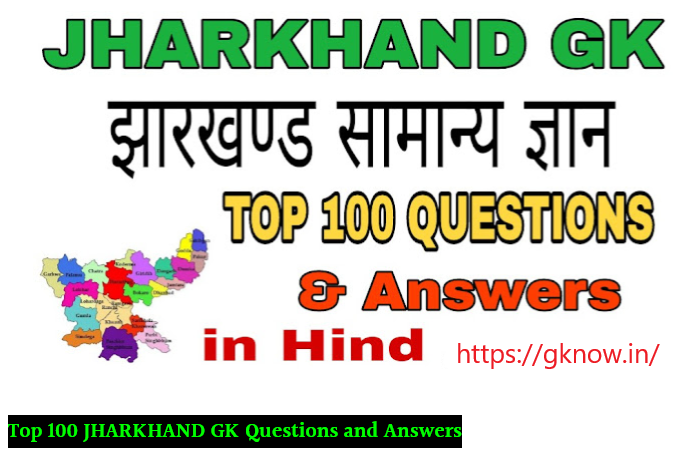
Jharkhand GK PDF

Jharkhand GK PDF in Hindi : General Knowledge, General Awareness and Static GK PDF for free download. PDF Books, Notes are useful for JPSC, and all competitive exams.

झारखंड सामान्य ज्ञान

अध्याय – 1 झारखण्ड का इतिहास
परिचय प्राचीन इतिहास
पूर्व मध्य काल
सल्तनतकालीन झारखंड
मुगलकालीन झारखंड
उत्तर मुगलकालीन झारखंड
झारखंड में अंग्रेजों का प्रवेश
अंग्रेजों के विरूद्ध कुछ प्रारंभिक विद्रोह

अध्याय – 2 झारखंड तथा भारतीय स्वतंत्रता आंदोलन
झारखंड में 1857 के विद्रोह का प्रभाव
झारखंड में राष्ट्रीय चेतना का प्रसार
गाँधी युग तथा झारखंड
प्रांतो में कांग्रेसी मंत्रीमंडल का गठन
अंतरिम सरकार का गठन
स्वतंत्रता की प्राप्ति : 15 अगस्त, 1947
झारखंड में पृथक राज्य के लिए आंदोलन
झारखंड का राज्य के रूप में गठन

अध्याय – 3 झारखंड का भूगोल
स्थिति तथा विस्तार
भूगर्भिक संरचना
धरातलीय स्वरूप
अपवाह तंत्र
झारखंड की महत्वपूर्ण नदियाँ
प्रमुख जलप्रपात
मिट्टी
जलवायु

अध्याय – 4 वन तथा राष्ट्रीय उद्यान
वन उत्पाद
राष्ट्रीय उद्यान
पक्षी विहार

अध्याय – 5 कृषि एंव सिंचाई
झारखंड का कृषि प्रदेश (प्रक्षेत्र)
सिंचाई परियोजनाएं

अध्याय – 6 ऊर्जा संसाधन
जल विद्युत परियोजना

अध्याय – 7 खनिज संसाधन
झारखंड में खनिज की उपलब्धता

अध्याय – 8 उद्योग
खनिज आधारित उद्योग
कृषि पर आधारित उद्योग
वन पर आधारित उद्योग
झारखंड की नयी औद्योगिक नीति – 2012
झारखंड में उद्योगों का स्वामित्व

अध्याय – 9 परिवहन
सड़क परिवहन
रेल परिवहन
वायु परिवहन
जल परिवहन
संचार

अध्याय – 10 जनसंख्या
जनसंख्या वितरण
लिंगानुपात
साक्षरता दर

अध्याय – 11 जनजातियाँ
प्रजातीय समूह के आधार पर
आर्थिक क्रिया-कलाप के आधार पर
झारखंड की मुख्य जनजातियाँ

अध्याय – 12 राजव्यवस्था
कार्यपालिका
विधायिका
न्यायपालिका
प्रशासनिक ढाँचा
झारखण्ड लोक सेवा आयोग

अध्याय – 13 कला एंव संस्कृति
प्रमुख किले/राजप्रसाद
झारखंड के प्रमुख मंदिर
चित्रकला
संगीत तथा नृत्य
पर्व-त्योहार
महत्वपूर्ण व्यक्ति

अध्याय – 14 विविध
शिक्षा संस्था
संग्रहालय
अन्य पत्र-पत्रिकाएँ
पर्यटन
झारखण्ड की महत्वपूर्ण योजनाएं
प्रश्नमाला

Download : Jharkhand Samanya Gyan

Name : Jharkhand GK for JPSC
Medium : Hindi
Number of pages : 202

Name : 100+ Jharkhand Question Answer PDF
Medium : Hindi
Number of pages : 35

Name : Jharkhand GK Question Answer PDF
Medium : Hindi
Number of pages : 199

Name : Jharkhand GK Book
Medium : Hindi
Number of pages : 201

Thanks for visit and download Jharkhand GK PDF in Hindi for competitive exams.

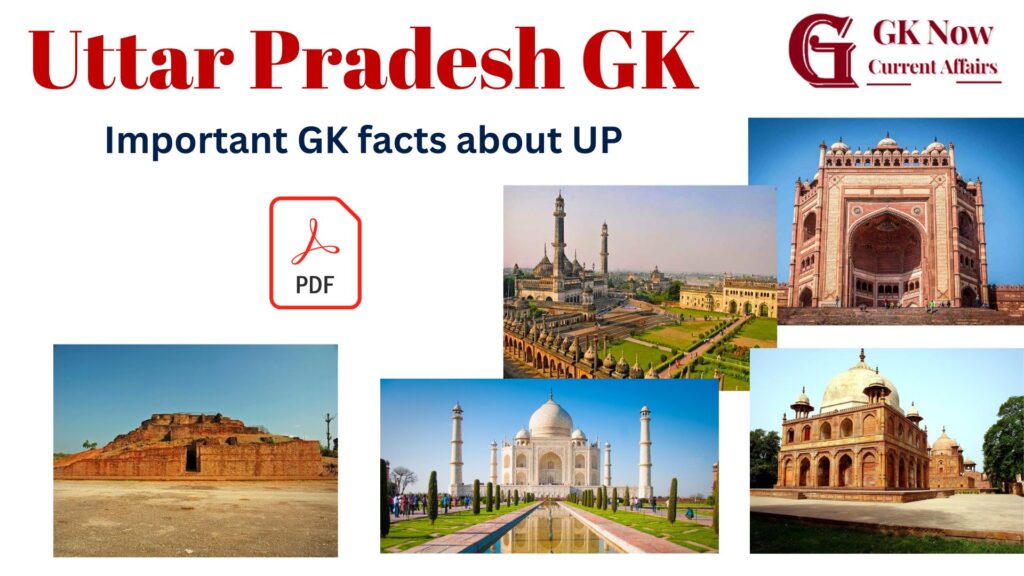
Uttar Pradesh GK PDF

UP GK PDF Download

UP GK PDF : Book, Notes PDF in Hindi for free download. Uttar Pradesh General Knowledge and General Studies PDF for the preparation of UPSC, UPPSC, UPSSSC PET, UP Police and all competitive exams.

  1. उत्तर प्रदेश की स्थापना कब हुई थी? – 24 जनवरी 1950
  2. उत्तर प्रदेश के इतिहास में सुल्तान गरीब नवाज कौन थे? – इल्तुतमिश
  3. उत्तर प्रदेश के अवध क्षेत्र में स्थित हैं, जहां भगवान श्रीराम का जन्म हुआ था? – अयोध्या
  4. उत्तर प्रदेश में स्थित है, जहां भगवान श्रीकृष्ण ने अपने बाल्यकाल काटा था? – मथुरा
  5. उत्तर प्रदेश के वाराणसी में स्थित है, जहां आदि कवि महर्षि वाल्मीकि ने रामायण रची थी? – वाल्मीकि आश्रम
  6. उत्तर प्रदेश की प्रमुख लोकनृत्य कौन-कौन से हैं? – रसलीला, नृत्य उत्सव, ठारी
  7. उत्तर प्रदेश में स्थित है, जहां प्रसिद्ध कवि सूरदास ने अपनी रचनाएं लिखी थीं? – काशी
  8. उत्तर प्रदेश की प्रमुख लोककला कौन-कौन सी हैं? – तुलसी संगीत, लखनवी चिकंगरी, वाराणसी बांस उद्योग
  9. उत्तर प्रदेश के किस शहर में नवाब असफ़ उद्दौला ने शानदार भव्य इमारतें बनवाई थीं? – लखनऊ
  10. उत्तर प्रदेश में स्थित सरस्वती शिखर वन्यजीव अभयारण्य किस जिले में स्थित है? – लखनऊ
  11. उत्तर प्रदेश में किस धर्म से सबसे अधिक लोग हैं? – हिंदू धर्म
  12. उत्तर प्रदेश की सबसे बड़ी नदी कौन सी है? – यमुना
  13. उत्तर प्रदेश में कुल कितने जिले हैं? – 75
  14. उत्तर प्रदेश का सबसे बड़ा जिला कौन सा है? – प्रयागराज
  15. उत्तर प्रदेश की राष्ट्रीय उद्यान की संख्या कितनी है? – 9
  16. उत्तर प्रदेश की प्रमुख सांस्कृतिक धरोहर कौन-कौन सी हैं? – ताज महल, वाराणसी के घाट, अयोध्या के राम जन्मभूमि मंदिर
  17. उत्तर प्रदेश का राष्ट्रीय उद्यान कहां स्थित है? – डुडवा राष्ट्रीय उद्यान
  18. उत्तर प्रदेश में स्थित जीतेंद्र महास्कंद पुरस्कार किसके लिए प्रदान किया जाता है? – विज्ञान और साहित्य
  19. उत्तर प्रदेश में स्थित सरस्वती महानदी किस नदी का संगम स्थल है? – यमुना
  20. उत्तर प्रदेश के पश्चिमी हिमालयी भाग में स्थित राष्ट्रीय उद्यान का नाम क्या है? – वनविहार राष्ट्रीय उद्यान
  21. उत्तर प्रदेश की सबसे ऊँची चोटी कौन सी है? – नंदा देवी
  22. उत्तर प्रदेश में किस खनिज को सबसे अधिक उत्पादित किया जाता है? – गंगा बालु
  23. उत्तर प्रदेश की अंतर्राष्ट्रीय हवाई अड्डा का नाम क्या है? – चौधरी चरण सिंह अंतर्राष्ट्रीय हवाई अड्डा, लखनऊ
  24. उत्तर प्रदेश की आधिकारिक भाषा क्या है? – हिंदी
  25. उत्तर प्रदेश की सबसे बड़ी बांध कौन सी है? – राजघाट सागर बांध
  26. उत्तर प्रदेश की प्रमुख पुरातत्व स्थल कौन-कौन से हैं? – वाराणसी के घाट, फतेहपुर सिकरी, सरनाथ, लखनऊ के इमामबाड़ा

Download : UP GK Book and Notes PDF

Name : UP GK PDF in Hindi -1
Medium : Hindi
Number of pages : 6

Name : UP GK PDF in Hindi -2
Medium : Hindi
Number of pages : 15

Name : उत्तर प्रदेश सामान्य ज्ञान प्रश्नोत्तर
Medium : Hindi
Number of pages : 23

Name : UP GK Special
Medium : Hindi
Number of pages : 13

Name : उत्तर प्रदेश सामान्य ज्ञान
Medium : Hindi
Number of pages : 44

Name : उत्तर प्रदेश का इतिहास
Medium : Hindi
Number of pages : 21

Name : उत्तर प्रदेश विशेष घटना चक्र
Medium : Hindi
Number of pages : 16

Name : UP Special GK for UPPSC
Medium : Hindi
Number of pages : 43

संगम काल MCQ in Hindi

संगम काल MCQ History GK MCQ in Hindi for UPSC, SSC Competitive exams. Previous year objective questions for the preparation of upcoming examinations.

संगम काल MCQ for Competitive Exams

Qns 1 : तमिल इतिहास में ‘संगम’ शब्द जुड़ा हुआ है

(a) कांची के महान पल्लव राजवंश के शासनकाल के दौरान निर्मित साहित्य।
(b) प्रारंभिक ईसाई युग के पांड्य राजाओं की प्रशंसा में लिखी गई कविताएँ।
(c) चीन के राजाओं की दरबारी कविता जो कलाकारों को संरक्षण देने के लिए प्रसिद्ध थे।
(d) मदुरै में पांडियन राजा के शाही संरक्षण के तहत आयोजित तमिल विद्वानों का एक कॉलेज या विधानसभा (साहित्यिक अकादमी)।

Answer
(d) मदुरै में पांडियन राजा के शाही संरक्षण के तहत आयोजित तमिल विद्वानों का एक कॉलेज या विधानसभा (साहित्यिक अकादमी)।

Qns 2 : संगम काल में तमिलों का सर्वाधिक लोकप्रिय देवता था

(a) इंद्र
(b) मुरुगन
(c) वरुण
(d) तिरुमल

Answer
(b) मुरुगन

Qns 3 : दक्षिण भारत के सन्दर्भ में गुफा लिपि का अर्थ है

(a) अघोषित भित्तिचित्रों के निशान
(b) तमिल ब्राह्मी
(c) तमिल ग्रंथ
(d) पल्लव ग्रंथ

Answer
(b) तमिल ब्राह्मी

Qns 4 : ‘तिरुकुरल’ का हिस्सा है

(a) पट्टुपट्टु
(b) किलकानक्कू
(c) मेलकानक्कू
(d) एट्टुटोगल

Answer
(b) किलकानक्कू

Qns 5 : निम्नलिखित में से कौन तमिल रामायणम या रामावतारम के लेखक थे?

(a) कंबन
(b) कुट्टन
(c) नन्नया
(d) तिकन्ना

Answer
(a) कंबन

Qns 6 : संगम साहित्य में ‘तोलकपियम्’ का ग्रन्थ है

(a) तमिल कविता
(b) तमिल व्याकरण
(c) तमिल वास्तुकला
(d) तमिल राजव्यवस्था

Answer
(b) तमिल व्याकरण

Qns 7 : निम्नलिखित में से किसे महाभारत के तेलुगु अनुवाद के लिए जाना जाता है?
I. कंबन
II. कुट्टन
III. नन्नय्या
IV. तिकन्ना
नीचे दिए गए कूट का प्रयोग कर सही उत्तर चुनिए।
(a) I और II
(b) II और III
(c) III और IV
(d) IV और I

Answer
(c) III और IV

Qns 8 : पांचवीं शताब्दी के तमिल महाकाव्य सिलप्पादिकारम में किस नदी की प्रशंसा की गई है?

(a) कावेरी
(b) गोदावरी
(c) सरस्वती
(d) गंगा

Answer
(a) कावेरी

Qns 9 : मनिमेकलाई के लेखक कौन हैं?

(a) कोवलन
(b) सथानार
(c) इलांगो अडिगल
(d) तिरुतक्कतेवर

Answer
(b) सथानार

Qns 10 : निम्नलिखित में से कौन से महाकाव्य ‘मणिमेकलई’ के पात्र हैं?
I. उदयकुमार
II. सुधामती
III. कुरल
IV. आदिकाल
कोड्स
(a) केवल I और II
(b) केवल II और III
(c) II, III और IV
(d) I, III और IV

Answer
(d) I, III और IV

Qns 11 : संगम काल की चोल राजधानी कहाँ स्थित थी ?

(a) कावेरीपट्टिनम
(b) मदुरै
(c) उरैयूर
(d) कोचीन

Answer
(a) कावेरीपट्टिनम

Qns 12 : दो चोल सरदारों नालनकिली और नेदुनकिल्ली के बीच दीर्घकालीन गृहयुद्ध का उल्लेख किस कवि ने किया है?

(a) कंबन
(b) कुट्टन
(c) नन्नय
(d) कोवूर किलर

Answer
(d) कोवूर किलर

Qns 13 : “जिस जगह में एक हाथी लेट सकता है, वहां सात लोगों को खिलाने के लिए पर्याप्त अनाज पैदा किया जा सकता है”। यह संगम कविताओं में निम्नलिखित में से किस साम्राज्य के लिए कहा गया था?

(a) चोल
(b) चेरा
(c) पांड्या
(d) राष्ट्रकूट

Answer
(a) चोल

Qns 14 : चेर साम्राज्य की राजधानी कहाँ थी?

(a) पुहार
(b) कावेरीपट्टिनम
(c) कराईकल
(d) वंजी

Answer
(d) वंजी

Qns 15 : ‘परिपादल’ में एक प्रसिद्ध संगीतकार के रूप में एक चेरा राजा का उल्लेख है। वह था

(a) चेरामन उर्मपोराय
(b) किलिवाल्वन
(c) उदयनगर
(d) अट्टनाट्टी

Answer
(c) उदयनगर

Qns 16 : निम्नलिखित कथनों पर विचार करें।
I. इमयावरम्बन के पुत्र सेनगुत्तुवन, यज्ञ श्री सातकर्णी के समकालीन थे।
II. सिलप्पादिकारम सेनगुट्टुवन के कारनामों का विस्तृत विवरण देता है।
ऊपर दिए गए कथनों में से कौन सा/से सही है/हैं?
(a) केवल I
(b) केवल II
(c) I और II दोनों
(d) न तो I और न ही II

Answer
(a) केवल I

Qns 17 : पांड्य देश में बड़ी मात्रा में अदरक और दालचीनी के उत्पादन का उल्लेख किसके द्वारा किया गया है

(a) मेगस्थनीज
(b) टॉलेमी
(c) इब्न सऊद
(d) मार्को पोलो

Answer
(d) मार्को पोलो

Qns 18 : संगम ग्रंथों के अनुसार कोन, को और मन्नान शब्द निम्नलिखित में से किससे संबंधित हैं?

(a) प्रधानमंत्री
(b) राजस्व मंत्री
(c) सेना का सेनापति
(d) राजा

Answer
(d) राजा

Qns 19 : निम्नलिखित को मिलाएं।

सूची I (अधिकारी)सूची II (फ़ंक्शन)
A. अमैछर1. पुरोहितों
B. अंतनार2. मंत्रियों
C. सेनापतियार3. जासूस
D. ओरार4. सेनापति
Codes
     A B C D 
(a) 1 2 3 4 
(b) 2 1 4 3
(c) 4 3 2 1 
(d) 1 2 3 4
Answer
(b) 2 1 4 3

Qns 20 : संगम युग में ‘उमनार’ कौन थे ?

(a) नमक के खुदरा विक्रेता
(b) सैन्य कमांडर
(c) दुकानदार
(d) कृषक

Answer
(a) नमक के खुदरा विक्रेता

Qns 21 : निम्नलिखित में से कौन सा दस्तावेज़ दक्षिण भारत में मुज़िरिस में ऑगस्टस के मंदिर का प्रमाण देता है?

(a) एरिथ्रियन सागर का पेरिप्लस
(b) निर्चस
(c) वंशावली टेबल
(d) संगम साहित्य

Answer
(a) एरिथ्रियन सागर का पेरिप्लस

Qns 22 : प्राचीन संस्कृत पाठ में वर्णित ‘यवनप्रिय’ शब्द निरूपित है

(a) भारतीय मुसलमानों की एक अच्छी किस्म
(b) विडंबना
(c) युवतियों को डांस परफॉर्मेंस के लिए ग्रीक कोर्ट भेजा गया
(d) मिर्च

Answer
(d) मिर्च

Qns 23 : किस प्राचीन स्थल की खुदाई से भारत और रोम के मध्य ईसवी सन् की प्रारम्भिक शताब्दियों में प्रगाढ़ व्यापारिक सम्बन्धों की जानकारी प्राप्त हुई है ?

(a) मदुरै
(b) ताम्रलिप्ति
(c) टोंडी
(d) अरिकमेदू

Answer
(d) अरिकमेदू

Qns 24 : निम्नलिखित में से किस बंदरगाह को ‘पेरिप्लस ऑफ द एरीथ्रियन सी’ के लेखक के लिए पोडुक के रूप में जाना जाता था।

(a) अरिकमेदू
(b) तानिरालिप्ति
(c) कोरकई
(d) बर्बरिकम

Answer
(a) अरिकमेदू

Qns 25 : एम्फोरा जार एक है

(a) छिद्रित जार
(b) लंबा डबल हैंडल जार
(c) चित्रित ग्रे जार
(d) काले और लाल बर्तन जार

Answer
(b) लंबा डबल हैंडल जार

Qns 26 : निम्नलिखित कथनों पर विचार करें।
I. संगम युग में विनिमय एक प्रकार की वस्तु विनिमय प्रणाली पर आधारित था।
II. आदान-प्रदान के कुछ निश्चित बिंदु थे जिन्हें ‘अवनम’ कहा जाता था।
ऊपर दिए गए कथनों में से कौन सा/से सही है/हैं?
(a) केवल I
(b) I और II दोनों
(c) केवल II
(d) ना तो I और न II

Answer
(a) केवल I

Qns 27 : निम्नलिखित को मिलाएं।

सूची I (पोर्ट)सूची II (स्थान)
A. बेरिगाज़ा1. मालाबार तट
B. मुज़िरिस2. वर्तमान दिन मुंबई तट
C. सोपारा3. भारत का पूर्वी तट
D. सुवामभूमि4. नर्मदा नदी के उत्तर में
Codes
    A B C D 
(a) 4 2 1 3 
(b) 1 3 4 2
(c) 3 1 4 2 
(d) 4 1 2 3
Answer
(d) 4 1 2 3

Qns 28 : रोमन निर्माण की निम्नलिखित में से कौन-सी वस्तु भारत में सर्वाधिक मात्रा में पाई गई है?

(a) बर्तन के टुकड़े
(b) कांस्य चिह्न
(c) लैंप
(d) सिक्के

Answer
(d) सिक्के

Qns 29 : निम्नलिखित में से किस तमिल ग्रंथ को ‘लघुवेद’ कहा गया है?

(a) नंदिकालमबगम
(b) कलिंगट्टुपरानी
(c) पेरियारपुराणम
(d) कुरल

Answer
(d) कुरल

Qns 30 : वेन्नी के युद्ध में चोल राजा करिकाल ने किसे पराजित किया था?

(a) पांड्य और चेर
(b) सातवाहन और शक
(c) पल्लव और चेरस
(d) पांड्य और बैक्ट्रियन

Answer
(b) सातवाहन और शक

Thanks for attempt संगम काल MCQ questions practice set for GK of competitive exams

Sangam Period MCQ for Competitive Exams

Sangam Age / Period History GK MCQ in for the practice of UPSC, SSC competitive exams. The objective questioned in English are sourced from the previous year exam question paper of various entrance and government jobs examinations.

Sangam Period MCQ

Qns 1 : The word ‘Sangam’ is associated in Tamil history with
(a) The literature produced during the reign of the great Pallava Dynasty of Kanchi.
(b) The poems written in praise of the Pandyan kings of the early Christian Era.
(c) The court poetry of China kings who were famous for patronising artists.
(d) A college or Assembly (literary academy) of Tamil scholar held under the royal patronage of Pandyan king at Madurai.

Answer
(d) A college or Assembly (literary academy) of Tamil scholar held under the royal patronage of Pandyan king at Madurai.

Qns 2 : The most popular God of the Tamil during the Sangam age was
(a) Indra
(b) Murugan
(c) Varuna
(d) Tirumal

Answer
(b) Murugan

Qns 3 : In the context of South India, Cave script means

(a) Undeciphered graffiti marks
(b) Tamil Brahmi
(c) Tamil Grantha
(d) Pallava Grantha

Answer
(b) Tamil Brahmi

Qns 4 : ‘Tirukural’ forms part of

(a) Pattupattu
(b) Kilkanakku
(c) Melkanakku
(d) Ettutogal

Answer
(b) Kilkanakku

Qns 5 : Who among the following was the author of the Tamil Ramayanam or Ramavataram?

(a) Kamban
(b) Kuttan
(c) Nannaya
(d) Tikkana

Answer
(a) Kamban

Qns 6 : In Sangam literature ‘Tolkapiyyam’ is a text of

(a) Tamil Poetry
(b) Tamil Grammar
(c) Tamil Architecture
(d) Tamil Polity

Answer
(b) Tamil Grammar

Qns 7 : Who among the following are known for their Telugu translation of the Mahabharata?
I. Kamban
II. Kuttan
III. Nannayya
IV. Tikkana
Select the correct answer using the codes given below.
(a) I and II
(b) II and III
(c) III and IV
(d) IV and I

Answer
(c) III and IV

Qns 8 : Which river is praised in the fifth century Tamil epic, Silappadikaram?

(a) Cauvery
(b) Godavari
(c) Saraswati
(d) Ganges

Answer
(a) Cauvery

Qns 9 : Who is the author of Manimekalai?

(a) Kovalan
(b) Sathanar
(c) Ilango Adigal
(d) Tirutakkatevar

Answer
(b) Sathanar

Qns 10 : Which of the following are the characters of the epic ‘Manimekalai’?
I. Udayakumara
II. Sudhamati
III. Kural
IV. Adikal
Codes
(a) I and II only
(b) II and III only
(c) II, III and IV
(d) I, III and IV

Answer
(d) I, III and IV

Qns 11 : Where was the capital of Sangam period Chola located?

(a) Kaveripattinam
(b) Madurai
(c) Uraiyur
(d) Cochin

Answer
(a) Kaveripattinam

Qns 12 : The protracted Civil War between two Chola chieftains Nalankili and Nedunkilli, were mentioned by which poet?

(a) Kamban
(b) Kuttan
(c) Nannay
(d) Kovur Kilar

Answer
(d) Kovur Kilar

Qns 13 : “In a space in which an elephant could lie, one can produce enough grain to feed seven”. This was stated in Sangam poems for which of the following Kingdom?

(a) Chola
(b) Chera
(c) Pandyas
(d) Rashtrakutas

Answer
(a) Chola

Qns 14 : Where was the capital of Chera Kingdom?

(a) Puhar
(b) Kaveripattinam
(c) Karaikal
(d) Vanjji

Answer
(d) Vanjji

Qns 15 : ‘Paripadal’ mentions a Chera king as a renowned musician. He was

(a) Cheraman urmporai
(b) Killivalavn
(c) Udiyangeral
(d) Attanatti

Answer
(c) Udiyangeral

Qns 16 : Consider the following statements.
I. Senguttuvan, the son of Imayavaramban was the contemporary of Yajna Sri Satkarni.
II. The Silappadikaram gives a detailed account of the exploits of Senguttuvan.
Which of the statement(s) given above is/are correct?
(a) Only I
(b) Only II
(c) Both I and II
(d) Neither I nor II

Answer
(a) Only I

Qns 17 : Ginger and cinnamon were produced in large quantities in the Pandya country is mentioned by
(a) Megasthenes
(b) Ptolemy
(c) Ibn Saud
(d) Marco Polo

Answer
(d) Marco Polo

Qns 18 : According to Sangam texts, the terms Kon, Ko and Mannan were attributed to which of the following?

(a) Prime Minister
(b) Revenue Minister
(c) Commander of the Army
(d) King

Answer
(d) King

Qns 19 : Match the following.

List I (Officer)List II (Function)
A. Amaichhar1. Purohits
B. Anthanar2. Ministers
C. Senaptiyar3. Spies
D. Orar4. Senapati
Codes
A B C D
(a) 1 2 3 4
(b) 2 1 4 3
(c) 4 3 2 1
(d) 1 2 3 4
Answer
(b) 2 1 4 3

Qns 20 : Who were ‘Umanar’ in the Sangam Age?

(a) The retailers in salt
(b) Military commanders
(c) Shopkeepers
(d) Agriculturists

Answer
(a) The retailers in salt

Qns 21 : Which one of the following document gives evidence of a temple of Augustus at Muziris in South India?

(a) Periplus of the Erythraean Sea
(b) Nearchus
(c) Genealogical tables
(d) Sangam literature

Answer
(a) Periplus of the Erythraean Sea

Qns 22 : The term ‘Yavanpriya’ mentioned in ancient Sanskrit text denoted

(a) a fine variety of Indian Muslim
(b) irory
(c) Damsels sent to the Greek Court for dance performance
(d) pepper

Answer
(d) pepper

Qns 23 : From the excavations of which ancient site, information has been gathered regarding brisk trade relations between India and Rome, during the early centuries of Christian era.

(a) Madurai
(b) Tamralipti
(c) Tondi
(d) Arikamedu

Answer
(d) Arikamedu

Qns 24 : Which one of the following ports was known as Poduke to the author of the ‘Periplus of the Erythraean Sea.’

(a) Arikamedu
(b) Taniralipti
(c) Korkai
(d) Barbaricum

Answer
(a) Arikamedu

Qns 25 : Amphora jar is a

(a) perforated jar
(b) tall double handle jar
(c) painted grey jar
(d) black and red ware jar

Answer
(b) tall double handle jar

Qns 26 : Consider the following statements.
I. In the Sangam age, the exchange was based on a kind of barter system.
II. There were certain fixed points of exchange called ‘avanam’.
Which of the above given statements is/are correct?
(a) Only I
(b) Both I and II
(c) Only II
(d) Neither I nor II

Answer
(a) Only I

Qns 27 : Match the following.

List I (Port)List II (Location)
A. Barygaza1. Malabar Coast
B. Muziris2. Present Day Mumbai Coast
C. Sopara3. The Eastern Coast of India
D. Suvamabhumi4. At the North of the Narmada River
Sangam Period MCQ
Codes
    A B C D 
(a) 4 2 1 3 
(b) 1 3 4 2
(c) 3 1 4 2 
(d) 4 1 2 3
Answer
(d) 4 1 2 3

Qns 28 : Which one of the following objects of Roman manufacture has been most abundantly found in India?

(a) Pot sherds
(b) Bronze icons
(c) Lamps
(d) Coins

Answer
(d) Coins

Qns 29 : Which of the following Tamil text has been called ‘Laghuveda’?

(a) Nandhikalambagam
(b) Kalingattuparani
(c) Periyarpuranam
(d) Kural

Answer
(d) Kural

Qns 30 : In the Battle of Venni, whom did the Chola king, Karikala defeat?

(a) Pandyas and Cheras
(b) Satvahanas and Sakas
(c) Pallavas and Cheras
(d) Pandyas and Bactrians

Answer
(b) Satvahanas and Sakas

Thanks for attempt Sangam Period MCQ questions for UPSC, SSC Competitive Exams.

प्रारंभिक मध्यकाल (800-1200 CE) MCQ

प्रारंभिक मध्यकाल (800-1200 CE) MCQ : यूपीएससी, एसएससी, यूपीएसएसएससी और सभी प्रतियोगी परीक्षाओं की तैयारी के लिए इतिहास जीके वस्तुनिष्ठ प्रश्न ।

प्रारंभिक मध्यकाल वस्तुनिष्ठ प्रश्न ।

Qns 1 : प्रतिहार साम्राज्य का वास्तविक संस्थापक कौन था ?

(a) वत्सराज
(b) महेंद्रपाल प्रथम
(c) महेंद्रपाल द्वितीय
(d) महिपाल

Answer
(a) वत्सराज

Qns 2 : अल-मसूदी, एक अरब यात्री, निम्नलिखित में से किस शासक के शासनकाल में भारत आया था?

(a) नागभट्ट III
(b) गोपाल
(c) अमोघवर्ष
(d) महिपाल I

Answer
(d) महिपाल I

Qns 3 : निम्नलिखित में से कौन गढ़वाल वंश का सबसे महान शासक था?

(a) महेंद्रपाल
(b) गोविंदचंद्र
(c) चंद्रदेव
(d) उपर्युक्त में से कोई नहीं

Answer
(b) गोविंदचंद्र

Qns 4 : धंगदेव किस वंश के शासक थे?

(a) जेजाकभुक्ति के चंदेल
(b) मालवा के परमार
(c) माहिष्मती की कलचुरी
(d) त्रिपुरी के कलचुरी

Answer
(a) जेजाकभुक्ति के चंदेल

Qns 5 : किस शासक को उसके एक शिलालेख में ‘कविराज’ कहा गया है?

(a) प्रतिहार शासक मिहिरभोज
(b) परमार शासक भोज
(c) पाल शासक धर्मपाल
(d) चालुक्य शासक कुमारपा

Answer
(b) परमार शासक भोज

Qns 6 : महान जैन विद्वान हेमचन्द्र के दरबार की शोभा थी

(a) अमोघवर्ष नृपतुंग
(b) कुमारपाल
(c) जयसिम्हा सिद्धराज
(d) विद्याधर

Answer
(b) कुमारपाल

Qns 7 : कल्हण द्वारा लिखित ‘राजतरंगिणी’ निम्नलिखित में से किससे संबंधित है?

(a) चंद्रगुप्त का शासनकाल
(b) गीतों का संकलन
(c) कश्मीर का इतिहास
(d) कृष्णदेव राय का शासनकाल

Answer
(c) कश्मीर का इतिहास

Qns 8 : दक्षिणी भारत के इतिहास में पाई जाने वाली एक सुसंगत विशेषता बड़े साम्राज्यों के बजाय छोटे क्षेत्रीय राज्यों का विकास था

(a) लोहे जैसे खनिजों की अनुपस्थिति।
(b) सामाजिक संरचना में बहुत सारे विभाजन।
(c) उपजाऊ भूमि के विशाल क्षेत्रों की अनुपस्थिति।
(d) जनशक्ति की कमी।

Answer
(b) सामाजिक संरचना में बहुत सारे विभाजन।

Qns 9 : राष्ट्रकूट साम्राज्य के बारे में निम्नलिखित कथनों पर विचार करें।
I. इसकी स्थापना दंतिदुर्ग ने वातापी (बादामी) के चालुक्यों को अपदस्थ करके की थी और राजधानी मान्यखेत में तय की गई थी।
II. राष्ट्रकूट राजाओं, ध्रुव, गोविंदा III और इंद्र III ने उत्तर भारत पर आक्रमण किया।
III. राजा अमोघवर्ष ने ‘कविराजमर्ग’ लिखा, जो काव्यशास्त्र पर सबसे पुरानी कन्नड़ पुस्तक है।
IV. राजा कृष्ण प्रथम ने एलोरा में कैलाश (शिव) मंदिर का निर्माण कराया।
ऊपर दिए गए कथनों में से कौन सा/से सही है/हैं?
(a) केवल I
(b) II और III
(c) I और IV
(d) उपर्युक्त सभी

Answer
(d) उपर्युक्त सभी

Qns 10 : संस्कृत कवि और नाटककार कालिदास का उल्लेख मिलता है

(a) पुलकेशिन II का ऐहोल शिलालेख।
(b) मिहिर भोज का ग्वालियर शिलालेख।
(c) कुमारगुप्त I का कर्मदंड शिवलिंग शिलालेख।
(d) चंद्रगुप्त II का मथुरा स्तंभ शिलालेख

Answer
(a) पुलकेशिन II का ऐहोल शिलालेख।

Qns 11 : वेंगी के चालुक्यों के संस्थापक कौन थे?

(a) भानुवर्धन
(b) विष्णुवर्धन
(c) विजयादित्य I
(d) पुलकेशिन IV

Answer
(b) विष्णुवर्धन

Qns 12 : चोल काल के लिए प्रसिद्ध था

(a) धार्मिक विकास
(b) ग्राम सभाएँ
(c) राष्ट्रकूटों के साथ युद्ध
(d) श्रीलंका से व्यापार

Answer
(b) ग्राम सभाएँ

Qns 13 : गंगईकोंडचोला की उपाधि किसने धारण की थी?

(a) राजेंद्र I
(b) राजराजा I
(c) राजाधिराज I
(d) कुलोटुंगा I

Answer
(a) राजेंद्र I

Qns 14 : राजेंद्र I द्वारा कावेरी के मुहाने के पास गंगईकोंडा चोलपुरम नामक नई राजधानी के निर्माण का अवसर क्या था?

(a) पश्चिमी गंगा पर उनकी जीत।
(b) ओडिशा के पूर्वी गंगा के खिलाफ अपने अभियान का सफल समापन।
(c) उनकी सर्वांगीण जीत के बाद अश्वमेध यज्ञ का प्रदर्शन।
(d) उत्तर भारत में उसकी सेनाओं का सफल अभियान।

Answer
(d) उत्तर भारत में उसकी सेनाओं का सफल अभियान।

Qns 15 : निम्नलिखित में से कौन-सी चोल राज्य-व्यवस्था की एक विशेषता है?

(a) स्वायत्त ग्राम पंचायतें।
(b) मंडलों में राज्य का विभाजन।
(c) राजशाही प्रणाली।
(d) प्रबुद्ध मंत्रिपरिषद।

Answer
(a) स्वायत्त ग्राम पंचायतें।

Qns 16 : राजराजा द्वारा शुरू किया गया प्रशासनिक नवाचार क्या था?

(a) उसने माल पर टोल, नियंत्रण और स्थानीय करों को समाप्त कर दिया।
(b) उन्होंने इसे प्रांतों के वाइसराय के रूप में केवल शाही परिवार के सदस्यों को भेजने के लिए एक अभ्यास बनाया।
(c) उन्होंने युवराज को देश के प्रशासन के साथ जोड़ने की प्रणाली की शुरुआत की।
(d) उसने मंत्रिपरिषद को समाप्त कर दिया और उसके स्थान पर ग्राम सभाओं के प्रतिनिधियों वाली एक संस्था का गठन किया।

Answer
(c) उन्होंने युवराज को देश के प्रशासन के साथ जोड़ने की प्रणाली की शुरुआत की।

Qns 17 : राजराजा के बारे में निम्नलिखित कथनों पर विचार करें।
I. चेरों, पांड्यों और श्रीलंका की विजय के पीछे आर्थिक मकसद दक्षिण-पूर्व एशियाई देशों के साथ व्यापार को अपने नियंत्रण में लाना और चीन के लिए समुद्री मार्ग खोलना था।
II. उनका सबसे बड़ा ऐतिहासिक योगदान यह था कि उन्होंने चोल अभिलेखों को ऐतिहासिक परिचय के साथ शुरू करने की परंपरा की शुरुआत की।
III. कृषि और राजकोषीय प्रशासन के क्षेत्र में, उन्होंने ग्राम सभाओं और अन्य स्थानीय निकायों के खातों के लेखा परीक्षण की प्रणाली की शुरुआत की।
ऊपर दिए गए कथनों में से कौन सा/से सही है/हैं?
(a) I और II
(b) II और III
(c) I और III
(d) उपरोक्त सभी

Answer
(d) उपरोक्त सभी

Qns 18 : पाल, प्रतिहारों और राष्ट्रकूटों ने किस शहर पर नियंत्रण के लिए लड़ाई लड़ी?

(a) उज्जैन
(b) पाटलिपुत्र
(c) कन्नौज
(d) कौशाम्ब

Answer
(c) कन्नौज

Qns 19 : निम्नलिखित में से कौन-सा अधिपति के प्रति सामंतों के सामंती दायित्वों में से एक नहीं था?

(a) अदालत में उपस्थिति और अधिपति को श्रद्धांजलि अर्पित करना।
(b) छोटे सामंतों के लिए, उनकी संपत्ति के प्रशासन में किसी भी बदलाव के लिए राजा से अनुमति।
(c) एक निश्चित संख्या में सैनिकों का रखरखाव और राजा को श्रद्धांजलि देना।
(d) वैवाहिक गठबंधन के लिए राजा की अनुमति।

Answer
(d) वैवाहिक गठबंधन के लिए राजा की अनुमति।

Qns 20 : निम्नलिखित कथनों पर विचार करें:
I. भुक्ति प्रारंभिक मध्यकाल के दौरान प्रशासनिक इकाई में से एक थी।
II. पदानुक्रम में विषय सर्वोच्च प्रशासनिक इकाई थे।
नीचे दिए गए कूट का प्रयोग कर सही उत्तर चुनिए।
(a) केवल I
(बी) केवल II
(सी) I और II दोनों
(डी) न तो I और न ही II

Answer
(a) केवल I

Qns 21 : प्रारंभिक मध्यकालीन भारत के दौरान वर्ण/जाति की स्थिति के बारे में निम्नलिखित में से कौन सा सही नहीं है?

(a) जातियों की संख्या में कई गुना वृद्धि हुई।
(b) गुप्त काल के बाद गतिशीलता की कमी के कारण कारीगरों के दोष धीरे-धीरे जातियों में कठोर हो गए।
(c) आदिवासी लोगों के समावेश ने शूद्रों और तथाकथित मिश्रित जातियों की विविधता में इजाफा किया।
(d) इस काल में वैश्यों और शूद्रों के बीच दूरियां बढ़ गईं।

Answer
(d) इस काल में वैश्यों और शूद्रों के बीच दूरियां बढ़ गईं।

Qns 22 : निम्नलिखित को मिलाएं।

सूची I (कर के प्रकार)सूची II (कर का विवरण)
A. हिरण्य1. उपज में राजा का हिस्सा
B. भागा2. नकद में ली गई विशेष उपज पर कर
C. प्रत्यय3. टोल टैक्स
D. उपार्णिक4. सीमावर्ती क्षेत्रों से लिया गया कर
Codes
    A B C D 
(a) 1 2 3 4 
(b) 2 1 3 4
(c) 1 3 2 4 
(d) 4 3 2 1
Answer
(b) 2 1 3 4

Qns 23 : निम्नलिखित में से कौन से मंदिर को किए गए दान का हिस्सा नहीं था?

(a) पैसा
(b) दास
(c) पशुधन
(d) हाथ

Answer
(b) दास

Qns 24 : प्रारंभिक मध्ययुगीन काल में निम्नलिखित में से कौन सा कथन सत्य है?

(a) बौद्ध धर्म का विस्तार हुआ।
(b) हिंदू धर्म का पुनरुद्धार और विस्तार हुआ।
(c) इस्लाम ने बड़ी घुसपैठ की।
(d) जैन धर्म पूर्णतः लुप्त हो गया।

Answer
(b) हिंदू धर्म का पुनरुद्धार और विस्तार हुआ।

Qns 25 : अभिकथन (A) प्रारंभिक मध्यकालीन भारत में जैन धर्म को एक झटका लगा।
कारण (R) प्रारंभिक मध्यकालीन भारत में आंतरिक व्यापार में गिरावट ने व्यापारिक समुदाय को कड़ी टक्कर दी।
कोड्स
(a) A और R दोनों सत्य हैं और R, A की सही व्याख्या है
(b) A और R सही हैं, लेकिन R, A की सही व्याख्या नहीं है
(c) A सत्य है, परन्तु R असत्य है
(d) A असत्य है, परन्तु R सत्य है

Answer
(b) A और R सही हैं, लेकिन R, A की सही व्याख्या नहीं है

Qns 26 : प्रसिद्ध विरुपाकाश मंदिर कहाँ स्थित है?

(a) भद्राचलम
(b) चिदंबरम
(c) हम्पी
(d) श्रीकालाहासी

Answer
(c) हम्पी

Qns 27 : भारत के सभी प्रारंभिक मध्यकालीन मंदिरों में सबसे ऊंचा है

(a) चिदंबरम में नटराज मंदिर।
(b) तंजौर में बृहदेश्वर मंदिर।
(c) हम्पी में विठ्ठलस्वामी मंदिर।
(d) श्रींगम में महान मंदिर।

Answer
(b) तंजौर में बृहदेश्वर मंदिर।

Qns 28 : सूर्य मंदिर स्थित है

(a) पुरी
(b) खजुराहो
(c) कोणार्क
(d) गया

Answer
(c) कोणार्क

Qns 29 : निम्नलिखित में से कौन मध्यकालीन भारत के प्रसिद्ध विधिवेत्ता थे?

I. विज्ञानेश्वर
II. हिमाद्री
III. राजशेखर
IV. जीमूतवाहन
नीचे दिए गए कूट से सही उत्तर का चयन करें।
(a) I, II and III
(b) II, III and IV
(c) I, II and IV
(d) I and IV

Answer
(c) I, II and IV

Qns 30 : निम्नलिखित को मिलाएं।

सूची Iसूची II
A. गढ़वालस1. बुंदेलखंड
B. चौहान2. गुजरात
C. चौहान3. कन्नौज
D. चंदेल4. अजमेर
Codes
    A B C D 
(a) 1 2 3 4 
(b) 3 2 4 1
(c) 1 3 2 4 
(d) 3 4 2 1
Answer
(d) 3 4 2 1

Early Medieval Period (800-1200 CE) MCQs

Early Medieval Period (800-1200 CE) MCQs : History GK Objective questions in English for the preparation of UPSC, SSC, Competitive exams.

Early Medieval Period : GK MCQs

Qns 1 : Who was the real founder of Pratihara Empire?

(a) Vatsraja
(b) Mahendrapala I
(c) Mahendrapala II
(d) Mahipala

Answer
(a) Vatsraja

Qns 2 : Al-Masudi, an Arabian traveller, came to India, in the reign of which of the following ruler?

(a) Nagabhatta III
(b) Gopal
(c) Amoghvarsh
(d) Mahipala I

Answer
(d) Mahipala I

Qns 3 : Which of the following was the greatest ruler of Gahadavala dynasty?

(a) Mahendrapal
(b) Govindachandra
(c) Chandradev
(d) None of the above

Answer
(b) Govindachandra

Qns 4 : Dhangdev was the ruler of which dynasty?

(a) Chandelas of Jejakabhukti
(b) Parmar of Malwa
(c) Kalchuri of Mahishmati
(d) Kalchuri of Tripuri

Answer
(a) Chandelas of Jejakabhukti

Qns 5 : Which ruler has been called as ‘Kaviraja’ in one of his inscription?

(a) Pratihara Ruler Mihirbhoj
(b) Paramara Ruler Bhoj
(c) Pala Ruler Dharmpal
(d) Chalukya Ruler Kumarpa

Answer
(b) Paramara Ruler Bhoj

Qns 6 : The great Jain scholar Hemchandra adorned the court of

(a) Amoghavarsha
(b) Kumarapala
(c) Jaysimha Siddharaja
(d) Vidhyadhara

Answer
(b) Kumarapala

Qns 7 : ‘Rajatarangini’ written by Kalhana is associated with which of the following?

(a) Chandragupta’s reign
(b) Anthology of Lyrics
(c) History of Kashmir
(d) Reign of Krishna Deva Raya

Answer
(c) History of Kashmir

Qns 8 : One consistent feature found in the history of Southern India was the growth of small regional kingdoms rather than large empires because of

(a) The absence of minerals like iron.
(b) Too many divisions in the social structure.
(c) The absence of vast areas of fertile land.
(d) The scarcity of manpower.

Answer
(b) Too many divisions in the social structure.

Qns 9 : Consider the following statements about the Rashtrakuta Empire.
I. It was founded by Dantidurga by overthrowing the Chalukyas of Vatapi (Badami) and the capital was fixed at Manyakheta.
II. The Rashtrakuta kings, Dhruva, Govinda III and Indra III invaded North India.
III. The king Amoghvarsha, wrote ‘Kavirajamaraga’, the earliest Kannada book on poetics.
IV. The king Krishna I, built the Kailash (Shiva) temple at Ellora.
Which of the statement(s) given above is/are correct?

(a) Only I
(b) II and III
(c) I and IV
(d) All of these

Answer
(d) All of these

Qns 10 : The Sanskrit poet and dramatist Kalidasa finds a mention in

(a) Aihole inscription of Pulkeshin II.
(b) Gwalior inscription of Mihir Bhoja.
(c) Karmadanda Sivalinga inscription of Kumaragupta I.
(d) Mathura Pillar inscription of Chandragupta II

Answer
(a) Aihole inscription of Pulkeshin II.

Qns 11 : Who was the founder of Chalukyas of Vengi?

(a) Bhanuvardhan
(b) Vishnuvardhan
(c) Vijayaditya I
(d) Pulkeshin IV

Answer
(b) Vishnuvardhan

Qns 12 : The Chola Era was famous for

(a) Religious development
(b) Village assemblies
(c) Warfare with Rashtrakutas
(d) Trade from Sri Lanka

Answer
(b) village assemblies

Qns 13 : Who assumed the title of ‘Gangaikondachola’?

(a) Rajendra I
(b) Rajaraja I
(c) Rajadhiraja I
(d) Kulotunga I

Answer
(a) Rajendra I

Qns 14 : What was the occasion for the building of a new capital near the mouth of the Cauveri called Gangaikonda Cholapuram by Rajendra I ?

(a) His victory over the Western Gangas.
(b) Successful conclusion of his campaign against the Eastern Gangas of Odisha.
(c) The performance of an Ashvamedha yajna after his all round victories.
(d) The successful campaign of his armies in North India.

Answer
(d) The successful campaign of his armies in North India.

Qns 15 : Which one of the following is a special feature of the Chola Polity?

(a) Autonomous village panchayats.
(b) Division of kingdom into the mandalas.
(c) Monarchical system.
(d) Enlightened Council of Ministers.

Answer
(a) Autonomous village panchayats.

Qns 16 : What was the administrative innovation introduced by Rajaraja?

(a) He abolished tolls, control and local taxes on merchandise.
(b) He made it a practice to send only the members of the royal household as viceroys of the provinces.
(c) He introduced the system of associating the yuvaraja with the administration of the country.
(d) He abolished the Council of Ministers and replaced it with a body consisting of representatives of village assemblies.

Answer
(c) He introduced the system of associating the yuvaraja with the administration of the country.

Qns 17 : Consider the following statements about Rajaraja.
I. The economic motive behind his conquest of Cheras, Pandyas and Sri Lanka was to bring the trade with South-East Asian countries under his control and open the sea routes to China.
II. His greatest historical contribution was that he introduced the tradition of beginning the Chola epigraphs with historical introductions.
III. In the field of agrarian and fiscal administration, he introduced the system of auditing of the accounts of the village assemblies and other local bodies.
Which of the statements given above is/are correct?
(a) I and II
(b) II and III
(c) I and III
(d) All of these

Answer
(d) All of these

Qns 18 : The Pala, Pratiharas and the Rashtrakutas fought for control over which city?

(a) Ujjain
(b) Patliputra
(c) Kannauj
(d) Kaushamb

Answer
(c) Kannauj

Qns 19 : Which of the following was not one of the feudal obligations of the feudatories to the overlord?

(a) Attendance at court and payment of tribute to the overlord.
(b) For smaller feudatories, permission from the king for any changes in the administration of their property.
(c) Maintenance of a specified number of troops and payment of tribute of the king.
(d) Permission of the king for matrimonial alliances.

Answer
(d) Permission of the king for matrimonial alliances.

Qns 20 : Consider the following statements :
I. Bhukti was one of the administrative unit during early medieval period.
II. Vishyas were the topmost administrative unit in hierarchy.
Select the correct answer using the codes given below.
(a) Only I
(b) Only II
(c) Both I and II
(d) Neither I nor II

Answer
(a) Only I

Qns 21 : Which one of the following is not true about the Varna/Caste situation during the early medieval India?

(a) The number of castes increased manifold.
(b) The guilds of artisans were gradually hardened into castes for lack of mobility post Gupta times.
(c) The absorption of the tribal people added to the variety of the Shudras and so called mixed castes.
(d) The distance between the Vaishyas and Shudras increased during this period.

Answer
(d) The distance between the Vaishyas and Shudras increased during this period

Qns 22 : Match the following.

List I (Types of Tax)List II (Description of
Tax)
A. Hiranya1. King’s share of produce
B. Bhaga2. Tax on special produce taken in cash
C. Pratya3. Toll tax
D. Uparnik4. Tax taken from border areas
Codes
    A B C D 
(a) 1 2 3 4 
(b) 2 1 3 4
(c) 1 3 2 4 
(d) 4 3 2 1
Answer
(b) 2 1 3 4

Qns 23 : Which of the following did not form a part of the donations made to the temple?

(a) Money
(b) Slaves
(c) Livestock
(d) Hand

Answer
(b) Slaves

Qns 24 : Which of the following statements is true in the early medieval period?

(a) There was expansion of Buddhism.
(b) There was a revival and expansion of Hinduism.
(c) Islam made major inroads.
(d) Jainism disappeared completely.

Answer
(b) There was a revival and expansion of Hinduism.

Qns 25 : Assertion (A) Jainism in early medieval India received a setback.
Reason (R) The decline of internal trade in early medieval India hit the trading community hard.
Codes
(a) A and R both are true and R is the correct explanation of A
(b) A and R are true, but R is not the correct explanation of A
(c) A is true, but R is false
(d) A is false, but R is true

Answer
(b) A and R are true, but R is not the correct explanation of A

Qns 26 : Where is the famous Virupakasha temple located?

(a) Bhadrachalam
(b) Chidambaram
(c) Hampi
(d) Srikalahasi

Answer
(c) Hampi

Qns 27 : The tallest among all early medieval temple of India is

(a) Nataraja temple at Chidambaram.
(b) Brihadeswara temple at Tanjore.
(c) Vithalswamy temple at Hampi.
(d) The great temple at Sriangam.

Answer
(b) Brihadeswara temple at Tanjore.

Qns 28 : Sun temple is situated at

(a) Puri
(b) Khajuraho
(c) Konark
(d) Gaya

Answer
(c) Konark

Qns 29 : Who among the following were famous jurists of medieval India?
I. Vijnanesvara
II. Hemadri
III. Rajhasekhara
IV. Jimutavahana

Select the correct answer from the codes given below.
(a) I, II and III
(b) II, III and IV
(c) I, II and IV
(d) I and IV

Answer
(c) I, II and IV

Qns 30 : Match the following.

List IList II
A. Gahadavalas1. Bundelkhand
B. Chauhanas2. Gujarat
C. Chalukyas3. Kannauj
D. Chandelas4. Ajmer
Codes
    A B C D 
(a) 1 2 3 4 
(b) 3 2 4 1
(c) 1 3 2 4 
(d) 3 4 2 1
Answer
(d) 3 4 2 1

Gupt Kaal MCQ in Hindi

गुप्त साम्राज्य एवं गुप्तोत्तर काल एमसीक्यू प्रश्न प्रतियोगी परीक्षाओं की तैयारी के लिए । Gupt Kaal, History GK MCQ in Hindi for UPSC, SSC, UPSSC and all competitive exams.

गुप्त साम्राज्य एवं गुप्तोत्तर काल एमसीक्यू प्रश्न

Qns 1 : अजंता की गुफाओं का निर्माण किसके काल में हुआ था ?

(a) गुप्ता
(b) कुषाण
(c) मौर्य
(d) चालुक्य

Answer
(a) गुप्ता

Qns 2 : प्राचीन भारत का नेपोलियन किसे कहा जाता है?

(a) चंद्रगुप्त मौर्य
(b) पुष्यमित्र
(c) कनिष्क
(d) समुद्रगुप्त

Answer
(d) समुद्रगुप्त

Qns 3 : गुप्त सम्राट जिसने ‘हूणों’ को पराजित किया था

(a) समुद्रगुप्त
(b) चंद्रगुप्त-द्वितीय
(c) स्कंदगुप्त
(d) रामगुप्त

Answer
(c) स्कंदगुप्त

Qns 4 : किस गुप्त शासक ने सर्वाधिक किस्म के सिक्के जारी किए थे?

(a) चंद्रगुप्त
(b) कुमारगुप्त
(c) चंद्रगुप्त
(d) समुद्रगुप्त

Answer
(b) कुमारगुप्त

Qns 5 : भारत के इतिहास के संदर्भ में, ‘कुल्यवपा’ और ‘द्रोणवापा’ शब्द निरूपित करते हैं

(a) भूमि की माप
(b) विभिन्न मौद्रिक मूल्य के सिक्के
(c) शहरी भूमि का वर्गीकरण
(d) धार्मिक अनुष्ठान

Answer
(a) भूमि की माप

Qns 6 : प्राचीन भारत की निम्नलिखित में से किस पुस्तक में शुंग वंश के संस्थापक के पुत्र की प्रेम कहानी है?

(a) स्वप्नवासवदत्त
(b) मालविकाग्निमित्र
(c) मेघदूत
(d) रत्नावली

Answer
(b) मालविकाग्निमित्र

Qns 7 : विशाखादत्त के प्राचीन भारतीय नाटक मुद्राराक्षस का विषय है

(a) प्राचीन हिंदू विद्या के देवताओं और राक्षसों के बीच संघर्ष।
(b) एक आर्यन राजकुमार और एक आदिवासी महिला की रोमांटिक कहानी।
(c) दो आर्य जनजातियों के बीच सत्ता संघर्ष की कहानी।
(d) चंद्रगुप्त मौर्य के समय अदालत की साज़िश।

Answer
(d) चंद्रगुप्त मौर्य के समय अदालत की साज़िश।

Qns 8 : निम्नलिखित में से कौन सा नाटक कालिदास द्वारा नहीं लिखा गया था?

(a) मालविकाग्निमित्रम
(b) अभिज्ञान शाकुंतलम
(c) कुमारसंभवम
(d) जानकी हरणम

Answer
(d) जानकी हरणम

Qns 9 : निम्नलिखित साहित्यिक कृतियों में से कौन-सी गुप्त काल की नहीं है?

(a) अभिज्ञान शाकुंतलम
(b) अमरकोश
(c) चरक संहिता
(d) मृच्छकटिका

Answer
(c) चरक संहिता

Qns 10 : गुप्त युग के दौरान साहित्य के निम्नलिखित शास्त्रीय कार्यों में से कौन सा लिखा गया था?

I. अमरकोष
II. कामसूत्र
III. मेघदत्त
IV. मद्रराक्षस
नीचे दिए गए कूट से सही उत्तर का चयन करें।
(a) केवल I और II
(b) केवल II और III
(c) केवल I, II और III
(d) I, II, III और IV

Answer
(d) I, II, III और IV

Qns 11 : नीचे वर्णित चार कार्यों में से कौन सा प्रकृति में विश्वकोषीय है?

(a) अमरकोश
(b) सिद्धांत शिरोमणि
(c) बृहत् संहिता
(d) अष्टांग हृदयम

Answer
(d) अष्टांग हृदयम

Qns 12 : निम्नलिखित में से कौन स्पष्ट रूप से ‘मिताक्षरा’ को परिभाषित करता है?

(a) खगोल विज्ञान पर एक काम।
(b) विरासत के प्राचीन हिंदू कानून पर एक ग्रंथ।
(c) कृषि पर एक पाठ।
(d) दवा का एक संग्रह।

Answer
(b) विरासत के प्राचीन हिंदू कानून पर एक ग्रंथ।

Qns 13 : गुप्त काल में भारत में जबरन मजदूरी (विष्टि) के संदर्भ में निम्नलिखित में से कौन-सा एक कथन सही है?

(a) इसे राज्य के लिए आय का एक स्रोत माना जाता था, एक प्रकार का कर जो लोगों द्वारा चुकाया जाता था।
(b) यह गुप्त साम्राज्य के मध्य प्रदेश और काठियावाड़ क्षेत्रों में पूरी तरह से अनुपस्थित था।
(c) मजबूर मजदूर साप्ताहिक मजदूरी का हकदार था।
(d) मजदूर के सबसे बड़े बेटे को जबरन मजदूर बनाकर भेज दिया गया।

Answer
(a) इसे राज्य के लिए आय का एक स्रोत माना जाता था, एक प्रकार का कर जो लोगों द्वारा चुकाया जाता था।

Qns 14 : गुप्त काल में गुजरात, बंगाल, दक्कन और तमिल देश में स्थित केंद्र निम्नलिखित में से किससे जुड़े थे?

(a) कपड़ा निर्माण
(b) रत्न और कीमती पत्थर
(c) हस्तशिल्प
(d) अफीम की खेती

Answer
(a) कपड़ा निर्माण

Qns 15 : निम्नलिखित में से किस शिलालेख से रेशम बुनकर संघ के बारे में जानकारी मिलती है?

(a) दशपुर शिलालेख
(b) प्रयाग प्रशस्ति
(c) एरान शिलालेख
(d) हाथीगुम्फा शिलालेख

Answer
(a) दशपुर शिलालेख

Qns 16 : सूची I को सूची II से सुमेलित कीजिए और सूचियों के नीचे दिए गए कूट का प्रयोग कर सही उत्तर चुनिए।

सूची I (भूमि का प्रकार)सूची II (अर्थ)
A. उर्वरा1. नदी द्वारा सिंचित भूमि
B. मारू2. उपजाऊ भूमि
C. नादिमातृका3. वर्षा से सींची हुई भूमि
D. देवमातृका4. मरुभूमि

(a) 2, 1, 4, 3
(b) 3, 4, 1, 2
(c) 3, 1, 4, 2
(d) 2, 4, 1, 3

Answer
(d) 2, 4, 1, 3

Qns 17 : केवल धारणा को कौन स्वीकार करता है?

(a) जैन
(b) चार्वाक
(c) बुद्ध
(d) सांख्य

Answer
(b) चार्वाक

Qns 18 : गुप्त साम्राज्य के पतन के विभिन्न कारण थे। नीचे दिए गए कथनों में से कौन सा कारण नहीं था?

(a) हूण आक्रमण
(b) प्रशासन की सामंती व्यवस्था
(c) बाद के गुप्तों द्वारा बौद्ध धर्म की स्वीकृति
(d) अरब आक्रमण

Answer
(d) अरब आक्रमण

Qns 19 : निम्नलिखित में से किस शिलालेख में हर्षवर्धन के विरुद्ध पुलकेशिन-II की सैन्य सफलता का उल्लेख है?

(a) इलाहाबाद स्तंभ शिलालेख
(b) ऐहोल शिलालेख
(c) दामोदरपुर कॉपर-प्लेट शिलालेख
(d) बिलसाद शिलालेख

Answer
(b) ऐहोल शिलालेख

Qns 20 : निम्नलिखित में से कौन-सा हर्ष का कार्य नहीं है?

(a) रत्नावली
(b) नागानंद
(c) हर्षचरित
(d) प्रियदर्शिका

Answer
(c) हर्षचरित

Qns 21 : चीनी यात्री ह्वेनसांग किसके शासनकाल में भारत आया था?

(a) चंद्रगुप्त-द्वितीय
(b) हर्ष
(c) चंद्रगुप्त मौर्य
(d) चंद्रगुप्त- I

Answer
(b) हर्ष

Qns 22 : ह्वेनसांग यात्रा के दौरान सूती वस्त्रों के उत्पादन के लिए भारत का सर्वाधिक प्रसिद्ध नगर था I

(a) वाराणसी
(b) मथुरा
(c) पाटलिपुत्र
(d) कांची

Answer
(b) मथुरा

Qns 23 : भारत आने वाले चीनी यात्री युआन च्वांग (ह्वेन त्सांग) ने उस समय भारत की सामान्य परिस्थितियों और संस्कृति को दर्ज किया। इस संदर्भ में, निम्नलिखित में से कौन सा/से कथन सही है/हैं?
I. सड़कें और नदी-मार्ग लूटपाट से पूरी तरह सुरक्षित थे।
II. आग, पानी और जहर द्वारा किए गए अपराधों के लिए सजा के संबंध में किसी व्यक्ति की निर्दोषता या अपराध को निर्धारित करने के साधन थे।
III. व्यापारियों को फेरी और बैरियर स्टेशनों पर शुल्क देना पड़ता था।

नीचे दिए गए कूट का प्रयोग कर सही उत्तर चुनिए।
(a) केवल I
(b) केवल II
(c) II और III
(d) उपर्युक्त सभी

Answer
(c) II और III

Qns 24 : निम्नलिखित में से कौन मैत्रक वंश का सबसे शक्तिशाली शासक था?

(a) ध्रुवसेन- I
(b) ध्रुवसेन-II
(c) विग्रहपाल
(d) यशोधर्मन

Answer
(b) ध्रुवसेन-II

Qns 25 : सामान्यतः, उत्तराधिकार की स्थिति में स्त्रीधन पर पहला अधिकार निम्नलिखित में से किसका था?

(a) पति
(b) बेटा
(c) बेटियां
(d) बहू

Answer
(c) बेटियां

Qns 26 : गुप्तोत्तर काल में मुख्य व्यवसाय केन्द्र था

(a) कन्नौज
(b) उज्जैन
(c) धार
(d) देवगिरी

Answer
(a) कन्नौज

Qns 27 : निम्नलिखित में से कौन सा मुहावरा हर्षोत्तर काल के स्रोतों में आमतौर पर संदर्भित ‘हुंडी’ की प्रकृति को परिभाषित करता है?

(a) राजा द्वारा अपने अधीनस्थों को जारी की गई एक सलाह।
(b) दैनिक खातों के लिए बनाए रखने के लिए एक डायरी।
(c) विनिमय का एक बिल
(d) सामंती स्वामी से अपने अधीनस्थों के लिए एक आदेश।

Answer
(c) विनिमय का एक बिल

Qns 28 : निम्नलिखित में से किस संप्रदाय में मानव बलि प्रचलित थी?

(a) पसुपत
(b) कापालिक
(c) अघोरी
(d) लिंगायत

Answer
(b) कापालिक

Qns 29 : निम्नलिखित में से किस राजवंश के शासकों को पुराणों में ‘श्रीपर्वतीय’ कहा गया है?

(a) वाकाटक
(b) इक्ष्वाकुस
(c) शक
(d) खारवेलस

Answer
(b) इक्ष्वाकुस

Qns 30 : निम्नलिखित में से किसके सिक्के संगीत के प्रति उनके प्रेम को प्रकट करते हैं?

(a) मौर्य
(b) नंदस
(c) गुप्ता
(d) चोल

Answer
(c) गुप्ता

Thanks for attempt Gupt Kaal MCQ in Hindi for competitive exams.

Gupta Empire MCQ for Competitive exams

The Gupta and the Post-Gupta Period Empire MCQ for Competitive exams. The Gupta Age objective question answer in English are selected from the previous year exam question paper of UPSC, SSC CGL, CHSL and UPSSSC PET.

Gupta Empire MCQ

Qns 1 : Ajanta caves were built during period of

(a) Gupta
(b) Kushana
(c) Maurya
(d) Chalukya

Answer
(a) Gupta

Qns 2 : Who is called the Napoleon of Ancient India?

(a) Chandragupta Maurya
(b) Pushyamitra
(c) Kanishka
(d) Samudragupta

Answer
(d) Samudragupta

Qns 3 : The Gupta Emperor who defeated the ‘Hunas’ was

(a) Samudragupta
(b) Chandragupta-II
(c) Skandagupta
(d) Ramagupta

Answer
(c) Skandagupta

Qns 4 : Which Gupta ruler had issued the largest varieties of coins?

(a) Chandragupta
(b) Kumaragupta
(c) Chandragupta
(d) Samudragupta

Answer
(b) Kumaragupta

Qns 5 : With reference to the history of India, the terms ‘Kulyavapa‘ and ‘Dronavapa‘ denote

(a) Measurement of land
(b) Coins of different monetary value
(c) Classification of urban land
(d) Religious rituals

Answer
(a) Measurement of land

Qns 6 : Which one of the following books of ancient India has the love story of the son of the founder of Sunga dynasty?

(a) Swapnavasavadatta
(b) Malvikagnimitra
(c) Meghaduta
(d) Ratnavali

Answer
(b) Malvikagnimitra

Qns 7 : The ancient Indian Play Mudrarakshasa of Vishakhadatta has its subject on

(a) A conflict between Gods and Demons of ancient Hindu lore.
(b) A romantic story of an aryan prince and a tribal woman.
(c) The story of the power struggle between two Aryan tribes.
(d) The court intrigues at the time of Chandragupta Maurya.

Answer
(d) The court intrigues at the time of Chandragupta Maurya.

Qns 8 : Which of the following drama was not written by Kalidas?

(a) Malvikagnimitram
(b) Abhigyan Shakuntalam
(c) Kumarasambhavam
(d) Janaki Haranam

Answer
(d) Janaki Haranam

Qns 9 : Which one of the following literary works did not belong to the Gupta period?

(a) Abhijnana shakuntalam
(b) Amarakosha
(c) Charaka Samhita
(d) Mrichakatika

Answer
(c) Charaka Samhita

Qns 10 : Which of the following classical works of literature were written during the Gupta era?
I. Amarkosh
II. Kamasutra
III. Meghadutta
IV. Madrarakshasa
Select the correct answer from the codes given below.
(a) I and II only
(b) II and III only
(c) I, II and III only
(d) I, II, III and IV

Answer
(d) I, II, III and IV

Qns 11 : Among the four works mentioned below which one is encyclopedic in nature?

(a) Amarakosha
(b) Siddhanta Shiromani
(c) Brihat Samhita
(d) Ashtanga Hridayam

Answer
(d) Ashtanga Hridayam

Qns 12 : Which of the following clearly define ‘Mitaksara”?

(a) A work on astronomy.
(b) A treatise on ancient Hindu law of inheritance.
(c) A text on agriculture.
(d) A compendium of medicine.

Answer
(b) A treatise on ancient Hindu law of inheritance.

Qns 13 : With reference to forced labour (Vishti) in India during the Gupta period, which one of the following statements is correct?

(a) It was considered a source of income for the state, a sort of tax paid by the people.
(b) It was totally absent in the Madhya Pradesh and Kathiawar regions of the Gupta Empire.
(c) The forced labourer was entitled to weekly wages.
(d) The eldest son of the labourer was sent as the forced labourer.

Answer
(a) It was considered a source of income for the state, a sort of tax paid by the people.

Qns 14 : Centres located in Gujarat, Bengal, Deccan and Tamil country during the Gupta period were associated with which of the following?

(a) Textile manufacture
(b) Gems and precious stones
(c) Handicrafts
(d) Opium cultivation

Answer
(a) Textile manufacture

Qns 15 : Which of the following inscriptions reveals information about silk weavers guild?

(a) Dashpur Inscription
(b) Prayag Prashasti
(c) Eran Inscription
(d) Hathigumpha Inscription

Answer
(a) Dashpur Inscription

Qns 16 : Match List I with List II and select the correct answer using the code given below the Lists.

List I (Type of Land)List II (Meaning)
A. Urvara1. Land watered by a river
B. Maru2. Fertile land
C. Nadimatrika3. Land watered by rain
D. Devamatrika4. Desert land

(a) 2, 1, 4, 3
(b) 3, 4, 1, 2
(c) 3, 1, 4, 2
(d) 2, 4, 1, 3

Answer
(d) 2, 4, 1, 3

Qns 17 : Who accepts only perception?

(a) Jaina
(b) Charvaka
(c) Buddha
(d) Samkhya

Answer
(b) Charvaka

Qns 18 : There was different causes for the downfall of the Gupta Empire. Which one was not the cause among the statements given below?

(a) Huna invasion
(b) Feudal set-up of administration
(c) Acceptance of Buddhism by the later Guptas
(d) Arab invasion

Answer
(d) Arab invasion

Qns 19 : Which one of the following inscriptions mentions Pulakeshin-II military success against Harshavardhana?

(a) Allahabad Pillar Inscription
(b) Aihole Inscription
(c) Damodarpur Copper-Plate Inscription
(d) Bilsad Inscription

Answer
(b) Aihole Inscription

Qns 20 : Which of the following is not the work of Harsha?

(a) Ratnavali
(b) Nagananda
(c) Harshacharit
(d) Priyadarshika

Answer
(c) Harshacharit

Qns 21 : In whose reign-period the Chinese traveller Hiuen-Tsang visited India?

(a) Chandragupta-II
(b) Harsha
(c) Chandragupta Maurya
(d) Chandragupta-I

Answer
(b) Harsha

Qns 22 : During Hiuen-Tsang tour in India most famous city for the production of cotton clothes was

(a) Varanasi
(b) Mathura
(c) Pataliputra
(d) Kanchi

Answer
(b) Mathura

Qns 23 : The Chinese traveller Yuan Chwang (Hiuen Tsang), who visited India recorded the general conditions and culture of India at that time. In this context, which of the following statements is/are correct?
I. The roads and river-routes were completely immune from robbery.
II. As regards punishment for offences ordeals by fire, water and poison were the instruments for determining the innocence or guilt of a person.
III. The tradesmen had to pay duties at ferries and barrier stations.

Select the correct answer using the codes given below.
(a) Only I
(b) Only II
(c) II and III
(d) All of these

Answer
(c) II and III

Qns 24 : Which of the following was the most powerful ruler of Maitraka dynasty?

(a) Dhruvsen-I
(b) Dhruvsen-II
(c) Vigrahapal
(d) Yashodharman

Answer
(b) Dhruvsen-II

Qns 25 : Generally, which one of the following, had the first right over ‘stridhan’, in case of succession?

(a) Husband
(b) Son
(c) Daughters
(d) Daughter-in-law

Answer
(c) Daughters

Qns 26 : During post Gupta period, main business centre was

(a) Kannauj
(b) Ujjain
(c) Dhar
(d) Devgiri

Answer
(a) Kannauj

Qns 27 : Which of the following phrases defines the nature of the ‘Hundi’ generally referred to in the sources of the post-Harsha period?

(a) An advisory issued by the king to his subordinates.
(b) A diary to be maintained for daily accounts.
(c) A bill of exchange
(d) An order from the feudal lord to his subordinates.

Answer
(c) A bill of exchange

Qns 28 : Human sacrifice was prevalent in which of the following sect?

(a) Pasupat
(b) Kapalik
(c) Aghori
(d) Lingayat

Answer
(b) Kapalik

Qns 29 : The rulers of which of the following dynasty have been called as ‘Shriparvatiya’ in Puranas?

(a) Vakatakas
(b) Ikshvakus
(c) Shakas
(d) Kharavelas

Answer
(b) Ikshvakus

Qns 30 : The coins of which of the following reveal their love for music?

(a) Mauryas
(b) Nandas
(c) Guptas
(d) Cholas

Answer
(c) Guptas

Thanks for attempt online practice set of Gupta Empire MCQ for the preparation of upcoming Competitive exams.

Scroll to Top