National


National Current Affairs of India, Important for competitive Exams.

Nationwide Civil Defence Mock Drills Conducted on May 7, 2025

On May 7, 2025, India conducted a nationwide Civil Defence Mock Drill, codenamed Operation Abhyas, across 244 districts. This large-scale exercise was organized by the Ministry of Home Affairs (MHA) to enhance emergency preparedness amid rising geopolitical tensions.

Purpose and Execution

The drills aimed to test and improve civil defence mechanisms, including:

  • Air raid warning sirens and blackout protocols.
  • Evacuation drills for civilians.
  • Training sessions for students and volunteers.
  • Coordination exercises involving police, fire services, and disaster response teams.

Historical Significance

This was the largest civil defence drill since 1971, when India conducted similar exercises during the Indo-Pakistani war. The recent drills were prompted by security concerns following the Pahalgam terror attack on April 22, 2025, which claimed 26 lives.

Public Participation and Impact

Thousands of civil defence volunteers, NCC cadets, NSS members, and Home Guards took part in the drills. Major cities like Delhi, Mumbai, Chennai, and Hyderabad implemented blackout simulations and evacuation rehearsals to assess readiness.

Operation Sindoor: India Strikes Back After Pahalgam Terror Attack

On May 7, 2025, the Indian Armed Forces launched ‘Operation Sindoor’, targeting nine terror camps across Pakistan and Pakistan-occupied Jammu and Kashmir (PoJK). The operation follows a deadly terror attack in Pahalgam that killed 26 tourists, triggering public outrage and calls for action.

According to the Press Information Bureau (PIB), the operation aimed to neutralize camps involved in plotting attacks against India. Officials stated that the strikes were focused, measured, and non-escalatory, carefully avoiding Pakistani military installations.

A government spokesperson asserted, “India stands by its commitment that those responsible for this heinous act will be held accountable.”

Further details about Operation Sindoor will be revealed in a briefing later on.

Nationwide Civil Defence Mock Drills on May 7, 2025 : Amid Rising Tensions with Pak

On May 7, 2025, the Ministry of Home Affairs (MHA) will conduct Civil Defence mock drills across 244 categorised districts in India, in response to rising tensions with Pakistan following the Pahalgam terror attack that killed 26 people, mostly tourists.

The Union Home Minister’s directive, issued on May 5, aims to evaluate and improve preparedness for hostile attacks, covering:

  • Activation of air raid warning sirens
  • Blackout measures and camouflage for critical infrastructure
  • Evacuation drills and public training
  • Communication links with the Indian Air Force
  • Testing the response of Civil Defence Services, including rescue and firefighting

The decision follows high-level meetings chaired by Prime Minister Narendra Modi, with Defence Secretary Rajesh Kumar Singh briefing him on India’s preparedness post the April 22 terror attack in Jammu and Kashmir’s Baisaran Valley.

The drills reflect India’s focus on enhancing civil defence readiness amid a volatile geopolitical climate.

UIDAI Conducts Successful Face Authentication Trial at NEET (UG) 2025

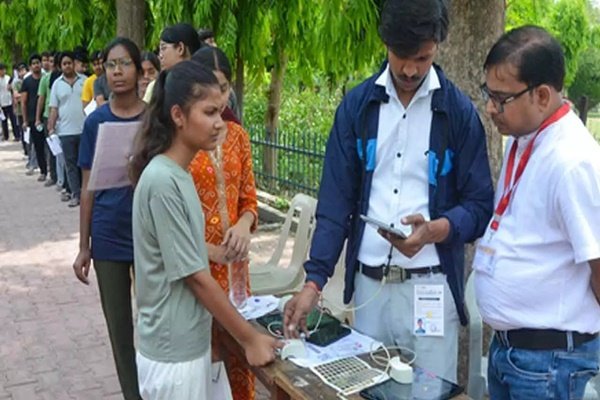
The Unique Identification Authority of India (UIDAI), in collaboration with the National Testing Agency (NTA) and the National Informatics Centre (NIC), conducted a Proof of Concept (PoC) for Aadhaar-based face authentication during NEET (UG) 2025 in New Delhi on May 5, 2025. The initiative aimed to test the feasibility, security, and effectiveness of face authentication for verifying candidate identities at examination centers.

This biometric technology was integrated into select NEET centres and demonstrated the potential to enhance exam security, curb impersonation, and offer a student-friendly verification method for large-scale national tests.

DRDO Successfully Conducts Maiden Trial of Stratospheric Airship Platform

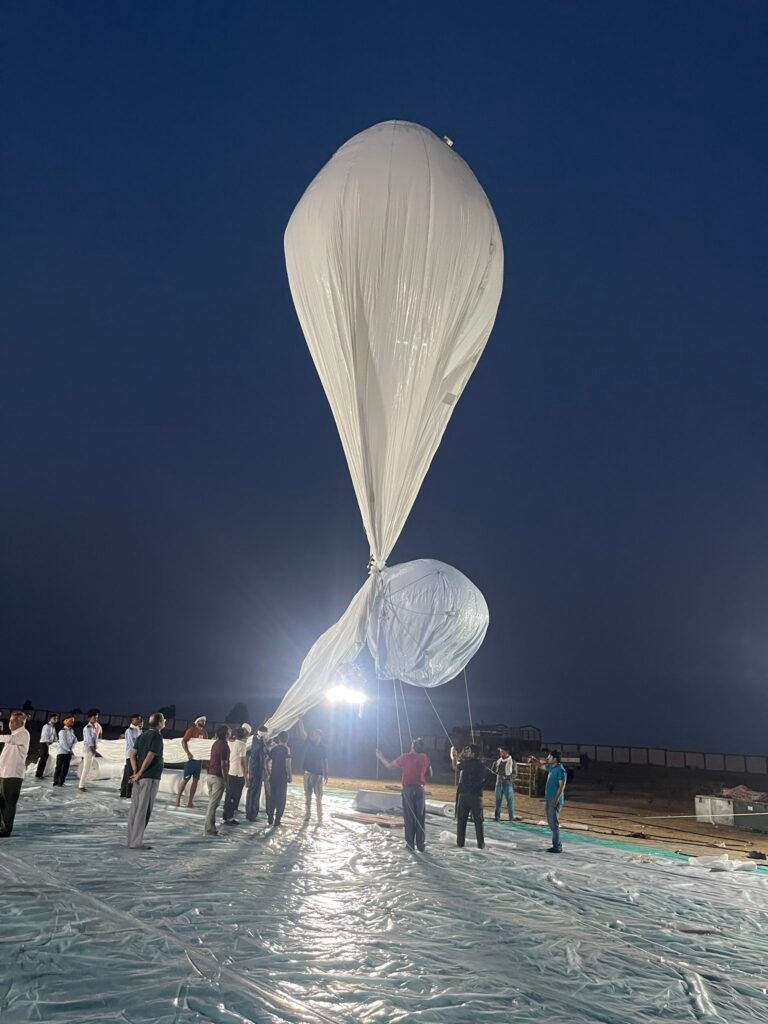
On May 3, 2025, the Defence Research and Development Organisation (DRDO) successfully conducted maiden flight-trials of a Stratospheric Airship Platform from the Sheopur Trial site in Madhya Pradesh. Developed by the Aerial Delivery Research and Development Establishment, Agra, the airship carried an instrumental payload to an altitude of approximately 17 kilometers.

Raksha Mantri Rajnath Singh congratulated DRDO, highlighting the system’s potential to enhance India’s earth observation, intelligence, surveillance, and reconnaissance capabilities. He noted that this innovation places India among the few countries with such indigenous high-altitude airship technology.

DRDO Chairman Dr. Samir V Kamat praised the team and called the trial a milestone in developing lighter-than-air platforms capable of long-endurance operations at stratospheric heights.

IAF Conducts First-Ever Day-Night Landing Exercise on Ganga Expressway in Uttar Pradesh

The Indian Air Force (IAF) demonstrated its operational readiness on May 2, 2025, with a major flypast and landing drill on the Ganga Expressway in Shahjahanpur, Uttar Pradesh. Conducted on a 3.5-kilometre-long airstrip, the exercise featured Rafale, Jaguar, and Mirage jets, testing the expressway’s capability as a wartime or emergency runway.

The Shahjahanpur airstrip is India’s first to support both day and night fighter aircraft landings, making it a strategic asset for defence. The event is being held in two phases—day and night, with low fly-pasts, take-offs, and landings, including drills from 7 PM to 10 PM.

Security was strengthened with the installation of 250 CCTV cameras, and the IAF assumed full control of the site in coordination with UPEIDA. This marks the first time any Indian expressway has been equipped for night landings, significantly boosting the IAF’s round-the-clock operational capability.

Namo Bharat Train Begins Final Trial Run to Modipuram on Delhi-Meerut RRTS Corridor

The National Capital Region Transport Corporation (NCRTC) began trial runs of the Namo Bharat train on May 1, 2025, on the final stretch of the Delhi-Ghaziabad-Meerut RRTS corridor, reaching Modipuram, the last station. This marked the first trial run through the underground section of Meerut, a major milestone in linking central Meerut with Delhi via high-speed rail.

Previously, trials were conducted only on either side of the currently operational segment between New Ashok Nagar–Sarai Kale Khan and Meerut South–Shatabdi Nagar. Civil work, electrification, track laying, and signalling have been completed along the full stretch from New Ashok Nagar to Modipuram.

Government to Include Caste Enumeration in Upcoming Census

On 30 April 2025, the central government announced that caste enumeration will be included in the upcoming population census. Information and Broadcasting Minister Ashwini Vaishnaw stated that while some states have done caste-based surveys, the census is a Union subject under Article 246, and only the central government has the authority to conduct it.

Vaishnaw said the new decision, under PM Modi’s leadership, aims for transparency and to avoid politicization. He emphasized it would strengthen the social and economic framework, citing the Modi government’s previous move of 10% EWS reservation as a step toward social justice.

Justice BR Gavai Appointed 52nd Chief Justice of India

Justice B.R. Gavai has been appointed as the 52nd Chief Justice of India (CJI), effective from May 14, 2025, following the retirement of incumbent CJI Sanjiv Khanna on May 13. The appointment was confirmed by a notification from the Union Ministry of Law and Justice. Justice Gavai will serve for over six months, retiring on November 23, 2025.

He was elevated to the Supreme Court in May 2019 after serving as a judge in the Bombay High Court since 2003. Before his judicial career, he practiced constitutional and administrative law and held various legal positions, including Government Pleader and Public Prosecutor at the Nagpur Bench of the Bombay High Court.

Jammu and Kashmir Assembly Condemns Pahalgam Terror Attack; Passes Resolution

On 28 April 2025, the Jammu and Kashmir Assembly passed a resolution condemning the terrorist attack in Pahalgam that killed 26 people. Moved by Deputy Chief Minister Surinder Choudhary, the session began with a two-minute silence to honor the victims.

The resolution stated that the attack was an assault on Kashmiriyat, the Constitution, and the spirit of unity, peace, and harmony in the region. It also honored Shaheed Syed Adil Hussain Shah, a pony ride operator who died while trying to save tourists.

The Assembly praised the resilience and unity shown by the people of Jammu and Kashmir after the attack and expressed support for the Centre’s diplomatic measures announced after the Cabinet Committee on Security meeting on 23 April.

India Signs ₹63,000 Crore Deal with France for 26 Rafale Marine Jets to Boost Naval Power

India and France signed a ₹63,000 crore defence agreement on 28 April 2025 for the acquisition of 26 Rafale Marine combat aircraft. The deal was signed at the Defence Ministry headquarters in New Delhi, after approval by the Cabinet Committee on Security.

France was represented by its Ambassador to India, and Defence Secretary Rajesh Kumar Singh led the Indian delegation. Both Defence Ministers attended remotely, with the French minister cancelling an in-person visit due to personal reasons.

The Indian Navy urgently needs new carrier-borne fighter jets to replace its aging MiG-29K fleet. The Rafale Marine aircraft will be deployed aboard INS Vikrant, India’s indigenous aircraft carrier.

The contract includes 22 single-seater and 4 twin-seater Rafale M jets, configured for Indian needs, along with maintenance support, logistics, training, and indigenous component manufacturing.

The Rafale M jets will operate alongside MiG-29Ks on INS Vikrant, enhancing naval capabilities. The Indian Air Force already operates 36 Rafale aircraft, and with this deal, India’s Rafale fleet will expand to 62, bolstering its 4.5-generation fighter jet strength.

INS Sunayna Strengthens Maritime Ties with Mauritius During Joint EEZ Surveillance

Indian Naval Ship (INS) Sunayna arrived at Port Louis, Mauritius, on April 26, 2025, after completing Phase I of Joint Exclusive Economic Zone (EEZ) surveillance with the National Coast Guard (NCG) Mauritius, the Ministry of Defence announced. This visit strengthens regional maritime cooperation and capacity-building with nations in the South Western Indian Ocean.

INS Sunayna, which sailed from Karwar on April 5, is carrying 44 naval personnel from nine Indian Ocean Region nations, including Mauritian officers and sailors. The ship and its multinational crew received a warm welcome from senior Mauritian officials and the Indian High Commission.

During the two-day port call, activities include official meetings, squadron visits, joint yoga sessions, trekking, and friendly sports events. The ship will also be open to public visitors. After Mauritius, INS Sunayna will begin Phase II of Joint EEZ surveillance and then sail to Seychelles.

INS Sunayna is a Saryu-class Naval Offshore Patrol Vessel equipped for anti-piracy, maritime surveillance, and humanitarian missions, featuring advanced weaponry, electronic warfare systems, and helicopter support.

Indus Waters Treaty (IWT): History and Recent Developments

The Indus Waters Treaty (IWT), signed in 1960 between India and Pakistan, governs the sharing of the Indus River system. Brokered by the World Bank, the treaty grants Pakistan control over the western rivers (Indus, Jhelum, and Chenab) while India retains rights over the eastern rivers (Ravi, Beas, and Sutlej). Despite tensions, the treaty has remained intact for over six decades.

Recent Developments

Following the Pahalgam terror attack on April 22, 2025, India has suspended the Indus Waters Treaty, citing Pakistan’s continued support for cross-border terrorism. The Indian government formally notified Pakistan of this decision, stating that the treaty’s fundamental assumptions have changed due to demographic shifts, clean energy needs, and security concerns.

India’s move has strategic implications, as it could disrupt Pakistan’s irrigation, reservoirs, and hydropower projects. The suspension also allows India to exercise greater control over water resources, including flushing reservoirs and modifying hydropower project designs.

Pakistan has retaliated diplomatically, suspending trade ties and visa agreements with India. The situation remains fluid, with India signaling that the treaty could be reinstated if Pakistan ceases its support for terrorism.

Dr. K. Kasturirangan, Former ISRO Chairman and NEP Architect, Passes Away at 84

Dr. K. Kasturirangan, former ISRO Chairman and a key contributor to India’s National Education Policy, passed away at age 84 at his residence in Bengaluru on April 25, 2025. As ISRO Chairman, he was instrumental in the development of the Polar Satellite Launch Vehicle (PSLV) and led the Indian Space Programme for over nine years, stepping down in August 2003.

He also served as Chancellor of JNU, Chairman of the Karnataka Knowledge Commission, Director of the National Institute of Advanced Studies, and was a Rajya Sabha member from 2003 to 2009.

DRDO Successfully Tests Scramjet Engine for Over 1,000 Seconds, Boosting Hypersonic Capabilities

The Defence Research and Development Organisation (DRDO) has achieved a major milestone in hypersonic technology by successfully conducting ground testing of an active cooled scramjet subscale combustor for over 1,000 seconds. This test, conducted at DRDL Hyderabad in a new state-of-the-art Scramjet Connect Test Facility, builds on a previous 120-second test in January.

The achievement brings India closer to developing a full-scale flight-worthy scramjet engine. Defence Minister Rajnath Singh praised the DRDO, industry, and academia, calling it a testament to India’s commitment to developing critical hypersonic weapon technologies.

Hypersonic cruise missiles, which travel at speeds over Mach 5, rely on air-breathing propulsion systems like scramjets, and this test validates both the long-duration combustor design and the new testing infrastructure.

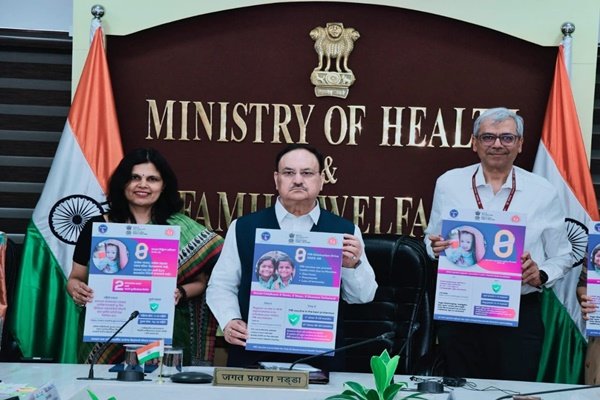
India Launches National Zero Measles-Rubella Campaign 2025–26 to Achieve Total Immunisation

The National Zero Measles-Rubella Elimination Campaign 2025–26 was launched on 24 April 2025 in New Delhi, marking the start of World Immunisation Week. The campaign aims to eliminate Measles and Rubella by 2026 by ensuring 100% immunisation coverage with two vaccine doses for children.

Health Minister J. P. Nadda, launching the campaign virtually, noted that 332 districts reported zero measles cases and 487 districts zero rubella cases from January to March 2025. He urged public involvement (Jan Bhagidari) and the participation of MLAs, MPs, and local leaders to spread awareness.

Measles and Rubella are highly infectious viral diseases that can lead to serious health issues or death. Under the Universal Immunisation Programme, vaccines are provided free of cost at 9–12 months and 16–24 months of age. In 2024, India recorded a 73% drop in Measles and a 17% drop in Rubella cases compared to 2023.

India Reacts to Pahalgam Terror Attack: Suspends Indus Waters Treaty and Closes Attari Check Post

Following the Pahalgam terror attack, the Indian government has implemented strong retaliatory measures. On April 23, 2025, the Cabinet Committee on Security (CCS), chaired by Prime Minister Narendra Modi, reviewed the situation and directed all security forces to remain on high alert.

India has suspended the Indus Waters Treaty (1960) and shut down the Integrated Check Post at Attari with immediate effect. Additionally, Pakistani nationals are no longer permitted to travel to India under the SAARC Visa Exemption Scheme (SVES), and previously issued SVES visas to them are now cancelled. Pakistani nationals in India under this visa scheme must leave the country within 48 hours.

The CCS highlighted the cross-border links of the terror attack, which coincided with Jammu and Kashmir’s peaceful elections and developmental progress. The attack was condemned strongly, and international support has poured in, with many countries expressing solidarity and a zero-tolerance stance on terrorism.

Terrorist Attack in Pahalgam, Jammu & Kashmir

On April 22, 2025, a terrorist attack in Pahalgam, Jammu and Kashmir, left the nation in shock. Armed militants opened fire on tourists at Baisaran, a scenic meadow, resulting in at least 24 civilian deaths and multiple critical injuries.

The attack, described as one of the worst in recent years, has sparked widespread shock and outrage across India. No group has claimed responsibility yet.

Prime Minister Narendra Modi has cut short his Saudi Arabia visit to return to Delhi and address the situation. Jammu and Kashmir Chief Minister Omar Abdullah called the incident “much larger than anything we’ve seen directed at civilians in recent years.”

Although Kashmir has experienced a long-running insurgency, attacks specifically targeting tourists are rare, making this tragedy even more alarming.

UPSC Civil Services Exam 2024: Shakti Dubey Secures Top Rank

On April 22, 2025, the Union Public Service Commission (UPSC) officially announced the final results of the Civil Services Examination 2024. This prestigious exam, known for its rigorous selection process, determines candidates for key administrative positions in the Indian Administrative Service (IAS), Indian Police Service (IPS), Indian Foreign Service (IFS), and other central services.

Highlights of the Results:

  • Top Ranker: Shakti Dubey secured the first position.
  • Diversity in Selection: Among the successful candidates, 11 women made it to the top 25.
  • Muslim Representation: A total of 26 Muslim candidates featured among the toppers.
  • Complete List: The full list of successful candidates is available online.

The UPSC Civil Services Examination is widely regarded as one of the toughest exams in India, requiring years of preparation and dedication. The announcement of results marks a significant milestone for aspirants who have worked tirelessly to achieve their dreams of serving the nation.

PM Modi Begins Two-Day Visit to Saudi Arabia on April 22, 2025

Prime Minister Narendra Modi departed for a two-day official visit to Saudi Arabia on April 22, 2025, aiming to strengthen the growing strategic partnership between the two nations. In his departure statement, he highlighted the importance of India-Saudi Arabia ties, which now encompass defence, trade, investment, energy, and people-to-people connections.

PM Modi emphasized his intent to engage with the Indian diaspora in Saudi Arabia and attend the 2nd Meeting of the Strategic Partnership Council, building on Prince Mohammed bin Salman’s 2023 visit to India.

He is set to arrive in Jeddah, marking the first visit by an Indian Prime Minister to the commercial hub in over 40 years. The visit includes a factory tour and interaction with Indian workers.

India’s investments in Saudi Arabia reached around USD 3 billion by August 2023, spanning key sectors like IT, telecom, pharmaceuticals, construction, and consultancy, underlining the countries’ deepening economic cooperation.

Indian Air Force Joins Exercise Desert Flag-10 in UAE

A contingent of the Indian Air Force (IAF) has arrived at Al Dhafra Air Base in the UAE to participate in Exercise Desert Flag-10. The multinational air combat exercise is hosted by the UAE Air Force and includes participation from the air forces of Australia, Bahrain, France, Germany, Qatar, Saudi Arabia, Republic of Korea, Turkey, UAE, the United Kingdom, and the United States, along with India.

The exercise commenced on April 21, 2025, and will continue until May 8, 2025. Its primary objective is to conduct complex fighter engagements and promote the exchange of operational knowledge and best practices among some of the world’s most advanced air forces.

CRPF Celebrates 86th Raising Day in Neemuch, Madhya Pradesh

The 86th Raising Day of the Central Reserve Police Force (CRPF) was celebrated on April 17, 2025, in Neemuch, Madhya Pradesh, the birthplace of the CRPF. This day marks the establishment of the CRPF, originally formed as the Crown Representative Police on July 27, 1939, and renamed as the CRPF on December 28, 1949, under the leadership of Sardar Vallabhbhai Patel.

Union Home Minister Amit Shah, the chief guest at the event, highlighted the CRPF’s pivotal role in maintaining internal security, combating terrorism, and eradicating Naxalism. He announced that Naxalism, which has been confined to just four districts, will be completely eliminated by March 31, 2026, with the CRPF, especially its elite CoBRA battalion, leading the mission.

The celebrations included a ceremonial parade, mock drills, and skill displays by CRPF personnel, showcasing their preparedness and dedication. Tributes were paid to the fallen heroes who sacrificed their lives for the nation’s unity and integrity.

The CRPF, with over 246 battalions, continues to play a vital role in ensuring peace and security across the country, from counter-terrorism operations in Jammu and Kashmir to maintaining order in the Northeast.

India’s First Onboard ATM Installed on Panchvati Express

Indian Railways has introduced the first-ever onboard ATM on the Panchvati Express running between Manmad and CSMT, Mumbai, as part of a pilot project. The ATM, installed in an air-conditioned chair car coach, was created by converting a mini pantry space with secure fittings and safety measures.

The initiative, led by Railway Minister Ashwini Vaishnaw, aims to enhance passenger convenience and explore new sources of non-fare revenue. If successful, similar ATMs may be introduced on other long-distance and high-traffic trains.

India-Uzbekistan Joint Military Exercise DUSTLIK-6 Begins in Pune

The 6th edition of India-Uzbekistan Joint Military Exercise DUSTLIK-6 began on 16 April 2025 at the Foreign Training Node, Aundh, Pune, Maharashtra. The Indian contingent, represented by a JAT Regiment battalion and the Indian Air Force, is participating alongside personnel from the Uzbekistan Army.

This annual bilateral exercise, held alternately in India and Uzbekistan, aims to strengthen defence cooperation and share best practices in Joint Sub-Conventional Operations. The exercise will continue until 28 April 2025.

Record High Cargo Traffic on National Waterways in FY 2024-25

India’s National Waterways achieved a record cargo traffic of 145.5 million tonnes in the Financial Year 2024-25. The Ministry of Ports, Shipping and Waterways highlighted a compound annual growth rate of 20.86% in cargo traffic during the last fiscal year. Additionally, traffic movement in FY 2025 showed a 9.34% year-on-year growth compared to FY 2024. Five major commodities—coal, iron ore, iron ore fines, sand, and fly ash—accounted for over 68% of the total cargo transported on National Waterways.

List of Important Waterways in India:

  1. National Waterway 1 (NW-1): Ganga-Bhagirathi-Hooghly River System (1620 km) – Uttar Pradesh, Bihar, Jharkhand, West Bengal.
  2. National Waterway 2 (NW-2): Brahmaputra River (891 km) – Assam.
  3. National Waterway 3 (NW-3): West Coast Canal (205 km) – Kerala.
  4. National Waterway 4 (NW-4): Kakinada Canal and Godavari-Krishna River System (1095 km) – Andhra Pradesh, Tamil Nadu, Puducherry.
  5. National Waterway 5 (NW-5): Brahmani-Mahanadi Delta Rivers (623 km) – Odisha, West Bengal.

India Demonstrates Laser Weapon System, Joins Elite Global Powers

For the first time, India has successfully demonstrated a 30-kilowatt laser-based weapon system, capable of shooting down fixed-wing aircraft, missiles, and swarm drones. With this achievement, India joins an elite group of countriesthe US, China, and Russia—that have demonstrated such Directed Energy Weapon (DEW) capabilities.

The Centre for High Energy Systems & Sciences (CHESS), under DRDO, conducted the field demonstration of the land-based, vehicle-mounted Laser Directed Weapon DEW MK-II(A) at Kurnool, Andhra Pradesh.

The system successfully disabled surveillance sensors and caused structural damage to fixed-wing UAVs and swarm drones. DRDO Chairman Dr. Samir V. Kamat called it just the beginning, highlighting ongoing projects in high-energy microwaves, electromagnetic pulses, and other futuristic Star Wars-like defense technologies.

DRDO Successfully Tests Indigenous Long-Range Glide Bomb ‘Gaurav’ with Su-30 MKI

The Defence Research and Development Organisation (DRDO) successfully conducted release trials of the Long-Range Glide Bomb ‘Gaurav’ from a Su-30 MKI aircraft on 12 April 2025.

The Gaurav bomb demonstrated a range close to 100 km with high accuracy during the trials, according to the Defence Ministry.

Gaurav is a 1000-kg class indigenously developed glide bomb, designed by Research Centre Imarat (RCI), Armament Research and Development Establishment (ARDE), and the Integrated Test Range (ITR), Chandipur, Odisha.

Senior officials from DRDO and the Indian Air Force (IAF) were present and reviewed the trials.

Defence Minister Rajnath Singh praised DRDO, IAF, and industry for the successful development, stating that Gaurav will significantly enhance the Armed Forces’ capabilities. DRDO Chairman Dr. Samir V Kamat also congratulated the DRDO team on the successful trials.

Tahawwur Rana Extradited to India: Major Breakthrough in 26/11 Mumbai Terror Case

Tahawwur Rana, a key conspirator in the 26/11 Mumbai terror attacks, was extradited to India on April 9, 2025. A Canadian national of Pakistani origin, Rana aided David Headley in conducting reconnaissance for the attacks. He will be in NIA custody for 18 days for interrogation.

His extradition, following failed legal appeals in the U.S., marks a major step in India’s pursuit of justice. This move highlights global cooperation against terrorism and may reveal further details about the 2008 attacks that killed 166 people and injured over 238.

India Approves Purchase of 26 Rafale Jets for Navy

On April 9, 2025, India approved the acquisition of 26 Rafale fighter jets from France to strengthen its naval capabilities amid growing Chinese presence in the Indian Ocean. The deal, estimated at ₹630 billion (approx. $7 billion), includes 22 single-seater and 4 twin-seater jets from Dassault Aviation.

Approved by the Cabinet Committee on Security chaired by Prime Minister Narendra Modi, the agreement is expected to be signed soon, with France’s defence minister likely to visit India beforehand. This move aligns with India’s goals to modernize its military, reduce dependence on Soviet-origin systems, and bolster defence ties with France, its second-largest arms supplier.

India’s First Vertical-Lift Sea Bridge: Connecting Rameswaram Island to Mainland India

On April 6, 2025, Prime Minister Narendra Modi inaugurated the New Pamban Bridge in Tamil Nadu, India’s first vertical-lift sea bridge, marking a major milestone in the country’s infrastructure and engineering capabilities. Spanning 2.07 km across the Palk Strait, the bridge enhances connectivity between Rameswaram Island and mainland India, replacing the original 1914 structure.

The bridge was built by Rail Vikas Nigam Limited (RVNL) and offers improved vertical clearance for maritime traffic, as demonstrated by the successful passage of an Indian Coast Guard boat and a train during the event. The project was sanctioned in 2019, is three metres taller than the original, and designed for higher speed, load capacity, and durability.

Union Railway Minister Ashwini Vaishnaw and Tamil Nadu Governor RN Ravi joined the inauguration. Vaishnaw also marked the BJP’s foundation day by hoisting the party flag. The New Pamban Bridge symbolizes India’s leap in infrastructure, standing alongside global engineering icons like the Golden Gate and Tower Bridge.

Scroll to Top