The festival of colors, Holi, was celebrated with immense enthusiasm across India on 14 March 2025. Streets were filled with vibrant hues, people danced to festive beats, and traditional sweets added to the joy of the occasion.
🌸 Highlights from Across India:
🔹 Uttar Pradesh: From Braj Mandal to Ayodhya Dham, Holi was celebrated with grandeur. CM Yogi Adityanath, while flagging off the Bhagwan Nrisinh Vishwa Yatra in Gorakhpur, emphasized that festivals should symbolize harmony, peace, and equality.
🔹 Unity in Diversity: People from all communities—Hindus, Muslims, and Sikhs—joined the celebrations, applying colors, dancing together, and sharing sweets, showcasing India’s cultural harmony.
🔹 Security Forces Join the Festivities: The Army, BSF, and CRPF personnel celebrated Holi even at forward locations, adding warmth and joy to the occasion.
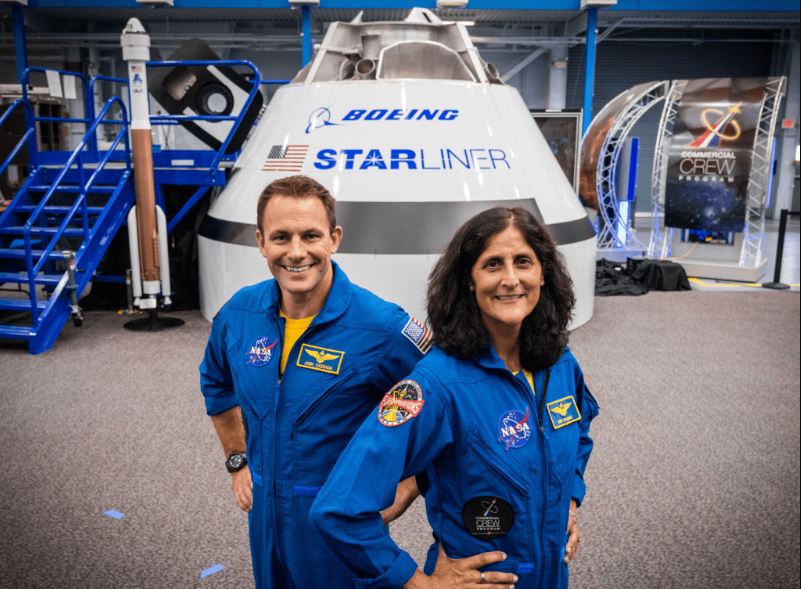
SpaceX and NASA have launched the Crew-10 mission to bring back US astronauts Sunita Williams and Butch Wilmore, who have been stranded on the International Space Station (ISS) for nine months.
This mission not only aims to rescue Williams and Wilmore but also delivers four new astronauts to the ISS: ✅ Anne McClain & Nichole Ayers (NASA) ✅ Takuya Onishi (JAXA – Japan) ✅ Kirill Peskov (Roscosmos – Russia)
Why Were Williams & Wilmore Stranded?
🛰️ They arrived at the ISS in June 2024 aboard Boeing’s Starliner capsule, which was meant to be a short test flight. ⚠️ However, helium leaks & thruster failures led to months of investigation, delaying their return.
NASA & Boeing’s Efforts
After extensive analysis, NASA and Boeing, along with SpaceX, devised a solution to safely return the astronauts. The Crew-10 mission is a significant step in ensuring the success of future space operations.
History of Modern India MCQ questions for Competitive Exams. Important MCQs from the previous year exam question paper of SSC, UPSSSC and other govt jobs examinations.
Modern Indian History MCQs
European Companies
Q.1 What is the name of the fort built by the British in Calcutta? a) Fort St. David b) Fort St. Andrew c) Fort William d) Fort Victoria
Answer
Answer: c) Fort William
Q.2 Which was the first trading center established by the British? a) Calcutta b) Surat c) Madras d) Bombay
Answer
Answer: b) Surat
Q.3 Which of the following is not a French settlement in India? a) Pondicherry b) Mahe c) Goa d) Chandernagore
Answer
Answer: c) Goa
Q.4 In 1651, where did the Mughal rulers allow the East India Company to trade and build a factory in Bengal? a) Calcutta b) Kasim Bazar c) Singur d) Bardhaman
Answer
Answer: b) Kasim Bazar
Q.5 Who introduced the cultivation of potatoes in India? a) The British b) The Dutch c) The Portuguese d) The French
Answer
Answer: c) The Portuguese
Q.6 Which of the following was the main headquarters of the Portuguese in India? a) Cochin b) Goa c) Calicut d) Kannur
Answer
Answer: b) Goa
Q.7 When was the French East India Company founded? a) 1600 AD b) 1620 AD c) 1664 AD d) 1604 AD
Answer
Answer: c) 1664 AD
Q.8 Which European nation was the first to establish and influence trade in India? a) British b) French c) Dutch d) Portuguese
Answer
Answer: d) Portuguese
Q.9 Who discovered the sea route to India via the Cape of Good Hope? a) Vasco da Gama b) Amundsen c) Christopher Columbus d) John Cabot
Answer
Answer: a) Vasco da Gama
Q.10 Who was the greatest Portuguese governor who laid the real foundation of Portuguese power in India? a) Almeida b) Francis Drake c) Albuquerque d) Vasco da Gama
Answer
Answer: c) Albuquerque
Regional State
Q.11 Which of the following treaties did Tipu Sultan sign with the British to end the Third Anglo-Mysore War? a) Treaty of Mangalore b) Treaty of Srirangapatnam c) Treaty of Mysore d) Treaty of Bidnur
Answer
b) Treaty of Srirangapatnam
Q.12 Who founded the ‘Khalsa’? a) Guru Gobind Singh b) Guru Ramdas c) Guru Nanak d) Arjun Dev
Answer
a) Guru Gobind Singh
Q.13 The Baisakhi festival of 1999 holds special historical significance for Punjab because – a) It marks the 300th anniversary of the founding of the Khalsa b) It is the last festival of the 20th century c) A large number of non-resident Indians are participating d) None of the above
Answer
a) It marks the 300th anniversary of the founding of the Khalsa
Q.14 Who initiated the military sect of Sikhs known as ‘Khalsa’? a) Har Rai b) Har Kishan c) Gobind Singh d) Tegh Bahadur
Answer
c) Gobind Singh
Q.15 Where was Guru Nanak born? a) Gurdaspur b) Amritsar c) Lahore d) Talwandi
Answer
d) Talwandi
Q.16 Lahore was Ranjit Singh’s political capital. Which city was known as his religious capital? a) Amritsar b) Anandpur Sahib c) Gujranwala d) Peshawar
Answer
a) Amritsar
Q.17 Which Governor-General greeted Ranjit Singh with great honor at Ropar? a) Minto I b) William Bentinck c) Hastings d) Auckland
Answer
b) William Bentinck
Q.18 Which Mughal emperor among the following overthrew the Sayyid Brothers? a) Bahadur Shah I b) Rafi-ud-Daulah c) Shah Jahan II d) Muhammad Shah
Answer
d) Muhammad Shah
Q.19 In which of the following battles did Nadir Shah defeat Mughal Emperor Muhammad Shah? a) Delhi b) Karnal c) Panipat d) Kanpur
Answer
b) Karnal
Q.20 Which Governor fought against Tipu Sultan in the Third Mysore War? a) Lord Wellesley b) Lord Dalhousie c) Lord Cornwallis d) Lord Wellington
Answer
c) Lord Cornwallis
Q.21 In which year did the British annex Punjab? a) 1828 b) 1831 c) 1849 d) 1856
Answer
c) 1849
Q.22 Who among the following was the Portuguese who captured Goa? a) Francisco de Almeida b) Afonso de Albuquerque c) Vasco da Gama d) Roberto de Nobili
Answer
b) Afonso de Albuquerque
Q.23 Which of the following countries was Indonesia a colony of? a) Dutch b) Spain c) Portugal d) Belgium
Answer
a) Dutch
Q.24 In which of the following battles did the British completely defeat the French? a) Battle of Wandiwash b) Battle of Buxar c) Battle of Plassey d) Battle of Adyar
Answer
a) Battle of Wandiwash
Cultural and Social Reform Movements
Q.25 Arya Samaj is against which of the following? a) The existence of God b) Religious rituals and idol worship c) Hinduism d) Islam
Answer
Answer: b) Religious rituals and idol worship
Q.26 Who founded the Ramakrishna Mission? a) Vivekananda b) Ramakrishna c) M.G. Ranade d) Keshavchandra Sen
Answer
Answer: a) Vivekananda
Q.27 Who was the first to propose the concept of Basic Education? a) Jawaharlal Nehru b) Raja Rammohan Roy c) Mahatma Gandhi d) Dayanand Saraswati
Answer
Answer: c) Mahatma Gandhi
Q.28 Who founded the Muhammadan Anglo-Oriental College in Aligarh? a) Muhammad Ali Jinnah b) Muhammad Ali c) Shaukat Ali d) Sir Syed Ahmed Khan
Answer
Answer: d) Sir Syed Ahmed Khan
Q.29 Who is called the ‘Prophet of New India’? a) Dayanand Saraswati b) Sri Ramakrishna c) Raja Rammohan Roy d) Swami Vivekananda
Answer
Answer: c) Raja Rammohan Roy
Q.30 Who among the following was a pioneer in social reform movements in 19th century India? a) Aurobindo Ghosh b) Raja Rammohan Roy c) Devendranath Tagore d) Keshavchandra Sen
Answer
Answer: b) Raja Rammohan Roy
Q.31 Who was the founder of ‘Prarthana Samaj’? a) Ramakrishna Paramahamsa b) Swami Vivekananda c) Atmaram Pandurang d) Dayanand Saraswati
Answer
Answer: c) Atmaram Pandurang
Q.32 Whose main efforts led to the abolition of the Sati practice? a) British Viceroy b) Raja Rammohan Roy c) Religious preachers d) Maharshi Karve
Answer
Answer: b) Raja Rammohan Roy
Q.33 Raja Rammohan Roy organized a historic movement against which of the following? a) Caste system b) The evil practice of Sati c) The degrading status of women in society d) Following unnecessary religious rituals
Answer
Answer: b) The evil practice of Sati
Q.34 Why did Gandhi oppose the Communal Award, and what was the reason behind it? a) Communal bias b) It would create differences within Hindu society c) Economic deterioration of India d) Destruction of handicrafts
Answer
Answer: b) It would create differences within Hindu society
Q.35 Which among the following was the first commission to focus on primary and secondary education in India? a) Macaulay Commission b) Charles Commission c) Hunter Commission d) Bentinck Commission
Answer
Answer: b) Charles Commission
Q.36 ‘Sarvodaya’ means: a) Complete revolution b) Non-cooperation c) Upliftment of all d) Non-violence
Answer
Answer: c) Upliftment of all
Q.37 Who was the founder of the Asiatic Society of Bengal (established in 1784)? a) Warren Hastings b) Sir William Jones c) Sir James Mackintosh d) James Prinsep
Answer
Answer: b) Sir William Jones
Q.38 The 19th-century Indian Renaissance was limited to which of the following classes? a) Royal class b) Upper middle class c) Wealthy farmers d) Urban landlords (landowners)
Answer
Answer: b) Upper middle class
Q.39 The Indian Universities Act of 1904 was passed under the dominion of which Viceroy? a) Lord Lytton b) Lord Curzon c) Lord Ripon d) Lord Hardinge-I
Answer
Answer: b) Lord Curzon
Nicknames, Statements, and Books
Q.40 Who composed Gandhiji’s favorite song “Vaishnav Jan To…”? a) Narsi Mehta b) Premanand c) Chunilal d) Dharmik Lal
Answer
Answer: a) Narsi Mehta
Q.41 Who is the author of the book “The Indian War of Independence”? a) Krishna Varma b) Madal Kamma c) B.G. Tilak d) V.D. Savarkar
Answer
Answer: d) V.D. Savarkar
Q.42 Who developed the idea that “means justify the ends”? a) Kautilya b) Raja Rammohan Roy c) Swami Dayanand Saraswati d) Mahatma Gandhi
Answer
Answer: d) Mahatma Gandhi
Q.43 Who is referred to as the ‘Nightingale of India’? a) Vijayalakshmi Pandit b) Sarojini Naidu c) Aruna Asaf Ali d) Sucheta Kriplani
Answer
Answer: b) Sarojini Naidu
Q.44 Who is known as the ‘Bismarck of India’? a) Vallabhbhai Patel b) Subhas Chandra Bose c) Bhagat Singh d) Bal Gangadhar Tilak
Answer
Answer: a) Vallabhbhai Patel
Q.45 Who first estimated the national income of India? a) Mahalanobis b) Dadabhai Naoroji c) V.K.R.V. Rao d) Sardar Patel
Answer
Answer: b) Dadabhai Naoroji
Q.46 Who was the first Indian to be elected to the British House of Commons? a) Lord Sinha b) S.N. Tagore c) W.C. Banerjee d) Dadabhai Naoroji
Answer
Answer: d) Dadabhai Naoroji
Q.47 Who propounded the theory of ‘Drain of Wealth’ from India to Britain? a) Gopal Krishna Gokhale b) Dadabhai Naoroji c) Surendranath Banerjee d) Lala Lajpat Rai
Answer
Answer: b) Dadabhai Naoroji
Q.48 Gandhi is considered as – a) Philosophical Anarchist b) Original Anarchist c) Marxist d) Fabian
Answer
Answer: a) Philosophical Anarchist
Q.49 Who is the author of the book ‘Anandmath’? a) Rabindranath Tagore b) Bankim Chandra Chattopadhyay c) Sarojini Naidu d) Sri Aurobindo
Answer
Answer: b) Bankim Chandra Chattopadhyay
Q.50 Who referred to Mahatma Gandhi as the “Half-naked Fakir”? a) Winston Churchill b) Lord Mountbatten c) Lord Wavell d) Lord Linlithgow
Answer
Answer: a) Winston Churchill
Q.51 During which movement did Gandhi give the slogan “Do or Die” to the nation? a) Rowlatt Satyagraha b) Salt Satyagraha c) Quit India Movement d) Non-Cooperation Movement
Answer
Answer: c) Quit India Movement
Q.52 Who gave the famous slogan “Do or Die”? a) Mahatma Gandhi b) Vallabhbhai Patel c) Jawaharlal Nehru d) Rajiv Gandhi
Answer
Answer: a) Mahatma Gandhi
Q.53 Who called for a return to the Vedas? a) Swami Vivekananda b) Swami Dayanand Saraswati c) Aurobindo Ghosh d) Raja Ram Mohan Roy
Answer
Answer: b) Swami Dayanand Saraswati
Q.54 Who was the first European to translate the Bhagavad Gita into English? a) Sir Alexander Cunningham b) William Jones c) Charles Wilkins d) James Prinsep
Answer
Answer: c) Charles Wilkins
Q.55 Who compiled the holy book of the Sikhs, the ‘Adi Granth’? a) Guru Tegh Bahadur b) Guru Nanak c) Guru Arjun Dev d) Guru Angad
Answer
Answer: c) Guru Arjun Dev
Q.56 What was the main goal of Jyotiba Phule’s ‘Satyashodhak Samaj’ in the last century? a) To protect lower castes from the exploitative Brahmins and their opportunistic religious texts b) To attack the caste system c) To lead the anti-landlord and anti-moneylender rebellion in Satara d) To demand separate representation for untouchables
Answer
Answer: a) To protect lower castes from exploitative Brahmins
Q.57 After the Urdu weekly ‘Al-Hilal’ started by Maulana Abul Kalam Azad in 1912 was banned by the government, when did he establish ‘Al-Balagh’? a) In 1913 b) In 1914 c) In 1915 d) In 1916
Answer
Answer: a) In 1913
Q.58 Who is associated with the title ‘Deshbandhu’? a) B.R. Ambedkar b) C.R. Das c) V.C. Pal d) Rabindranath Tagore
Answer
Answer: b) C.R. Das
Q.59 Whose famous statement is “Swaraj is my birthright and I shall have it”? a) Mahatma Gandhi b) Bhagat Singh c) Lokmanya Tilak d) Jawaharlal Nehru
Answer
Answer: c) Lokmanya Tilak
Q.60 Who was the editor of ‘Young India’ and ‘Harijan’? a) Nehru b) Ambedkar c) Mahatma Gandhi d) Subhas Chandra Bose
Answer
Answer: c) Mahatma Gandhi
Q.61 Who composed the famous national song ‘Vande Mataram’? a) Rabindranath Tagore b) Sarat Chandra Chattopadhyay c) Bankim Chandra Chattopadhyay d) Surendranath Bandopadhyay
Answer
Answer: c) Bankim Chandra Chattopadhyay
Q.62 Who is associated with the title “Frontier Gandhi”? a) Mohandas K. Gandhi b) Abdul Wali Khan c) Khan Abdul Ghaffar Khan d) Lala Lajpat Rai
Answer
Answer: c) Khan Abdul Ghaffar Khan
Q.63 Who is famously known as the “Lady with the Lamp”? a) Sarojini Naidu b) Florence Nightingale c) Indira Gandhi d) Mayawati
Answer
Answer: b) Florence Nightingale
Q.64 Who wrote the patriotic song “Sare Jahan Se Achha”? a) Mohammad Iqbal b) Bahadur Shah Zafar c) Amir Khusro d) Mirza Ghalib
Answer
Answer: a) Mohammad Iqbal
Q.65 Which of the following works is not associated with Mahatma Gandhi? a) My Experiments with Truth b) Harijan c) The Holy Family d) Hind Swaraj
Answer
Answer: c) The Holy Family
Q.66 What was the name of the first newspaper published in India? a) The Calcutta Chronicle b) The Calcutta Gazette c) The Oriental Magazine of Calcutta d) The Bengal Gazette
Answer
Answer: d) The Bengal Gazette
Q.67 Who said, “Give me blood, and I will give you freedom”? a) Subhas Chandra Bose b) Lala Lajpat Rai c) Bal Gangadhar Tilak d) Sardar Vallabhbhai Patel
Answer
Answer: a) Subhas Chandra Bose
Q.68 Match the following:
(A) Abdul Ghaffar Khan
1. Mahatma
(B) Dadabhai Naoroji
2. Frontier Gandhi
(C) Mohandas Karamchand Gandhi
3. Grand Old Man of India
(D) Rabindranath Tagore
4. Gurudev
a) A-3, B-1, C-4, D-2 b) A-2, B-3, C-1, D-4 c) A-4, B-2, C-1, D-3 d) A-2, B-1, C-3, D-4
Answer
b) A-2, B-3, C-1, D-4
Q.69 Under what name was the song ‘Jana Gana Mana,’ written by Rabindranath Tagore, first published in January 1912? a) Rashtra Jagriti b) Tatva Bodhini c) Bharat Bhagya Vidhata d) None of the above
Answer
Answer: c) Bharat Bhagya Vidhata
Revolutionary Activities: History of Modern India MCQ
Q.70 Which of the following revolutionaries was sentenced to death by the British? a) Jatin Das b) Chandrashekhar Azad c) Rajguru d) Kalpana Dutt
Answer
Answer:c) Rajguru
Q.71 Who was the author of the play ‘Neel Darpan,’ which depicted the revolt of indigo farmers? a) Dinabandhu Mitra b) Bankim Chandra Chatterjee c) Rabindranath Tagore d) Nabin Chandra Sen
Answer
Answer:a) Dinabandhu Mitra
Q.72 Which of the following novels became a source of inspiration for Indian freedom fighters? a) Pariksha Guru b) Anandamath c) Rangbhoomi d) Padmarag
Answer
Answer: b) Anandamath
Q.73 Who was the leader of the armed attack on the Chittagong government armory in 1930? a) Chandrashekhar Azad b) Bhagat Singh c) Surya Sen d) Sukhdev
Answer
Answer: c) Surya Sen
Q.74 Which of the following British personalities acknowledged that the revolt of 1857 was a national uprising? a) Lord Dalhousie b) Lord Canning c) Lord Ellenborough d) Disraeli
Answer
Answer: d) Disraeli
Q.75 Where is ‘India House’ located? a) New Delhi b) Kolkata c) London d) New York
Answer
Answer: c) London
Q.76 Against whom was the Lahore Conspiracy Case registered? a) V.D. Savarkar b) Bhagat Singh c) Chandrashekhar Azad d) Aurobindo Ghosh
Answer
Answer: b) Bhagat Singh
Q.77 Who was a prominent leader of the Ghadar Party? a) P. Mitra b) Lala Har Dayal c) Bal Gangadhar Tilak d) Bipin Chandra Pal
Answer
Answer: b) Lala Har Dayal
Q.78 Har Dayal, a great intellectual, was associated with: a) Home Rule Movement b) Ghadar Movement c) Swadeshi Movement d) Non-Cooperation Movement
Answer
Answer: b) Ghadar Movement
Q.79 Who founded the Indian National Party in Berlin in 1914? a) Subhash Chandra Bose b) W.C. Bonnerjee c) Surendranath Banerjee d) Champakaraman Pillai
Answer
Answer: d) Champakaraman Pillai
Q.80 In which region was Birsa Munda’s movement against the British taking place? a) Punjab b) Chota Nagpur c) Terai d) Manipur
Answer
Answer: b) Chota Nagpur
1857 Revolution
Q.81 Who among the following leaders was the first to sacrifice his life in 1857? a) Kunwar Singh b) Tatya Tope c) Rani Lakshmibai of Jhansi d) Mangal Pandey
Answer
d) Mangal Pandey
Q.82 When did the British government start directly ruling India? a) After the Battle of Plassey b) After the Battle of Panipat c) After the Mysore Wars d) After the Sepoy Mutiny
Answer
d) After the Sepoy Mutiny
Q.83 The administrative outcome of the 1857 rebellion was the transfer of power from: a) East India Company to the British Crown b) British Crown to the East India Company c) East India Company to the Governor-General d) British Crown to the Board of Directors
Answer
a) East India Company to the British Crown
Q.84 Who was the Governor-General of India during the 1857 rebellion? a) Lord Dalhousie b) Lord Canning c) Lord Mayo d) Lord Ripon
Answer
b) Lord Canning
Q.85 Arrange the following places where the 1857 rebellion took place in the correct order: 1)Jhansi 2)Meerut 3)Delhi 4)Barrackpore a) 1, 2, 3, 4 b) 1, 2, 4, 3 c) 2, 3, 4, 1 d) 4, 2, 3, 1
Answer
d) 4, 2, 3, 1
Q.86 Who among the following advocated reconciliation between the British and Muslims while analyzing the causes of the 1857 revolt? a) Syed Ahmad Barelvi b) Shah Waliullah c) Sir Syed Ahmad Khan d) Syed Amir Ali
Answer
c) Sir Syed Ahmad Khan
Q.87 Who led the 1857 rebellion in Lucknow? a) Kunwar Singh b) Tatya Tope c) Rani Lakshmibai d) Hazrat Mahal
Answer
d) Hazrat Mahal
Q.88 Where was the royal court held on 1st November 1858 to issue the Queen’s Proclamation? a) Lucknow b) Kanpur c) Delhi d) Allahabad
Answer
d) Allahabad
Q.89 What was Nana Sahib’s second name? a) Ramchandra Panduranga b) Dhondu Pant c) Tatya Tope d) Kunwar Singh
Answer
b) Dhondu Pant
Q.90 Which of the following events inspired the British monarch to take control of Indian administration? a) Battle of Plassey b) Battle of Buxar c) Violent War d) Sepoy Mutiny
Answer
d) Sepoy Mutiny
Governor General
Q.91 Who attended the Imperial Durbar of 1877 wearing hand-spun Khadi clothes? a) M.K. Gandhi b) Bal Gangadhar Tilak c) Bipin Chandra Pal d) G.V. Joshi
Answer
d) G.V. Joshi
Q.92 Who among the following introduced the Permanent Settlement of Bengal? a) Clive b) Hastings c) Wellesley d) Cornwallis
Answer
d) Cornwallis
Q.93 Who introduced the ‘Ryotwari System’ in the then Madras Presidency during British rule? a) Macartney b) Elphinstone c) Thomas Munro d) John Lawrence
Answer
c) Thomas Munro
Q.94 Who was the first Governor-General of Bengal? a) Lord Clive b) Warren Hastings c) Lord John Shore d) Lord Cornwallis
Answer
b) Warren Hastings
Q.95 Why did the British introduce railways in India? a) To promote heavy industries in India b) To facilitate British commerce and administrative control c) To transport food grains during famines d) So that Indians could travel freely within the country
Answer
b) To facilitate British commerce and administrative control
Q.96 In which year was the first telegraph line between Calcutta and Agra opened? a) 1852 b) 1853 c) 1854 d) 1855
Answer
b) 1853
Q.97 Which Indian state was not annexed by the “Doctrine of Lapse”? a) Satara b) Nagpur c) Jhansi d) Punjab
Answer
d) Punjab
Q.98 Who was the first Indian selected for the Indian Civil Service? a) Satyendranath Tagore b) Sarojini Naidu c) Lala Lajpat Rai d) C.R. Das
Answer
a) Satyendranath Tagore
Q.99 Which Governor introduced civil services in India for the first time? a) Lord Cornwallis b) Lord Dalhousie c) Lord Wellesley d) Lord Hastings
Answer
a) Lord Cornwallis
Q.100 Match the following:
(A) Lord Clive
1. Subsidiary Alliance
(B) Lord Wellesley
2. Indian Universities Act
(C) Lord Dalhousie
3. Doctrine of Lapse
(D) Lord Curzon
4. Dual Government in Bengal
      A   B    C   D
a)    2   3    4   1
b)    4   1    3   2
c)    4   3    2   1
d)    1   4    2   3
Answer
b) 4 1 3 2
Q.101 Who was the first Viceroy of India? a) Lord Cornwallis b) Pitt c) Lord Canning d) Robert Clive
”Answer”
Q.102 Who implemented the “Doctrine of Lapse”? a) Lord Canning b) Lord Dalhousie c) Lord Hastings d) Lord Ripon
[su_spoiler class=”my-custom-spoiler” su_spoiler title=”Answer” style=”fancy”Answer: b) Lord Dalhousie
Q.103 Who was the last Viceroy of India? a) Lord Linlithgow b) Lord Mountbatten c) Lord Wavell d) Clement Attlee
Answer
Answer: b) Lord Mountbatten
Q.104 Who was the first Governor-General of independent India? a) Lord Attlee b) Lord Mountbatten c) C. Rajagopalachari d) Dr. Rajendra Prasad
Answer
Answer: b) Lord Mountbatten
Q.105 Who was the first Governor-General of independent India? a) C. Rajagopalachari b) S. Radhakrishnan c) Lord Mountbatten d) Lord Wavell
Answer
Answer: c) Lord Mountbatten
Q.106 During which Governor-General’s tenure was the Indian National Congress formed? a) Lord Ripon b) William Bentinck c) Lord Dufferin d) Lord Curzon
Answer
Answer: c) Lord Dufferin
Q.107 Which of the following can be considered Lord Curzon’s most useful and important reform, especially concerning the people of undivided Punjab province? a) Educational reforms b) Police reforms c) Industrial reforms d) Agricultural reforms
Answer
Answer: d) Agricultural reforms
Q.108 Which British Viceroy is associated with the partition of Bengal? a) Lord Canning b) Lord Curzon c) Lord Hardinge d) Lord Wellesley
Answer
Answer: b) Lord Curzon
Q.109 During Lord Curzon’s viceroyalty, which of the following events did not occur? a) Partition of Bengal b) Establishment of the Archaeological Department c) Second Delhi Durbar d) Formation of the Indian National Congress
Answer
Answer: d) Formation of the Indian National Congress
Q.110 Who is referred to as the “Father of Local Self-Government” in India? a) Lord Ripon b) Lord Hardinge c) Lord Dalhousie d) Lord Lytton
Answer
Answer: a) Lord Ripon
Constitutional Development
Q.111 Under the ‘Pitt’s India Act,’ which of the following was established? a) Foreigners’ Court b) Board of Control c) Board of Revenue d) Permanent Council
Answer
Answer: b) Board of Control
Q.112 Which Charter Act ended the East India Company’s trade monopoly with China? a) Charter Act, 1793 b) Charter Act, 1813 c) Charter Act, 1833 d) Charter Act, 1853
Answer
Answer: c) Charter Act, 1833
Q.113 In India, who introduced the system of communal electorates? a) Indian Councils Act of 1892 b) Minto-Morley Reforms of 1909 c) Montagu-Chelmsford Reforms of 1919 d) Government of India Act, 1935
Answer
Answer: b) Minto-Morley Reforms of 1909
Q.114 The popular name of the Indian Councils Act of 1909 is: a) Parliament Act b) Montagu-Chelmsford Reforms c) Minto-Morley Reforms d) Judiciary Act
Answer
Answer: c) Minto-Morley Reforms
Q.115 Which Act’s important feature was provincial autonomy? a) 1935 b) 1919 c) 1909 d) 1858
Answer
Answer: a) 1935
Q.116 Who introduced the concept of ‘Dyarchy’ in the 1919 Act? a) Montagu b) Tej Bahadur Sapru c) Lionel Curtis d) Chelmsford
Answer
Answer: a) Montagu
Q.117 Who inaugurated the Chamber of Princes (Narendra Mandal) in 1921? a) Lord Curzon b) Lord Wellesley c) Duke of Connaught d) Duke of Wellington
Answer
Answer: c) Duke of Connaught
Q.118 During whose tenure was the Rowlatt Act of 1919 implemented? a) Lord Chelmsford b) Lord William c) Lord Minto d) Lord Bentinck
Answer
Answer: a) Lord Chelmsford
Q.119 The Government of India Act, 1935 was based on: a) Simon Commission b) Lord Curzon Commission c) Dimitrov Thesis d) Lord Clive’s Report
Answer
Answer: a) Simon Commission
Economic Condition
Q.120 Who was the President of the Indian National Congress during 1940-46? a) Pt. Jawaharlal Nehru b) Sardar Vallabhbhai Patel c) Dr. Rajendra Prasad d) Maulana Azad
Answer
Answer: d) Maulana Azad
Q.121 Which system relates to the Ryotwari system of land tenure? a) The ryot is the landowner who pays land revenue directly to the government for the land he occupies. b) The ryot is a tenant farmer who pays land revenue to the landlord. c) The person cultivates the land leased by the landlord and pays rent to the landlord. d) The land is collectively owned and cultivated on a cooperative basis.
Answer
Answer: a) The ryot is the landowner who pays land revenue directly to the government for the land he occupies.
Q.122 Who benefitted the most from the British land revenue system in India? a) Sharecroppers b) Farmers c) Zamindars d) Agricultural laborers
Answer
Answer: c) Zamindars
National Movement : History of Modern India MCQs
Q.123 What was the aim of Gandhiji’s movement to boycott foreign goods? a) Complete independence b) To create anti-British sentiment c) To promote a welfare state d) To encourage cottage industries
Answer
d) To encourage cottage industries
Q.124 What was meant by ‘Secretary of State for India’ during British rule? a) The officer who worked like the secretary of the Viceroy of India b) A secretary-level officer appointed for each presidency region of India c) A British minister under whose control the Government of India worked d) A senior officer appointed by the Viceroy to oversee the internal administration of India
Answer
c) A British minister under whose control the Government of India worked
Q.125 Which of the following are the most important teachings of Gandhiji? 1. Truth 2. Non-violence 3. Religion 4. Satyagraha a) Only 1 and 3 b) Only 2 and 4 c) Only 1 and 2 d) Only 1, 2, and 3
Answer
c) केवल 1 और 2
Q.126 Who among the following were members of the Swaraj Party? 1. Motilal Nehru 2. Sardar Patel 3. Gopal Krishna Gokhale a) 1 and 2 b) Only 1 c) 2 and 3 d) 1, 2, and 3
Answer
b) Only 1
Q.127 C.R. Das and Motilal Nehru formed the ‘Swaraj Party’ after- a) The Swadeshi Movement b) The Non-cooperation Movement c) The Civil Disobedience Movement d) The Quit India Movement
Answer
b) The Non-cooperation Movement
Q.128 In which zodiac sign was Pandit Jawaharlal Nehru born? a) Leo b) Capricorn c) Taurus d) Scorpio
Answer
d) Scorpio
Q.129 Who represented the Indian National Congress at the Congress of Oppressed Nationalities in Brussels in 1927? a) Jawaharlal Nehru b) Mahatma Gandhi c) Dr. Ansari d) Motilal Nehru
Answer
a) Jawaharlal Nehru
Q.130 Who was the first woman president of the Indian National Congress? a) Sarojini Naidu b) Bhikaiji Cama c) Annie Besant d) Vijayalakshmi Pandit
Q: Who became the Chief Executive of the Indian Banks’ Association (IBA) in March 2025?
a) Sunil Mehta b) Atul Kumar Goel c) Rajnish Kumar d) Arundhati Bhattacharya
Show Answer
Ans: b) Atul Kumar Goel Atul Kumar Goel assumed the role of Chief Executive (CE) of the Indian Banks’ Association (IBA) on March 11, 2025.
Q: According to the QS World University Rankings by Subject 2025, how many Indian universities are among the world’s top 50?
a) 5 b) 7 c) 9 d) 12
Show Answer
Answer: c) 9
Q: Which Indian institution secured the highest rank in the QS Subject Rankings 2025?
a) IIT Bombay b) IIT Delhi c) Indian School of Mines (ISM) Dhanbad d) IIM Ahmedabad
Show Answer
Answer: c) Indian School of Mines (ISM) Dhanbad
Q: Which two IITs ranked in the top 50 for Engineering and Technology?
a) IIT Madras and IIT Delhi b) IIT Kharagpur and IIT Roorkee c) IIT Delhi and IIT Bombay d) IIT Kanpur and IIT Guwahati
Show Answer
Answer: c) IIT Delhi and IIT Bombay
Q: Which Indian institutions ranked in the top 50 for Business and Management Studies?
a) IIM Ahmedabad and IIM Bangalore b) IIT Delhi and IIT Bombay c) IIM Calcutta and IIM Indore d) IIT Madras and IIT Kanpur
Show Answer
Answer: a) IIM Ahmedabad and IIM Bangalore
Q. Which test from the Light Combat Aircraft (LCA) AF MK1 prototype was successfully conducted in March 2025?
(A) BrahMos Missile Test (B) Astra BVRAAM Test (C) Prithvi-II Missile Test (D) Nirbhay Cruise Missile Test
Show Answer
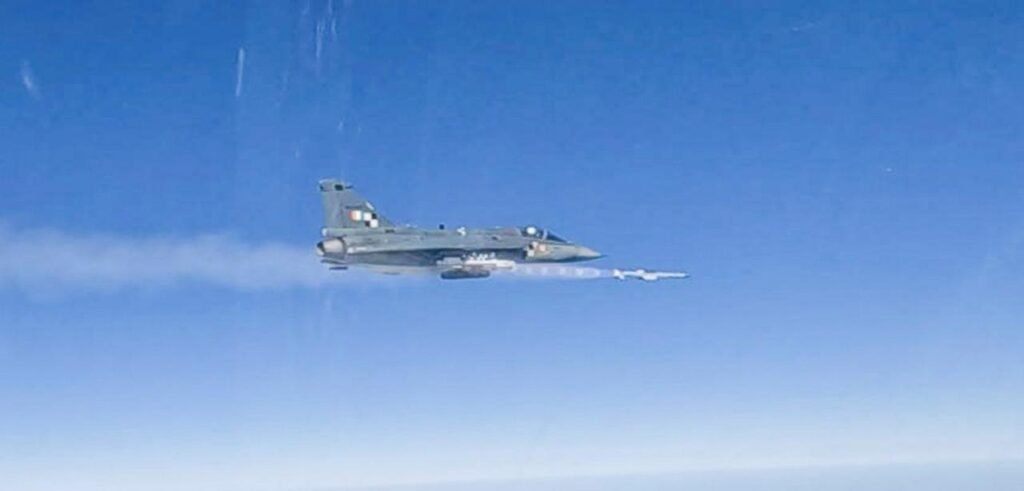
Answer: (B) Astra BVRAAM Test India successful test launch of the Astra Beyond Visual Range Air-to-Air Missile (BVRAAM) from the Light Combat Aircraft (LCA) AF MK1 prototype on 12 March 2025.
India has achieved a major milestone in its defense capabilities with the successful test launch of the Astra Beyond Visual Range Air-to-Air Missile (BVRAAM) from the Light Combat Aircraft (LCA) AF MK1 prototype on 12 March 2025. The test was conducted off the coast of Chandipur, Odisha, marking a significant step toward the advancement of India’s indigenous defense technology.
Astra Missile Test: A Remarkable Success
The Astra missile, developed by the Defence Research and Development Organisation (DRDO), successfully hit a flying target with pinpoint accuracy, demonstrating its advanced capabilities. All subsystems performed optimally, meeting the mission’s parameters and objectives.
Key Features of Astra Missile:
✔ Beyond Visual Range (BVR): Engages targets over 100 km away. ✔ Advanced Guidance & Navigation: Ensures high precision and effectiveness. ✔ Enhances IAF’s Combat Readiness: Already inducted into the Indian Air Force (IAF).
A Step Toward LCA AF MK1A Induction
This successful test is a crucial step toward the induction of the LCA AF MK1A variant, reinforcing India’s commitment to strengthening its indigenous defense systems. The achievement was made possible by the dedicated efforts of ADA, DRDO, Hindustan Aeronautics Limited (HAL), CEMILAC, DG-AQA, IAF, and the test range team.
Leaders Applaud the Achievement
Defence Minister Rajnath Singh congratulated the teams involved, while Dr. Samir V. Kamat, Chairman of DRDO, praised the collaborative efforts of scientists, engineers, and technicians from multiple organizations and industries.
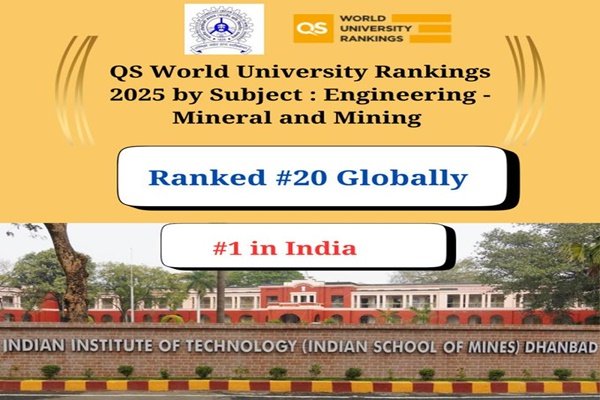
India has made a remarkable achievement in the QS World University Rankings by Subject 2025, with nine prestigious universities securing positions among the world’s top 50 across various disciplines. According to the 15th edition of the QS rankings, announced on March 12, 2025, India celebrates 12 top 50 positions across different subjects and faculty areas.
Top Indian Universities in QS Subject Rankings 2025
Leading the way is the Indian School of Mines (ISM) Dhanbad, which ranks 20th globally in Engineering-Mineral and Mining, making it the highest-ranked subject area for India.
Other notable rankings include:
IIT Bombay – 28th position in Engineering-Mineral and Mining
IIT Kharagpur – 45th position in Engineering-Mineral and Mining
IIT Delhi – 26th position in Engineering and Technology
IIT Bombay – 28th position in Engineering and Technology
IIM Ahmedabad – 27th position in Business and Management Studies
IIM Bangalore – 40th position in Business and Management Studies
IIT Madras – Featured in the top 50 for Petroleum Engineering
Jawaharlal Nehru University (JNU) – Featured in the top 50 for Development Studies
India’s Higher Education Growth Reflected in QS Rankings
QS reports that a total of 79 Indian universities, 10 more than last year, have been featured 533 times across the 2025 QS subject rankings. This marks a 25.7% increase compared to the previous edition. India ranks 5th globally for the highest number of new entries, following China, the USA, the UK, and South Korea.
This growth highlights India’s expanding higher education ecosystem, both in terms of size and quality. With an increasing number of Indian institutions making their mark globally, the country continues to establish itself as a hub for world-class education and research.
Why These Rankings Matter?
The QS World University Rankings by Subject are highly regarded worldwide and help students, researchers, and academic institutions assess global educational excellence. India’s strong performance reflects improving academic standards, enhanced research output, and growing global recognition of its institutions.
MCQs on QS World University Rankings 2025
Q: According to the QS World University Rankings by Subject 2025, how many Indian universities are among the world’s top 50?
a) 5 b) 7 c) 9 d) 12
Answer: c) 9
Q: Which Indian institution secured the highest rank in the QS Subject Rankings 2025?
a) IIT Bombay b) IIT Delhi c) Indian School of Mines (ISM) Dhanbad d) IIM Ahmedabad
Answer: c) Indian School of Mines (ISM) Dhanbad
Q: Which two IITs ranked in the top 50 for Engineering and Technology?
a) IIT Madras and IIT Delhi b) IIT Kharagpur and IIT Roorkee c) IIT Delhi and IIT Bombay d) IIT Kanpur and IIT Guwahati
Answer: c) IIT Delhi and IIT Bombay
Q: Which Indian institutions ranked in the top 50 for Business and Management Studies?
a) IIM Ahmedabad and IIM Bangalore b) IIT Delhi and IIT Bombay c) IIM Calcutta and IIM Indore d) IIT Madras and IIT Kanpur
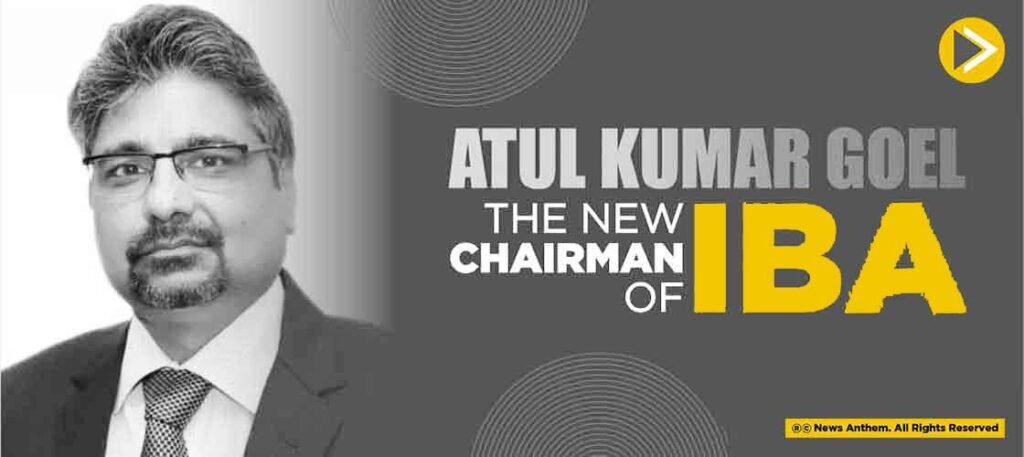
Atul Kumar Goel assumed the role of Chief Executive (CE) of the Indian Banks’ Association (IBA) on March 11, 2025. With a distinguished career spanning over three decades in the banking sector, Goel brings a wealth of experience and expertise to his new position.
Prior to this appointment, Goel served as the Managing Director (MD) and Chief Executive Officer (CEO) of Punjab National Bank (PNB) from February 2022 to December 2024. He also held the position of Chairman of the IBA for two consecutive terms, from 2021 to 2022 and again from 2022 to 2023. His predecessor, Sunil Mehta, also had a notable tenure as MD & CEO of PNB and Chairman of the IBA.
Goel’s extensive banking experience includes key roles at Allahabad Bank (now Indian Bank), Union Bank of India, and UCO Bank. As a qualified Chartered Accountant, he has demonstrated exceptional leadership and strategic vision throughout his career.
The IBA, under Goel’s leadership, is expected to continue its mission of representing and advocating for the banking industry in India, addressing key issues, and fostering collaboration among member banks.
Q: Who hijacked the passenger train in Balochistan in March 2025?
a) Pakistani military b) Taliban fighters c) Baloch Liberation Army (BLA) d) Foreign terrorists
Show Answer
Ans: c) Baloch Liberation Army (BLA) Armed militants hijacked a passenger train in Pakistan’s Balochistan province on March 11, 2025. The attackers, identified as members of the Baloch Liberation Army (BLA).
Q: Who became the first Indian to receive Mauritius’ highest civilian award, the Grand Commander of the Order of the Star and Key of the Indian Ocean?
A) Dr. S. Jaishankar B) Narendra Modi C) Ram Nath Kovind D) Pranab Mukherjee
Show Answer
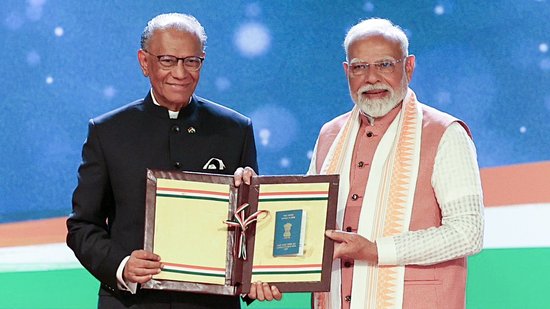
Answer: B) Narendra Modi Prime Minister Narendra Modi has become the first Indian to receive the highest civilian award of Mauritius, Grand Commander of the Order of the Star and Key of the Indian Ocean.
Q: Which company’s satellite-based internet service is Reliance Jio bringing to India?
a) OneWeb b) Starlink c) Amazon Kuiper d) Google Loon
Show Answer
Ans: b) Starlink Reliance Jio, a leading telecommunications company in India, announced on March 12, 2025, that it has entered into a significant agreement with Elon Musk’s SpaceX to bring Starlink’s satellite-based internet services to the country.
Q. Who is the founder of SpaceX, the company behind Starlink?
a) Jeff Bezos b) Bill Gates c) Elon Musk d) Sundar Pichai
Show Answer
Ans: c) Elon Musk
Q: According to the ‘India Web3 Landscape’ report (March 2025), how many Indian developers joined GitHub in 2024?
A) 3.2 million B) 4.7 million C) 5.5 million D) 6.1 million
Show Answer
Answer: B) 4.7 million India is rapidly emerging as a global leader in Web3, with a report (March 2025) predicting it will become the largest hub for Web3 developers by 2028.
India is rapidly emerging as a global leader in Web3, with a report (March 2025) predicting it will become the largest hub for Web3 developers by 2028.
The ‘India Web3 Landscape’ report by Hashed Emergent highlights that in 2024, 4.7 million Indian developers joined GitHub, accounting for 17% of all new Web3 developers globally, making India the second-largest base for crypto developers.
Key development areas include gaming, NFTs, DeFi, and RWAs. Over half of Indian Web3 developers joined in the past two years, and most are under 27 years old.
Hackathons and university partnerships in Odisha, Bhubaneswar, Chennai, and Kerala are helping introduce blockchain technology to students.
India ranks third globally in Web3 startup founders, with over 1,200 startups. Investor confidence has surged, with a 109% increase in funding in 2024, totaling $564 million.
The report highlights AI, RWAs, and staking solutions as major investment drivers, with both global and local venture capital firms heavily investing in Layer 1 and Layer 2 blockchain projects.
Reliance Jio, a leading telecommunications company in India, announced on March 12, 2025, that it has entered into a significant agreement with Elon Musk’s SpaceX to bring Starlink’s satellite-based internet services to the country. This partnership aims to enhance internet connectivity across India, particularly in rural and remote areas where traditional broadband infrastructure is lacking.
Under the agreement, Jio will make Starlink equipment available through its retail outlets and online platforms, providing installation support to customers. This collaboration is expected to complement Jio’s existing broadband services, such as JioFiber and JioAirFiber, by extending high-speed internet access to even the most challenging locations.
The deal, however, is contingent upon SpaceX receiving the necessary regulatory approvals from the Indian government. Once approved, this partnership could revolutionize India’s internet landscape, offering reliable and affordable broadband services to millions of people.
This move comes shortly after Jio’s rival, Bharti Airtel, signed a similar agreement with SpaceX, signaling a competitive push towards satellite-based internet services in India. Both telecom giants are now poised to leverage Starlink’s low Earth orbit (LEO) satellite technology to bridge the digital divide and ensure seamless connectivity across the nation.
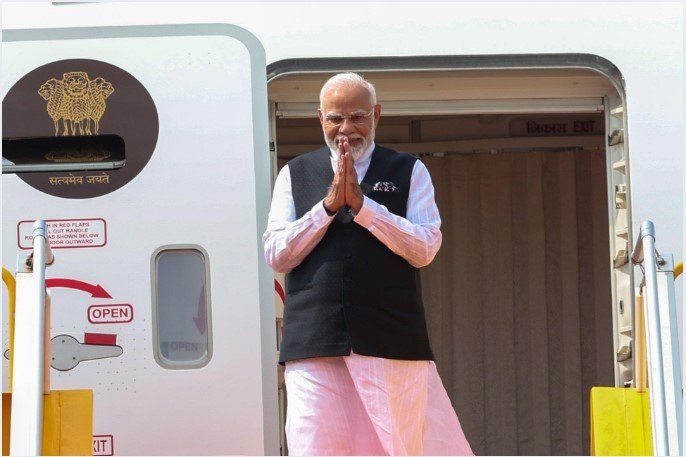
Prime Minister Narendra Modi has become the first Indian to receive the highest civilian award of Mauritius, Grand Commander of the Order of the Star and Key of the Indian Ocean.
Mauritius Prime Minister Dr. Navinchandra Ramgoolam announced the award during an Indian diaspora event in Port Louis on 11 March 2025. This marks Modi’s 21st international accolade.
Addressing the Indian community, Modi expressed gratitude, calling it an honour for India-Mauritius ties. He highlighted the deep-rooted cultural connection between the two nations.
In a special gesture, Modi announced Overseas Citizen of India (OCI) cards for Mauritius PM Navinchandra Ramgoolam and his spouse Veena Ramgoolam.
The event, attended by 3,500 people, included Mauritius Cabinet members, officials, and National Assembly members. Later, Modi will hold a bilateral meeting with PM Ramgoolam.
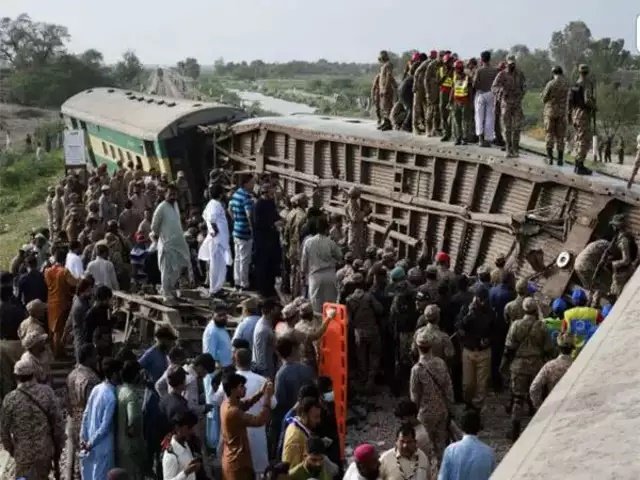
Armed militants hijacked a passenger train in Pakistan’s Balochistan province on March 11, 2025. The attackers, identified as members of the Baloch Liberation Army (BLA), blew up the railway track, forcing the train to stop in a remote area. They then boarded the train and took control, separating men from women.
The Pakistani security forces launched an operation, rescuing more than 100 passengers while killing 16 militants. However, the exchange of heavy gunfire resulted in the deaths of at least 20 soldiers. The BLA claimed responsibility for the attack, continuing its insurgency against the Pakistani state.
Balochistan, Pakistan’s largest but poorest province, has long been home to separatist movements. Militants claim that the region’s natural resources are exploited by outsiders, leaving little benefit for locals.
Medieval History of India GK MCQ questions for Competitive Exams in English. Important General Knowledge MCQs from previous year exam question papers.
Medieval History of India MCQs
Early Medieval Period
Q.1: Which of the following Tomar rulers is credited with establishing the city of Delhi? a) Anangpal b) Wazat c) Rudane d) Devaraj
Answer
Answer: a) Anangpal
Q.2: In which of the following years did Muhammad-bin-Qasim conquer Sindh? a) 712 CE b) 812 CE c) 912 CE d) 1012 CE
Answer
Answer: a) 712 CE
Q.3: Which of the following famous temples did Mahmud of Ghazni attack? a) Belur b) Halebid c) Somnath d) Konark
Answer
Answer: c) Somnath
Q.4: Who defeated Prithviraj in the second battle of Tarain? a) Mahmud of Ghazni b) Qutb-ud-din Aibak c) Muhammad Ghori d) Alauddin Khilji
Answer
Answer: c) Muhammad Ghori
Q.5: Whom did Muhammad Ghori leave behind to take care of the conquered territories? a) Nasiruddin b) Iltutmish c) Qutb-ud-din Aibak d) Malik Kafur
Answer
Answer: c) Qutb-ud-din Aibak
Q.6: Which of the following Rajput kings defeated Muhammad Ghori for the first time? a) Prithviraj III b) Baghel Bhim c) Jaychandra d) Kumarpal
Answer
Answer: b) Baghel Bhim
Q.7: Arrange the following events in chronological order: (A) Birth of Prophet Muhammad (B) Rise of the Gupta dynasty in India (C) Completion of the Roman Colosseum (D) Peter the Great becomes Tsar of Russia a) (C), (B), (A), (D) b) (A), (C), (D), (B) c) (B), (D), (C), (A) d) (D), (A), (C), (B)
Answer
Answer: a) (C), (B), (A), (D)
Sultanate Period: Medieval History MCQs
Q.8: Who among the following built the ‘Quwwat-ul-Islam’ Mosque (Delhi)? a) Qutb-ud-din Aibak b) Alauddin Khilji c) Iltutmish d) Muhammad Adil Shah
Answer
Answer: a) Qutb-ud-din Aibak
Q.9: Which Sultan of Delhi died while playing polo? a) Qutb-ud-din Aibak b) Alauddin Khilji c) Firoz Shah Tughlaq d) Ghiyasuddin Tughlaq
Answer
Answer: a) Qutb-ud-din Aibak
Q.10: Before becoming the Sultan of Delhi, Balban was the Prime Minister of which Sultan? a) Nasiruddin b) Qutb-ud-din Aibak c) Bahram Shah d) Aram Shah
Answer
Answer: a) Nasiruddin
Q.11: During whose reign did Genghis Khan attack the borders of India while chasing Jalaluddin? a) Qutb-ud-din Aibak b) Iltutmish c) Balban d) Nasiruddin Khusrau
Answer
Answer: b) Iltutmish
Q.12: Who introduced the famous Persian festival of Nowruz? a) Alauddin Khilji b) Iltutmish c) Firoz Tughlaq d) Balban
Answer
Answer: d) Balban
Q.13: Who was the only queen among the following to rule over Delhi? a) Razia Sultan b) Chand Bibi c) Mehrunnisa d) Hazrat Mahal
Answer
Answer: a) Razia Sultan
Q.14: Which were the two dynasties that ruled immediately before and after the Khilji rulers? a) Slave and Lodi b) Sayyid and Lodi c) Slave and Tughlaq d) Tughlaq and Lodi
Answer
Answer: c) Slave and Tughlaq
Q.15: Which Sultan of Delhi established a department of employment, a charity department, and a philanthropic hospital? a) Firoz Tughlaq b) Muhammad Tughlaq c) Alauddin Khilji d) Balban
Answer
Answer: a) Firoz Tughlaq
Q.16: During whose reign did the Mongols invade the most? a) Balban b) Alauddin Khilji c) Muhammad-bin-Tughlaq d) Firoz Tughlaq
Answer
Answer: b) Alauddin Khilji
Q.17: Malik Kafur was a general of a) Sikandar Lodi b) Qutb-ud-din Aibak c) Alauddin Khilji d) Humayun
Answer
Answer: c) Alauddin Khilji
Q.18: Which Khilji ruler killed his father-in-law to ascend the throne of Delhi? a) Qutb-ud-din Aibak b) Jalaluddin Khilji c) Ghiyasuddin d) Alauddin Khilji
Answer
Answer: d) Alauddin Khilji
Q.19: The market regulation system was initiated by: a) Muhammad-bin-Tughlaq b) Iltutmish c) Alauddin Khilji d) Ghiyasuddin
Answer
Answer: c) Alauddin Khilji
Q.20: Which Sultan of Delhi has been described by historians as a “mixture of contradictions”? a) Balban b) Ibrahim Lodi c) Alauddin Khilji d) Muhammad-bin-Tughlaq
Answer
Answer: d) Muhammad-bin-Tughlaq
Q.21: Muhammad-bin-Tughlaq excelled in – a) Art b) Music c) Calligraphy d) Philosophy
Answer
Answer: d) Philosophy
Q.22: The Qutub Minar, as we see it today, was ultimately rebuilt by? a) Balban b) Alauddin Khilji c) Sikandar Lodi d) Firoz Tughlaq
Answer
Answer: d) Firoz Tughlaq
Q.23: Arrange the dynasties of the Sultans of Delhi in chronological order: 1.Khilji 2.Tughlaq 3.Sayyid 4.Slave (a) 4, 1, 3, 2 (b) 1, 4, 2, 3 (c) 1, 2, 3, 4 (d) 4, 1, 2, 3
Answer
Answer: (d) 4, 1, 2, 3
Q.24: During whose reign did Ibn Battuta visit India? a) Iltutmish b) Alauddin Khilji c) Muhammad-bin-Tughlaq d) Balban
Answer
Answer: c) Muhammad-bin-Tughlaq
Q.25: Who was the last ruler of the Lodi dynasty? a) Bahlul Lodi b) Ibrahim Lodi c) Daulat Khan Lodi d) Sikandar Lodi
Answer
Answer: b) Ibrahim Lodi
Q.26: Who founded the Lodi dynasty? a) Ibrahim Lodi b) Sikandar Lodi c) Bahlul Lodi d) Khizr Khan
Answer
Answer: c) Bahlul Lodi
Sufi and Bhakti Movement: Medieval History MCQs
Q.27: Who established the Chishti order in India? a) Nizamuddin Auliya b) Salim Chishti c) Sheikh Moinuddin Chishti d) Hamiduddin Nagori
Answer
Answer: c) Sheikh Moinuddin Chishti
Q.28: Who organized the first Bhakti movement? a) Nanak b) Meera c) Ramdas d) Ramanujacharya
Answer
Answer: d) Ramanujacharya
Q.29: Which of the following Sufi saints believed that devotional music is the path to reaching God? a) Sheikh Moinuddin Chishti b) Baba Farid c) Sayyid Muhammad d) Shah Alam Bukhari
Answer
Answer: a) Sheikh Moinuddin Chishti
Q.30: The contribution of the saints of the Bhakti and Sufi movements was in a) Religious harmony b) National unity c) Unity between Hindus and Muslims d) Social harmony
Answer
Answer: a) Religious harmony
Q.31: Match the founders (List-I) with the Bhakti sects (List-II) and choose the correct answer using the code given below:
List-I
List-II
(A) Shankaradev
1. Mahanubhav Panth
(B) Jagjivan
2. Alakhnami
(C) Lalgin or Lalbeg
3. Satnami
(D) Govind Prabhu
4. Ek-Sharan-Dharma
Medieval History MCQ in English
     A    B    C   D
a)   4    3    2   1
b)   4    2    1   3
c)   1    4    3   2
d)   1    2    4   3
Answer
a) 4 3 2 1
Q.32: The Alvar saints originated from which of the following modern states? a) Tamil Nadu b) Kerala c) Karnataka d) Maharashtra
Answer
Answer: a) Tamil Nadu
Q.33: Bhakti preacher Shankaradev popularized which regional language through his teachings? a) Assamese b) Bengali c) Braj Bhasha d) Awadhi
Answer
Answer: a) Assamese
Q.34: Who among the following is considered the creator of the sitar? a) Miyan Tansen b) Baiju Bawra c) Amir Khusro d) Bade Ghulam Ali Khan
Answer
Answer: c) Amir Khusro
Medieval Regional States: Medieval History MCQ
Q.35: Who founded the ‘Vijayanagar Kingdom’? a) Tuluva dynasty b) Sangama dynasty c) Saluva dynasty d) Devaraya dynasty
Answer
Answer: b) Sangama dynasty
Q.36: The rulers of Vijayanagar encouraged – a) Hindi, Marathi, and Sanskrit b) Malayalam, Tamil, and Sanskrit c) Tamil, Telugu, and Sanskrit d) Telugu, Urdu, and Sanskrit
Answer
Answer: c) Tamil, Telugu, and Sanskrit
Q.37: Which book was written by Krishnadevaraya? a) Mitakshara b) Rajatarangini c) Karpur Manjari d) Amuktamalyada
Answer
Answer: d) Amuktamalyada
Q.38: ‘Amuktamalyada’ is the work of a) Allasani Peddana b) Krishnadevaraya c) Vaccharaja d) Kharavela
Answer
Answer: b) Krishnadevaraya
Q.39: The medieval city of Vijayanagar is known today as – a) Chandragiri b) Halebidu c) Hampi d) Kondavidu
Answer
Answer: c) Hampi
Q.40: Who constructed the ‘Raya Gopurams’ in front of the temples in Hampi, Tiruvannamalai, Chidambaram, Srirangam, Tirupati, etc.? a) Vidyaranya b) Krishnadevaraya c) Harihara d) Rajaraja
Answer
Answer: b) Krishnadevaraya
Q.41: When was the famous Battle of Talikota fought? a) 1565 CE b) 1575 CE c) 1585 CE d) 1570 CE
Answer
Answer: a) 1565 CE
Q.42: Who built the ‘Gol Gumbaz’ in Bijapur, the second-largest dome in the world, famous for its whispering gallery? a) Mahmud Gawan b) Yusuf Adil Shah c) Ismail Adil Shah d) Muhammad Adil Shah
Answer
Answer: d) Muhammad Adil Shah
Q.43: Where is the Gol Gumbaz located? a) Konark b) Hyderabad c) Puri d) Bijapur
Answer
Answer: d) Bijapur
Q.44: Who built the ‘Kirti Stambh’ of Chittor? a) Rana Pratap b) Rana Kumbha c) Rana Sanga d) Bappa Rawal
Answer
Answer: b) Rana Kumbha
Q.45: The capital of the Bahmani rulers was – a) Gulbarga b) Bijapur c) Belgaum d) Raichur
Answer
Answer: a) Gulbarga
Q.46: The famous Muslim ruler Chand Bibi belonged to which state? a) Bijapur b) Golconda c) Ahmadnagar d) Berar
Answer
Answer: c) Ahmadnagar
Q.47: The famous Kohinoor diamond was mined from which mine? a) Odisha b) Chota Nagpur c) Bojapur d) Golconda
Answer
Answer: d) Golconda
Mughal Period
Q.48: From which of the following battles was the foundation of the Mughal Empire laid in India? a) Battle of Plassey b) Battle of Talikota c) First Battle of Panipat d) Battle of Haldighati
Answer
Answer: c) First Battle of Panipat
Q.49: After which battle was the Mughal rule established in India? a) First Battle of Tarain b) Second Battle of Tarain c) First Battle of Panipat d) Second Battle of Panipat
Answer
Answer: c) First Battle of Panipat
Q.50: Which Mughal ruler gave a detailed description of Indian flora, fauna, seasons, and fruits in his daily diary? a) Akbar b) Jahangir c) Babur d) Aurangzeb
Answer
Answer: c) Babur
Q.51: The Rajput king defeated by Babur in the Battle of Khanwa was – a) Rana Sanga b) Rudra Dev c) Uday Singh d) Rana Pratap Singh
Answer
Answer: a) Rana Sanga
Q.52: Who wrote the “Humayun Nama”? a) Humayun b) Akbar c) Abul Fazl d) Gulbadan Begum
Answer
Answer: d) Gulbadan Begum
Q.53: After losing which battle did Humayun have to flee from India? a) Khanwa b) Kannauj c) Panipat d) Ghaghra
Answer
Answer: b) Kannauj
Q.54: Which Mughal emperor discouraged the practice of Sati? a) Babur b) Humayun c) Akbar d) Jahangir
Answer
Answer: c) Akbar
Q.55: “Razmnama” is the Persian translation of which of the following? a) Mahabharata b) Ramayana c) Panchatantra d) Kathasaritsagara
Answer
Answer: a) Mahabharata
Q.56: Where did Akbar build the Panch Mahal, known for its pillars? a) Lahore b) Fatehpur Sikri c) Agra d) Sikandra
Answer
Answer: b) Fatehpur Sikri
Q.57: Famous musicians Tansen and Baiju Bawra were renowned during whose reign? a) Jahangir b) Bahadur Shah Zafar c) Akbar d) Shah Jahan
Answer
Answer: c) Akbar
Q.58: Who was the famous Jain scholar highly respected by Akbar? a) Hemchandra b) Harivijaya c) Vastupal d) Bhadrabahu
Answer
Answer: b) Harivijaya
Q.59: Who is the author of the book “Ain-i-Akbari”? a) Akbar b) Abul Fazl c) Firdausi d) Jahangir
Answer
Answer: b) Abul Fazl
Q.60: The Battle of Haldighati was fought between whom? a) Akbar and Rana Sangram Singh b) Akbar and Medini Rai c) Akbar and Rana Pratap Singh d) Akbar and Uday Singh
Answer
Answer: c) Akbar and Rana Pratap Singh
Q.61: The Buland Darwaza was constructed to commemorate Akbar’s victory over which region? a) Malwa b) Deccan c) Bengal d) Gujarat
Answer
Answer: d) Gujarat
Q.62: Who initiated the “Mansabdari System”? a) Akbar b) Shah Jahan c) Jahangir d) Babur
Answer
Answer: a) Akbar
Q.63: Which of the following is not located in Fatehpur Sikri? a) Panch Mahal b) Moti Masjid c) Tomb of Salim Chishti d) Mariam Palace
Answer
Answer: b) Moti Masjid
Q.64: Who renamed the city of Prayag as Allahabad, meaning “City of Allah”? a) Aurangzeb b) Akbar c) Shah Jahan d) Bahadur Shah Zafar
Answer
Answer: b) Akbar
Q.65: Who was responsible for land revenue reforms during Akbar’s reign? a) Birbal b) Todar Mal c) Jai Singh d) Bihari Mal
Answer
Answer: b) Todar Mal
Q.66: Under the “Zabt System,” what portion of actual production was fixed as the state’s demand? a) One-fourth b) One-third c) Half d) One-fifth
Answer
Answer: b) One-third
Q.67: Who initiated the new religion “Din-i-Ilahi”? a) Humayun b) Jahangir c) Akbar d) Shah Jahan
Answer
Answer: c) Akbar
Q.68: Which of the following was illiterate? a) Jahangir b) Shah Jahan c) Akbar d) Aurangzeb
Answer
Answer: c) Akbar
Q.69: Which Mughal emperor is credited with composing Hindi songs? a) Babur b) Akbar c) Jahangir d) Shah Jahan
Answer
Answer: b) Akbar
Q.70: Which of the following was not a reform measure adopted by Akbar? a) Dagh b) Mansabdari System c) Iqta System d) Zabt
Answer
Answer: c) Iqta System
Q.71: What is the meaning of “Jahangir”? a) Lord of the Nation b) Supreme Lord c) World Conqueror d) Hero of a Hundred Battles
Answer
Answer: c) World Conqueror
Q.72: Painting reached its peak during whose reign? a) Akbar b) Aurangzeb c) Jahangir d) Shah Jahan
Answer
Answer: c) Jahangir
Q.73: Which of the following was sent to the royal court of Jahangir as an ambassador by the then King of England, James I? a) John Hawkins b) William Todd c) Sir Thomas Roe d) Sir Walter Raleigh
Answer
Answer: a) John Hawkins
Q.74: In which of the following Mughal buildings was the world-famous ‘Takht-e-Taus’ placed? a) Diwan-e-Khas at Fatehpur Sikri b) Agra’s new fort c) Rang Mahal of Red Fort in Delhi d) Diwan-e-Aam of Red Fort in Delhi
Answer
Answer: d) Diwan-e-Aam of Red Fort in Delhi
Q.75: In which of the following cities did Shah Jahan build the Moti Masjid? a) Delhi b) Jaipur c) Agra d) Amarkot
Answer
Answer: c) Agra
Q.76: Who among the following succeeded Aurangzeb? a) Azam b) Kam Bakhsh c) Akbar II d) Muazzam
Answer
Answer: d) Muazzam
Q.77: The ‘Mir Bakshi’ of Mughal emperors headed which department? a) Intelligence (Secret Information) b) Foreign Affairs c) Military Organization d) Finance
Answer
Answer: c) Military Organization
Q.78: To whom was ‘Inam land’ given? a) Scholars and religious persons b) Hereditary revenue collectors c) Mansabdars d) Nobles
Answer
Answer: a) Scholars and religious persons
Q.79: Which of the following Mughal buildings is said to be exactly equal in length and width? a) Agra Fort b) Red Fort c) Taj Mahal d) Buland Darwaza
Answer
Answer: c) Taj Mahal
Q.80: Which of the following facts about the Taj Mahal is not true? a) It is a grand mausoleum. b) It was built by Shah Jahan. c) It is located outside Agra Fort. d) The names of the artisans who built it are engraved on it.
Answer
Answer: d) The names of the artisans who built it are engraved on it.
Sher Shah
Q.81: During the reign of which of the following rulers was the 1 Rupee coin minted in India? a) Babur b) Sher Shah Suri c) Akbar d) Aurangzeb
Answer
b) Sher Shah Suri
Q.82: What symbolizes the greatness of Sher Shah? a) His campaign of victory against Humayun b) Excellent military leadership c) Administrative reforms d) Religious tolerance
Answer
c) Administrative reforms
Q.83: The Grand Trunk Road built by Sher Shah connected Punjab with which of the following? a) Lahore b) Multan c) Agra d) Eastern Bengal
Answer
d) Eastern Bengal
Marathas: GK MCQs
Q.84: In Shiva ji’ s administration, the ‘Peshwa’ was referred to as a) Minister of Religious Affairs b) Defense Minister c) Prime Minister d) Minister of Justice
Answer
c) Prime Minister
Q.85: Who was the guru (spiritual teacher) of Shiva ji? a) Namdev b) Ramdas c) Eknath d) Tukaram
Answer
b) Ramdas
Q.86: Who did Aurangzeb send to defeat Chhatrapati Shiva ji? a) Raja Jaswant Singh b) Raja Man Singh c) Raja Bhagwan Das d) Raja Jai Singh
Answer
d) Raja Jai Singh
Q.87: Through which treaty did Shiva ji transfer forts to the Mughals? a) Chittor b) Pune c) Purandar d) Torna
Answer
c) Purandar
Q.88: Shiva ji’s coronation took place in- a) 1627 AD b) 1674 AD c) 1680 AD d) 1670 AD
Answer
b) 1674 AD
Q.89: Where was the capital of Shivaji’s kingdom? a) Pune b) Karwar c) Purandar d) Raigad
Answer
d) Raigad
Q.90: Arrange the following treaties in chronological order: (1) Treaty of Amritsar (2) Treaty of Bassein (3) Treaty of Srirangapatnam (4) Treaty of Salbai a) 1, 3, 2, 4 b) 4, 3, 1, 2 c) 4, 3, 2, 1 d) 2, 1, 4, 3
Answer
c) 4, 3, 2, 1
Q.91: Which of the following European powers provided cannons to Shivaji? a) Portuguese b) Dutch c) English d) French
The 54th National Safety Week was observed across India from March 4 to March 10, 2025, to promote safety awareness and accident prevention. This year’s theme, “Safety and Well-being Crucial for Viksit Bharat,” emphasized the role of safety in national development. Activities included workshops, safety drills, and awareness campaigns. Labour and Factories Minister Vasansetty Subhash highlighted the importance of safety for workers, children, women, and the elderly.
The valedictory event at Chennai Petroleum Corporation Limited (CPCL) focused on using Artificial Intelligence for workplace safety. The event reinforced the collective responsibility to ensure a safer and healthier environment.
Q: Where is the World Para Athletics Grand Prix 2025 being held?
A) Tokyo, Japan B) New Delhi, India C) Sydney, Australia D) London, England
Show Answer
Ans: B) New Delhi, India The World Para Athletics Grand Prix 2025 is set to be a landmark event in the world of para-athletics. Hosted at the Jawaharlal Nehru Stadium in New Delhi, India, from March 11 to 13
Q: Madhav National Park, which was declared a Tiger Reserve in March 2025, is located in which district of Madhya Pradesh?
(A) Sheopur (B) Shivpuri (C) Gwalior (D) Indore
Show Answer
Answer: (B) Shivpuri
Q: When did the second part of the Budget Session of the Indian Parliament commence?
A) February 13, 2025 B) March 10, 2025 C) April 4, 2025 D) January 26, 2025
Show Answer
Ans: B) March 10, 2025 The second part of the Budget Session of the Indian Parliament commenced on March 10, 2025, and is scheduled to run until April 4, 2025.
Q: When is CISF Raising Day celebrated annually?
A) January 26 B) August 15 C) March 10 D) October 2
Show Answer
Ans: C) March 10 CISF Raising Day is celebrated annually on March 10 to commemorate the founding of the Central Industrial Security Force (CISF) in 1969.
Q: When is the National Safety Week observed annually in India?
A) January 26 to February 1 B) March 4 to March 10 C) April 14 to April 20 D) August 15 to August 21
Show Answer
Ans: B) March 4 to March 10 The 54th National Safety Week was observed across India from March 4 to March 10, 2025, to promote safety awareness and accident prevention
CISF Raising Day is celebrated annually on March 10 to commemorate the founding of the Central Industrial Security Force (CISF) in 1969. This year, India marks the 56th CISF Raising Day, celebrating the bravery, dedication, and service of CISF personnel who safeguard the nation’s key infrastructure and uphold public security.
The CISF was established under the CISF Act of 1968 and initially comprised 3,129 personnel. Over the years, it has grown to a formidable force of 1,77,713 personnel as of June 2024. The CISF provides security to various critical sectors, including the Department of Space, the Department of Atomic Energy, airports, the Delhi Metro, ports, historical monuments, and key areas of the Indian economy such as petroleum, natural gas, electricity, coal, steel, and mining.
The 56th CISF Raising Day celebrations include parades, cultural programs, and official ceremonies to honor the dedication and sacrifices of CISF personnel. Union Home Minister Amit Shah attended the event in Thakkolam, Tamil Nadu, as the chief guest, emphasizing the crucial role CISF plays in ensuring the development, progress, and mobility of the country.
The CISF has evolved into a multi-dimensional force, providing security across various sectors and recognizing the growing need for specialized personnel. The day is also marked by blood donation drives and health check-up camps across the country, further highlighting the CISF’s commitment to public service.
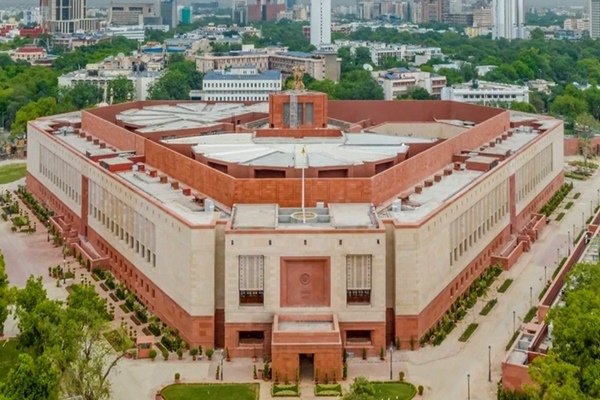
The second part of the Budget Session of the Indian Parliament commenced on March 10, 2025, and is scheduled to run until April 4, 2025. This session follows the adjournment of the first part on February 13, 2025. The government has prioritized the passage of the Waqf Amendment Bill, which is expected to be a significant point of contention between the ruling party and the Opposition.
The session has already witnessed heated debates, particularly over the National Education Policy (NEP) in Tamil Nadu. The Opposition, led by Rahul Gandhi, has raised concerns about alleged discrepancies in voter lists and the recent violence in Manipur. The government is also keen on discussing the imposition of President’s Rule in Manipur, with Union Home Minister Amit Shah expected to address the issue.
In addition to these key issues, the session will see the introduction of the Immigration and Foreigners Bill, 2025, aimed at enhancing national security and standardizing immigration procedures. The Lok Sabha will also discuss the Manipur budget, presented by Union Finance Minister Nirmala Sitharaman.
The second part of the Budget Session is crucial for the passage of several important bills and addressing pressing national issues. The proceedings are being closely watched as the government and the Opposition engage in intense debates and discussions.
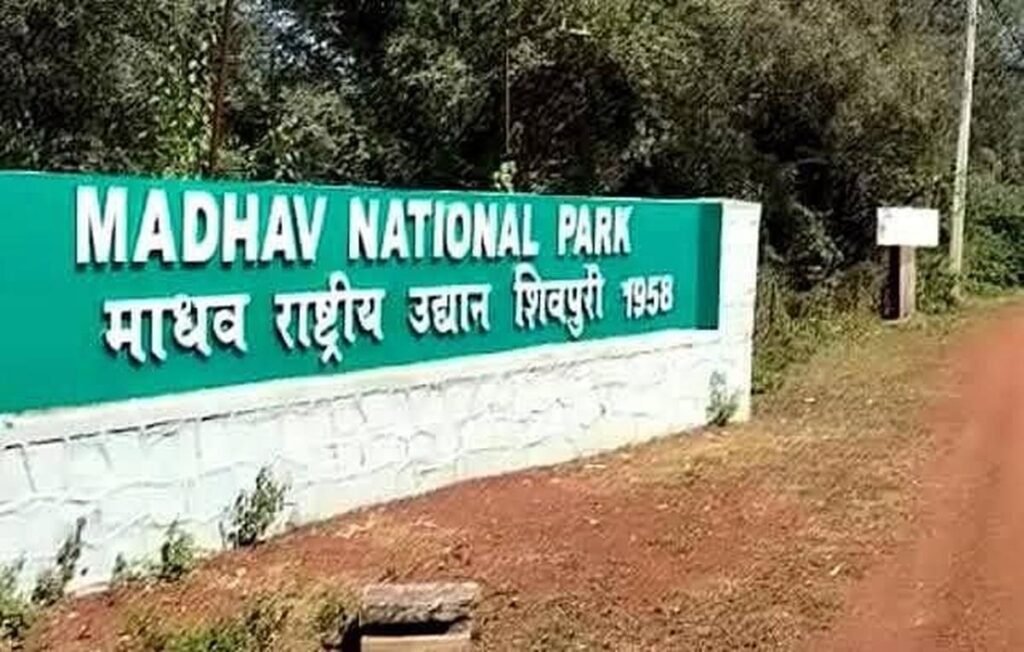
Madhav National Park in Shivpuri, Madhya Pradesh, has been declared a new tiger reserve. Chief Minister Dr. Mohan Yadav and Union Minister Jyotiraditya Scindia released a tigress to mark the announcement. A 13 km-long protective wall has also been inaugurated.
The reserve is expected to boost tiger population in the Chambal region and attract more tourists, aiding development. With its proximity to Kuno National Park, visitors can now see both tigers and leopards in one trip. The current tiger count in the park is six, with one more to be added soon.
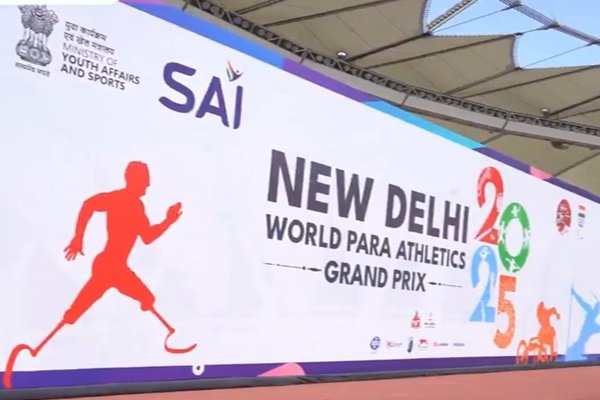
The World Para Athletics Grand Prix 2025 is set to be a landmark event in the world of para-athletics. Hosted at the Jawaharlal Nehru Stadium in New Delhi, India, from March 11 to 13, this event marks India’s first major international para-athletics competition.
A total of 283 para-athletes from 20 countries will compete in 90 athletics events, making it one of the largest para-athletics events ever hosted by India. The Indian contingent, led by Paralympic gold medallists Praveen Kumar, Navdeep Singh, and Dharambir, will be looking to make a strong impression on home soil.
The Grand Prix serves as a preparatory tournament for the World Para Athletics Championships later this year, adding an extra layer of significance to the competition. Notable international athletes, including Australia’s three-time Paralympic champion Vanessa Low and Brazil’s speedsters Joeferson Marinho and Bartolomeu Chaves, will also be participating.
Q: What was the theme of International Women’s Day 2025 celebrated on March 8?
A) “Gender Equality for a Better Tomorrow” B) “Empowering Women, Changing the World” C) “For ALL Women and Girls: Rights. Equality. Empowerment.” D) “Women in Leadership: Achieving an Equal Future”
Show Answer
Answer: C) “For ALL Women and Girls: Rights. Equality. Empowerment.” International Women’s Day 2025 was celebrated on March 8 with the theme “For ALL Women and Girls: Rights. Equality. Empowerment.”
Q: Who has been elected as Canada’s next Prime Minister in March 2025?
A) Justin Trudeau B) Mark Carney C) Pierre Poilievre D) Chrystia Freeland
Show Answer
Answer: B) Mark Carney Mark Carney has been elected as the new leader of Canada’s Liberal Party and will soon be sworn in as Prime Minister, replacing Justin Trudeau, who resigned in January.
Q: Which cricket team won the ICC Champions Trophy 2025?
A) Australia B) India C) England D) New Zealand
Show Answer
Answer: B) India
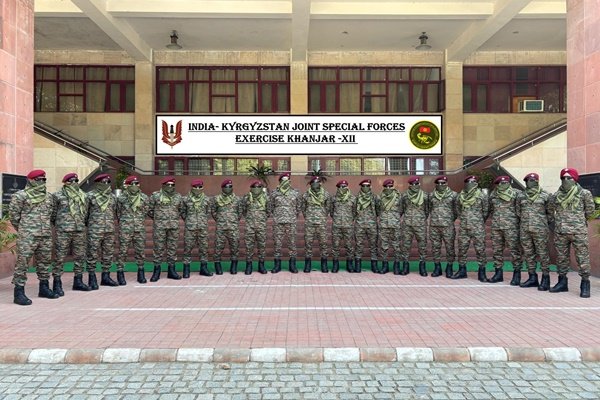
Q: The 12th edition of the Joint Special Forces Exercise, KHANJAR-XII, commenced on 10 March 2025 between which countries?
A) India and Pakistan B) India and Kyrgyzstan C) India and Russia D) India and Nepal
Show Answer
Answer: B) India and Kyrgyzstan The 12th edition of the India-Kyrgyzstan Joint Special Forces Exercise, KHANJAR-XII, commenced on 10 March 2025 in Kyrgyzstan and will run for 14 days until 23 March 2025.
The 12th edition of the India-Kyrgyzstan Joint Special Forces Exercise, KHANJAR-XII, commenced on 10 March 2025 in Kyrgyzstan and will run for 14 days until 23 March 2025. The exercise aims to exchange experiences and enhance cooperation in Counter-Terrorism and Special Forces Operations, focusing on urban and mountainous high-altitude terrains.
Key areas of focus include sniping, complex building interventions, and mountain craft to enhance the Special Forces’ skills. The exercise is also aimed at strengthening defense ties between the two nations while addressing shared concerns about international terrorism and extremism.
KHANJAR has been an annual event since 2011, alternating between India and Kyrgyzstan. The previous edition was held in India in January 2024.
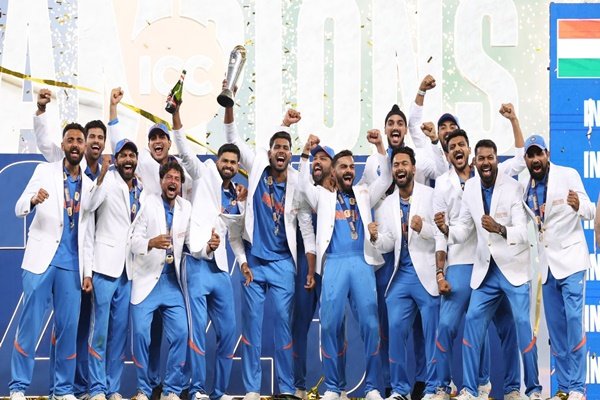
Team India created history by winning the ICC Champions Trophy 2025 for a record third time after defeating New Zealand by four wickets in the final at the Dubai International Cricket Stadium on 9 March 2025.
Chasing 252, India reached the target with an over to spare. Rohit Sharma (76) and Shubman Gill (31) provided a strong start with a 105-run partnership. Later contributions from Shreyas Iyer (48), Axar Patel (29), and Hardik Pandya (18) helped secure victory. Ravindra Jadeja hit the winning shot, while KL Rahul remained unbeaten on 34.
For New Zealand, Daryl Mitchell (63) and Michael Bracewell (51 not out off 39 balls) were key contributors as they posted 251/7 in 50 overs. Indian spinners Varun Chakaravarthy and Kuldeep Yadav took two wickets each, while Mohammed Shami and Ravindra Jadeja also chipped in.
Rohit Sharma was named Player of the Match, while Rachin Ravindra won Player of the Series. This victory marked India’s second ICC trophy in two years, following their T20 World Cup triumph in 2024.
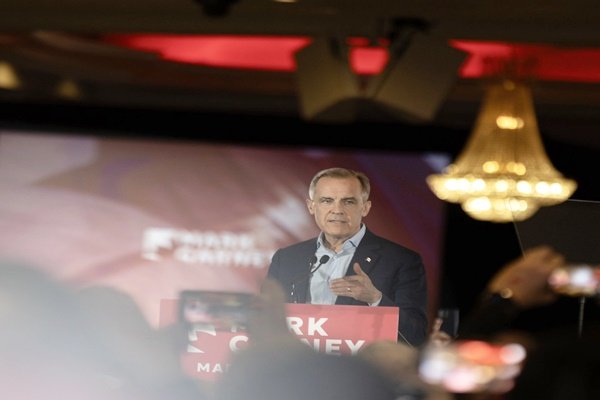
Mark Carney has been elected as the new leader of Canada’s Liberal Party and will soon be sworn in as Prime Minister, replacing Justin Trudeau, who resigned in January.
Carney, 59, previously served as Governor of the Bank of Canada and later made history in 2013 as the first non-citizen to lead the Bank of England. His leadership comes at a crucial time, as Canada faces trade tensions and annexation threats from US President Donald Trump. In his acceptance speech, Carney warned of “dark days” and pledged to maintain retaliatory tariffs on US goods until mutual respect is restored.
International Women’s Day 2025 was celebrated on March 8 with the theme “For ALL Women and Girls: Rights, Equality, Empowerment.” The theme emphasizes equal rights, opportunities, and empowerment for all, particularly focusing on youth and young women as drivers of change.
This year also marks the 30th anniversary of the Beijing Declaration and Platform for Action, a key global framework for women’s rights. The occasion calls for engaging media, corporate leaders, governments, and civil society to take action in promoting gender equality. People are encouraged to spread awareness using the hashtag #ForAllWomenAndGirls to inspire change.
Q: Who won the FIDE World Junior Chess Championship 2025?
a) Aravindh Chithambaram b) R Praggnanandhaa c) Pranav Venkatesh d) Pentala Harikrishna
Show Answer
Answer: c) Pranav Venkatesh The chess world witnessed a historic moment on March 7, 2025, as 18-year-old Indian Grandmaster Pranav Venkatesh claimed the FIDE World Junior Championship 2025 title in Montenegro.
Q: Who won the Prague Masters 2025 Chess title?
a) Ediz Gurel b) R. Praggnanandhaa c) Anish Giri d) Aravindh Chithambaram
Show Answer
Correct answer: d) Aravindh Chithambaram Indian Grandmaster Aravindh Chithambaram clinched the Prague Masters 2025 Chess title on March 7, 2025.
Q: Who has been appointed as the Chairman and Managing Director (CMD) of Hindustan Petroleum Corporation Limited (HPCL) in March 2025?
A) Sanjay Kumar B) Vikas Kaushal C) Ramesh Gupta D) Rajeev Sharma
Show Answer
Answer: B) Vikas Kaushal Vikas Kaushal has been appointed as the Chairman and Managing Director (CMD) of Hindustan Petroleum Corporation Limited (HPCL) on March 7, 2025.
Q: What is the purpose of Prime Minister Narendra Modi’s visit to Mauritius from March 11 to 12, 2025?
a) To attend a business summit b) To discuss trade relations c) To attend the National Day celebrations of Mauritius d) To inaugurate a new embassy
Show Answer
Ans: c) To attend the National Day celebrations of Mauritius Prime Minister Narendra Modi is set to embark on a two-day state visit to Mauritius to the National Day celebrations of Mauritius on March 12 as the chief guest.
Prime Minister Narendra Modi is set to embark on a two-day state visit to Mauritius from March 11 to 12, 2025. This visit is at the invitation of the Prime Minister of Mauritius, Navin Ramgoolam, and will see Modi attending the National Day celebrations of Mauritius on March 12 as the chief guest.
During his visit, Prime Minister Modi will call on the President of Mauritius and hold wide-ranging talks with Prime Minister Ramgoolam. The visit underscores the close and longstanding relationship between India and Mauritius, rooted in shared historical, cultural, and people-to-people ties.
A contingent of Indian defence forces and an Indian Navy ship will also participate in the National Day celebrations, highlighting the strong defence ties between the two nations. Additionally, Modi will inaugurate the Civil Service College and the Area Health Centre, both built with India’s grant assistance.
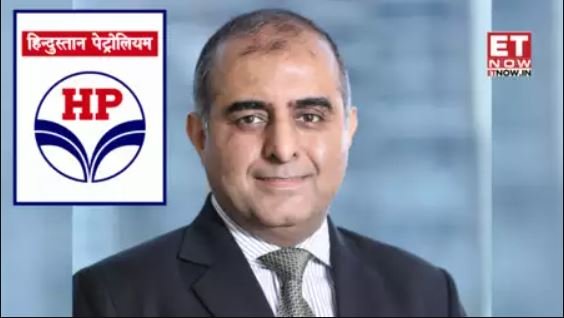
Vikas Kaushal has been appointed as the Chairman and Managing Director (CMD) of Hindustan Petroleum Corporation Limited (HPCL) on March 7, 2025. His appointment is historic as he becomes the first private sector executive to lead a state-run oil refinery.
With over 30 years of experience in the energy, oil & gas, and power sectors, Kaushal has previously served as Managing Director and Country Head for Kearney India. He holds a chemical engineering degree from Panjab University and an MBA from IIM Ahmedabad. His expertise in digital transformation, refinery maintenance, and net-zero strategies is expected to drive HPCL’s growth.
Kaushal’s five-year tenure comes at a crucial time as the government strengthens public sector leadership. His vision and leadership are set to enhance HPCL’s strategic direction and contribute significantly to India’s energy sector.
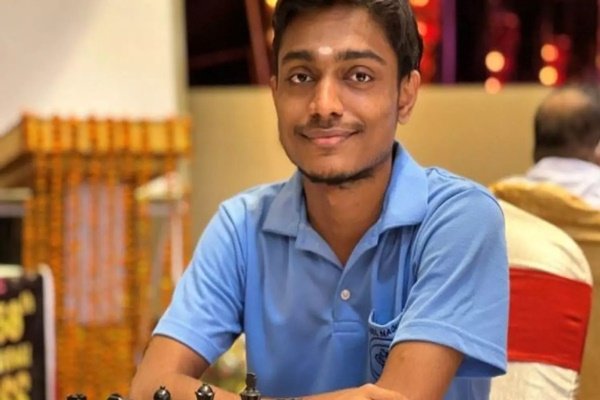
Indian Grandmaster Aravindh Chithambaram clinched the Prague Masters 2025 Chess title on March 7, 2025. Chithambaram finished the tournament with six points.
He settled for a draw against Turkey’s Ediz Gurel in the final round. Chithambaram’s title win was confirmed after Dutch Grandmaster Anish Giri defeated India’s R. Praggnanandhaa in the last round.
Chithambaram secured the championship and finished a full point ahead of the rest of the field. R. Praggnanandhaa ended his campaign with five points out of nine after his loss to Giri. With this victory, Grandmaster Arvind broke into the world’s top 15.
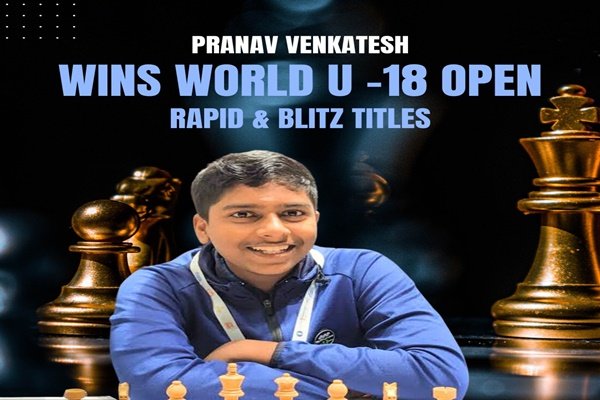
The chess world witnessed a historic moment on March 7, 2025, as 18-year-old Indian Grandmaster Pranav Venkatesh claimed the FIDE World Junior Championship 2025 title in Montenegro.
With this outstanding victory, Pranav became the fourth Indian player to win the prestigious World Junior title, following in the footsteps of Viswanathan Anand, Pentala Harikrishna, and Abhijeet Gupta.
Q: Where will the Khelo India Para Games 2025 be held from March 20th to 27th?
A) Mumbai B) Bengaluru C) New Delhi D) Hyderabad
Show Answer
Answer: C) New Delhi The Khelo India Para Games 2025 is set to take place in New Delhi from March 20th to 27th.
Q: When is Jan Aushadhi Diwas celebrated?
a. March 7th b. January 26th c. August 15th d. October 2nd
Show Answer
Ans: a. March 7th Jan Aushadhi Diwas, celebrated on March 7th, is dedicated to raising awareness about the Pradhan Mantri Bhartiya Janaushadhi Pariyojana (PMBJP).
Q: Which organization organizes Sahityaotsav – Festival of Letters, from March 7 to 12 at Rabindra Bhavan, New Delhi.?
A) National Book Trust B) Sahitya Akademi C) Indian Council for Cultural Relations D) Ministry of Education
Show Answer
Answer: B) Sahitya Akademi Sahitya Akademi is hosting its annual Festival of Letters, Sahityaotsav 2025, from March 7 to 12 at Rabindra Bhavan, New Delhi. This is Asia’s largest literature festival.