Posts

  • States and Capitals of India 2024 PDF

    India is the seventh largest country in the world and also the second most populous country. It is located in southern Asia. It is officially known as the Republic of India. It is governed by the parliamentary form of government. There are total 28 states and 8 union territories in India. PDF include list of all States and Capitals of India in the year 2024 is provided for free download.

    There are a total of 400 cities in India. There are eight metropolitan cities in India and they are Kolkata, Mumbai, New Delhi, Chennai, Hyderabad, Bangalore, Ahmedabad and Pune.

    The 28 Indian states and and 8 union territories with their capitals are as follows.

    States and Capitals of India :

    StatesCapital
    Andhra PradeshAmaravati
    Arunachal PradeshItanagar
    AssamDispur
    BiharPatna
    ChhattisgarhRaipur
    GoaPanaji
    GujaratGandhinagar
    HaryanaChandigarh
    Himachal PradeshShimla
    JharkhandRanchi
    KarnatakaBengaluru
    KeralaThiruvananthapuram
    Madhya PradeshBhopal
    MaharashtraMumbai
    ManipurImphal
    MeghalayaShillong
    MizoramAizawl
    NagalandKohima
    OdishaBhubaneswar
    PunjabChandigarh
    RajasthanJaipur
    SikkimGangtok
    Tamil NaduChennai
    TelanganaHyderabad
    TripuraAgartala
    Uttar PradeshLucknow
    UttarakhandDehradun (Winter)
    Gairsain (Summer)
    West BengalKolkata

    Union Territories and Capitals of India

    Union Territories NameCapital
    Andaman and Nicobar IslandsPort Blair
    ChandigarhChandigarh
    Dadra & Nagar Haveli and Daman & DiuDaman
    DelhiNew Delhi
    Jammu and KashmirSrinagar (Summer)
    Jammu (Winter)
    LakshadweepKavaratti
    PuducherryPondicherry
    LadakhLeh

    Download : States and Capitals of India 2024 PDF

    Prepared by : GK Now
    Source : https://knowindia.india.gov.in/states-uts/
    Compiled by : GKNOW.IN
    Number of PDF Pages : 3

  • List of Rivers Originating from Himalayas

    List of Indian Rivers originating from Himalayas with Notes in Hindi and English with PDF to improve General Knowledge for Competitive exams.

    The rivers originating from the Himalayas are divided into 3 systems:

    Indus River System

    • It starts from Mansarovar Lake, Tibet.
    • The river is 2900 km long.
    • Rivers joining the Indus River:
      • Jaskar, Nubra, Shyok and Hunza join the river in Ladakh.
      • Sutlej, Beas, Ravi, Chenab and Jhelum join the Indus River near Mithankot in Pakistan.
    • It passes through Jammu and Kashmir, Ladakh, Himachal, Punjab and Pakistan.
    • It joins the Arabian Sea at Karachi.

    Ganga River System

    • Ganga River is 2500 km long.
    • Rivers joining the river:
      • Bhagirathi is the main stream. Alaknanda River joins it.
      • Yamuna, Ghaghra, Gandak and Kosi River join it.
    • It joins the Bay of Bengal.

    Brahmaputra River System

    • It starts from Mansarovar Lake, Tibet.
    • The river is 2900 km long.
    • It meets the Bay of Bengal.
    • Ganga and Brahmaputra together form the biggest delta, its name is Sundarban Delta.

    Question: According to the Indus Water Treaty, how much water of the Indus River can India use?

    a) 30 percent
    b) 50 percent
    c) 20 percent
    d) 10 percent

    Answer: c) 20 percent

    हिमालय से निकलने वाली नदियाँ

    हिमालय से निकलने वाली नदियों को ३ तंत्र मे भाग किया गया है:

    सिन्धु नदी तंत्र

    • मानसरोवर झील , तिब्बत से शुरुवात होती है।
    • नदी २९०० km लंबी है।
    • सिन्धु नदी में मिलने वाली नदिया:
      • जास्कर, नूबरा, श्योक और हुंजा लद्दाख में नदी मिलती है।
      • सतलुज, व्यास, रवी, चेनाब और झेलम पाकिस्तान में मिठानकोट के पास सिंधु नदी मे मिलती है।
    • जम्मू-कश्मीर, लद्दाख , हिमाचल, पंजाब और पाकिस्तान से हो कर गुजरते है।
    • कराची मे अरब सागर मे मिल जाती है।

    गंगा नदी तंत्र

    • गंगा नदी २५०० km लंबी हैं।
    • नदी में मिलने वाली नदिया:
      • भागीरथी मुख्य धारा है। इसके साथ अलकनंदा नदी मिलती है।
      • यमुना, घाघरा, गंडक और कोसी नदी मिलती है।
    • बंगाल की खाड़ी मे मिल जाती है।

    ब्रह्मपुत्र नदी तंत्र

    • मानसरोवर झील , तिब्बत से शुरुवात होती है।
    • नदी २९०० km लंबी है।
    • बंगाल की खाड़ी मे मिल जाती है।
    • गंगा और ब्रह्मपुत्र मिलकर सबसे बड़ा डेल्टा बनाते हैं इसका नाम सुंदरबन डेल्टा है।

    सवाल: सिंधु जल समझौते के अनुसार भारत सिंधु नदी का कितना जल उपयोग कर सकते हैं?
    a)३० प्रतिशत 
    b)५० प्रतिशत 
    c)२० प्रतिशत 
    d)१० प्रतिशत 

    उत्तर: c)२० प्रतिशत 

    Download : List of Rivers Originating from Himalayas PDF

  • United Nations Organization PDF

    List of United Nations Organization Pdf with Headquarters, Acronyms and Establishment year for Competitive exams General Knowledge.

    The United Nations (UN) is a international organization which maintain international peace and security, develop friendly relations among nations, achieve international cooperation, and serve as a center for harmonizing the actions of nations by using political and diplomatic means. 

    List of UN Organizations

    S. No.AcronymsAgencyHeadquartersEstablished
    1FAOFood and Agriculture OrganizationRome, Italy1946
    2IAEAInternational Atomic Energy AgencyVienna, Austria1957
    3ICAOInternational Civil Aviation OrganizationMontreal, Quebec, Canada1947
    4IFADInternational Fund for Agricultural DevelopmentRome, Italy1977
    5ILOInternational Labor OrganizationGeneva, Switzerland1919
    6IMOInternational Maritime OrganizationLondon, United Kingdom1948
    7IMFInternational Monetary FundWashington, D.C., United States1945
    8ITUInternational Telecommunication UnionGeneva, Switzerland1865
    9UNESCOUnited Nations Educational, Scientific and Cultural OrganizationParis, France1945
    10UPUUniversal Postal UnionBern, Switzerland1947
    11WBGWorld Bank GroupWashington, D.C., United States1945
    12WIPOWorld Intellectual Property OrganizationGeneva, Switzerland1974
    13WMOWorld Meteorological OrganizationGeneva, Switzerland1950
    14UNWTOUnited Nations World Tourism OrganizationMadrid, Spain1974
    15UNODCUnited Nations Office on Drugs and CrimeVienna, Austria1997
    16WHOWorld Health OrganizationGeneva, Switzerland1948
    17UNHCROffice of United Nations High Commissioner for RefugeesGeneva, Switzerland1950
    18WFPOffice of United Nations World Food ProgramRome, Italy1961

    Download : United Nations Organization PDF

    Name : United Nations Organization
    Medium : English
    Number of pages : 1

    Free download list United Nations Organization from below button:

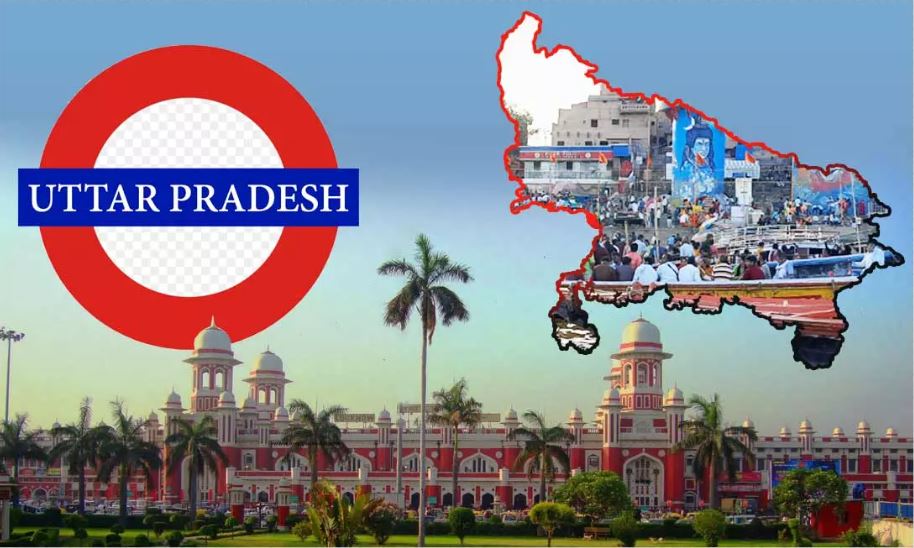
  • UNESCO World Heritage Site in Uttar Pradesh

    Uttar Pradesh has 6 UNESCO World Heritage Sites all of which are located near Agra. Uttar Pradesh is a home to the 20 crore population of India and a rich history whom made thee heritage sites have different culture, beliefs and different art pattern. Below is the UNESCO World Heritage Site list and detail is provided.

    UNESCO World Heritage SiteLocationUNESCO Inscription Year
    Taj MahalAgra1983
    Agra FortAgra1983
    Fatehpur SikriAgra1986
    SarnathVaranashi1988
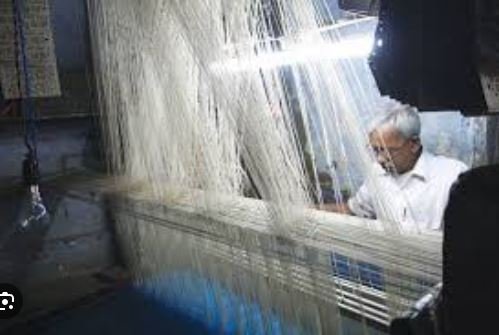
    Iconic Saree Weaving Cluster of India Varanasi2014
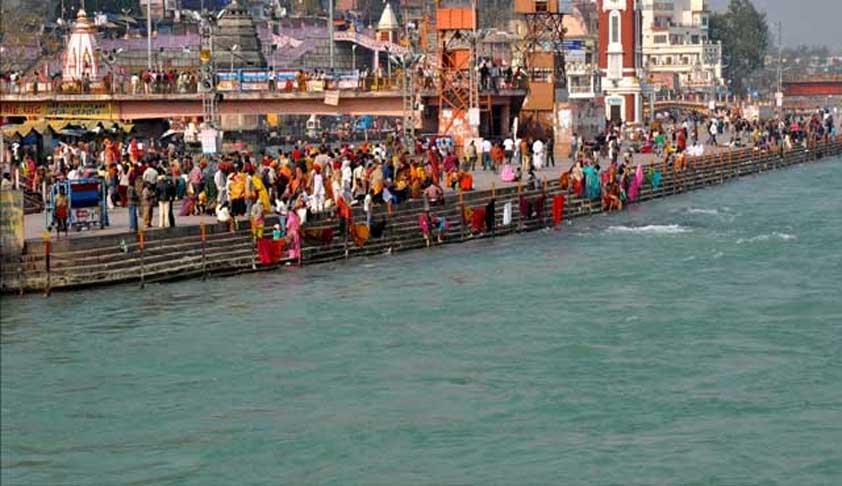
    Varanasi RiverfrontVaranasi2021

    Taj Mahal

    Taj Mahal is located in Agra, Uttar Pradesh, India near the right bank of river Yamuna. It is a is mausoleum, which was build by Mughal Emperor Shah Jahan in memory of his wife Mumtaz Mahal. Taj Mahal is made of ivory white marbel.

    Taj Mahal

    Agra Fort

    It is located in Agra, Uttar Pradesh. It has served as the residence of Mughal dynasty during rule. It is spread over 94 acres.

    Fatehpur Sikri

    It is located 30 km outside of Agra. It was founded as the capital city of Mughal empire by Akbar The Great. It is built largely from red sandstone, the fortresses, palaces, mosques, gardens and audience halls are all distinctive and unique.

    Sarnath

    It is a place located 10 kilometres northeast of Varanasi, near the confluence of the Ganges and the Varuna rivers in Uttar Pradesh, India. Here, Gautama Buddha taught his first sermon after attaining enlightenment.

    Iconic Saree Weaving Cluster of India 

    The Iconic Saree Weaving Cluster of India consists of Eight clusters, two of them are located in Uttar Pradesh. Banaras and Mubarakpur are commonly known for having the iconic settlements of saree weavers in India.

     Varanasi Riverfront

    Located in Varanasi. Site stretches over a big area in front of the River Ganga and is an active spot for activities such as religious festivities and rituals. It is consisting of a symbolic chain of 84 ghats along with several temples and buildings of spectacular architecture.

  • Most populated state in India – Uttar Pradesh

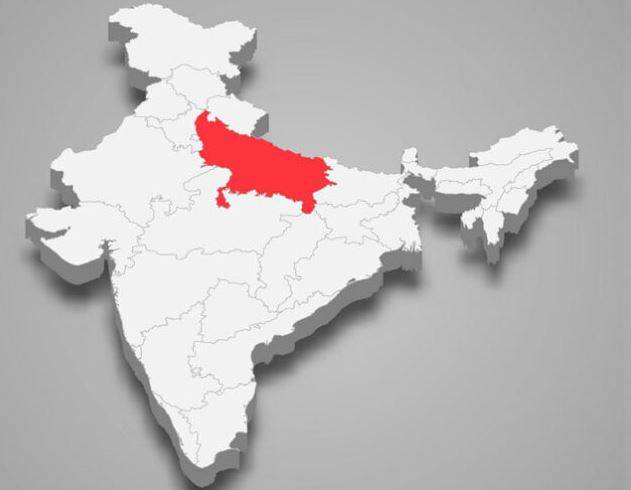
    Uttar Pradesh is the most populated state in India and the most populous country subdivision in the world. As per Census 2011 data, information about population of Uttar Pradesh is provided below.

    1. 19.98 crores is the population of Uttar Pradesh.
    2. Male and Female are 104,480,510 and 95,331,831 respectively.
    3. Population growth from 2001 to 2011 is 20.23 percent and in the previous decade 1991 to 2001 was 25.80 percent.
    4. The population of Uttar Pradesh forms 16.50 percent of total population of India.
    5. Sex ratio in Uttar Pradesh is 912 female over 1000 males.
    6. Uttar Pradesh literacy rate is overall 67.68 percent. Male literacy is 77.28 % and Female literacy is 57.18 %.
    7. Projected population of 2023 is 24.14 crores.
    8. 79.23 Percent of total population are Hindu and 19.26 Percent Muslim comprises of the population.
    9. 22.27 percent population live in urban areas.
    Uttar Pradesh

    Uttar Pradesh Metropolitan Regions Population

    Large Metropolitan RegionPopulation
    Kanpur2,920,496
    Lucknow2,902,920
    Ghaziabad2,375,820
    Agra1,760,285
    Varanasi1,423,711
    Meerut1,420,902
    Allahabad1,212,395
    Bareilly985,752
    Aligarh911,223
    Gorakhpur694,889

    The Most Populated States in India – As per 2011 census

    State/Union TerritoryTotal population
    1. Uttar Pradesh19,98,12,341
    2. Maharashtra11,23,74,333
    3. Bihar10,40,99,452
    4. West Bengal9,12,76,115
    5. Andhra Pradesh8,45,80,777
    6. Madhya Pradesh7,26,26,809
    7. Tamil Nadu7,24,47,030
    8. Rajasthan6,85,48,473
    9. Karnataka6,10,95,297
    10. Gujarat6,04,39,692

    Uttar Pradesh is the fourth-largest Indian state by area occupying 243,286 km2 (93,933 sq mi), equal to 7.3 per cent of the total area of India. On 9 November 2000, a new state, Uttaranchal (now Uttarakhand), has been created from Uttar Pradesh’s western Himalayan hill region. The forest cover is 6.1 per cent of the state’s geographical area. The area that is cultivable is 82 per cent of the total geographical area. In terms of Net State Domestic product (NSDP), Uttar Pradesh the fourth-largest economy in India,  contributing around 8.4% of India’s gross domestic product. Uttar Pradesh has a rich culture and traditions which are followed by Uttar Pradesh people all over the world.

  • Uttar Pradesh Language

    Official Language of Uttar Pradesh for administrative use is Hindi and Urdu is co-official. Hindi is the most spoken language in Uttar Pradesh.

    Bhojpuri is the second most spoken. For scripting purpose in office Devanagari script is used. In this blog we will be giving information about the languages spoken and written in Uttar Pradesh.

    Uttar Pradesh Language :

    1. Hindi
    2. Bhojpuri
    3. Urdu

    Hindi

    It is referred Indo-Aryan language from the Indo-European language family which is spoken chiefly in North India, and is also used in the Hindi Belt region encompassing parts of northern, central, eastern, and western India. Hindi, written in the Devanagari script, is one of the two official languages of the Government of India, along with English. Official language written in document in UP government is Devanagari script of Hindi.

    Bhojpuri

    Bhojpuri  is an Indo-Aryan language native to the Bhojpur-Purvanchal region . It is chiefly spoken in eastern Uttar Pradesh, western Bihar and western Jharkhand in India. It is an eastern Indo Aryan language is a descendant of Magadhi Prakrit and is related to Maithili, Magahi, Bangla, Odia,  Assamese, and other eastern Indo-Aryan languages.

    Urdu

    Urdu  co official language of Uttar Pradesh

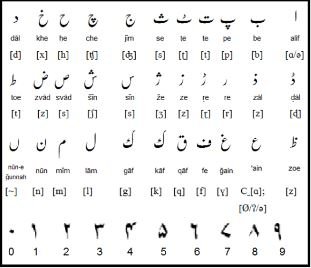
    Co-Official language of Uttar Pradesh is Urdu. It is an Indo-Aryan language spoken chiefly in South Asia. In India, Urdu is an Eighth Schedule language, its status and cultural heritage of this language are recognised by the Constitution of India; and it also has an official status in several Indian states including Uttar Pradesh. Urdu and Hindi share a common Sanskrit- and Prakrit-derived vocabulary base. Urdu is written in the Nastaliq style.

    Conclusion :

    Thank you students, for reading and understanding about the languages of Uttar Pradesh. The three top languages spoken, written and official were presented here. Stay tuned to this site for current affairs and general awareness Blog post.

  • Folk songs of Uttar Pradesh

    The folk songs of Uttar Pradesh are unique to its people. These songs are celebrated all over the India through visiting peoples from Uttar Pradesh region. Many people from Uttar Pradesh are residing in different parts of India and World. This unique song form are conserved by this people all over the world.

    In this blog we are presenting the names and details of folk songs .

    1. Bhajan
    2. Kajri
    3. Kaharwa
    4. Nauka Jhakkad
    5. Sohar

    Folk songs of Uttar Pradesh

    Bhajan

    Folk songs of Uttar Pradesh

    Bhajans are devotional songs and sung for the Hindu deities like Lord Ram, Lord Krishna, Lord Shiva and others.

    Kajri

    This song is celebrated on Teej and Sawan. This song is sing near the start of monsoon. It talks about the beauty of ecology, the black cloud and thunder. It celebrates the beauty of nature and longing of a beloved and separation of loved ones.

    Kaharwa

    It is practised in the near region of Ganges and Yamuna. This song describes the everyday problems, love, romance and social issues. Kaharwa taal is having an eight-beat cycle.

    Nauka Jhakkad

    It is sung during Boat race and during river activities. Nauka Jhakkad means Rocking the Boat .

    Sohar

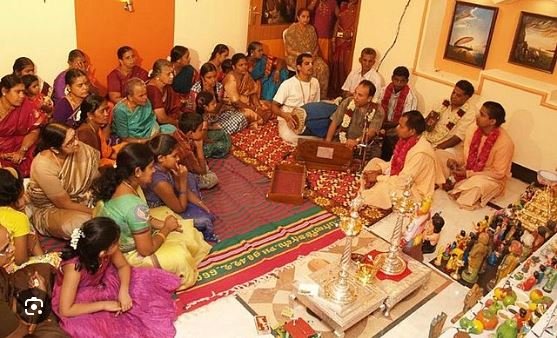
    This song as well as dance is performed for the celebration of the birth of a child. In this women typically make a circle and dance along the circle on the rhythm of dholak and song. Song is orated by women. It is symbol of unity, tradition and celebrating a new life.

    Thank you for visiting this blog we have presented here Folk songs of Uttar Pradesh. This interesting music is giving Uttar Pradesh people delightful experience as well as devotional nature that brings people near goodness and God. All of this are the needs that have been provided with songs for creating awareness as well as followers devotionally.

  • Bird Sanctuaries in Uttar Pradesh

    The list and details of important Bird Sanctuaries in Uttar Pradesh (UP) are discussed in this blog. The main birds sanctuaries in alphabetical order includes ; Baakhira, Lakh Bahosi, Nawabgunj, Parvati Aranga, Patna, Saman, Sandi, Sur and Vijai Sagar.

    Bakhira Bird Sanctuary

    Location: Sant Kabir Nagar district

    It is situated 44 km west of Gorakhpur city.Spread over 29 hectares, it is located on the banks of the river Ghaghra. Siberians birds travel across 5000 km to get to these wetlands at the time of winter’s.

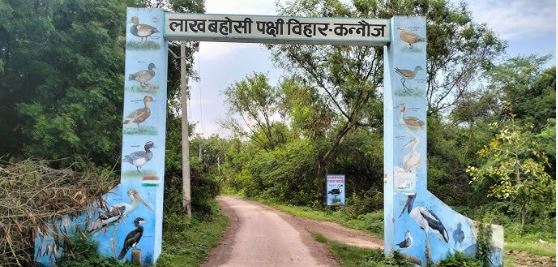
    Lakh Bahosi Bird Sanctuary

    Location: Kannauj district

    Bird Sanctuaries in Uttar Pradesh

    It is spread over two shallow lakes near the villages of Lakh and Bahosi (about 4 km apart) in Kannauj district, Uttar Pradesh, India. It is about 40 km from Kannauj. Bird species from 49 genera (of the 97 inhabiting India) can be seen at the sanctuary. It is one of the largest bird sanctuary in India, covering 80 km2 includes also a stretch of the Upper Ganges canal. 

    Nawabganj Bird Sanctuary

    Location: Unnao district

    It is located  on the Kanpur-Lucknow highway and consist of a lake and the surrounding environment. It is  wetland. It is spread over an area of 2,800 hectares . The sanctuary provides protection for 250 species of migratory birds mostly from CIS countries.

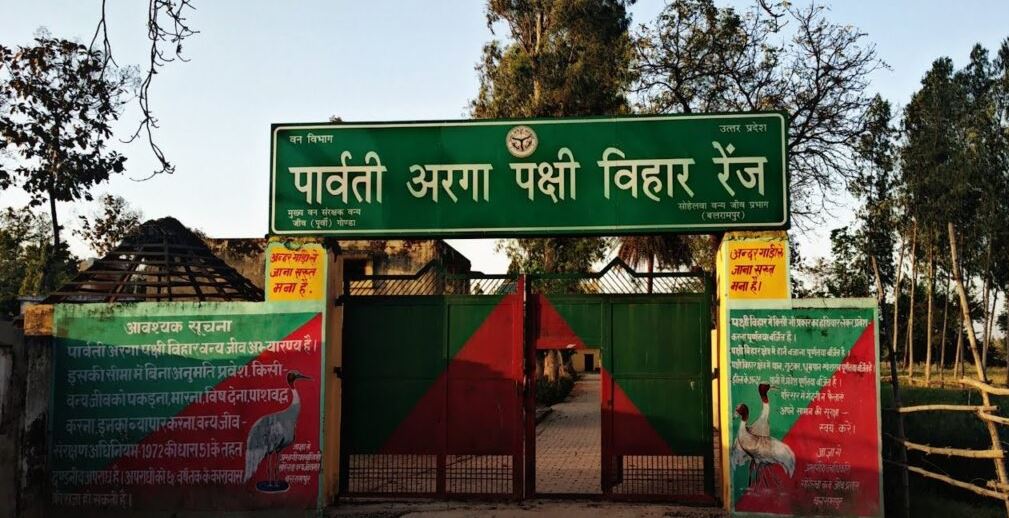
    Parvati Aranga Bird Sanctuary

    Location: Gonda district

    Bird Sanctuaries in UP

    Parvati Aranga Bird Sanctuary is located in the Gonda District and is about 45 Km. from Gonda at Mankapur-Nawabganj Road and Mankapur-Faizabad Railway Line in state of Uttar Pradesh, India. This sanctuary is spread over an area of 1084.47 ha. It is known for its diverse birdlife included residents and migratory birds like Kingfisher and Osprey.

    Patna Bird Sanctuary

    Location: Etah district

    It is situated near town Jalesar  (Bell City) . It is a protected area and it is important wintering ground for migratory birds. This has over 200 species of resident and migratory birds, including the critically endangered Egyptian vulture. It is the smallest bird sanctuary in Uttar Pradesh.

    Saman Bird Sanctuary

    Location: Mainpuri district

    It is occupying an area of 5.68 hectares, located on the banks of the river Yamuna and is known for its diverse avifauna.

    Sandi Bird Sanctuary

    Location: Mainpuri district

    It is 1 Km from the Sandi town, 19 Km from city Hardoi and 129 Km from Lucknow, the state capital. It is protected area. Lake’s area is 309 ha. It is protected to protect residential bird , aquatic life and migratory birds.

    Sur Sarovar Bird Sanctuary

    Location: Agra district

    It is located in Mathura-Delhi Highway. Soor Sarovar bird sanctuary covers an area of 7.97 sq km. In this sanctuary there is a large lake covering area of 2.25sq km with depth wearing from 4 meter to 8 meter. Today it is home to more than 165 species of migratory and resident birds.

    Vijai Sagar Bird Sanctuary

    Location: Bulandshahr district

    This Sanctuary is occupying an area of 369 hectares, and this sanctuary is located on the banks of the river Ganges and is home for a variety of resident and migratory birds.

    Thanks for visit and enjoy the reading of Bird Sanctuaries in Uttar Pradesh blog.

  • Uttar Pradesh History

    The important points of Uttar Pradesh (UP) History during different rule, has been provided in this blog. These points are very useful for the students preparing for Uttar Pradesh Civil Services Exam – UPPSC PCS and UPSC IAS.

    Uttar Pradesh history :

    The Uttar Pradesh History is divided into following period :

    1. Prehistory and Mythology (up to c. 600 BCE)
    2. The Buddhist- Hindu Period (c. 600 BCE to c. 1200 CE)
    3. The Muslim Period (c. 1200 to c. 1775)
    4. The British Period (c. 1775 to 1947)
    5. The Post-Independence Period (1947 to the present)

    Prehistory and Mythology (up to c. 600 BCE)

    1. Archaeological findings reveal insights in modern-day Uttar Pradesh, dating back to around 10,000 BCE.
    2. Vedic literature and ancient Indian epics like the Ramayana and Mahabharata are providing crucial knowledge about the region before the 7th century BCE.
    3. The Mahabharata is set around Hastinapur, whereas the Ramayana is centered on Ayodhya, the birthplace of Lord Rama.
    4. Mathura and Vrindavan are mythological sites associated with the birth of Krishna, another incarnation of Vishnu.

    The Buddhist- Hindu Period (c. 600 BCE to c. 1200 CE)

    1. The history of India and Uttar Pradesh trace back to the end of the 7th century BCE, which is marked by the dominance of 16 great states in northern India, from which seven were falling within the boundaries of present-day Uttar Pradesh.
    2. From the 5th century BCE to the 6th century CE, the region was under the control of Magadha in Bihar and later Ujjain in Madhya Pradesh. Rulers included Chandragupta , Ashoka , Samudra Gupta, Chandra Gupta II , and Harsha.
    3. Harsha, a ruler who reigned from around 606 to 647 CE, controlled Uttar Pradesh from capital at Kanyakubja (modern Kannauj) and extending his rule over the parts of present-day Bihar, Madhya Pradesh, Punjab, and Rajasthan.
    4. The evolution of religion saw Brahmanism emerge from the ancient Vedic religion by the 6th century BCE, later it evolved into classical Hinduism by the 2nd century BCE. Buddhism, founded by Buddha, is spread across India, including Uttar Pradesh, with significant sites such as Sarnath and Kushinagara.
    5. In the beginning , Buddhism and Brahmanic or Hindu culture coexisted, the Buddhist art was flourishing under Ashoka’s reign and Hindu art reached its peak during the Gupta dynasty (4th to 6th century CE).
    6. After Harsha’s death, around 647 CE, there was a decline in Buddhism and a revival of Hinduism, which was led by philosopher Shankara, whom believed to have established the famous Badrinath temple in the Himalayas after visiting Varanasi and traveling through the plains of Uttar Pradesh.

    The Muslim Period (c. 1200 to c. 1775)

    1. Muslim incursions began around 1000–30 CE, but Muslim rule over northern India, was established at late 12th century by Muʿizz al-Dīn Muḥammad ibn Sām (Muḥammad Ghūrī).
    2. For almost 600 years, Uttar Pradesh was ruled by various Muslim dynasties, which was centered in or near Delhi, starting with the Delhi Sultanate.
    3. In 1526, Bābur, a descendant of Genghis Khan and Timur, defeated Sultan Ibrāhīm Lodī and then founded the Mughal dynasty, which was dominated the subcontinent for over 200 years, centered in Uttar Pradesh.
    4. Under Akbar’s reign (1556–1605), the Mughal Empire promoted a new composite culture that blended elements of Hinduism and Islam. Akbar’s court was full of eminent figures in architecture, literature, painting, and music, regardless of caste or creed.
    5. The Mughal era saw the rise , such as Ramananda’s bhakti sect and Kabīr’s teachings marking the importance of the unity of religions.
    6. Decline of the Mughal Empire in the 18th century led to shift of cultural centers from Delhi to Lucknow, where under the nawab of Oudh, art, literature, music, and poetry flourished in an environment of communal harmony.

    The British Period (c. 1775 to 1947)

    1. The East India Company acquired present-day Uttar Pradesh over 75 years, which is from the late 18th century to the mid-19th century, by taking territories from various powers including nawabs, the Sindhias of Gwalior, and the Gurkhas of Nepal.
    2. Uttar Pradesh then part of the Bengal Presidency, these territories were separated in 1833 to form North-Western Provinces (later the Agra Presidency), which included annexed kingdom of Oudh in 1856, forming United Provinces in 1877.
    3. The Indian Mutiny of 1857–58, which was in the United Provinces, it was a widespread revolt against the East India Company, leading to the transfer of administration from the Company to British crown in 1858.
    4. The United Provinces played a significant role in the rise of Indian nationalism, producing important leaders like Motilal Nehru, Pandit Madan Mohan Malaviya, Jawaharlal Nehru, and Purushottam Das Tandon.
    5. Mohandas (Mahatma) Gandhi’s noncooperation movement of 1920–22 had found strong support in the United Provinces but suspended after mob violence in Chauri Chaura.
    6. The United Provinces witnessed extensive development, including establishment of canals, railways, and modern education institutions.

    Uttar Pradesh history : The Post-Independence Period (1947 to the present)

    Uttar Pradesh History
    1. In 1947, the United Provinces became part of independent India and was renamed Uttar Pradesh in 1950 under the new Indian constitution.
    2. Uttar Pradesh played a significant role in Indian politics, producing several prime ministers like Jawaharlal Nehru, Indira Gandhi, and Atal Bihari Vajpayee, along leaders of national opposition parties like Acharya Narendra Dev and Mulayam Singh Yadav.
    3. State-level politics in Uttar Pradesh characterized by frequent shifts in government control between parties like the BJP, SP, and BSP since the early 1990s.
    4. Instances of direct central government control occurred, notably in 1992–93 following rioting after the destruction of Babri Masjid in Ayodhya.
    5. Unrest in Himalayan regions of Uttar Pradesh led to demands for a separate state. This culminated in the formation of Uttaranchal (now Uttarakhand) in November 2000, carving the northwestern part of Uttar Pradesh.
  • Famous Food of Uttar Pradesh

    Uttar Pradesh is famous for the food varieties and tasty food it offers. Due to present of different culture in Uttar Pradesh many different food habits and different type of dishes can be find. Every dish in Uttar Pradesh is mouth watery. Here we are providing you with a list Uttar Pradesh Famous food. Their taste makes this dishes famous. Uttar Pradesh should be in bucket list of people to have the flavor of the dishes.

    Famous Food of Uttar Pradesh

    famous food of uttar pradesh

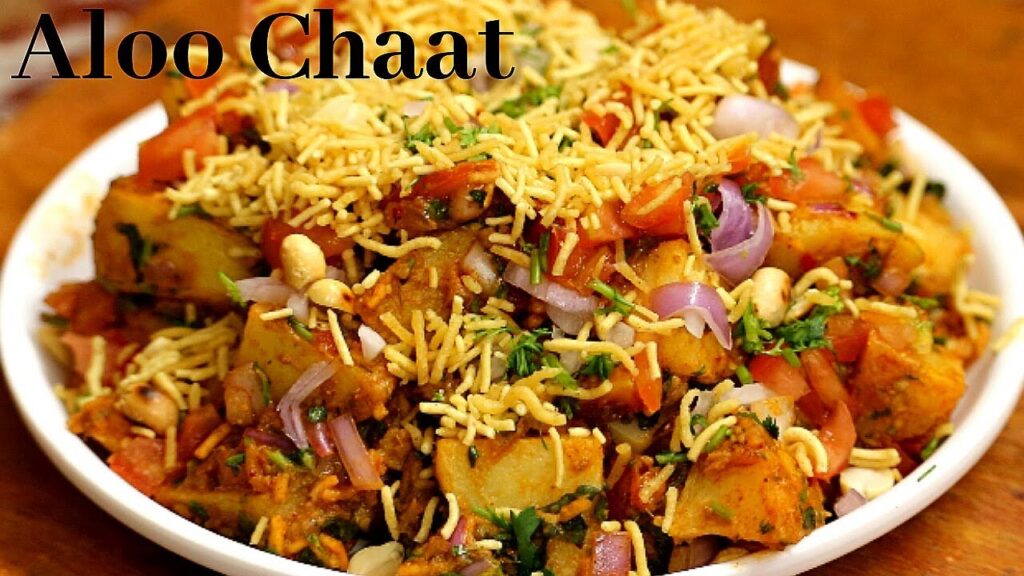
    Chaat : Chaat is a mixture of potato vegies , Chola, Bhel (Namkeen)and Aloo Tiki (similar to the Tiki used in burger ) popular variants included Alu Tikkis or Samosa (garnished with onion, potatoes, coriander, peas, hot spices and a dash of yogurt), Bhel puri, Dahi puri, Panipuri, Dahi vada, Papri chaat, and Sev puri.

    Biryani : It is made with rice, some type of meat for non- veg people(chicken, goat, pork, lamb, beef, prawn, or fish) and spices. For vegetarians, it is prepared by substituting vegetables or paneer for the meat.

    Boondi : It is made from fried chickpea flour. It is taken as dessert.

    Dum bhindi : Potato and fried Ladyfinger .

    Egg curry: Egg in a tomato curry.

    Kofta: stuffed vegetables in a Calabash.

    Litti chokha: Stuffed protein food in wheat cover.

    Pakora: Fried bread ,

    Palak paneer: Spinach gravy and paneer .

    Tehri: Rice cooked with a little amount of turmeric adding to the flavour.

    Poori: Oil and Wheat is mixed . Then slices are made and fried in oil and the poori is just delicious.

    Raita: Tomato , Onion and Calabash peals are added in curd and mixed till the curd become smooth.

    Rajma: Red kidney beas are made in a Tomato, Onion Curry.

    Chole : chickpea are made in a Tomato, Onion Curry.

    Petha : This is eaten as dessert it is sweet and made from pumpkin.

    Other items

    • Pasanda paneer 
    • Samosa
    • Shab deg 
    • Kalmi kebab
    • Shami kabab 
  • Uttar Pradesh Airport List

    We are providing the list of Airport in Uttar Pradesh from where commercial flights operates for General Knowledge and Awareness. Uttar Pradesh has a vast geographical area. Connectivity is necessary for each part of any state. Uttar Pradesh has airport connectivity at various locations covering entire state of Uttar Pradesh. These airport have been categorised as Domestic, International according to whether the flights operated are going in India or is going to outside India.

    List of Airport in Uttar Pradesh

    Airport nameDistrictAirport typeOwned/operated by
    Agra AirportAgraDomestic MoD and AAI
    Aligarh AirportAligarhDomesticGovt. of UP and AAI
    Maharishi Valmiki International AirportAyodhyaInternationalAAI
    Azamgarh AirportAzamgarhDomesticGovt. of UP and AAI
    Bareilly AirportBareillyDomestic MoD and AAI
    Chitrakoot AirportChitrakootDomesticGovt. of UP and AAI
    Gorakhpur AirportGorakhpurDomestic MoD and AAI
    Kanpur AirportKanpurDomestic MoD and AAI
    Kushinagar International AirportKushinagarInternationalAAI
    Chaudhary Charan Singh International AirportLucknowInternationalLIAL
    Moradabad AirportMoradabadDomesticAAI
    Noida International AirportGautam Budh NagarInternationalZurich Airport AG
    Prayagraj AirportPrayagrajDomestic MoD and AAI
    Shravasti AirportShravastiDomesticGovt. of UP and AAI
    Lal Bahadur Shastri International AirportVaranasiInternationalAAI
    Uttar Pradesh Airport list

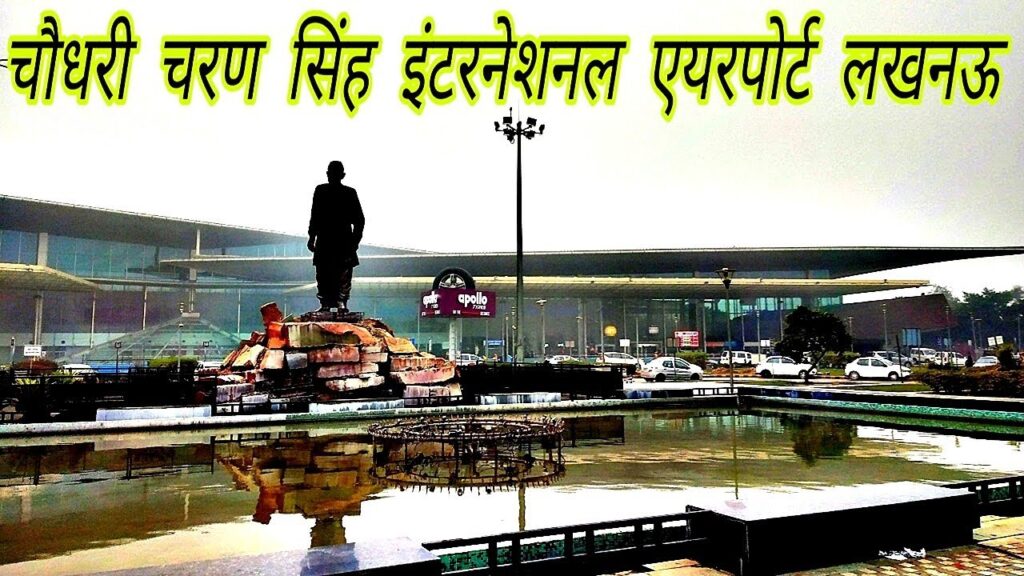
    Chaudhary Charan Singh International Airport

    Situated in Lucknow, the capital city of Uttar Pradesh, it is one of the busiest airports in the state. It is a International airport. Chaudhary Charan Singh was a former prime minister and honoured by Bharat Ratna.  It handled 6.2 million passengers, which means more than 45,500 aircraft movements in the fiscal year 2023–2024. Lucknow Aerocity is being constructed around airport.

    Lal Bahadur Shastri International Airport

    It is a international airport serving the city of Varanasi, which is one of the oldest inhabited cities in the world and a significant religious center in India. It is handling more than 2 million passenger traffic every annum. It is 20th busiest airport in India. Varanasi is the center from spiritual temples and also the art engraved on the temples. One can find many relatable things from extreme past to this area.

    Noida International Airport

    It is under construction. It is also known as Jewar airport as it is situated in Jewar in Gautam Budh Nagar district. It will be a international airport. It will be high traffic airport. It will serve the NCR (National Capital Region) and reduce the traffic load of Indra Gandhi International Airport, New Delhi.
    It is connected to various highways in Delhi NCR like Ghaziabad–Bulandshahr–Aligarh (NH-34) and Delhi–Ghaziabad–Meerut Expressway. Under construction points connecting roads are Yamuna Expressway, KGP Expressway and Delhi-Mumbai Expressway. It is being constructed to the international standards.

  • Uttar Pradesh All District List

    Uttar Pradesh (UP) all District List for General Knowledge and General Awareness for Competitive exams. Uttar Pradesh was established in 1950 after India become a republic. It is a born out of  United Provinces, established in 1935 by renaming the United Provinces of Agra and Oudh and in turn established in 1902 from the North-Western Provinces and the Oudh Province.

    Uttar Pradesh contributes 80 seats for Lok Sabha and 31 seats to Rajya Sabha. Hindi is the largest spoken language and also the official language along with Urdu.

    Uttar Pradesh District map

    Presently, Uttar Pradesh has 75 districts. The name of districts and their areas are mentioned in list in alphabetic order.

    List of Uttar Pradesh – All District

    S.NODistricts of Uttar PradeshDivisionArea (sq km)
    1AgraAgra4,041
    2AligarhAligarh3,788
    3Prayagraj (Allahabad)Prayagraj5,482
    4Ambedkar NagarAyodhya2,350
    5AmethiAyodhya2,651
    6AmrohaMoradabad2,249
    7AuraiyaKanpur2,016
    8AzamgarhAzamgarh4,054
    9BadaunBareilly4,234
    10BagpatMeerut5,237
    11BahraichGonda2,981
    12BalliaAzamgarh3,349
    13BalrampurGonda4,408
    14BandaChitrakoot4,402
    15BarabankiAyodhya4,120
    16BareillyBareilly2,688
    17BastiBasti4,561
    18BijnorMoradabad4,262
    19BulandshahrMeerut4,441
    20ChandauliVaranasi 2,541
    21ChitrakootChitrakoot3,216
    22DeoriaGorakhpur2,540
    23EtahAligarh2,431
    24EtawahKanpur2,311
    25AyodhyaAyodhya2,341
    26FarrukhabadKanpur2,181
    27FatehpurPrayagraj4,152
    28FirozabadAgra2,407
    29Gautam Buddha NagarMeerut720
    30GhaziabadMeerut1,179
    31GhazipurVaranasi3,377
    32GondaGonda4,003
    33GorakhpurGorakhpur3,321
    34HamirpurChitrakoot4,021
    35HapurMeerut649
    36HardoiLucknow5,986
    37HathrasAligarh1,840
    38Jalaun
    Jhansi
    4,565
    39JaunpurVaranasi4,038
    40Jhansi
    Jhansi
    5,024
    41KannaujKanpur2,093
    42Kanpur DehatKanpur3,021
    43Kanpur NagarKanpur3,155
    44KasganjAligarh1,955
    45KaushambiPrayagraj1,779
    46KushinagarGorakhpur7,680
    47Lakhimpur KheriLucknow2,905
    48Lalitpur
    Jhansi
    5,039
    49LucknowLucknow2,528
    50MaharajganjGorakhpur2,952
    51MahobaChitrakoot3,144
    52MainpuriAgra2,760
    53MathuraAgra3,340
    54MauAzamgarh1,713
    55MeerutMeerut2,559
    56MirzapurMirzapur4,405
    57MoradabadMoradabad2,233
    58MuzaffarnagarSaharanpur2,742
    59PilibhitBareilly3,686
    60PratapgarhPrayagraj3,717
    61Rae BareliLucknow3,937
    62RampurMoradabad2,367
    63SaharanpurSaharanpur3,689
    64Sant Kabir NagarBasti2,390
    65Sant Ravidas NagarMirzapur1,646
    66SambhalMoradabad1,015
    67ShahjahanpurBareilly4,388
    68ShamliSaharanpur1,266
    69ShravastiGonda1,640
    70SiddharthnagarBasti2,895
    71SitapurLucknow5,743
    72SonbhadraMirzapur6,905
    73SultanpurAyodhya2,457
    74UnnaoLucknow4,558
    75Varanasi (Kashi)Varanasi 1,535
  • Rivers in Uttar Pradesh (Full List)

    Uttar Pradesh is blessed with high number of rivers that passes its geography as well as those which merge into each other. List of Rivers in Uttar Pradesh with origin, and Joining Information in provided here. In Uttar Pradesh a great deal of spiritual culture is found to be associated to these above mentioned rivers. This rivers not only providing spiritual mindset in people but also provides water and soil in agriculture of the Uttar Pradesh.

    List of Rivers in Uttar Pradesh

    River NameOriginates FromOriginating State Joins WithJoining SateLength (km)
    GangaGangotri Glacier UttarakhandBay of BengalWest Bengal2,525
    YamunaYamunotri Glacier UttarakhandGanga in Prayagraj (Allahabad)Uttar Pradesh1,376
    GhagharaNear Mapchachungo Glacier TibetGanga in BiharUttar Pradesh1,080
    GomtiGomat Taal PilibhitGanga in VaranasiUttar Pradesh900
    BetwaVindhya Range Madhya PradeshYamuna in HamirpurUttar Pradesh590
    ChambalJanapav Hill Madhya PradeshYamuna in EtawahUttar Pradesh960
    KenNear village AhirgawanMadhya PradeshYamuna in BandaUttar Pradesh427
    RaptiSisarma Hill NepalGhaghara in Uttar PradeshUttar Pradesh525
    ShardaMilam Glacier UttarakhandGhaghara in BahraichUttar Pradesh350
    SaryuNear Sarmool TibetGhaghara Uttar Pradesh540
    SonAmarkantak Madhya PradeshGanga in PatnaBihar784
    VarunaNear Bhurh Jheel VaranasiGanga in VaranasiUttar Pradesh30
    TonsBandarpunch Range UttarakhandYamuna in YamunanagarHaryana250
    DhasanLalitpur Hills Madhya PradeshBetwa in HamirpurUttar Pradesh318
    SaiAjgain Hills Madhya PradeshYamuna in EtawahHaryana213
    GeruaKannauj district Uttar PradeshGanga in KannaujUttar Pradesh150
    KaliPithoragarh district UttarakhandSharda in BahraichUttar Pradesh350
    KuwanaKaterniaghat Wildlife Sanctuary Uttar PradeshGhaghara Uttar Pradesh130
    RihandSonbhadra district Uttar PradeshSon in Sonbhadra districtUttar Pradesh600
    Ganga River in Uttar Pradesh

    Ganga and Yamuna rivers

    Ganga and Yamuna rivers plains are the most fertile soils deltas in the whole regions. Rivers are god and bread weavers for this regions. Ganga and Yamuna both originates from the glaciers in the Uttarakhand. Yamuna merges in Ganga in Prayagraj living behind a beautiful scenery of their different coloured soil and water merging into one. That is also one of the main tourist and holy place in Uttar Pradesh. These different and small rivers are worshiped for providing holy and food bearing water to the residents. All rivers are hold and worshiped to the same extent as like the Ganges in North India. Ganges and other rivers canals have been created all over the region providing the agriculture the sufficient water it needs. Uttar Pradesh has become a food bearing geography by these canals.

  • Richest City of Uttar Pradesh

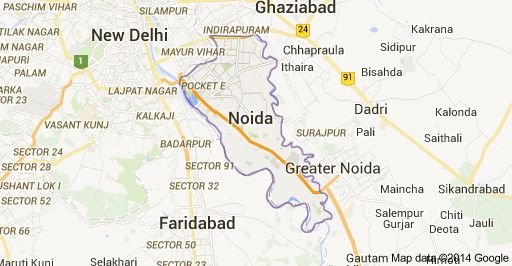
    Noida is the richest city in Uttar Pradesh. Noida full form is New Okhla Industrial Development Authority. This is located in Gautambudh Nagar district of Uttar Pradesh . Noida is well planned developed in infrastructure and a hub for electronics and information technologies industries. Many MNCs and big Indian firms has offices in Noida.

    Due to the well paid salaries to its employees this area has developed places like malls, restaurants and high rise building. This region is well connected by Delhi metro and this area is very near to the capital of India (Delhi). This is also real state owning and renting area . Modern businesses are well established in Noida.

    Jewar International airport (to be operational soon) situated in Gautambudh Nagar. Noida is also the hub for education for students, college and universities.

    Facts about Noida

    • The district’s administrative headquarters of Gautambudh Nagar district is in the nearby city of Greater Noida
    • This District contributes 10 percent of the total GDP of the Uttar Pradesh.
    • Noida is classified as a special economic zone (SEZ).
    • Noida falls under the catchment area of the Yamuna River, and it is located on the old river bed.

  • Topic Wise GK MCQ

    Topic Wise GK MCQ Questions in Hindi and English. History, Geography, Indian Polity and Constitution, Indian Economy, Art and Culture, General Science, Sports, Book and Miscellany Questions from the previous year exam paper.

    GK MCQ (English Medium)

    Indian History GK Questions

    More History Questions:

    Geography MCQ

    Polity and Indian Constitution MCQ

    Indian Economics MCQ

    General Science MCQ

    More Topic – Wise GK MCQ

    State wise GK MCQs for Competitive Exams

    GK Mock Practice Test ( in English)

    सामान्य ज्ञान MCQ हिंदी में

    🏛️ इतिहास (History GK MCQ)

    🗺️ भूगोल (Geography MCQ)

    🏛️ भारतीय संविधान

    💹 भारतीय अर्थव्यवस्था

    🔬 सामान्य विज्ञान

    🎨 अन्य विषय

    राज्यवार सामान्य ज्ञान:

    📝 GK MCQ मॉक टेस्ट (हिंदी में)

    Thanks for attempt the GK questions online practice set for preparation of competitive exams,

  • MCQ on Vijaynagara and Bahmani Kingdoms

    GK MCQ questions on Vijaynagara and Bahmani Kingdoms for preparation of competitive exams. Question Answer from previous year exam question paper of UPSC, SSC, Bank, UPSSSC.

    Qns 1 : Which among the following was the first dynasty of Vijayanagara?
    (a) Hoysala dynasty
    (b) Sangama dynasty
    (c) Suluva dynasty
    (d) Tuluva dynasty

    Answer
    (b) Sangama dynasty

    Qns 2 : Which among the following title was adopted by Deva Raya-II?
    (a) Gajabetegara
    (b) Andhara Bhoja
    (c) Dakshinapati
    (d) Abhinav Bhoja

    Answer
    (a) Gajabetegara

    Qns 3 : Which among the following Vijayanagara ruler patronised the Madhwa saint Sripadaraya and Kannada poet Kavi Linga?
    (a) Saluva Narasimha
    (b) Immadi Narasimha
    (c) Deva Raya II
    (d) Krishnadeva Raya

    Answer
    (a) Saluva Narasimha

    Qns 4 : Who was the founder of Tuluva dynasty?
    (a) Narasu Nayak
    (b) Immadi Narasimha
    (c) Vira Narasimha
    (d) None of the above

    Answer
    (c) Vira Narasimha

    Qns 5 : Which city was founded by Krishnadeva Raya?
    (a) Warangal
    (b) Nagalapur
    (c) Udayagiri
    (d) Khandragiri

    Answer
    (b) Nagalapur

    Qns 6 : Who got the monumental Rayagopurams in front of the temples at Hampi, Tiruvannamalai, Chidambaram, Sri Rangam, Tirupati etc constructed?
    (a) Vidyaranya
    (b) Krishnadeva Raya
    (c) Harihara
    (d) Rajaraja

    Answer
    (b) Krishnadeva Raya

    Qns 7 : Who among the ruler of Vijayanagar empire after successful campaign against Bahmani kingdom adopted the title “establisher of the Yavana Kingdom”?
    (a) Krishnadeva Raya
    (b) Saluva Narasimha
    (c) Deva Raya II
    (d) Achyuta Raya

    Answer
    (a) Krishnadeva Raya

    Qns 8 : Krishnadeva raya’s Amuktamalyada is a work on
    (a) his political ideas.
    (b) public administration.
    (c) administration of justice and foreign affairs.
    (d) All of the above

    Answer
    (d) All of the above

    Qns 9 : Which of the following are true about Krishnadeva Raya?
    (a) He was known as Andhra Bhoja.
    (b) He authored ‘Amuktamalyada’ book on polity in Telugu and also a Sanskrit drama called ‘Jambavati Kalyanam’.
    (c) His court has adorned by eight celebrated poets called ‘ashtadiggajas’
    (d) All of the above

    Answer
    (d) All of the above

    Qns 10 : The Vijayanagara Empire received its death blow at the battle of
    (a) Talikota in 1565
    (b) Panipat in 1661
    (c) Talikota in 1665
    (d) Raichur in 1510

    Answer
    (a) Talikota in 1565

    Qns 11 : The Battle of Talikota was fought between
    (a) Akbar and Sultan of Malwa.
    (b) Vijayanagara and the Bahmani Kingdom
    (c) Vijayanagara and combined forces of Bijapur, Ahmadnagar and Golconda.
    (d) Sher Shah and Humayun.

    Answer
    (c) Vijayanagara and combined forces of Bijapur, Ahmadnagar and Golconda.

    Qns 12 : Who among the following was the last dynasty of Vijayanagara Empire?
    (a) Saluva dynasty
    (b) Tuluva dynasty
    (c) Aravidu dynasty
    (d) Sangama dynasty

    Answer
    (c) Aravidu dynasty

    Qns 13 : Who among the following travellers was from Italy and visited Vijayanagar Kingdom in the fifteenth century?
    (a) Nikitin
    (b) Fa-Hien
    (c) Bernier
    (d) Nicolo Conti

    Answer
    (d) Nicolo Conti

    Qns 14 : Which one of the following pairs of travellers and their nationality is not correctly matched? [NDA 2019]
    (a) Ibn Battuta – Moroccan
    (b) Duarte Barbosa – Protuguese
    (c) Jean Baptiste Tavernier – Dutch
    (d) Niccolao Manucci – Venetian

    Qns 15 : The ruins of Vijayanagara (Hampi) were brought to public light in the year 1800 by the following surveyor and engineer.
    (a) James Prinsep
    (b) Colin Mackenzie
    (c) James Rennell
    (d) Charles Metcalf

    Answer
    (b) Colin Mackenzie

    Qns 16 : The rulers of Vijaynagar promoted
    (a) Hindi, Marathi and Sanskrit
    (b) Malayalam, Tamil and Sanskrit
    (c) Tamil, Telugu and Sanskrit
    (d) Telugu, Urdu and Sanskrit

    Answer
    (d) Telugu, Urdu and Sanskrit

    Qns 17 : Which of the following temples is an example of wall inscription on which stories of Ramayana and Mahabharat are inscribed?
    (a) Tadapatri
    (b) Varadraja
    (c) Parvati
    (d) Vithalswami

    Answer
    (d) Vithalswami

    Qns 18 : The term ‘Amaram’ in the Vijayanagar Empire stood for
    (a) Grants given to the Brahamanas
    (b) Military grants
    (c) Grants given to scholar and poets
    (d) Grants given to the widows and the poor

    Answer
    (b) Military grants

    Qns 19 : Consider the following statements about Vijayanagar Empire.
    I. Vijaynagar was noted for its markets dealing in spices, textiles and precious stones.
    II. Krishnadeva Raya’s rule was characterised by the strain within the imperial structure.
    III. The amara-nayakas were military commanders who were given territories to be governed by the Rayas.
    Which of the statement(s) given above is/are correct?
    (a) Only III
    (b) I and II
    (c) I and III
    (d) All of these

    Answer
    (c) I and III

    Qns 20 : Which of the following was the first capital of the Bahmani Kingdom?
    (a) Bidar
    (b) Gulbarga
    (c) Daultabad
    (d) Hussainabad

    Answer
    (b) Gulbarga

    Qns 21 : In how many provinces did Bahmani kingdom under Alaudin Hasan was divided?
    (a) Four
    (b) Five
    (c) Eight
    (d) Two

    Answer
    (b) Five

    Qns 22 : Who was the ruler of Golconda when Aurangzeb seized the fort of
    Golconda in 1687?
    (a) Abul Hasan Qutb Shah
    (b) Sikandar Adil Shah
    (c) Ali Adil Shah II
    (d) Shayasta Khan

    Answer
    (a) Abul Hasan Qutb Shah

    Qns 23 : The famous Gol Gumbaz of Bijapur was built by which among the following Deccan Sultan?
    (a) Mohammad Adil Shah
    (b) Mahmud Gawan
    (c) Yusuf Adil Shah
    (d) Ismail Adil Shah

    Answer
    (a) Mohammad Adil Shah

    Qns 24 : The world famous Koh-i-Noor diamond was excavated from the mines of
    (a) Odisha
    (b) Chota nagpur
    (c) Bijapur
    (d) Golconda

    Answer
    (d) Golconda

    Qns 25 : The Bahmani architecture in the Deccan is marked by its distinct originality and independent style. Which of the following statements about Bahmani architecture are correct?
    I. It derived its elements from the architectural styles of the Delhi Sultanate and that of distant Persia.
    II. The forts built by the Bahmanis were undoubtedly the greatest monuments far exceeding any of the same period in Europe.
    III. Bahmani architecture did reflect harmonious blend of both Hindi and Islamic styles.
    Select the correct answer using the codes given below
    (a) I, II and III
    (b) II and III
    (c) I and III
    (d) I and II

    Answer
    (c) I and III
  • Jharkhand GK PDF

    Jharkhand GK PDF in Hindi : General Knowledge, General Awareness and Static GK PDF for free download. PDF Books, Notes are useful for JPSC, and all competitive exams.

    झारखंड सामान्य ज्ञान

    अध्याय – 1 झारखण्ड का इतिहास
    परिचय प्राचीन इतिहास
    पूर्व मध्य काल
    सल्तनतकालीन झारखंड
    मुगलकालीन झारखंड
    उत्तर मुगलकालीन झारखंड
    झारखंड में अंग्रेजों का प्रवेश
    अंग्रेजों के विरूद्ध कुछ प्रारंभिक विद्रोह

    अध्याय – 2 झारखंड तथा भारतीय स्वतंत्रता आंदोलन
    झारखंड में 1857 के विद्रोह का प्रभाव
    झारखंड में राष्ट्रीय चेतना का प्रसार
    गाँधी युग तथा झारखंड
    प्रांतो में कांग्रेसी मंत्रीमंडल का गठन
    अंतरिम सरकार का गठन
    स्वतंत्रता की प्राप्ति : 15 अगस्त, 1947
    झारखंड में पृथक राज्य के लिए आंदोलन
    झारखंड का राज्य के रूप में गठन

    अध्याय – 3 झारखंड का भूगोल
    स्थिति तथा विस्तार
    भूगर्भिक संरचना
    धरातलीय स्वरूप
    अपवाह तंत्र
    झारखंड की महत्वपूर्ण नदियाँ
    प्रमुख जलप्रपात
    मिट्टी
    जलवायु

    अध्याय – 4 वन तथा राष्ट्रीय उद्यान
    वन उत्पाद
    राष्ट्रीय उद्यान
    पक्षी विहार

    अध्याय – 5 कृषि एंव सिंचाई
    झारखंड का कृषि प्रदेश (प्रक्षेत्र)
    सिंचाई परियोजनाएं

    अध्याय – 6 ऊर्जा संसाधन
    जल विद्युत परियोजना

    अध्याय – 7 खनिज संसाधन
    झारखंड में खनिज की उपलब्धता

    अध्याय – 8 उद्योग
    खनिज आधारित उद्योग
    कृषि पर आधारित उद्योग
    वन पर आधारित उद्योग
    झारखंड की नयी औद्योगिक नीति – 2012
    झारखंड में उद्योगों का स्वामित्व

    अध्याय – 9 परिवहन
    सड़क परिवहन
    रेल परिवहन
    वायु परिवहन
    जल परिवहन
    संचार

    अध्याय – 10 जनसंख्या
    जनसंख्या वितरण
    लिंगानुपात
    साक्षरता दर

    अध्याय – 11 जनजातियाँ
    प्रजातीय समूह के आधार पर
    आर्थिक क्रिया-कलाप के आधार पर
    झारखंड की मुख्य जनजातियाँ

    अध्याय – 12 राजव्यवस्था
    कार्यपालिका
    विधायिका
    न्यायपालिका
    प्रशासनिक ढाँचा
    झारखण्ड लोक सेवा आयोग

    अध्याय – 13 कला एंव संस्कृति
    प्रमुख किले/राजप्रसाद
    झारखंड के प्रमुख मंदिर
    चित्रकला
    संगीत तथा नृत्य
    पर्व-त्योहार
    महत्वपूर्ण व्यक्ति

    अध्याय – 14 विविध
    शिक्षा संस्था
    संग्रहालय
    अन्य पत्र-पत्रिकाएँ
    पर्यटन
    झारखण्ड की महत्वपूर्ण योजनाएं
    प्रश्नमाला

    Download : Jharkhand Samanya Gyan

    Name : Jharkhand GK for JPSC
    Medium : Hindi
    Number of pages : 202

    Name : 100+ Jharkhand Question Answer PDF
    Medium : Hindi
    Number of pages : 35

    Name : Jharkhand GK Question Answer PDF
    Medium : Hindi
    Number of pages : 199

    Name : Jharkhand GK Book
    Medium : Hindi
    Number of pages : 201

    Thanks for visit and download Jharkhand GK PDF in Hindi for competitive exams.

  • UP GK PDF Download

    UP GK PDF : Book, Notes PDF in Hindi for free download. Uttar Pradesh General Knowledge and General Studies PDF for the preparation of UPSC, UPPSC, UPSSSC PET, UP Police and all competitive exams.

    1. उत्तर प्रदेश की स्थापना कब हुई थी? – 24 जनवरी 1950
    2. उत्तर प्रदेश के इतिहास में सुल्तान गरीब नवाज कौन थे? – इल्तुतमिश
    3. उत्तर प्रदेश के अवध क्षेत्र में स्थित हैं, जहां भगवान श्रीराम का जन्म हुआ था? – अयोध्या
    4. उत्तर प्रदेश में स्थित है, जहां भगवान श्रीकृष्ण ने अपने बाल्यकाल काटा था? – मथुरा
    5. उत्तर प्रदेश के वाराणसी में स्थित है, जहां आदि कवि महर्षि वाल्मीकि ने रामायण रची थी? – वाल्मीकि आश्रम
    6. उत्तर प्रदेश की प्रमुख लोकनृत्य कौन-कौन से हैं? – रसलीला, नृत्य उत्सव, ठारी
    7. उत्तर प्रदेश में स्थित है, जहां प्रसिद्ध कवि सूरदास ने अपनी रचनाएं लिखी थीं? – काशी
    8. उत्तर प्रदेश की प्रमुख लोककला कौन-कौन सी हैं? – तुलसी संगीत, लखनवी चिकंगरी, वाराणसी बांस उद्योग
    9. उत्तर प्रदेश के किस शहर में नवाब असफ़ उद्दौला ने शानदार भव्य इमारतें बनवाई थीं? – लखनऊ
    10. उत्तर प्रदेश में स्थित सरस्वती शिखर वन्यजीव अभयारण्य किस जिले में स्थित है? – लखनऊ
    11. उत्तर प्रदेश में किस धर्म से सबसे अधिक लोग हैं? – हिंदू धर्म
    12. उत्तर प्रदेश की सबसे बड़ी नदी कौन सी है? – यमुना
    13. उत्तर प्रदेश में कुल कितने जिले हैं? – 75
    14. उत्तर प्रदेश का सबसे बड़ा जिला कौन सा है? – प्रयागराज
    15. उत्तर प्रदेश की राष्ट्रीय उद्यान की संख्या कितनी है? – 9
    16. उत्तर प्रदेश की प्रमुख सांस्कृतिक धरोहर कौन-कौन सी हैं? – ताज महल, वाराणसी के घाट, अयोध्या के राम जन्मभूमि मंदिर
    17. उत्तर प्रदेश का राष्ट्रीय उद्यान कहां स्थित है? – डुडवा राष्ट्रीय उद्यान
    18. उत्तर प्रदेश में स्थित जीतेंद्र महास्कंद पुरस्कार किसके लिए प्रदान किया जाता है? – विज्ञान और साहित्य
    19. उत्तर प्रदेश में स्थित सरस्वती महानदी किस नदी का संगम स्थल है? – यमुना
    20. उत्तर प्रदेश के पश्चिमी हिमालयी भाग में स्थित राष्ट्रीय उद्यान का नाम क्या है? – वनविहार राष्ट्रीय उद्यान
    21. उत्तर प्रदेश की सबसे ऊँची चोटी कौन सी है? – नंदा देवी
    22. उत्तर प्रदेश में किस खनिज को सबसे अधिक उत्पादित किया जाता है? – गंगा बालु
    23. उत्तर प्रदेश की अंतर्राष्ट्रीय हवाई अड्डा का नाम क्या है? – चौधरी चरण सिंह अंतर्राष्ट्रीय हवाई अड्डा, लखनऊ
    24. उत्तर प्रदेश की आधिकारिक भाषा क्या है? – हिंदी
    25. उत्तर प्रदेश की सबसे बड़ी बांध कौन सी है? – राजघाट सागर बांध
    26. उत्तर प्रदेश की प्रमुख पुरातत्व स्थल कौन-कौन से हैं? – वाराणसी के घाट, फतेहपुर सिकरी, सरनाथ, लखनऊ के इमामबाड़ा

    Download : UP GK Book and Notes PDF

    Name : UP GK PDF in Hindi -1
    Medium : Hindi
    Number of pages : 6

    Name : UP GK PDF in Hindi -2
    Medium : Hindi
    Number of pages : 15

    Name : उत्तर प्रदेश सामान्य ज्ञान प्रश्नोत्तर
    Medium : Hindi
    Number of pages : 23

    Name : UP GK Special
    Medium : Hindi
    Number of pages : 13

    Name : उत्तर प्रदेश सामान्य ज्ञान
    Medium : Hindi
    Number of pages : 44

    Name : उत्तर प्रदेश का इतिहास
    Medium : Hindi
    Number of pages : 21

    Name : उत्तर प्रदेश विशेष घटना चक्र
    Medium : Hindi
    Number of pages : 16

    Name : UP Special GK for UPPSC
    Medium : Hindi
    Number of pages : 43

  • GK PDF Download in Hindi

    GK PDF Download in Hindi for Competitive Exams. In this post we have compiled General Knowledge many PDF includes GK Questions, 1000+ MCQs, One Liner, Previous year GK Question, Last 15 Year SSC Questions, and 4000+ MCQ book PDF. The study material is very useful for upcoming UPSC, SSC, Delhi Police, UPSSSC, Bank, CUET, and all type of Government jobs examination.

    GK in Hindi PDF Free Download

    GK Questions in Hindi

    5000 Samanya Gyan Questions
    Includes from topics : Eithish, Bhogal, Rajvayavastha, Arthvayavstha, Khel and Vigyan
    Curtsy : sscstudy.com
    Number of Pages : 250

    Download 5000 + GK questions PDF from the below google drive link:

    1000+ GK MCQ PDF in Hindi

    1000+ SSC General Knowledge
    MCQs : Objective questions with Answer
    History, Geography, Polity, Physics, chemistry, Biology
    PDF pages : 48

    Download PDF from the below button:

    GK One liner Questions in Hindi PDF

    9000+ One Liner GK
    Quick Samanya Gyan
    Medium : Hindi
    Topic wise questions for competitive exams

    Free download PDF from below button :

    Previous Year GK Questions

    Last 15 Year important GK questions
    One liner with answer
    Medium : Hindi
    PDF pages : 21

    Last 15 Year SSC GK PDF : download from below link :

    General Knowledge Book in Hindi

    Ghatna Chakra GK Book in Hindi
    Previous Year MCQs with answer and detail explanation
    Cover all SSC exams

    Free download GK book from below google drive link :

    4000 + GK MCQs for Competitive exams

    Topic wise General Studies
    For SSC and all competitive Exams
    Publisher : Pinnacle
    Bilingual ( Hindi and English)
    Number of PDF pages : 592

    Download : 4000 + General Studies MCQs from the below google drive link :

    1. विश्व का सबसे बड़ा महाद्वीप कौन सा है? – एशिया
    2. विश्व की सबसे ऊँची चोटी कौन सी है? – माउंट एवरेस्ट
    3. भारतीय संविधान कब लागू हुआ? – 26 जनवरी 1950
    4. विश्व में सबसे लंबा नदी कौन सी है? – नील नदी
    5. विश्व का सबसे ऊँचा धार्मिक स्थल कौन सा है? – माउंट कैलाश
    6. विश्व की सबसे ऊँची मूर्ति कौन सी है? – स्टैच्यू ऑफ यूनिटी
    7. विश्व का सबसे छोटा देश कौन सा है? – वेटिकन सिटी
    8. पहली भारतीय महिला ओलम्पिक मेडलिस्ट कौन थी? – कर्णम मल्लेश्वरी
    9. प्रमुख बौद्ध स्थल बोधगया किस राज्य में स्थित है? – बिहार
    10. पहली भारतीय महिला अंतरिक्ष यात्री कौन थी? – कालपना चावला

    Thanks for the visit and download GK PDF Download in Hindi for competitive exams.

  • Madhya Pradesh GK PDF

    Madhya Pradesh GK PDF book for competitive exams in Hindi and English for free download. This General Knowledge PDF contains MP History, Culture, Geography, and other important information required for the general awareness of Govt jobs examinations.

    Important GK facts about Madhya Pradesh

    • During the British period, Madhya Pradesh was known as Central Provinces and Berar.
    • Madhya Pradesh came into existence on 1st November 1956, on the recommendation of the commission set up for the reorganization of Madhya Pradesh.
    • Thus Madhya Pradesh was formed on 1st November 1956, whose capital was kept at Bhopal.
    • Madhya Pradesh was bifurcated on 1 November 2000 and Chhattisgarh came into existence as the 26th state. With the transfer of 16 districts of Madhya Pradesh to Chhattisgarh, the area of ​​Madhya Pradesh was reduced to 308,252 sq km.
    • The economy of Madhya Pradesh is the 10th largest economy in India with a Gross State Domestic Product (GSDP) of ₹9.17 trillion (US$110 billion) and the 26th largest economy in the country with a per capita income of ₹109,372.
    • Madhya Pradesh ranks 23rd among Indian states in Human Development Index. Rich in mineral resources, Madhya Pradesh has the largest reserves of diamonds and copper in India.
    • 25.14% of its area is covered by forests. Its tourism industry has seen considerable growth, with the state topping the National Tourism Awards in 2010–11. In recent years, the state’s GDP growth has been above the national average. The GSDP of the state was recorded at 9.07 in 2019-20.

    Download : Madhya Pradesh GK (English)

    Madhya Pradesh GK PDF in English
    Name : Madhya Pradesh GK
    Medium : English
    Compiled by : GK Now Team
    PDF Pages : 44

    Download : मध्य प्रदेश GK (Hindi)

    Madhya Pradesh GK PDF in Hindi
    Name : मध्य प्रदेश GK PDF
    Medium : Hindi
    Compiled by : GK Now Team
    Number of pages : 40

    Source of Information : https://mp.gov.in/

    Thanks for visit and download the Madhya Pradesh GK PDF in Hindi and English, useful for competitive exams.

  • Karnataka GK PDF

    Karnataka General Knowledge (GK), Books, Notes and MCQ Questions Answers PDF for competitive exams in Hindi and English for free download.

    Important GK facts about Karnataka

    Here are some Important General Knowledge facts about Karnataka :

    • Karnataka was formed on 1 November 1956 under the States Reorganization Act. Earlier it was called Mysore State.
    • It was renamed Karnataka in 1973. It is bordered by the Arabian Sea in the west, Goa in the northwest, Maharashtra in the north, Andhra Pradesh in the east, Tamil Nadu in the southeast and Kerala in the south.
    • The state is the eighth largest with 29 districts. Kannada is the official and most spoken language of the state.
    • There are 30 districts in the state of Karnataka—Bagalkote, Bangalore Rural, Bangalore Urban, Belgaum, Bellary, Bidar, Bijapur, Chamarajanagar, Chikballapur, Chikmagalur, Chitradurga, Dakshina Kannada, Davangere, Dharwad, Gadag, Gulbarga, Hassan, Haveri, Kodagu, Kolar, Koppal, Mandya, Mysore, Raichur, Ramanagara, Shimoga, Tumkur, Udupi, Uttara Kannada and Yadgir.
    • About 56% of the population of Karnataka is engaged in agriculture and allied activities.
    • 64.6% of the state’s total land, ie 1.23 crore hectares of land, is engaged in agriculture.
    • Awards -Karnataka Ratna Award (Literature, Art, Music, Social Work)

    History :

    • Karnataka was ruled by Nanda, Maurya and Satavahana kings. After that, the Kadambas and Gangas of Banavasi had the authority.
    • The huge statue of Gomateshwara (Shravanbelgola) was made by Chamundaraya. Pulakeshin II ruled from Narmada to Kaveri. The Chalukyas built various temples.
    • Kannada literature flourished during this period. The Chalukya kings of Kalyani and their later Hoysala chieftains of Halebid built beautiful temples and encouraged literature and fine arts.
    • The Bahmani Sultans and the Adilshahs of Bijapur built grand buildings in the Indo-Saracenic style. With the arrival of the Portuguese, cultivation of tobacco, maize, chili, groundnut, potato, etc. started in the state.
    • After the defeat of Tipu Sullan (1799) and Peshwa (1818), Karnataka came under British rule.
    • After independence, the state of Mysore was formed in the year 1953 and various areas with a majority of Kannada speakers were integrated. In the year 1973, its name was changed to Karnataka.

    Download : Karnataka GK

    Karnataka GK PDF in English
    Name : Karnataka GK
    Medium : English
    Source of PDF : https://www.karnataka.gov.in/english
    PDF Pages : 49

    Thanks for visit and free download the Karnataka GK PDF for state government jobs competitive exams.

  • Important Days in July 2023

    List of Important Days in July 2023, with details and PDF download. This information is very useful for the preparation of upcoming UPSC, SSC, UPSSSC and other competitive exams.

    List of Important Days in July 2023

    1st July – Doctor’s Day (India)
    All across India National Doctors’ Day is celebrated on 1st July in memory of Dr. Bidhan Chandra Roy, physician and the 2nd Chief Minister of West Bengal. He was born on 1st July 1882 and died on the same date in 1962.

    1st July – Chartered Accountants Day
    Chartered Accountants Day or CA Day is celebrated every year on 1st July in India. It is also known as ICAI Foundation Day. The day is celebrated to commemorate the establishment of the Institute of Chartered Accountants of India (ICAI) on 1st July 1949.

    1st July – GST Day
    GST Day is celebrated to commemorate the implementation of the Goods and Services Tax (GST). GST Day was first celebrated on 1st July 2018 to mark the one year anniversary of the implementation of the new tax regime. GST was launched on the intervening night of 30th June and 1st July, 2017, at a function held in the Central Hall of Parliament.

    2nd July – World UFO Day
    World UFO Day is observed every year on 2 July to spread awareness about Unidentified Flying Objects (UFOs). The main purpose of celebrating the day is to acknowledge the existence of UFOs. 2nd July was declared as the official World UFO Day by the World UFO Day organization. It is believed that the first World UFO Day was celebrated in 2001 by UFO researcher Haktun Akdogan.

    2nd July – World Sports Journalists Day
    World Sports Journalists Day is observed globally on 2 July every year. World Sports Journalists Day was established by the International Sports Press Association (AIPS) in 1994 to mark the 70th anniversary of the organization’s founding. AIPS was formed on 2 July 1924 during the Summer Olympics in Paris.

    3rd July – International Plastic Bag Free Day
    International Plastic Bag Free Day is held around the world on 3 July to spread awareness that a plastic bag free world is possible and that there are sound environmental alternatives to single-use plastic bags. The first International Plastic Bag Free Day was celebrated on 3 July 2008, when Rezero, a member of Zero Waste Europe (ZWE), started it.

    4 July -USA Independence Day
    Independence Day is a federal holiday in the United States commemorating the Declaration of Independence, which was ratified by the Second Continental Congress on 4th July, 1776, to establish the United States of America. Congress voted to ratify independence, passed the Lee Resolution on 2nd July, and adopted the Declaration of Independence two days later on 4th July.

    6 July – World Zoonoses Day
    World Zoonoses Day is observed annually on 6 July to commemorate the first vaccination against zoonotic disease such as influenza, Ebola and West Nile virus. World Zoonoses Day was established on 6 July 1885 to educate and raise awareness about zoonotic diseases that can be transmitted from animals to humans. It is celebrated in the memory of French biologist Louis Pasteur, who administered the first dose of the first vaccine against rabies.

    7 July – World Chocolate Day
    World Chocolate Day, sometimes referred to as International Chocolate Day or just Chocolate Day, is an annual celebration of chocolate, which takes place globally on 7 July, which is believed by some to mark the introduction of chocolate to Europe in 1550. Celebrate anniversary. World Chocolate Day starts from 2009.

    10 July- Nikola Tesla Day
    Nikola Tesla Day, observed on 10 July, commemorates the life and legacy of Nikola Tesla, a renowned inventor, electrical engineer and physicist. Nikola Tesla was born on July 10, 1856, in Smiljan, part of the Austro-Hungarian Empire (now Croatia).

    11 July – World Population Day
    In 1989, the Governing Council of the United Nations Development Program recommended that 11 July be observed by the international community as World Population Day, a day to focus attention on the urgency and importance of population issues.

    12 July – Paper Bag Day
    World Paper Bag Day is observed every year on 12 July to raise awareness about the importance of using paper bags instead of plastic bags. Francis Wooley, an American inventor, built the first paper bag machine in 1852. Later in 1871, Margaret E. Knight introduced another machine for making flat-bottom paper bags and gained fame as “The Mother of the Grocery Bag”. Improved paper bag design and manufacturing processes were developed over time by inventors Charles Stilwell and Walter Duebner in the years 1883 and 1912, respectively.

    12 July- Malala Day
    Every year on 12th July, the world celebrates Malala Yousafzai’s birthday. At the age of 17, Malala was the youngest ever recipient of the Nobel Peace Prize. The day also honors the rights of children and women. He called for worldwide access to education at the United Nations. Since that day, the United Nations has designated 12th July as Malala Day.

    14 July – Bastille Day
    The National Day of France, also known as Bastille Day, is celebrated every year on 14th July. Known in French as La Fête Nationale or Le 14 Juillet, the day is celebrated with fireworks and parades. One of the most important days in the nation’s history, it marks the fall of the Bastille, a military fortress and political prison, which was then considered a symbol of the monarchy and the Arsenal.

    15 July – World Youth Skills Day
    In 2014, the United Nations General Assembly declared 15 July as World Youth Skills Day, to celebrate the strategic importance of equipping young people with skills for employability, decent work and entrepreneurship.

    15 July – Social Media Giving Day
    Social Media Giving Day is observed every year on 15th July across the world. It was started by a non-profit organization called Givver.com, which has been raising funds through Twitter since 2013. The owner of Giver.com, Chris Somers, is also the founder of the popular American food chain Pie Pizzeria. On this special day, people are encouraged to donate through social networks.

    17 July – World Day for International Justice
    17 July is World Day for International Justice. It marks the anniversary of the adoption on 17 July 1998 of the ICC’s founding treaty, the Rome Statute, which seeks to protect people from genocide, crimes against humanity, war crimes and the crime of aggression.

    17 July – World Emoji Day
    World Emoji Day is an annual unofficial holiday occurring on 17 July, intended to celebrate emoji; in the years since the initial observance, it has become a popular date for making product or other emoji-related announcements and releases.

    18 July – International Nelson Mandela Day
    Nelson Mandela International Day is an annual international day in honor of Nelson Mandela, observed each year on Mandela’s birthday, 18 July. The day was officially declared by the United Nations in November 2009, with the first United Nations Mandela Day being held on 18 July 2010.

    20 July – World Chess Day
    International Chess Day is celebrated annually on 20 July, the day the International Chess Federation was established in 1924. The idea of ​​celebrating this day as International Chess Day was proposed by UNESCO, and it has been celebrated as such since 1966. It was established by FIDE.

    20 July – International Moon Day
    International Moon Day is being celebrated for the first time on 20 July 2022. On December 9, 2021, the United Nations General Assembly recognized the proposal submitted by the Moon Village Association and several other groups within the organization. The application was submitted to the United Nations Office for Outer Space Affairs (UNOOSA) to celebrate International Moon Day.

    22 July – Chandrayaan 2 launching date
    India’s second mission to Moon, Chandrayaan-2 was launched on 22 July 2019 from Satish Dhawan Space Centre, Sriharikota. The orbiter which was placed into the Moon’s orbit on 2 September 2019, carries 8 experiments to address many open questions on lunar science.

    23 July – National Broadcasting Day
    On this day in 1927, the first radio broadcast in the country was broadcast from the Bombay station under a private company, the Indian Broadcasting Company. Since 1927, radio has been an important part of people’s lives in India. All India Radio is truly serving to inform, educate and entertain the masses in line with its motto – ‘Bahujan Hitaya, Bahujan Sukhaya’.

    24 July – Income Tax Day
    On 24th July, 1860, Sir James Wilson introduced income tax for the first time in India. Wilson did this in 1857 to compensate for the damage done to the British rule during the First War of Independence. The first Income Tax Day was celebrated on 24th July 2010.

    25 July – World Embryologist Day
    On 25th July, 1978, Louise Joy Brown became the first baby girl to be born via in vitro fertilization (IVF). Since then, IVF has become a ray of hope for couples with infertility issues who dream of having a child. Therefore, Brown’s birthday, 25th July, is celebrated every year as World Embryologist’s Day.

    26 July – Kargil Vijay Diwas
    Kargil Vijay Diwas is celebrated every year in the memory of the brave sons of the country who sacrificed their lives while liberating the high peaks of Kargil from the occupation of Pakistan. Kargil Vijay Diwas is celebrated every year on 26 July to commemorate India’s victory over Pakistan in the 1999 Kargil War. During the war, the Indian Army repelled Pakistani infiltrators and succeeded in capturing Tiger Hill and other posts as part of “Operation Vijay”.

    28 July – World Nature Conservation Day
    World Nature Conservation Day is observed every year on 28th July. The main objective of this day is to spread awareness about the conservation of nature and biodiversity for a healthy environment which is essential for the flourishing of mankind. The origin of World Nature Conservation Day is still not known.

    28 July – World Hepatitis Day
    World Hepatitis Day is observed annually on 28 July to provide an opportunity to advance national and international efforts on hepatitis. Also, this day makes people aware about hepatitis disease and its consequences in the lives of people suffering from it. The World Hepatitis Alliance was established in 2007. In 2008, the first community-based World Hepatitis Day was observed.

    29 July – International Tiger Day
    International Tiger Day is observed every year on 29 July to promote the protection of the natural habitat of tigers, to spread awareness about the need for tiger conservation. This day is also known as Global Tiger Day. International Tiger Day was established in 2010 at the Saint Petersburg Tiger Summit in Russia to raise awareness of the decline in wild tiger numbers, leaving them on the brink of extinction, and to encourage tiger conservation work.

    30 July – International Friendship Day
    Friendship Day (also known as International Friendship Day or Friends Day) is a day in many countries to celebrate friendship. Those who promote the day attribute the tradition of dedicating a day in honor of friends as originating in the United States in 1935.

    31 July – World Ranger Day
    On 31st July, World Ranger Day honors the dedication and important work rangers do every day around the world. In 2007, the International Rangers Foundation and The Thin Green Line Foundation celebrated the first World Ranger Day, the 15th anniversary of the founding of the International Rangers Foundation.

    Download PDF : Important Days in July 2023

    PDF : Important Days in July 2023
    Medium : English
    PDF Pages : 6

  • Uttar Pradesh GK PDF

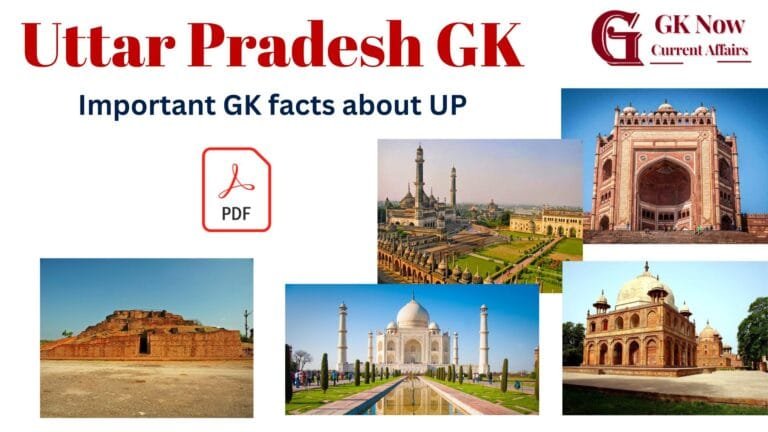
    Uttar Pradesh GK PDF in English and Hindi for free download. UP General Knowledge MCQ, Notes and District Map are very useful for the preparation of upcoming UPSC, UPSSSC PCS, UPSSSC PET, UP Police and other competitive exams.

    • Uttar Pradesh was established in 1950. The state was formed on 24 January 1950 by the name of Uttar Pradesh and the reorganization of the state took place on 1 November 1956.
    • The administrative capital of Uttar Pradesh is Lucknow and the judicial capital is Prayagraj.
    • After the formation of the new constitution of India in 1950, the name of the United Provinces was changed to Uttar Pradesh.
    • On the basis of population, Uttar Pradesh is the largest state of India and fourth in terms of area.
    • It is located in the northern part of India and shares borders with Uttarakhand, Bihar, Madhya Pradesh, Rajasthan, Haryana, Delhi, Himachal Pradesh and an international border with Nepal.
    • This state is spread over an area of ​​238566 square kilometers. The official language here is Hindi.
    • There are total 75 districts in Uttar Pradesh.
    • The number of Lok Sabha seats is 80 and the number of Rajya Sabha seats is 31.
    • Here the national animal is Barasingha, the national bird is Sarus Crane, the national tree is Ashoka and the national flower is Palash.
    • The city of Kanpur in Uttar Pradesh is called the Manchester of North India.
    • The first freedom struggle in Uttar Pradesh started on 10th May 1857 from Meerut.
    • The famous Buland Darwaza in Uttar Pradesh is located at Fatehpur Sikri.
    • For about 600 years, Uttar Pradesh was ruled only by the people of Muslim dynasty.

    Download : Uttar Pradesh GK

    Uttar Pradesh GK PDF in English

    Name : Uttar Pradesh GK
    Medium : English
    By : Drishti IAS
    PDF Pages : 23

    Download : Uttar Pradesh GK PDF

    Name : UP GK Special PDF
    Medium : Hindi
    Uttar Pradesh General Knowledge with maps
    Useful for UPPCS, UPSSSC PET, Lekhpal, UP SI
    Number of pages : 13

    उत्तर प्रदेश सामान्य अध्ययन by Paramount

    Book Name : उत्तर प्रदेश सामान्य अध्ययन
    लोक सेवा प्रारम्भिक परीक्षा के लिए
    Language : Hindi
    Level : SI UP Police, PCS, UPSSSC PET
    Number of Pages : 83

    UP GK Map PDF

    PDF Name : UP District Map
    Pages : 1

    UP GK MCQ PDF

  • Bihar GK PDF Free Download

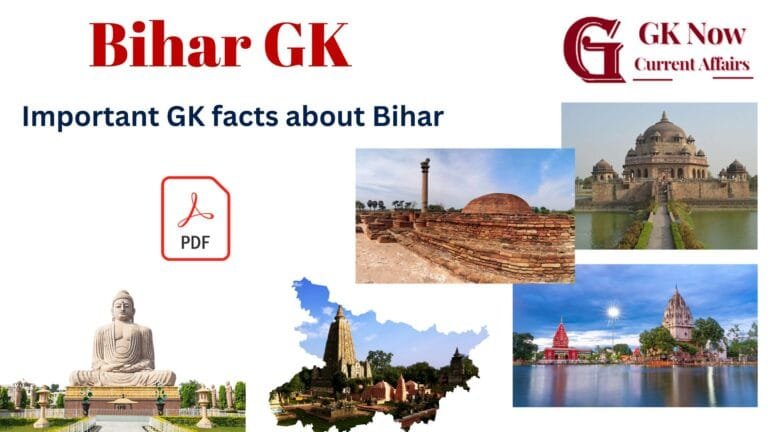
    Bihar General Knowledge (GK), Books, Notes, MCQ Questions Answers, and District Map PDF for competitive exams in Hindi for free download. बिहार सामान्य ज्ञान (जीके), किताबें, नोट्स, एमसीक्यू प्रश्न उत्तर, और जिला मानचित्र पीडीएफ हिंदी में प्रतियोगी परीक्षाओं के लिए मुफ्त डाउनलोड के लिए।

    Important GK facts about Bihar

    बिहार के बारे में कुछ महत्वपूर्ण सामान्य ज्ञान तथ्य इस प्रकार हैं:

    • बिहार का ऐतिहासिक नाम मगध है। बिहार की स्थापना वर्ष 1912 में हुई थी। बिहार देश के सबसे पुराने राज्यों में से एक है।
    • राज्य देश के पूर्वी भाग में स्थित है। अन्य भारतीय राज्य जो इसकी सीमाओं को छूते हैं, पश्चिम में यूपी, पूर्व में पश्चिम बंगाल और दक्षिण में झारखंड हैं।
    • यहाँ की प्रमुख भाषाएँ हिन्दी, उर्दू, मैथिली, भोजपुरी, मगधी, अंगिका आदि हैं।
    • यह क्षेत्रफल की दृष्टि से 12वां सबसे बड़ा और जनसंख्या के हिसाब से तीसरा सबसे बड़ा राज्य है।
    • यहां की राजधानी पटना है और बिहार का सबसे बड़ा शहर भी पटना है। बिहार की राजधानी पटना का ऐतिहासिक नाम पाटलिपुत्र है।
    • बिहार में स्थित प्राचीन शहर वैशाली को दुनिया का पहला गणतंत्र माना जाता है।
    • बिहार में 243 विधानसभा सीटें, 16 राज्यसभा सीटें और 40 लोकसभा सीटें हैं।
    • बिहार बुद्ध के जीवन से सबसे गहराई से जुड़े स्थानों में से एक है।
    • बिहार की अर्थव्यवस्था भारत के सभी राज्यों में सबसे खराब है, 2014 की रिपोर्ट के अनुसार, बिहार अर्थव्यवस्था में सबसे आखिरी और भारत का सबसे गरीब राज्य भी है।
    • 2000 से पहले, बिहार और झारखंड एक ही राज्य थे। 15 नवंबर 2000 को, झारखंड को एक नए राज्य के रूप में दक्षिण बिहार से अलग कर बनाया गया था।
    • बिहार के सोनपुर का पशु मेला प्राचीन काल से ही पूरे विश्व में प्रसिद्ध है जो कार्तिक पूर्णिमा को लगता है। पुराने राजा-महाराजा इस मेले से युद्ध के लिए हाथी और घोड़े खरीदते थे।
    • इतिहास के सबसे बड़े आविष्कारों में से एक “जीरो (0)” का आविष्कार करने वाले आर्यभट्ट बिहार के रहने वाले थे। भारत के पहले राष्ट्रपति डॉ. राजेंद्र प्रसाद का जन्म भी बिहार में हुआ था।
    • यहाँ की जनसंख्या लगभग 10,38,04,637 है। बिहार में लगभग 5,41,85,347 पुरुष और लगभग 4,96,19,290 महिलाएं हैं।
    • बिहार का जनसंख्या घनत्व लगभग 1,102 प्रति वर्ग किमी है।
    • बिहार में हिंदू 83.2% और मुसलमान 16.5% हैं।
    • बिहार के प्रमुख पर्यटन स्थल महात्मा गांधी सेतु, महाबोधि मंदिर, नालंदा विश्वविद्यालय, विष्णुपद मंदिर, बोधगया मंदिर आदि हैं।
    • बिहार का प्रमुख पर्व सात है जो प्राचीन वैदिक काल से मनाया जा रहा है आज यह पर्व बिहार की संस्कृति का प्रतीक बन गया है।
    • वाल्मीकि राष्ट्रीय उद्यान भारत के बिहार राज्य के पश्चिम चंपारण जिले में एक बाघ अभयारण्य है। यह बिहार का एकमात्र राष्ट्रीय उद्यान है। वाल्मीकि राष्ट्रीय उद्यान में 898.45 किमी2 (346.89 वर्ग मील) जंगल शामिल हैं और भारत के 18वें टाइगर रिजर्व के रूप में और बाघों की आबादी के घनत्व के मामले में चौथे स्थान पर है।

    Bihar GK at a Glance

    1.Formation22 March 1912 (Bihar Diwas)
    2.CapitalPatna
    3.Location of High CourtPatna
    4.Area Rank (Area)13
    5.Population Rank (Population)3
    6.State BirdHouse Sparrow
    7.State AnimalIndian Bison (Gaur)
    8.State TreePeepal (Ficus religiosa)
    9.State FlowerKachnar (Phanera variegata)
    10.First GovernorJairamdas Daulatram
    11.First Chief MinisterSri Krishna Sinha
    12.Number of Districts38
    13.Largest DistrictWest Champaran
    14.Number of MPs40
    15.Number of MLAs243
    16.Number of MLCs75
    16.IITsPatna
    17.IIMsBodh Gaya
    18.Countries of Equal Area (approximate)Hungary, Jordan
    19.Official LanguagesHindi, Urdu

    Bihar Complete GK PDF

    Download : Bihar GK PDF

    Name : Bihar GK PDF : बिहार सामान्य ज्ञान PDF
    Medium : Hindi
    Number of pages : 50

    Download : Bihar History GS PDF

    Name : बिहार का इतिहास PDF
    Medium : Hindi
    Number of pages : 20

    Download : Bihar Economy GS PDF

    Name : बिहार अर्थव्यवस्था PDF
    Medium : Hindi
    Number of pages : 9

    Download : Bihar Polity GS PDF

    Name : बिहार राजव्यवस्था PDF
    Medium : Hindi
    Number of pages : 11

    Download : Bihar Geography GK PDF

    Name : बिहार भूगोल PDF
    Medium : Hindi
    Number of pages : 11

    Bihar District Map

    Name : Bihar District Map with Boundary
    Number of PDF : 01

    📥 Download Bihar GK MCQs PDF in English

    Get a complete set of Bihar General Knowledge MCQs in English — ideal for all English medium aspirants.

    👉 Download Bihar GK MCQ PDF – English


    📥 डाउनलोड करें Bihar GK MCQ PDF – हिंदी में

    हिंदी माध्यम के छात्रों के लिए बिहार सामान्य ज्ञान के महत्वपूर्ण बहुविकल्पीय प्रश्नों का संग्रह।

    👉 डाउनलोड करें Bihar GK MCQ PDF – हिंदी

  • प्राचीन भारत का इतिहास के प्रश्न उत्तर

    प्रतियोगी परीक्षाओं के लिए प्राचीन भारत का इतिहास के प्रश्न उत्तर. Ancient Indian History Question Answer in Hindi for UPSC, SSC, UPSSSC PET competitive exams.

    Ancient Indian History MCQ in Hindi

    1. हरप्पा सभ्यता किस युग में विकसित हुई थी?
      नीले युग (छठे शताब्दी ईसा पूर्व)
    2. प्राचीन भारत में वेदों का सबसे पुराना संहिता कौन सा है?
      ऋग्वेद
    3. मौर्य साम्राज्य के संस्थापक कौन थे?
      चंद्रगुप्त मौर्य
    4. कौटिल्य के नाम से प्रसिद्ध रचनाकार कौन थे?
      चाणक्य
    5. अशोक वनांचल में किस वृक्ष के तले बौद्ध संघ की पहली संघीय सभा आयोजित की थी?
      पिपल वृक्ष (बोधिवृक्ष)
    6. वर्तमान नाम से कौनसा राज्य विजयनगर नामक साम्राज्य का हिस्सा था?
      कर्नाटक
    7. सम्राट अशोक अपने शासनकाल में किस धर्म का प्रचार प्रसार करने के लिए श्रम किया?
      बौद्ध धर्म
    8. चंदेल साम्राज्य की राजधानी कौनसी थी?
      महोबा
    9. गुप्त साम्राज्य का समय कब से कब था?
      4वीं से 6वीं सदी ईसा पूर्व
    10. संगम युग किस महासागरीय क्षेत्र में स्थानीय होता है?
      दक्षिण भारतीय महासागर
    11. राजतरंगिणी किसने लिखी थी?
      कल्हण
    12. भारतीय इतिहास में किस युग को ‘सोने का युग’ कहा जाता है?
      गुप्त युग
    13. सम्राट अशोक का उपनाम क्या था? देवानंप्रिय
    14. प्राचीन भारत में कौनसा युद्ध संघर्ष काल के पहले युद्ध के रूप में माना जाता है?
      महाभारत युद्ध
    15. किस मुग़ल सम्राट ने ताजमहल का निर्माण करवाया था?
      शाहजहाँ
    16. किस गणराज्य की राजधानी वैशाली थी?
      लिच्छवि गणराज्य
    17. वेदों में किस देवता की महत्वपूर्णता सबसे अधिक है?
      इन्द्र
    18. प्राचीन भारत में कौनसी भाषा लोकप्रिय थी?
      संस्कृत
    19. मौर्य साम्राज्य के अंतिम सम्राट का नाम क्या था?
      बृहद्रथ

    प्राचीन भारत का इतिहास के प्रश्न उत्तर

    1. ऐतिहासिक स्रोत और प्रागैतिहासिक काल


    2. सिंधु घाटी (हड़प्पा) सभ्यता


    3. वैदिक युग और महाजनपद


    4. छठी शताब्दी ईसा पूर्व 18-26 के धार्मिक आंदोलन


    5. मौर्य और मौर्योत्तर काल


    6. गुप्त और गुप्तोत्तर काल


    7. प्रारंभिक मध्यकाल (800-1200 सीई)


    8. संगम काल

    Thanks for attempt Practice set on प्राचीन भारत का इतिहास के प्रश्न उत्तर for the preparation of upcoming competitive exams.

  • Ancient India History GK Questions in English

    Ancient India History GK Questions in English for the preparation of competitive exams. MCQ includes from the Historical Sources and Pre-Historic Period, Indus Valley (Harappan) Civilisation, Vedic Era and Mahajanapadas, Religious Movements of 6th Century, Mauryan and Post-Mauryan Period, Gupta and the Post-Gupta Period, Early Medieval Period (800-1200 CE) and Sangam Period topics.

    Important one liners of Ancient India History

    1. Which ancient Indian text is considered the oldest surviving literature in the world? (Answer: Rigveda)
    2. The Great Bath, an impressive structure from ancient India, was discovered in which civilization? (Answer: Indus Valley Civilization)
    3. Which ruler is known for his rock-cut architecture and the construction of the famous Kailasa Temple in Ellora? (Answer: King Krishna I of the Rashtrakuta dynasty)
    4. Who authored the famous treatise on statecraft known as the Arthashastra? (Answer: Chanakya or Kautilya)
    5. What is the sacred river mentioned in ancient Indian texts, often referred to as the “Ganga” of the South? (Answer: Godavari River)
    6. The Battle of Kalinga, a turning point in Indian history, was fought by which ancient Indian emperor? (Answer: Emperor Ashoka)
    7. Which ancient Indian kingdom was known for its expertise in maritime trade and shipbuilding? (Answer: Chola Empire)
    8. The rock-cut caves of Ajanta and Ellora are located in which Indian state? (Answer: Maharashtra)
    9. Who was the founder of the Maurya Empire, one of the largest empires in ancient Indian history? (Answer: Chandragupta Maurya)
    10. The ancient university of Nalanda, renowned for its excellence in education, was located in which present-day country? (Answer: India)
    11. Which ancient Indian ruler is credited with the construction of the world-famous temple complex at Khajuraho? (Answer: King Chandel of the Chandela dynasty)
    12. Who composed the epic Sanskrit poem, the Ramayana? (Answer: Valmiki)
    13. The famous Iron Pillar, known for its rust-resistant composition, is located in which ancient Indian city? (Answer: Delhi)
    14. Which ancient Indian kingdom is associated with the famous rock-cut caves of Elephanta? (Answer: Rashtrakuta dynasty)
    15. Who is considered the father of Indian surgery and authored the Sushruta Samhita, an ancient medical treatise? (Answer: Sushruta)
    16. The Ajanta Caves primarily showcase the artistic influence of which religion in ancient India? (Answer: Buddhism)
    17. The ancient city of Pataliputra, present-day Patna, served as the capital of which ancient Indian dynasty? (Answer: Maurya Empire)
    18. Who is considered the greatest ruler of the Gupta Empire, known for his patronage of art, literature, and science? (Answer: Chandragupta II, also known as Chandragupta Vikramaditya)
    19. The ancient Indian numeral system, including the concept of zero, was developed during the reign of which dynasty? (Answer: Gupta Empire)

    Ancient Indian History MCQ in English

    The topic wise Ancient India History GK MCQ Questions in English button with link are given below for online practice.

    Historical Sources and Pre-Historic Period

    Indus Valley (Harappan) Civilisation

    The Vedic Era and Mahajanapadas

    Religious Movements of 6th Century

    Mauryan and Post-Mauryan Period

    The Gupta and the Post-Gupta Period

    Early Medieval Period (800-1200 CE)

    Sangam Period

  • संगम काल MCQ in Hindi

    संगम काल MCQ History GK MCQ in Hindi for UPSC, SSC Competitive exams. Previous year objective questions for the preparation of upcoming examinations.

    संगम काल MCQ for Competitive Exams

    Qns 1 : तमिल इतिहास में ‘संगम’ शब्द जुड़ा हुआ है

    (a) कांची के महान पल्लव राजवंश के शासनकाल के दौरान निर्मित साहित्य।
    (b) प्रारंभिक ईसाई युग के पांड्य राजाओं की प्रशंसा में लिखी गई कविताएँ।
    (c) चीन के राजाओं की दरबारी कविता जो कलाकारों को संरक्षण देने के लिए प्रसिद्ध थे।
    (d) मदुरै में पांडियन राजा के शाही संरक्षण के तहत आयोजित तमिल विद्वानों का एक कॉलेज या विधानसभा (साहित्यिक अकादमी)।

    Answer
    (d) मदुरै में पांडियन राजा के शाही संरक्षण के तहत आयोजित तमिल विद्वानों का एक कॉलेज या विधानसभा (साहित्यिक अकादमी)।

    Qns 2 : संगम काल में तमिलों का सर्वाधिक लोकप्रिय देवता था

    (a) इंद्र
    (b) मुरुगन
    (c) वरुण
    (d) तिरुमल

    Answer
    (b) मुरुगन

    Qns 3 : दक्षिण भारत के सन्दर्भ में गुफा लिपि का अर्थ है

    (a) अघोषित भित्तिचित्रों के निशान
    (b) तमिल ब्राह्मी
    (c) तमिल ग्रंथ
    (d) पल्लव ग्रंथ

    Answer
    (b) तमिल ब्राह्मी

    Qns 4 : ‘तिरुकुरल’ का हिस्सा है

    (a) पट्टुपट्टु
    (b) किलकानक्कू
    (c) मेलकानक्कू
    (d) एट्टुटोगल

    Answer
    (b) किलकानक्कू

    Qns 5 : निम्नलिखित में से कौन तमिल रामायणम या रामावतारम के लेखक थे?

    (a) कंबन
    (b) कुट्टन
    (c) नन्नया
    (d) तिकन्ना

    Answer
    (a) कंबन

    Qns 6 : संगम साहित्य में ‘तोलकपियम्’ का ग्रन्थ है

    (a) तमिल कविता
    (b) तमिल व्याकरण
    (c) तमिल वास्तुकला
    (d) तमिल राजव्यवस्था

    Answer
    (b) तमिल व्याकरण

    Qns 7 : निम्नलिखित में से किसे महाभारत के तेलुगु अनुवाद के लिए जाना जाता है?
    I. कंबन
    II. कुट्टन
    III. नन्नय्या
    IV. तिकन्ना
    नीचे दिए गए कूट का प्रयोग कर सही उत्तर चुनिए।
    (a) I और II
    (b) II और III
    (c) III और IV
    (d) IV और I

    Answer
    (c) III और IV

    Qns 8 : पांचवीं शताब्दी के तमिल महाकाव्य सिलप्पादिकारम में किस नदी की प्रशंसा की गई है?

    (a) कावेरी
    (b) गोदावरी
    (c) सरस्वती
    (d) गंगा

    Answer
    (a) कावेरी

    Qns 9 : मनिमेकलाई के लेखक कौन हैं?

    (a) कोवलन
    (b) सथानार
    (c) इलांगो अडिगल
    (d) तिरुतक्कतेवर

    Answer
    (b) सथानार

    Qns 10 : निम्नलिखित में से कौन से महाकाव्य ‘मणिमेकलई’ के पात्र हैं?
    I. उदयकुमार
    II. सुधामती
    III. कुरल
    IV. आदिकाल
    कोड्स
    (a) केवल I और II
    (b) केवल II और III
    (c) II, III और IV
    (d) I, III और IV

    Answer
    (d) I, III और IV

    Qns 11 : संगम काल की चोल राजधानी कहाँ स्थित थी ?

    (a) कावेरीपट्टिनम
    (b) मदुरै
    (c) उरैयूर
    (d) कोचीन

    Answer
    (a) कावेरीपट्टिनम

    Qns 12 : दो चोल सरदारों नालनकिली और नेदुनकिल्ली के बीच दीर्घकालीन गृहयुद्ध का उल्लेख किस कवि ने किया है?

    (a) कंबन
    (b) कुट्टन
    (c) नन्नय
    (d) कोवूर किलर

    Answer
    (d) कोवूर किलर

    Qns 13 : “जिस जगह में एक हाथी लेट सकता है, वहां सात लोगों को खिलाने के लिए पर्याप्त अनाज पैदा किया जा सकता है”। यह संगम कविताओं में निम्नलिखित में से किस साम्राज्य के लिए कहा गया था?

    (a) चोल
    (b) चेरा
    (c) पांड्या
    (d) राष्ट्रकूट

    Answer
    (a) चोल

    Qns 14 : चेर साम्राज्य की राजधानी कहाँ थी?

    (a) पुहार
    (b) कावेरीपट्टिनम
    (c) कराईकल
    (d) वंजी

    Answer
    (d) वंजी

    Qns 15 : ‘परिपादल’ में एक प्रसिद्ध संगीतकार के रूप में एक चेरा राजा का उल्लेख है। वह था

    (a) चेरामन उर्मपोराय
    (b) किलिवाल्वन
    (c) उदयनगर
    (d) अट्टनाट्टी

    Answer
    (c) उदयनगर

    Qns 16 : निम्नलिखित कथनों पर विचार करें।
    I. इमयावरम्बन के पुत्र सेनगुत्तुवन, यज्ञ श्री सातकर्णी के समकालीन थे।
    II. सिलप्पादिकारम सेनगुट्टुवन के कारनामों का विस्तृत विवरण देता है।
    ऊपर दिए गए कथनों में से कौन सा/से सही है/हैं?
    (a) केवल I
    (b) केवल II
    (c) I और II दोनों
    (d) न तो I और न ही II

    Answer
    (a) केवल I

    Qns 17 : पांड्य देश में बड़ी मात्रा में अदरक और दालचीनी के उत्पादन का उल्लेख किसके द्वारा किया गया है

    (a) मेगस्थनीज
    (b) टॉलेमी
    (c) इब्न सऊद
    (d) मार्को पोलो

    Answer
    (d) मार्को पोलो

    Qns 18 : संगम ग्रंथों के अनुसार कोन, को और मन्नान शब्द निम्नलिखित में से किससे संबंधित हैं?

    (a) प्रधानमंत्री
    (b) राजस्व मंत्री
    (c) सेना का सेनापति
    (d) राजा

    Answer
    (d) राजा

    Qns 19 : निम्नलिखित को मिलाएं।

    सूची I (अधिकारी)सूची II (फ़ंक्शन)
    A. अमैछर1. पुरोहितों
    B. अंतनार2. मंत्रियों
    C. सेनापतियार3. जासूस
    D. ओरार4. सेनापति
    Codes
         A B C D 
    (a) 1 2 3 4 
    (b) 2 1 4 3
    (c) 4 3 2 1 
    (d) 1 2 3 4
    Answer
    (b) 2 1 4 3

    Qns 20 : संगम युग में ‘उमनार’ कौन थे ?

    (a) नमक के खुदरा विक्रेता
    (b) सैन्य कमांडर
    (c) दुकानदार
    (d) कृषक

    Answer
    (a) नमक के खुदरा विक्रेता

    Qns 21 : निम्नलिखित में से कौन सा दस्तावेज़ दक्षिण भारत में मुज़िरिस में ऑगस्टस के मंदिर का प्रमाण देता है?

    (a) एरिथ्रियन सागर का पेरिप्लस
    (b) निर्चस
    (c) वंशावली टेबल
    (d) संगम साहित्य

    Answer
    (a) एरिथ्रियन सागर का पेरिप्लस

    Qns 22 : प्राचीन संस्कृत पाठ में वर्णित ‘यवनप्रिय’ शब्द निरूपित है

    (a) भारतीय मुसलमानों की एक अच्छी किस्म
    (b) विडंबना
    (c) युवतियों को डांस परफॉर्मेंस के लिए ग्रीक कोर्ट भेजा गया
    (d) मिर्च

    Answer
    (d) मिर्च

    Qns 23 : किस प्राचीन स्थल की खुदाई से भारत और रोम के मध्य ईसवी सन् की प्रारम्भिक शताब्दियों में प्रगाढ़ व्यापारिक सम्बन्धों की जानकारी प्राप्त हुई है ?

    (a) मदुरै
    (b) ताम्रलिप्ति
    (c) टोंडी
    (d) अरिकमेदू

    Answer
    (d) अरिकमेदू

    Qns 24 : निम्नलिखित में से किस बंदरगाह को ‘पेरिप्लस ऑफ द एरीथ्रियन सी’ के लेखक के लिए पोडुक के रूप में जाना जाता था।

    (a) अरिकमेदू
    (b) तानिरालिप्ति
    (c) कोरकई
    (d) बर्बरिकम

    Answer
    (a) अरिकमेदू

    Qns 25 : एम्फोरा जार एक है

    (a) छिद्रित जार
    (b) लंबा डबल हैंडल जार
    (c) चित्रित ग्रे जार
    (d) काले और लाल बर्तन जार

    Answer
    (b) लंबा डबल हैंडल जार

    Qns 26 : निम्नलिखित कथनों पर विचार करें।
    I. संगम युग में विनिमय एक प्रकार की वस्तु विनिमय प्रणाली पर आधारित था।
    II. आदान-प्रदान के कुछ निश्चित बिंदु थे जिन्हें ‘अवनम’ कहा जाता था।
    ऊपर दिए गए कथनों में से कौन सा/से सही है/हैं?
    (a) केवल I
    (b) I और II दोनों
    (c) केवल II
    (d) ना तो I और न II

    Answer
    (a) केवल I

    Qns 27 : निम्नलिखित को मिलाएं।

    सूची I (पोर्ट)सूची II (स्थान)
    A. बेरिगाज़ा1. मालाबार तट
    B. मुज़िरिस2. वर्तमान दिन मुंबई तट
    C. सोपारा3. भारत का पूर्वी तट
    D. सुवामभूमि4. नर्मदा नदी के उत्तर में
    Codes
        A B C D 
    (a) 4 2 1 3 
    (b) 1 3 4 2
    (c) 3 1 4 2 
    (d) 4 1 2 3
    Answer
    (d) 4 1 2 3

    Qns 28 : रोमन निर्माण की निम्नलिखित में से कौन-सी वस्तु भारत में सर्वाधिक मात्रा में पाई गई है?

    (a) बर्तन के टुकड़े
    (b) कांस्य चिह्न
    (c) लैंप
    (d) सिक्के

    Answer
    (d) सिक्के

    Qns 29 : निम्नलिखित में से किस तमिल ग्रंथ को ‘लघुवेद’ कहा गया है?

    (a) नंदिकालमबगम
    (b) कलिंगट्टुपरानी
    (c) पेरियारपुराणम
    (d) कुरल

    Answer
    (d) कुरल

    Qns 30 : वेन्नी के युद्ध में चोल राजा करिकाल ने किसे पराजित किया था?

    (a) पांड्य और चेर
    (b) सातवाहन और शक
    (c) पल्लव और चेरस
    (d) पांड्य और बैक्ट्रियन

    Answer
    (b) सातवाहन और शक

    Thanks for attempt संगम काल MCQ questions practice set for GK of competitive exams

  • Sangam Period MCQ for Competitive Exams

    Sangam Age / Period History GK MCQ in for the practice of UPSC, SSC competitive exams. The objective questioned in English are sourced from the previous year exam question paper of various entrance and government jobs examinations.

    Sangam Period MCQ

    Qns 1 : The word ‘Sangam’ is associated in Tamil history with
    (a) The literature produced during the reign of the great Pallava Dynasty of Kanchi.
    (b) The poems written in praise of the Pandyan kings of the early Christian Era.
    (c) The court poetry of China kings who were famous for patronising artists.
    (d) A college or Assembly (literary academy) of Tamil scholar held under the royal patronage of Pandyan king at Madurai.

    Answer
    (d) A college or Assembly (literary academy) of Tamil scholar held under the royal patronage of Pandyan king at Madurai.

    Qns 2 : The most popular God of the Tamil during the Sangam age was
    (a) Indra
    (b) Murugan
    (c) Varuna
    (d) Tirumal

    Answer
    (b) Murugan

    Qns 3 : In the context of South India, Cave script means

    (a) Undeciphered graffiti marks
    (b) Tamil Brahmi
    (c) Tamil Grantha
    (d) Pallava Grantha

    Answer
    (b) Tamil Brahmi

    Qns 4 : ‘Tirukural’ forms part of

    (a) Pattupattu
    (b) Kilkanakku
    (c) Melkanakku
    (d) Ettutogal

    Answer
    (b) Kilkanakku

    Qns 5 : Who among the following was the author of the Tamil Ramayanam or Ramavataram?

    (a) Kamban
    (b) Kuttan
    (c) Nannaya
    (d) Tikkana

    Answer
    (a) Kamban

    Qns 6 : In Sangam literature ‘Tolkapiyyam’ is a text of

    (a) Tamil Poetry
    (b) Tamil Grammar
    (c) Tamil Architecture
    (d) Tamil Polity

    Answer
    (b) Tamil Grammar

    Qns 7 : Who among the following are known for their Telugu translation of the Mahabharata?
    I. Kamban
    II. Kuttan
    III. Nannayya
    IV. Tikkana
    Select the correct answer using the codes given below.
    (a) I and II
    (b) II and III
    (c) III and IV
    (d) IV and I

    Answer
    (c) III and IV

    Qns 8 : Which river is praised in the fifth century Tamil epic, Silappadikaram?

    (a) Cauvery
    (b) Godavari
    (c) Saraswati
    (d) Ganges

    Answer
    (a) Cauvery

    Qns 9 : Who is the author of Manimekalai?

    (a) Kovalan
    (b) Sathanar
    (c) Ilango Adigal
    (d) Tirutakkatevar

    Answer
    (b) Sathanar

    Qns 10 : Which of the following are the characters of the epic ‘Manimekalai’?
    I. Udayakumara
    II. Sudhamati
    III. Kural
    IV. Adikal
    Codes
    (a) I and II only
    (b) II and III only
    (c) II, III and IV
    (d) I, III and IV

    Answer
    (d) I, III and IV

    Qns 11 : Where was the capital of Sangam period Chola located?

    (a) Kaveripattinam
    (b) Madurai
    (c) Uraiyur
    (d) Cochin

    Answer
    (a) Kaveripattinam

    Qns 12 : The protracted Civil War between two Chola chieftains Nalankili and Nedunkilli, were mentioned by which poet?

    (a) Kamban
    (b) Kuttan
    (c) Nannay
    (d) Kovur Kilar

    Answer
    (d) Kovur Kilar

    Qns 13 : “In a space in which an elephant could lie, one can produce enough grain to feed seven”. This was stated in Sangam poems for which of the following Kingdom?

    (a) Chola
    (b) Chera
    (c) Pandyas
    (d) Rashtrakutas

    Answer
    (a) Chola

    Qns 14 : Where was the capital of Chera Kingdom?

    (a) Puhar
    (b) Kaveripattinam
    (c) Karaikal
    (d) Vanjji

    Answer
    (d) Vanjji

    Qns 15 : ‘Paripadal’ mentions a Chera king as a renowned musician. He was

    (a) Cheraman urmporai
    (b) Killivalavn
    (c) Udiyangeral
    (d) Attanatti

    Answer
    (c) Udiyangeral

    Qns 16 : Consider the following statements.
    I. Senguttuvan, the son of Imayavaramban was the contemporary of Yajna Sri Satkarni.
    II. The Silappadikaram gives a detailed account of the exploits of Senguttuvan.
    Which of the statement(s) given above is/are correct?
    (a) Only I
    (b) Only II
    (c) Both I and II
    (d) Neither I nor II

    Answer
    (a) Only I

    Qns 17 : Ginger and cinnamon were produced in large quantities in the Pandya country is mentioned by
    (a) Megasthenes
    (b) Ptolemy
    (c) Ibn Saud
    (d) Marco Polo

    Answer
    (d) Marco Polo

    Qns 18 : According to Sangam texts, the terms Kon, Ko and Mannan were attributed to which of the following?

    (a) Prime Minister
    (b) Revenue Minister
    (c) Commander of the Army
    (d) King

    Answer
    (d) King

    Qns 19 : Match the following.

    List I (Officer)List II (Function)
    A. Amaichhar1. Purohits
    B. Anthanar2. Ministers
    C. Senaptiyar3. Spies
    D. Orar4. Senapati
    Codes
    A B C D
    (a) 1 2 3 4
    (b) 2 1 4 3
    (c) 4 3 2 1
    (d) 1 2 3 4
    Answer
    (b) 2 1 4 3

    Qns 20 : Who were ‘Umanar’ in the Sangam Age?

    (a) The retailers in salt
    (b) Military commanders
    (c) Shopkeepers
    (d) Agriculturists

    Answer
    (a) The retailers in salt

    Qns 21 : Which one of the following document gives evidence of a temple of Augustus at Muziris in South India?

    (a) Periplus of the Erythraean Sea
    (b) Nearchus
    (c) Genealogical tables
    (d) Sangam literature

    Answer
    (a) Periplus of the Erythraean Sea

    Qns 22 : The term ‘Yavanpriya’ mentioned in ancient Sanskrit text denoted

    (a) a fine variety of Indian Muslim
    (b) irory
    (c) Damsels sent to the Greek Court for dance performance
    (d) pepper

    Answer
    (d) pepper

    Qns 23 : From the excavations of which ancient site, information has been gathered regarding brisk trade relations between India and Rome, during the early centuries of Christian era.

    (a) Madurai
    (b) Tamralipti
    (c) Tondi
    (d) Arikamedu

    Answer
    (d) Arikamedu

    Qns 24 : Which one of the following ports was known as Poduke to the author of the ‘Periplus of the Erythraean Sea.’

    (a) Arikamedu
    (b) Taniralipti
    (c) Korkai
    (d) Barbaricum

    Answer
    (a) Arikamedu

    Qns 25 : Amphora jar is a

    (a) perforated jar
    (b) tall double handle jar
    (c) painted grey jar
    (d) black and red ware jar

    Answer
    (b) tall double handle jar

    Qns 26 : Consider the following statements.
    I. In the Sangam age, the exchange was based on a kind of barter system.
    II. There were certain fixed points of exchange called ‘avanam’.
    Which of the above given statements is/are correct?
    (a) Only I
    (b) Both I and II
    (c) Only II
    (d) Neither I nor II

    Answer
    (a) Only I

    Qns 27 : Match the following.

    List I (Port)List II (Location)
    A. Barygaza1. Malabar Coast
    B. Muziris2. Present Day Mumbai Coast
    C. Sopara3. The Eastern Coast of India
    D. Suvamabhumi4. At the North of the Narmada River
    Sangam Period MCQ
    Codes
        A B C D 
    (a) 4 2 1 3 
    (b) 1 3 4 2
    (c) 3 1 4 2 
    (d) 4 1 2 3
    Answer
    (d) 4 1 2 3

    Qns 28 : Which one of the following objects of Roman manufacture has been most abundantly found in India?

    (a) Pot sherds
    (b) Bronze icons
    (c) Lamps
    (d) Coins

    Answer
    (d) Coins

    Qns 29 : Which of the following Tamil text has been called ‘Laghuveda’?

    (a) Nandhikalambagam
    (b) Kalingattuparani
    (c) Periyarpuranam
    (d) Kural

    Answer
    (d) Kural

    Qns 30 : In the Battle of Venni, whom did the Chola king, Karikala defeat?

    (a) Pandyas and Cheras
    (b) Satvahanas and Sakas
    (c) Pallavas and Cheras
    (d) Pandyas and Bactrians

    Answer
    (b) Satvahanas and Sakas

    Thanks for attempt Sangam Period MCQ questions for UPSC, SSC Competitive Exams.

  • प्रारंभिक मध्यकाल (800-1200 CE) MCQ

    प्रारंभिक मध्यकाल (800-1200 CE) MCQ : यूपीएससी, एसएससी, यूपीएसएसएससी और सभी प्रतियोगी परीक्षाओं की तैयारी के लिए इतिहास जीके वस्तुनिष्ठ प्रश्न ।

    प्रारंभिक मध्यकाल वस्तुनिष्ठ प्रश्न ।

    Qns 1 : प्रतिहार साम्राज्य का वास्तविक संस्थापक कौन था ?

    (a) वत्सराज
    (b) महेंद्रपाल प्रथम
    (c) महेंद्रपाल द्वितीय
    (d) महिपाल

    Answer
    (a) वत्सराज

    Qns 2 : अल-मसूदी, एक अरब यात्री, निम्नलिखित में से किस शासक के शासनकाल में भारत आया था?

    (a) नागभट्ट III
    (b) गोपाल
    (c) अमोघवर्ष
    (d) महिपाल I

    Answer
    (d) महिपाल I

    Qns 3 : निम्नलिखित में से कौन गढ़वाल वंश का सबसे महान शासक था?

    (a) महेंद्रपाल
    (b) गोविंदचंद्र
    (c) चंद्रदेव
    (d) उपर्युक्त में से कोई नहीं

    Answer
    (b) गोविंदचंद्र

    Qns 4 : धंगदेव किस वंश के शासक थे?

    (a) जेजाकभुक्ति के चंदेल
    (b) मालवा के परमार
    (c) माहिष्मती की कलचुरी
    (d) त्रिपुरी के कलचुरी

    Answer
    (a) जेजाकभुक्ति के चंदेल

    Qns 5 : किस शासक को उसके एक शिलालेख में ‘कविराज’ कहा गया है?

    (a) प्रतिहार शासक मिहिरभोज
    (b) परमार शासक भोज
    (c) पाल शासक धर्मपाल
    (d) चालुक्य शासक कुमारपा

    Answer
    (b) परमार शासक भोज

    Qns 6 : महान जैन विद्वान हेमचन्द्र के दरबार की शोभा थी

    (a) अमोघवर्ष नृपतुंग
    (b) कुमारपाल
    (c) जयसिम्हा सिद्धराज
    (d) विद्याधर

    Answer
    (b) कुमारपाल

    Qns 7 : कल्हण द्वारा लिखित ‘राजतरंगिणी’ निम्नलिखित में से किससे संबंधित है?

    (a) चंद्रगुप्त का शासनकाल
    (b) गीतों का संकलन
    (c) कश्मीर का इतिहास
    (d) कृष्णदेव राय का शासनकाल

    Answer
    (c) कश्मीर का इतिहास

    Qns 8 : दक्षिणी भारत के इतिहास में पाई जाने वाली एक सुसंगत विशेषता बड़े साम्राज्यों के बजाय छोटे क्षेत्रीय राज्यों का विकास था

    (a) लोहे जैसे खनिजों की अनुपस्थिति।
    (b) सामाजिक संरचना में बहुत सारे विभाजन।
    (c) उपजाऊ भूमि के विशाल क्षेत्रों की अनुपस्थिति।
    (d) जनशक्ति की कमी।

    Answer
    (b) सामाजिक संरचना में बहुत सारे विभाजन।

    Qns 9 : राष्ट्रकूट साम्राज्य के बारे में निम्नलिखित कथनों पर विचार करें।
    I. इसकी स्थापना दंतिदुर्ग ने वातापी (बादामी) के चालुक्यों को अपदस्थ करके की थी और राजधानी मान्यखेत में तय की गई थी।
    II. राष्ट्रकूट राजाओं, ध्रुव, गोविंदा III और इंद्र III ने उत्तर भारत पर आक्रमण किया।
    III. राजा अमोघवर्ष ने ‘कविराजमर्ग’ लिखा, जो काव्यशास्त्र पर सबसे पुरानी कन्नड़ पुस्तक है।
    IV. राजा कृष्ण प्रथम ने एलोरा में कैलाश (शिव) मंदिर का निर्माण कराया।
    ऊपर दिए गए कथनों में से कौन सा/से सही है/हैं?
    (a) केवल I
    (b) II और III
    (c) I और IV
    (d) उपर्युक्त सभी

    Answer
    (d) उपर्युक्त सभी

    Qns 10 : संस्कृत कवि और नाटककार कालिदास का उल्लेख मिलता है

    (a) पुलकेशिन II का ऐहोल शिलालेख।
    (b) मिहिर भोज का ग्वालियर शिलालेख।
    (c) कुमारगुप्त I का कर्मदंड शिवलिंग शिलालेख।
    (d) चंद्रगुप्त II का मथुरा स्तंभ शिलालेख

    Answer
    (a) पुलकेशिन II का ऐहोल शिलालेख।

    Qns 11 : वेंगी के चालुक्यों के संस्थापक कौन थे?

    (a) भानुवर्धन
    (b) विष्णुवर्धन
    (c) विजयादित्य I
    (d) पुलकेशिन IV

    Answer
    (b) विष्णुवर्धन

    Qns 12 : चोल काल के लिए प्रसिद्ध था

    (a) धार्मिक विकास
    (b) ग्राम सभाएँ
    (c) राष्ट्रकूटों के साथ युद्ध
    (d) श्रीलंका से व्यापार

    Answer
    (b) ग्राम सभाएँ

    Qns 13 : गंगईकोंडचोला की उपाधि किसने धारण की थी?

    (a) राजेंद्र I
    (b) राजराजा I
    (c) राजाधिराज I
    (d) कुलोटुंगा I

    Answer
    (a) राजेंद्र I

    Qns 14 : राजेंद्र I द्वारा कावेरी के मुहाने के पास गंगईकोंडा चोलपुरम नामक नई राजधानी के निर्माण का अवसर क्या था?

    (a) पश्चिमी गंगा पर उनकी जीत।
    (b) ओडिशा के पूर्वी गंगा के खिलाफ अपने अभियान का सफल समापन।
    (c) उनकी सर्वांगीण जीत के बाद अश्वमेध यज्ञ का प्रदर्शन।
    (d) उत्तर भारत में उसकी सेनाओं का सफल अभियान।

    Answer
    (d) उत्तर भारत में उसकी सेनाओं का सफल अभियान।

    Qns 15 : निम्नलिखित में से कौन-सी चोल राज्य-व्यवस्था की एक विशेषता है?

    (a) स्वायत्त ग्राम पंचायतें।
    (b) मंडलों में राज्य का विभाजन।
    (c) राजशाही प्रणाली।
    (d) प्रबुद्ध मंत्रिपरिषद।

    Answer
    (a) स्वायत्त ग्राम पंचायतें।

    Qns 16 : राजराजा द्वारा शुरू किया गया प्रशासनिक नवाचार क्या था?

    (a) उसने माल पर टोल, नियंत्रण और स्थानीय करों को समाप्त कर दिया।
    (b) उन्होंने इसे प्रांतों के वाइसराय के रूप में केवल शाही परिवार के सदस्यों को भेजने के लिए एक अभ्यास बनाया।
    (c) उन्होंने युवराज को देश के प्रशासन के साथ जोड़ने की प्रणाली की शुरुआत की।
    (d) उसने मंत्रिपरिषद को समाप्त कर दिया और उसके स्थान पर ग्राम सभाओं के प्रतिनिधियों वाली एक संस्था का गठन किया।

    Answer
    (c) उन्होंने युवराज को देश के प्रशासन के साथ जोड़ने की प्रणाली की शुरुआत की।

    Qns 17 : राजराजा के बारे में निम्नलिखित कथनों पर विचार करें।
    I. चेरों, पांड्यों और श्रीलंका की विजय के पीछे आर्थिक मकसद दक्षिण-पूर्व एशियाई देशों के साथ व्यापार को अपने नियंत्रण में लाना और चीन के लिए समुद्री मार्ग खोलना था।
    II. उनका सबसे बड़ा ऐतिहासिक योगदान यह था कि उन्होंने चोल अभिलेखों को ऐतिहासिक परिचय के साथ शुरू करने की परंपरा की शुरुआत की।
    III. कृषि और राजकोषीय प्रशासन के क्षेत्र में, उन्होंने ग्राम सभाओं और अन्य स्थानीय निकायों के खातों के लेखा परीक्षण की प्रणाली की शुरुआत की।
    ऊपर दिए गए कथनों में से कौन सा/से सही है/हैं?
    (a) I और II
    (b) II और III
    (c) I और III
    (d) उपरोक्त सभी

    Answer
    (d) उपरोक्त सभी

    Qns 18 : पाल, प्रतिहारों और राष्ट्रकूटों ने किस शहर पर नियंत्रण के लिए लड़ाई लड़ी?

    (a) उज्जैन
    (b) पाटलिपुत्र
    (c) कन्नौज
    (d) कौशाम्ब

    Answer
    (c) कन्नौज

    Qns 19 : निम्नलिखित में से कौन-सा अधिपति के प्रति सामंतों के सामंती दायित्वों में से एक नहीं था?

    (a) अदालत में उपस्थिति और अधिपति को श्रद्धांजलि अर्पित करना।
    (b) छोटे सामंतों के लिए, उनकी संपत्ति के प्रशासन में किसी भी बदलाव के लिए राजा से अनुमति।
    (c) एक निश्चित संख्या में सैनिकों का रखरखाव और राजा को श्रद्धांजलि देना।
    (d) वैवाहिक गठबंधन के लिए राजा की अनुमति।

    Answer
    (d) वैवाहिक गठबंधन के लिए राजा की अनुमति।

    Qns 20 : निम्नलिखित कथनों पर विचार करें:
    I. भुक्ति प्रारंभिक मध्यकाल के दौरान प्रशासनिक इकाई में से एक थी।
    II. पदानुक्रम में विषय सर्वोच्च प्रशासनिक इकाई थे।
    नीचे दिए गए कूट का प्रयोग कर सही उत्तर चुनिए।
    (a) केवल I
    (बी) केवल II
    (सी) I और II दोनों
    (डी) न तो I और न ही II

    Answer
    (a) केवल I

    Qns 21 : प्रारंभिक मध्यकालीन भारत के दौरान वर्ण/जाति की स्थिति के बारे में निम्नलिखित में से कौन सा सही नहीं है?

    (a) जातियों की संख्या में कई गुना वृद्धि हुई।
    (b) गुप्त काल के बाद गतिशीलता की कमी के कारण कारीगरों के दोष धीरे-धीरे जातियों में कठोर हो गए।
    (c) आदिवासी लोगों के समावेश ने शूद्रों और तथाकथित मिश्रित जातियों की विविधता में इजाफा किया।
    (d) इस काल में वैश्यों और शूद्रों के बीच दूरियां बढ़ गईं।

    Answer
    (d) इस काल में वैश्यों और शूद्रों के बीच दूरियां बढ़ गईं।

    Qns 22 : निम्नलिखित को मिलाएं।

    सूची I (कर के प्रकार)सूची II (कर का विवरण)
    A. हिरण्य1. उपज में राजा का हिस्सा
    B. भागा2. नकद में ली गई विशेष उपज पर कर
    C. प्रत्यय3. टोल टैक्स
    D. उपार्णिक4. सीमावर्ती क्षेत्रों से लिया गया कर
    Codes
        A B C D 
    (a) 1 2 3 4 
    (b) 2 1 3 4
    (c) 1 3 2 4 
    (d) 4 3 2 1
    Answer
    (b) 2 1 3 4

    Qns 23 : निम्नलिखित में से कौन से मंदिर को किए गए दान का हिस्सा नहीं था?

    (a) पैसा
    (b) दास
    (c) पशुधन
    (d) हाथ

    Answer
    (b) दास

    Qns 24 : प्रारंभिक मध्ययुगीन काल में निम्नलिखित में से कौन सा कथन सत्य है?

    (a) बौद्ध धर्म का विस्तार हुआ।
    (b) हिंदू धर्म का पुनरुद्धार और विस्तार हुआ।
    (c) इस्लाम ने बड़ी घुसपैठ की।
    (d) जैन धर्म पूर्णतः लुप्त हो गया।

    Answer
    (b) हिंदू धर्म का पुनरुद्धार और विस्तार हुआ।

    Qns 25 : अभिकथन (A) प्रारंभिक मध्यकालीन भारत में जैन धर्म को एक झटका लगा।
    कारण (R) प्रारंभिक मध्यकालीन भारत में आंतरिक व्यापार में गिरावट ने व्यापारिक समुदाय को कड़ी टक्कर दी।
    कोड्स
    (a) A और R दोनों सत्य हैं और R, A की सही व्याख्या है
    (b) A और R सही हैं, लेकिन R, A की सही व्याख्या नहीं है
    (c) A सत्य है, परन्तु R असत्य है
    (d) A असत्य है, परन्तु R सत्य है

    Answer
    (b) A और R सही हैं, लेकिन R, A की सही व्याख्या नहीं है

    Qns 26 : प्रसिद्ध विरुपाकाश मंदिर कहाँ स्थित है?

    (a) भद्राचलम
    (b) चिदंबरम
    (c) हम्पी
    (d) श्रीकालाहासी

    Answer
    (c) हम्पी

    Qns 27 : भारत के सभी प्रारंभिक मध्यकालीन मंदिरों में सबसे ऊंचा है

    (a) चिदंबरम में नटराज मंदिर।
    (b) तंजौर में बृहदेश्वर मंदिर।
    (c) हम्पी में विठ्ठलस्वामी मंदिर।
    (d) श्रींगम में महान मंदिर।

    Answer
    (b) तंजौर में बृहदेश्वर मंदिर।

    Qns 28 : सूर्य मंदिर स्थित है

    (a) पुरी
    (b) खजुराहो
    (c) कोणार्क
    (d) गया

    Answer
    (c) कोणार्क

    Qns 29 : निम्नलिखित में से कौन मध्यकालीन भारत के प्रसिद्ध विधिवेत्ता थे?

    I. विज्ञानेश्वर
    II. हिमाद्री
    III. राजशेखर
    IV. जीमूतवाहन
    नीचे दिए गए कूट से सही उत्तर का चयन करें।
    (a) I, II and III
    (b) II, III and IV
    (c) I, II and IV
    (d) I and IV

    Answer
    (c) I, II and IV

    Qns 30 : निम्नलिखित को मिलाएं।

    सूची Iसूची II
    A. गढ़वालस1. बुंदेलखंड
    B. चौहान2. गुजरात
    C. चौहान3. कन्नौज
    D. चंदेल4. अजमेर
    Codes
        A B C D 
    (a) 1 2 3 4 
    (b) 3 2 4 1
    (c) 1 3 2 4 
    (d) 3 4 2 1
    Answer
    (d) 3 4 2 1
  • Early Medieval Period (800-1200 CE) MCQs

    Early Medieval Period (800-1200 CE) MCQs : History GK Objective questions in English for the preparation of UPSC, SSC, Competitive exams.

    Early Medieval Period : GK MCQs

    Qns 1 : Who was the real founder of Pratihara Empire?

    (a) Vatsraja
    (b) Mahendrapala I
    (c) Mahendrapala II
    (d) Mahipala

    Answer
    (a) Vatsraja

    Qns 2 : Al-Masudi, an Arabian traveller, came to India, in the reign of which of the following ruler?

    (a) Nagabhatta III
    (b) Gopal
    (c) Amoghvarsh
    (d) Mahipala I

    Answer
    (d) Mahipala I

    Qns 3 : Which of the following was the greatest ruler of Gahadavala dynasty?

    (a) Mahendrapal
    (b) Govindachandra
    (c) Chandradev
    (d) None of the above

    Answer
    (b) Govindachandra

    Qns 4 : Dhangdev was the ruler of which dynasty?

    (a) Chandelas of Jejakabhukti
    (b) Parmar of Malwa
    (c) Kalchuri of Mahishmati
    (d) Kalchuri of Tripuri

    Answer
    (a) Chandelas of Jejakabhukti

    Qns 5 : Which ruler has been called as ‘Kaviraja’ in one of his inscription?

    (a) Pratihara Ruler Mihirbhoj
    (b) Paramara Ruler Bhoj
    (c) Pala Ruler Dharmpal
    (d) Chalukya Ruler Kumarpa

    Answer
    (b) Paramara Ruler Bhoj

    Qns 6 : The great Jain scholar Hemchandra adorned the court of

    (a) Amoghavarsha
    (b) Kumarapala
    (c) Jaysimha Siddharaja
    (d) Vidhyadhara

    Answer
    (b) Kumarapala

    Qns 7 : ‘Rajatarangini’ written by Kalhana is associated with which of the following?

    (a) Chandragupta’s reign
    (b) Anthology of Lyrics
    (c) History of Kashmir
    (d) Reign of Krishna Deva Raya

    Answer
    (c) History of Kashmir

    Qns 8 : One consistent feature found in the history of Southern India was the growth of small regional kingdoms rather than large empires because of

    (a) The absence of minerals like iron.
    (b) Too many divisions in the social structure.
    (c) The absence of vast areas of fertile land.
    (d) The scarcity of manpower.

    Answer
    (b) Too many divisions in the social structure.

    Qns 9 : Consider the following statements about the Rashtrakuta Empire.
    I. It was founded by Dantidurga by overthrowing the Chalukyas of Vatapi (Badami) and the capital was fixed at Manyakheta.
    II. The Rashtrakuta kings, Dhruva, Govinda III and Indra III invaded North India.
    III. The king Amoghvarsha, wrote ‘Kavirajamaraga’, the earliest Kannada book on poetics.
    IV. The king Krishna I, built the Kailash (Shiva) temple at Ellora.
    Which of the statement(s) given above is/are correct?

    (a) Only I
    (b) II and III
    (c) I and IV
    (d) All of these

    Answer
    (d) All of these

    Qns 10 : The Sanskrit poet and dramatist Kalidasa finds a mention in

    (a) Aihole inscription of Pulkeshin II.
    (b) Gwalior inscription of Mihir Bhoja.
    (c) Karmadanda Sivalinga inscription of Kumaragupta I.
    (d) Mathura Pillar inscription of Chandragupta II

    Answer
    (a) Aihole inscription of Pulkeshin II.

    Qns 11 : Who was the founder of Chalukyas of Vengi?

    (a) Bhanuvardhan
    (b) Vishnuvardhan
    (c) Vijayaditya I
    (d) Pulkeshin IV

    Answer
    (b) Vishnuvardhan

    Qns 12 : The Chola Era was famous for

    (a) Religious development
    (b) Village assemblies
    (c) Warfare with Rashtrakutas
    (d) Trade from Sri Lanka

    Answer
    (b) village assemblies

    Qns 13 : Who assumed the title of ‘Gangaikondachola’?

    (a) Rajendra I
    (b) Rajaraja I
    (c) Rajadhiraja I
    (d) Kulotunga I

    Answer
    (a) Rajendra I

    Qns 14 : What was the occasion for the building of a new capital near the mouth of the Cauveri called Gangaikonda Cholapuram by Rajendra I ?

    (a) His victory over the Western Gangas.
    (b) Successful conclusion of his campaign against the Eastern Gangas of Odisha.
    (c) The performance of an Ashvamedha yajna after his all round victories.
    (d) The successful campaign of his armies in North India.

    Answer
    (d) The successful campaign of his armies in North India.

    Qns 15 : Which one of the following is a special feature of the Chola Polity?

    (a) Autonomous village panchayats.
    (b) Division of kingdom into the mandalas.
    (c) Monarchical system.
    (d) Enlightened Council of Ministers.

    Answer
    (a) Autonomous village panchayats.

    Qns 16 : What was the administrative innovation introduced by Rajaraja?

    (a) He abolished tolls, control and local taxes on merchandise.
    (b) He made it a practice to send only the members of the royal household as viceroys of the provinces.
    (c) He introduced the system of associating the yuvaraja with the administration of the country.
    (d) He abolished the Council of Ministers and replaced it with a body consisting of representatives of village assemblies.

    Answer
    (c) He introduced the system of associating the yuvaraja with the administration of the country.

    Qns 17 : Consider the following statements about Rajaraja.
    I. The economic motive behind his conquest of Cheras, Pandyas and Sri Lanka was to bring the trade with South-East Asian countries under his control and open the sea routes to China.
    II. His greatest historical contribution was that he introduced the tradition of beginning the Chola epigraphs with historical introductions.
    III. In the field of agrarian and fiscal administration, he introduced the system of auditing of the accounts of the village assemblies and other local bodies.
    Which of the statements given above is/are correct?
    (a) I and II
    (b) II and III
    (c) I and III
    (d) All of these

    Answer
    (d) All of these

    Qns 18 : The Pala, Pratiharas and the Rashtrakutas fought for control over which city?

    (a) Ujjain
    (b) Patliputra
    (c) Kannauj
    (d) Kaushamb

    Answer
    (c) Kannauj

    Qns 19 : Which of the following was not one of the feudal obligations of the feudatories to the overlord?

    (a) Attendance at court and payment of tribute to the overlord.
    (b) For smaller feudatories, permission from the king for any changes in the administration of their property.
    (c) Maintenance of a specified number of troops and payment of tribute of the king.
    (d) Permission of the king for matrimonial alliances.

    Answer
    (d) Permission of the king for matrimonial alliances.

    Qns 20 : Consider the following statements :
    I. Bhukti was one of the administrative unit during early medieval period.
    II. Vishyas were the topmost administrative unit in hierarchy.
    Select the correct answer using the codes given below.
    (a) Only I
    (b) Only II
    (c) Both I and II
    (d) Neither I nor II

    Answer
    (a) Only I

    Qns 21 : Which one of the following is not true about the Varna/Caste situation during the early medieval India?

    (a) The number of castes increased manifold.
    (b) The guilds of artisans were gradually hardened into castes for lack of mobility post Gupta times.
    (c) The absorption of the tribal people added to the variety of the Shudras and so called mixed castes.
    (d) The distance between the Vaishyas and Shudras increased during this period.

    Answer
    (d) The distance between the Vaishyas and Shudras increased during this period

    Qns 22 : Match the following.

    List I (Types of Tax)List II (Description of
    Tax)
    A. Hiranya1. King’s share of produce
    B. Bhaga2. Tax on special produce taken in cash
    C. Pratya3. Toll tax
    D. Uparnik4. Tax taken from border areas
    Codes
        A B C D 
    (a) 1 2 3 4 
    (b) 2 1 3 4
    (c) 1 3 2 4 
    (d) 4 3 2 1
    Answer
    (b) 2 1 3 4

    Qns 23 : Which of the following did not form a part of the donations made to the temple?

    (a) Money
    (b) Slaves
    (c) Livestock
    (d) Hand

    Answer
    (b) Slaves

    Qns 24 : Which of the following statements is true in the early medieval period?

    (a) There was expansion of Buddhism.
    (b) There was a revival and expansion of Hinduism.
    (c) Islam made major inroads.
    (d) Jainism disappeared completely.

    Answer
    (b) There was a revival and expansion of Hinduism.

    Qns 25 : Assertion (A) Jainism in early medieval India received a setback.
    Reason (R) The decline of internal trade in early medieval India hit the trading community hard.
    Codes
    (a) A and R both are true and R is the correct explanation of A
    (b) A and R are true, but R is not the correct explanation of A
    (c) A is true, but R is false
    (d) A is false, but R is true

    Answer
    (b) A and R are true, but R is not the correct explanation of A

    Qns 26 : Where is the famous Virupakasha temple located?

    (a) Bhadrachalam
    (b) Chidambaram
    (c) Hampi
    (d) Srikalahasi

    Answer
    (c) Hampi

    Qns 27 : The tallest among all early medieval temple of India is

    (a) Nataraja temple at Chidambaram.
    (b) Brihadeswara temple at Tanjore.
    (c) Vithalswamy temple at Hampi.
    (d) The great temple at Sriangam.

    Answer
    (b) Brihadeswara temple at Tanjore.

    Qns 28 : Sun temple is situated at

    (a) Puri
    (b) Khajuraho
    (c) Konark
    (d) Gaya

    Answer
    (c) Konark

    Qns 29 : Who among the following were famous jurists of medieval India?
    I. Vijnanesvara
    II. Hemadri
    III. Rajhasekhara
    IV. Jimutavahana

    Select the correct answer from the codes given below.
    (a) I, II and III
    (b) II, III and IV
    (c) I, II and IV
    (d) I and IV

    Answer
    (c) I, II and IV

    Qns 30 : Match the following.

    List IList II
    A. Gahadavalas1. Bundelkhand
    B. Chauhanas2. Gujarat
    C. Chalukyas3. Kannauj
    D. Chandelas4. Ajmer
    Codes
        A B C D 
    (a) 1 2 3 4 
    (b) 3 2 4 1
    (c) 1 3 2 4 
    (d) 3 4 2 1
    Answer
    (d) 3 4 2 1